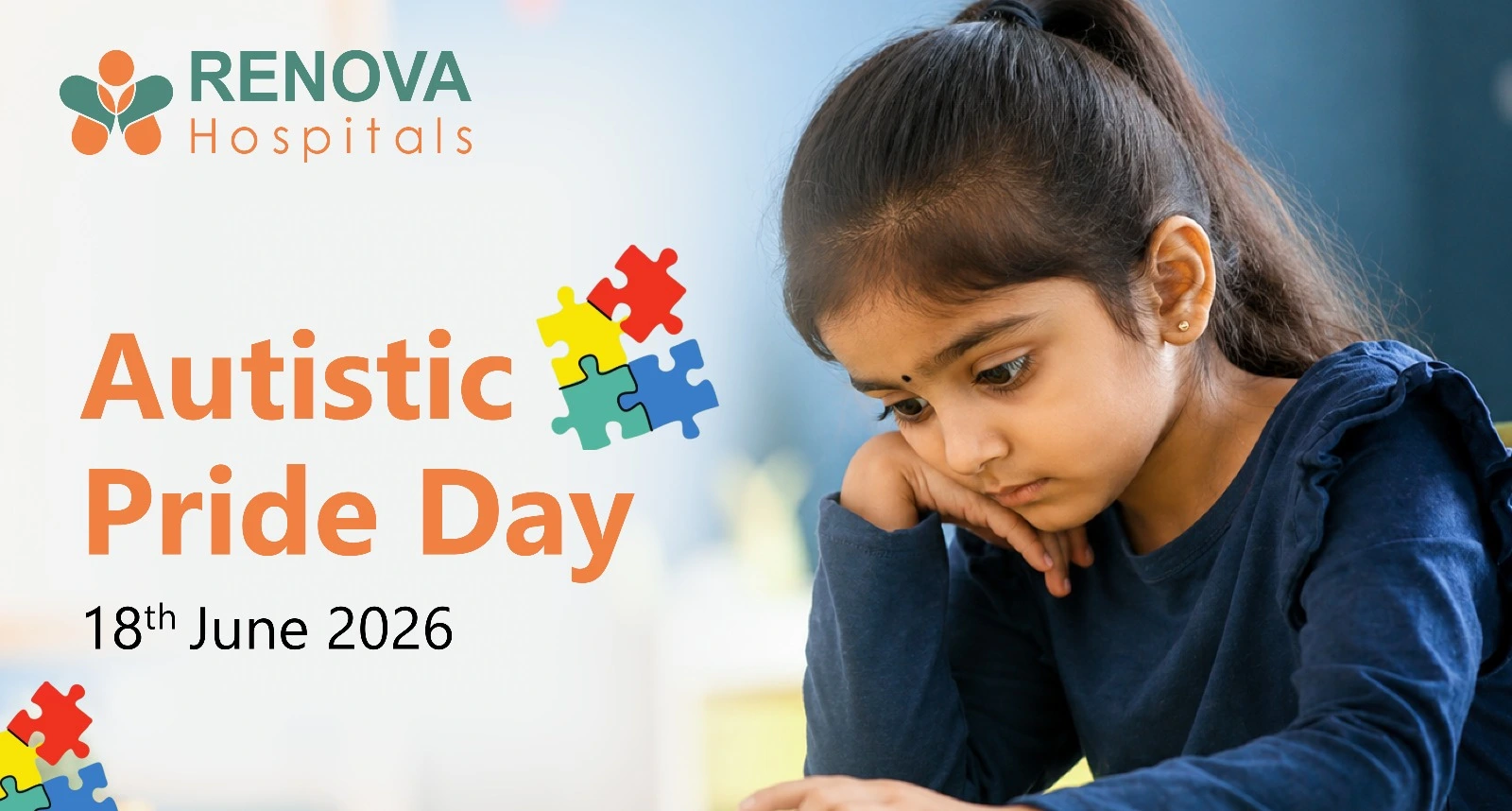
Every year on June 18, people around the globe gather to observe Autistic Pride Day - not to highlight a problem, but to honour a community. This day truly belongs to autistic individuals. They created it, moulded it through their lived experiences, and built it on a straightforward yet revolutionary concept: autism isn't something that needs fixing or grieving. It's something worthy of pride. As we observe June 18, 2026, the message rings crystal clear - the time has come to move beyond merely tolerating differences and start truly welcoming them.
Key Takeaways
- Autistic Pride Day has existed since 2005, created by autistic individuals for their own community.
- Each autistic person is unique - autism represents a vast, wonderfully intricate spectrum.
- Pride doesn't mean overlooking difficulties. It means seeing the complete, whole individual beyond those difficulties.
- Appropriate support, provided early with genuine understanding, has the power to transform someone's entire trajectory.
- Many autistic individuals are currently leading fulfilling, independent, and imaginative lives.
- Creating schools, workplaces, and healthcare facilities that genuinely welcome autistic people improves outcomes for everyone.
Autism at a Glance
Condition: Autism Spectrum Disorder (ASD)
Common Signs: Differences in social communication, limited eye contact, repetitive behaviours, sensory sensitivities, delayed speech, difficulty with change in routine, intense focused interests
Diagnosis Methods: Developmental screening, behavioural observation, ADOS-2 (Autism Diagnostic Observation Schedule), ADI-R (Autism Diagnostic Interview-Revised), speech and language assessment, occupational therapy evaluation
Specialists Involved: Developmental Pediatrician, Child Psychologist, Clinical Neuropsychologist, Speech-Language Therapist, Occupational Therapist
Support & Treatment Options: Behavioural Therapy (ABA), Speech Therapy, Occupational Therapy, Social Skills Training, Sensory Integration Therapy, Psychological Support, Educational Interventions, Medication (for co-occurring conditions such as anxiety or ADHD)
2026 Theme: Nothing About Us Without Us — Autistic Voices Leading the Way
Who Celebrates: Autistic individuals, families, allies, schools, workplaces, and communities worldwide.
Core Values: Pride, acceptance, inclusion, self-advocacy, and neurodiversity.
Why Autistic Pride Day Matters More Than Ever
For too long, conversations about autism have been dominated by deficit-based language — what autistic people cannot do, the challenges they face, the "burden" placed on families and systems. Autistic Pride Day flips that narrative entirely. Founded in 2005 by Aspies For Freedom, it was the first event of its kind to frame autism not as a disorder to be fixed but as a natural variation of the human mind deserving celebration.
In 2026, as neurodiversity movements continue to gain global traction, this day serves as a powerful reminder: autistic people are not broken versions of neurotypical people. They are a fundamental, valuable, and irreplaceable part of humanity's full picture. From art and science to advocacy and innovation, autistic voices and minds shape the world in ways that deserve far more recognition.
Celebrating
Autistic Pride Day is also an act of solidarity. When communities come together — schools, hospitals, workplaces, families — to honour neurodiversity, they signal to every autistic person watching: you belong here, exactly as you are.
"Autistic identity is not something to be overcome or erased — it is something to be understood, respected, and celebrated. When we create environments that genuinely include autistic individuals, we do not just help them; we make our communities richer, more creative, and more humane."
— Neurodevelopmental Care Team, Renova Hospitals
What Is Autism? Understanding the Spectrum
Autism Spectrum Disorder (ASD) is a neurodevelopmental condition characterized by differences in social communication, sensory processing, and patterns of behaviour and interest. The word "spectrum" is key —
autism presents in an extraordinarily wide range of ways.
Some autistic people are highly verbal and may appear socially engaged, while others communicate through alternative and augmentative methods. Some have significant support needs; others live and work entirely independently. Many
autistic people have what are called "spiky profiles" — exceptional abilities in some areas alongside genuine challenges in others.
Importantly, autism is not an illness. It does not need to be "cured." What autistic people benefit from is understanding, appropriate support, and environments designed with their needs in mind — not in spite of who they are, but because of it.
6 Things Everyone Should Know About Autism in 2026
1. Autism Is Not a New Phenomenon
Autism has always existed. What has changed over the decades is our diagnostic criteria, our awareness, and — thankfully — our understanding. Increased diagnosis rates reflect better screening tools and greater awareness, not an epidemic.
2. Autistic People Have Extraordinary Strengths
Many autistic individuals demonstrate exceptional pattern recognition, attention to detail, deep focus, honesty, creativity, and the ability to think in ways that bypass conventional assumptions. These traits are genuine cognitive assets in many fields — from engineering and medicine to the arts and advocacy.
3. Sensory Differences Are Real and Significant
Many autistic people experience the world with heightened or reduced sensitivity to sound, light, texture, taste, or smell. What feels neutral to one person may be genuinely overwhelming to another. Sensory-friendly environments are not a luxury — they are a matter of dignity.
4. Communication Looks Different, Not Lesser
Not all autistic people communicate in the same ways. Some are non-speaking or minimally speaking and use AAC (augmentative and alternative communication) devices, sign language, or text. These are fully valid and equally meaningful forms of communication.
5. Mental Health Matters Too
Autistic people are significantly more likely to experience anxiety, depression, and burnout — often as a result of navigating a world not designed for them.
Mental health support that understands autism, rather than treating it as a side issue, is critical to better outcomes.
Myth vs Fact: Setting the Record Straight
Myth: Autism is caused by vaccines.
Fact: This claim has been thoroughly and repeatedly disproved by large-scale scientific research conducted worldwide.
Myth: All autistic people have savant abilities.
Fact: Savant skills occur in a minority of autistic individuals. Autism presents in diverse ways across the full spectrum.
Myth: Autistic people lack empathy.
Fact: Many autistic people feel empathy deeply—they may simply express or process it differently from neurotypical individuals.
Myth: Autism only affects children.
Fact: Autism is a lifelong neurological difference. Autistic children grow into autistic adults who deserve ongoing support and recognition.
Myth: You can tell if someone is autistic just by looking at them.
Fact: Autism is invisible to the eye. Many autistic people are misdiagnosed or undiagnosed for years, particularly women and people of colour.
What Influences Autism? Understanding Neurodevelopmental Factors
Autism is not caused by parenting style, diet, or vaccines. Current research points to a combination of genetic and environmental factors that influence neurodevelopment before and around birth. These include:
- Genetic variations and inherited traits — autism has a strong hereditary component
- Advanced parental age at the time of conception
- Complications during pregnancy or birth
- Exposure to certain environmental factors during critical periods of fetal development
- Co-occurring conditions such as epilepsy, ADHD, or intellectual disability
It is important to note that autism itself is not a disease. These factors shape neurological development, not deficiency.
How to Celebrate Autistic Pride Day 2026
Celebration does not require grand gestures. Here are meaningful ways to honour June 18, 2026:
- Educate yourself with resources created by autistic people — not just about them
- Display the rainbow infinity symbol to signal your commitment to inclusion
- Listen to autistic advocates — read their work, watch their talks, follow their platforms
- Review your workplace or school's inclusion policies and look for tangible improvements
- Support businesses and organizations led by autistic individuals
- Host a sensory-friendly community event or awareness session
- Ask the autistic people in your life what support looks like to them — and then provide it.
What Parents and Families Should Know
If your child has recently received an autism diagnosis, it is natural to feel uncertain. What will help your child most is not a rush toward "normalizing" them, but a commitment to understanding who they are. Early, evidence-based support — speech therapy, occupational therapy, and social skills programmes tailored to the child's individual needs — can make a meaningful difference.
Equally important is the emotional environment at home. An autistic child who grows up knowing they are loved, accepted, and valued exactly as they are will have a foundation that no therapy alone can build. Connect with autistic adult communities as well — they offer lived experience that can guide families in profoundly practical ways.
When to Seek Professional Guidance
Consider consulting a specialist if you or a loved one experiences:
- Social or sensory challenges: Difficulties with communication or sensory sensitivities that affect daily life.
- Mental health concerns: Anxiety, depression, or autistic burnout, especially after prolonged masking.
- Developmental concerns in children: Delays or differences that may benefit from a developmental assessment.
- Questions about adult autism: Adults who suspect they may be autistic and want a formal evaluation.
- Need for ongoing support: Help with school accommodations, workplace adjustments, or therapy planning.
Why Choose Renova Hospitals for Neurodevelopmental Care
At Renova Hospitals, we believe that every individual deserves healthcare that sees the whole person. Our neurodevelopmental and mental health teams provide compassionate, evidence-informed assessments and support for autistic individuals across the lifespan — from early childhood through adulthood.
We work collaboratively with patients, families, and caregivers to create personalized support plans that respect autistic identity while addressing genuine areas of need. Our commitment is to language, practices, and environments that reflect dignity, autonomy, and pride.
Consult Our Neurodevelopmental Team at Renova Hospitals
Whether you are seeking an autism assessment, looking for support strategies, or navigating a diagnosis for yourself or a loved one, the Renova Hospitals team is here to help.
We provide compassionate, holistic, and neurodiversity-affirming care for children, adolescents, and adults. Contact Renova Hospitals today to take the first step toward understanding, support, and personalized care.
Conclusion:
Autistic Pride Day 2026 is not just a date on the calendar. It is an invitation to listen more carefully, to learn without assumptions, and to celebrate the extraordinary diversity of human minds. Autism is not a tragedy. It is a different way of being in the world: one that brings with it unique gifts, perspectives, and truths that neurotypical society too often misses.
On June 18 and every day after it, let us commit to building a world where autistic people do not merely survive within systems not designed for them, but genuinely thrive in communities that value who they are. Pride is not a destination. It is a practice — and it begins with each of us.
Medically Reviewed & Approved By:
Dr. Y Muralidhar Reddy
DNB, DM, AFAMS Designation: Sr. Consultant & Head, Dept. of Neurology
This article has been reviewed and approved by a qualified medical professional to ensure accuracy, credibility, and adherence to current clinical standards.