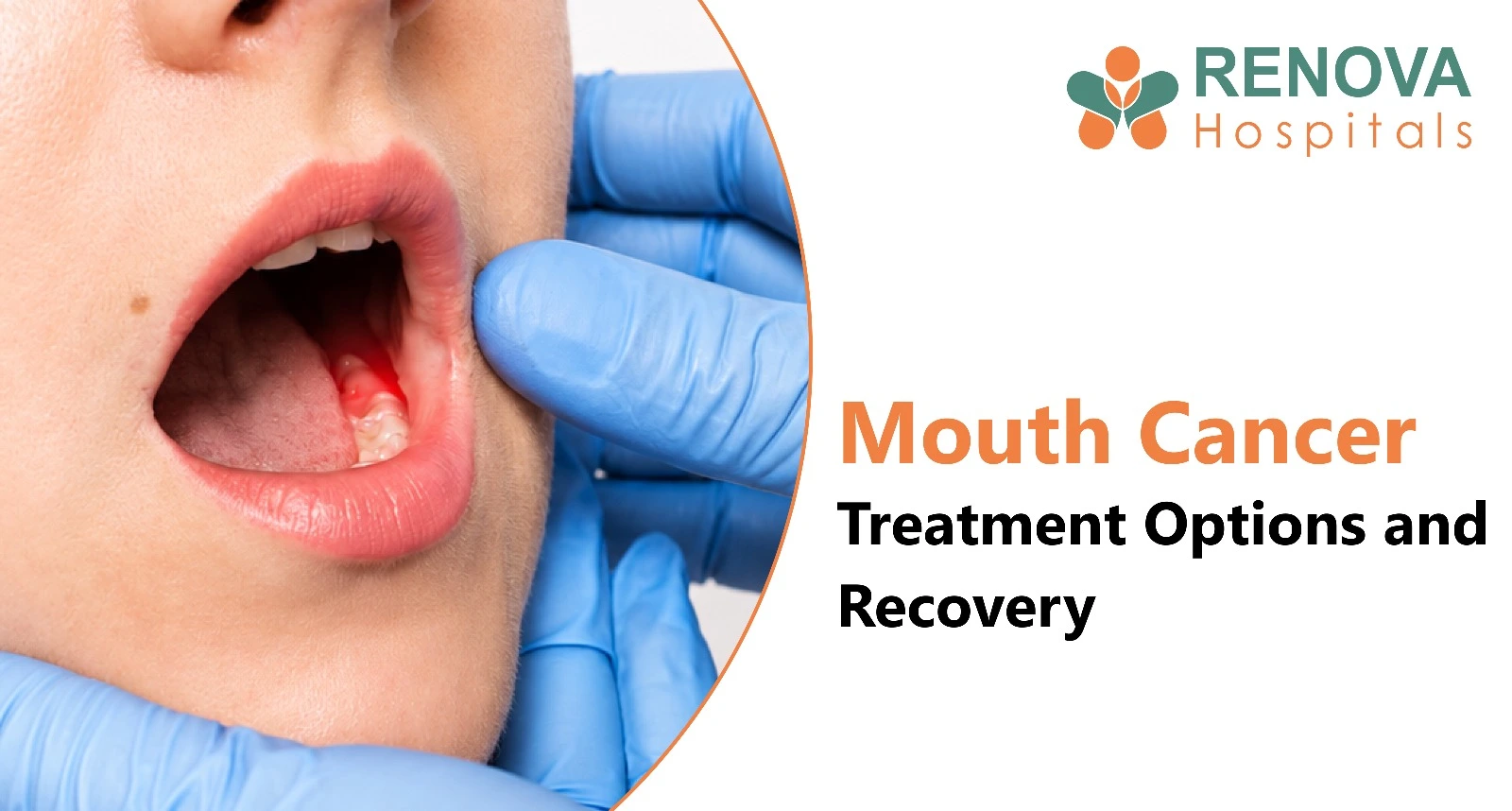
Mouth cancer treatment depends on the exact site, tumour size and depth, lymph-node involvement, spread to other organs, overall health and expected effects on speech and swallowing. Surgery is common for oral-cavity cancer. Radiation,
chemotherapy,
targeted therapy or
immunotherapy may be used alone or in combination in selected situations.
Key Takeaways
- A biopsy and complete staging are required before a treatment plan is finalised.
- Early oral-cavity cancers may be treated with surgery or radiation depending on the site and clinical factors.
- More advanced disease may require surgery followed by radiation or chemoradiation.
- Reconstruction, dental care, nutrition and speech or swallowing rehabilitation are important parts of treatment.
- Recurrent or metastatic cancer may be treated with systemic therapy, including immunotherapy in selected patients.
- No responsible treatment plan can be chosen from symptoms alone or promise a permanent cure without staging.
When should a mouth lesion be checked? Consult a doctor or dentist if a mouth ulcer, lump, red or white patch, unexplained bleeding, numbness, loose tooth, difficulty swallowing or voice change lasts for about two weeks. Severe bleeding, breathing difficulty or inability to swallow saliva requires emergency care.
What Is Mouth Cancer?
Mouth cancer usually refers to cancer arising in the oral cavity, including the lips, front part of the tongue, gums, inner cheeks, floor of the mouth, hard palate and the area behind the wisdom teeth. Cancer of the tonsils or base of the tongue is classified as oropharyngeal cancer and may follow a different treatment pathway.
How Is Mouth Cancer Diagnosed?
Diagnosis begins with examination of the mouth and neck. A biopsy is required to confirm cancer. Imaging such as CT, MRI, PET-CT or ultrasound may be used to determine tumour extent and whether lymph nodes or other organs are involved.
Treatment planning may also include:
- Dental evaluation
- Nutrition assessment
- Speech and swallowing assessment
- Anaesthesia and fitness evaluation
- Blood tests
- Tumour biomarker testing in selected recurrent or metastatic cases
How Does the Cancer Stage Affect Treatment?
Stage describes the size and depth of the tumour and whether it has spread to lymph nodes or distant organs. Early-stage tumours are generally smaller and localised. Locally advanced cancers involve deeper structures or lymph nodes. Metastatic cancer has spread to another part of the body. Stage, pathology and the patientโs health guide the multidisciplinary teamโs recommendation.
What Is the Role of Surgery in Mouth Cancer?
Surgery is a common treatment for oral-cavity cancer. The surgeon removes the tumour with a margin of surrounding tissue. The type of operation depends on the site and extent.
Surgery may include:
- Wide local excision of the tumour
- Removal of part of the tongue, jaw or another involved structure when necessary
- Neck dissection to remove lymph nodes at risk or known to contain cancer
- Reconstructive surgery using local tissue, skin grafts or free flaps
- Dental or prosthetic rehabilitation
The aim is to remove cancer while preserving speech, swallowing, appearance and function as much as safely possible.
When Is Radiation Therapy Used?
Radiation may be used as the main treatment for selected cancers or after surgery when there is a higher risk of recurrence. Postoperative radiation may be recommended for lymph-node involvement, close or involved margins, larger or deeper tumours, nerve invasion or other pathological risk factors.
Radiation to the mouth and neck can affect saliva, taste, teeth, skin and swallowing. Dental evaluation and preventive oral care before treatment are important.
When Is Chemotherapy Used?
Chemotherapy is often combined with radiation for certain high-risk or locally advanced head-and-neck cancers. It may also be used for recurrent or metastatic disease. The drug and schedule depend on fitness, kidney function, hearing, other illnesses and the treatment goal.
What Are Targeted Therapy and Immunotherapy?
Targeted therapy acts on specific cancer pathways, while immunotherapy helps the immune system recognise and attack cancer. Medicines such as pembrolizumab or nivolumab may be considered in selected recurrent or metastatic squamous-cell cancers. Biomarker results, tumour location and previous treatment influence the choice.
A
Medical Oncology consultation helps determine whether systemic treatment is appropriate.
Is Treatment Different for Early and Advanced Mouth Cancer?
Early-Stage Mouth Cancer
Treatment may involve surgery or radiation depending on the site, tumour characteristics and expected functional outcome. Even a small tumour needs proper staging because depth and lymph-node risk can change the plan.
Locally Advanced Mouth Cancer
Treatment often combines surgery with postoperative radiation or chemoradiation. Some patients may receive non-surgical chemoradiation depending on tumour site, operability and multidisciplinary assessment.
Recurrent or Metastatic Mouth Cancer
Options may include surgery or radiation when recurrence is localised, or systemic treatment such as chemotherapy, targeted therapy or immunotherapy. Symptom control and quality of life are central to the plan.
What Happens Before Treatment Begins?
- The diagnosis and stage are reviewed by a multidisciplinary tumour board.
- Dental problems are treated before radiation when possible.
- Nutrition and weight are assessed.
- Smoking, tobacco and alcohol cessation support is provided.
- Speech and swallowing function may be recorded as a baseline.
- The patient discusses work, finances, caregiver support and fertility when relevant.
What Side Effects Can Occur?
After Surgery
- Pain and swelling
- Difficulty speaking or swallowing
- Changes in chewing or appearance
- Shoulder stiffness after neck dissection
- Need for temporary feeding support in some patients
During Radiation or Chemoradiation
- Mouth sores and pain
- Dry mouth or thick saliva
- Taste changes
- Skin reaction
- Difficulty swallowing
- Fatigue and weight loss
- Dental complications
Side effects should be managed proactively. Mouth care, pain control, nutrition, swallowing exercises and infection prevention can reduce interruptions in treatment.
Why Are Nutrition and Rehabilitation Important?
The mouth is essential for eating, speech and social interaction. Dietitians help maintain calorie and protein intake. Speech and swallowing therapists provide exercises and rehabilitation. Some patients need temporary feeding support, reconstructive dental work or physiotherapy.
Can Mouth Cancer Be Cured?
Many early mouth cancers can be treated successfully. The outlook depends on stage, tumour biology, lymph-node involvement, general health, tobacco use and response to treatment. No responsible clinician can promise a cure without reviewing the complete diagnosis and stage.
Can Ayurvedic or Home Remedies Replace Cancer Treatment?
No home remedy has been proven to eliminate mouth cancer. Delaying biopsy, surgery, radiation or systemic treatment can allow the cancer to progress. Tell the oncology team about supplements or alternative medicines because they may interact with treatment or affect the liver, kidneys or bleeding risk.
What Follow-Up Is Needed After Treatment?
- Regular mouth and neck examinations
- Imaging when clinically indicated
- Dental and oral-care follow-up
- Nutrition and swallowing review
- Thyroid monitoring after neck radiation when appropriate
- Tobacco and alcohol cessation support
- Evaluation of new or persistent symptoms
What Can the Oncology Team Review at the First Consultation?
- Biopsy and pathology report
- CT, MRI, PET-CT or ultrasound findings
- Tumour site, depth and lymph nodes
- Dental, nutrition and swallowing status
- Fitness for surgery, radiation or systemic treatment
- Reconstruction and rehabilitation needs
Consult a Head and Neck Oncologist at Renova Hospitals
Medical References
Medically Reviewed & Approved By
Dr. Sandeep Kumar Tula
Radiation Oncology
MD (Radiation Oncology), PGI Chandigarh
This article has been reviewed and approved by a qualified medical professional to ensure accuracy, credibility, and adherence to current clinical standards.