Key Takeaways
- Cirrhosis is irreversible liver scarring caused by alcohol, viral hepatitis, NAFLD, or other chronic liver diseases.
- It progresses from a silent compensated phase to a decompensated phase with life-threatening complications including ascites, variceal bleeding, encephalopathy, and hepatorenal syndrome.
- Diagnosis relies on blood tests, Fibroscan, imaging, and, when needed, liver biopsy; the MELD score guides transplant listing.
- When medical management fails to prevent decompensation, liver transplant offers the only curative option.
- LDLT from a living compatible donor is the most common transplant route in India due to limited deceased donor availability.
- Renova NIGL Hospital, Banjara Hills, has performed over 500 liver transplants under Dr. R.V. Raghavendra Rao, who trained at SGPGI Lucknow.
- Post-transplant patients require lifelong immunosuppression, regular monitoring, and alcohol abstinence.
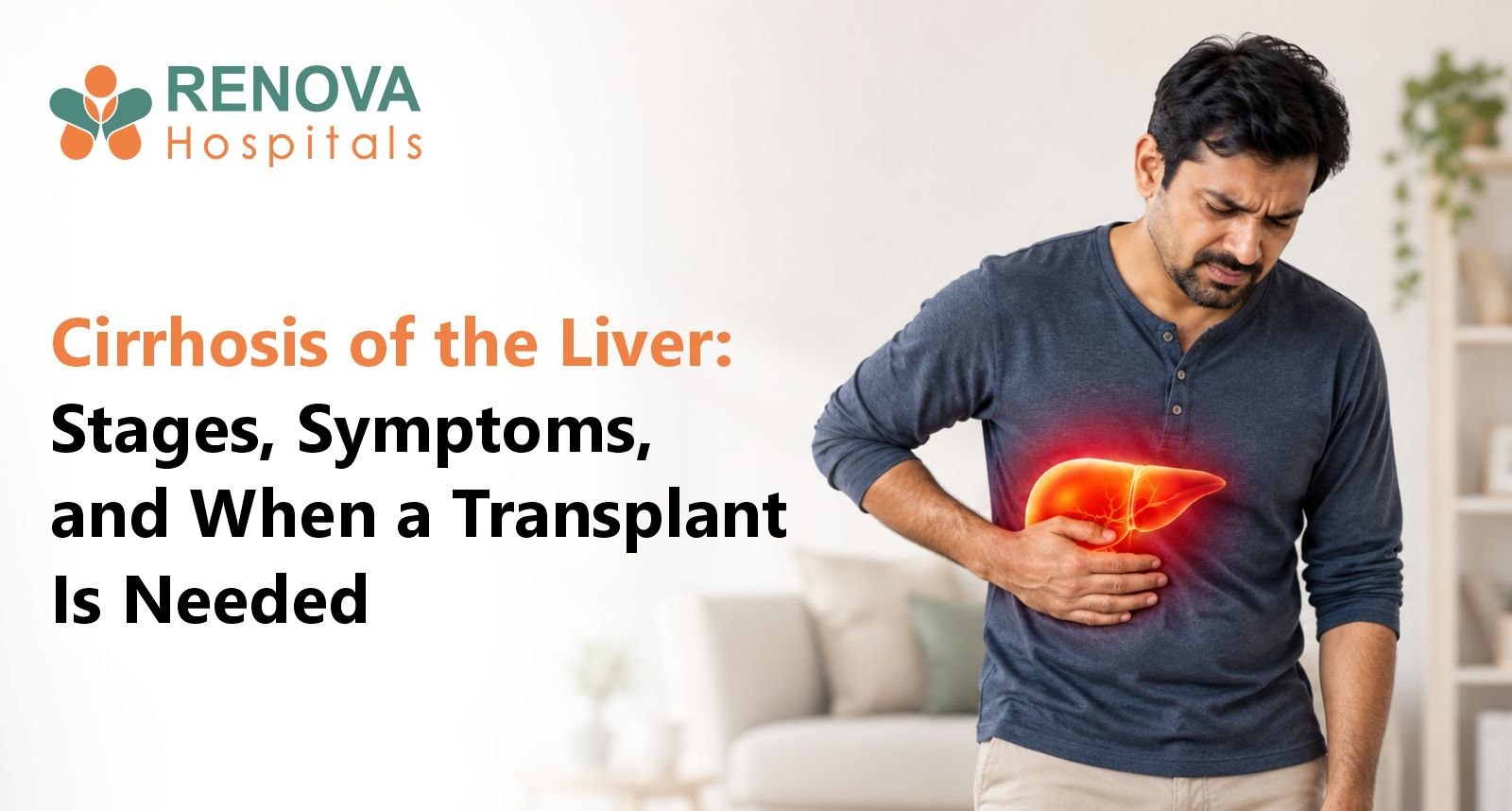
What Is Cirrhosis of the Liver?
Cirrhosis is a late-stage liver disease in which healthy liver tissue is progressively replaced by fibrous scar tissue (fibrosis). This scarring disrupts the normal architecture of the liver, impairing its ability to perform vital functions: filtering toxins from the blood, producing clotting factors and albumin, metabolising drugs and nutrients, and regulating blood sugar and hormone levels.
Once cirrhosis is established, the structural changes are largely irreversible. However, halting the underlying cause can prevent further progression and, in some cases, allow partial functional recovery. When the liver reaches a point where it can no longer sustain life, a liver transplant is the only curative option.
How Common Is Cirrhosis in India?
Liver disease is a significant public health problem in India. Alcohol-related liver disease, hepatitis B, hepatitis C, and non-alcoholic fatty liver disease (NAFLD/NASH) together account for the vast majority of cirrhosis cases. India has one of the highest burdens of hepatitis B in the world, and NAFLD prevalence is rising rapidly alongside obesity and type 2 diabetes.
Stages of Cirrhosis: From Compensated to Decompensated
Stage 1 and 2 -- Compensated Cirrhosis
In the compensated phase, the liver retains enough functional reserve to perform its duties without overt clinical signs. Many patients are diagnosed incidentally during routine blood tests or imaging. At this stage, the priority is treating the cause:
- Abstinence from alcohol in alcoholic liver disease.
- Antiviral therapy for hepatitis B or C.
- Weight loss and metabolic control for NAFLD/NASH.
Portal hypertension (raised pressure in the portal vein supplying the liver) begins to develop silently. Endoscopic screening for oesophageal varices is recommended even in compensated patients, as varices can rupture without warning.
Stage 3 and 4 -- Decompensated Cirrhosis
Decompensation occurs when the liver can no longer compensate for the loss of functional tissue, manifesting as one or more of the following life-threatening complications:
- Ascites: Fluid accumulation in the abdominal cavity, the most common first sign of decompensation. Managed with salt restriction, diuretics, and large-volume paracentesis when refractory.
- Oesophageal and gastric variceal haemorrhage: Ruptured varices cause massive upper GI bleeding requiring emergency endoscopic banding or sclerotherapy and vasopressin analogues (terlipressin).
- Hepatic encephalopathy: Ammonia and other toxins accumulate in the blood and reach the brain, causing confusion, behavioural change, and, in severe cases, coma. Treated with lactulose and rifaximin.
- Spontaneous bacterial peritonitis (SBP): Infection of ascitic fluid. Treated with intravenous cephalosporins; long-term antibiotic prophylaxis is continued afterwards.
- Hepatorenal syndrome (HRS): Progressive kidney failure triggered by circulatory dysfunction in advanced liver disease. Terlipressin combined with albumin infusion is first-line; dialysis and transplant listing are considered when HRS persists.
- Hepatocellular carcinoma (HCC): Cirrhosis from any cause carries an elevated risk of primary liver cancer, particularly in hepatitis B and C patients. Six-monthly ultrasound and AFP surveillance is recommended.
Median survival after the first decompensation event is approximately two years without transplant, underlining the urgency of transplant evaluation once decompensation occurs.
Symptoms of Cirrhosis at Each Stage
What Are the Early Symptoms of Cirrhosis?
Compensated cirrhosis is often silent. When symptoms do appear, they are non-specific:
- Fatigue and generalised weakness.
- Loss of appetite and mild nausea.
- Discomfort in the upper right abdomen.
- Spider angiomas (small, spider-like blood vessel clusters on the skin).
- Palmar erythema (redness of the palms).
- Easy bruising.
What Are the Symptoms of Advanced or Decompensated Cirrhosis?
- Abdominal swelling (ascites).
- Jaundice: Yellowing of the skin and eyes due to impaired bilirubin processing.
- Dark urine and pale stools.
- Confusion, memory difficulties, or personality change (hepatic encephalopathy).
- Vomiting blood or passing black, tarry stools (variceal bleed).
- Muscle wasting, particularly of the thighs and upper arms.
- Swollen legs and ankles (peripheral oedema).
- Itching (pruritus) from bile salt accumulation.
How Is Cirrhosis Diagnosed?
What Tests Confirm Cirrhosis?
No single test diagnoses cirrhosis definitively; the diagnosis integrates clinical findings, blood tests, imaging, and sometimes biopsy:
- Liver function tests (LFTs): Elevated bilirubin, low albumin, prolonged PT/INR, and raised transaminases suggest hepatic dysfunction.
- Complete blood count: Thrombocytopenia (low platelets) is a marker of portal hypertension and splenomegaly.
- Fibroscan (transient elastography): Measures liver stiffness in kilopascals. Higher stiffness values (generally above 12-14 kPa depending on the aetiology) suggest significant fibrosis or cirrhosis. It is non-invasive and widely available.
- Ultrasound of the abdomen: Assesses liver size and echogenicity, spleen size, ascites, and portal vein diameter.
- CT or MRI of the abdomen: Provides detailed hepatic architecture, portal hypertension signs, and can screen for HCC.
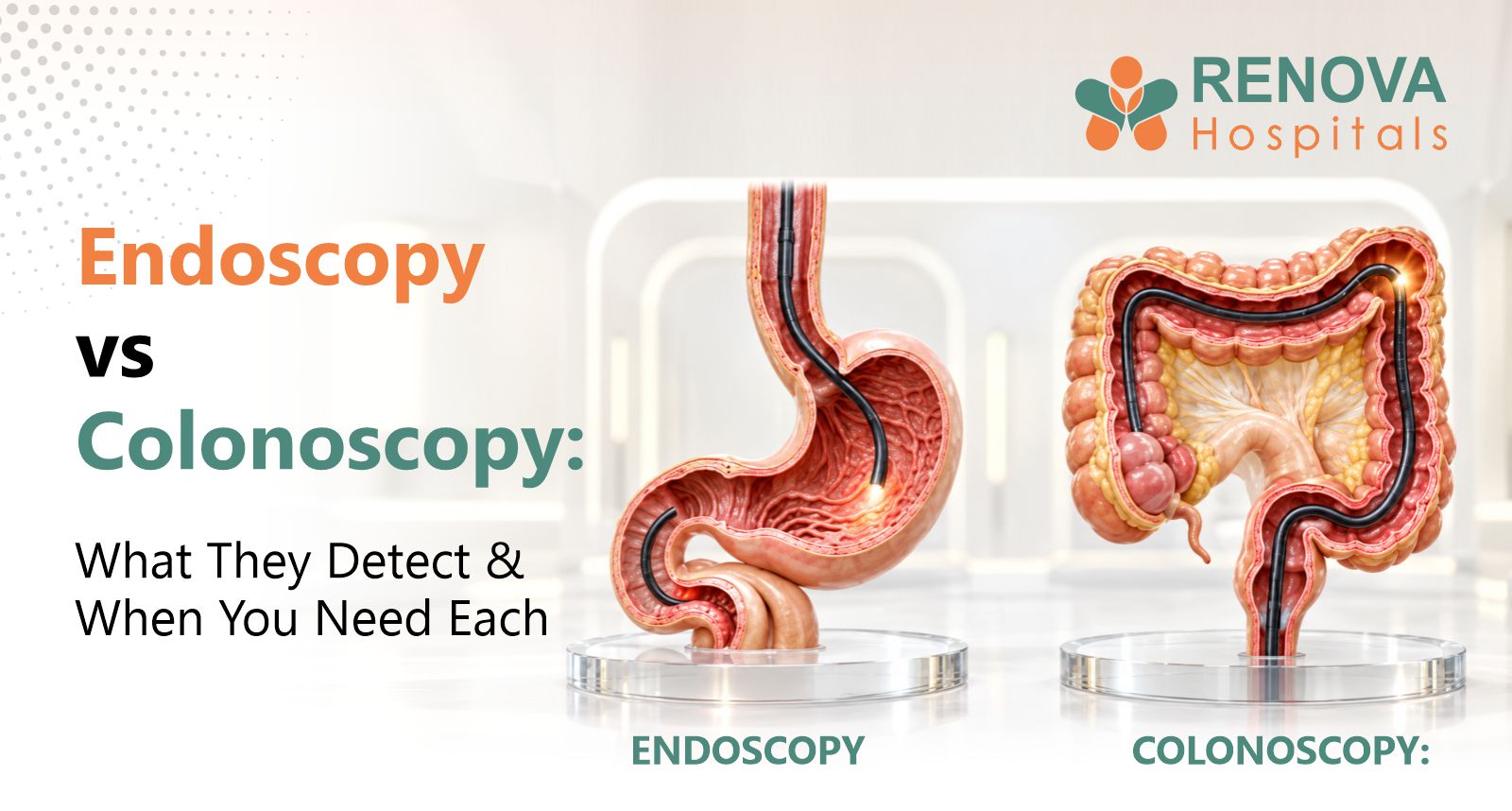
- Upper GI endoscopy: Screens for oesophageal and gastric varices.
- Liver biopsy: The historical gold standard; now reserved for cases where non-invasive tests are inconclusive. It grades fibrosis (METAVIR F0 to F4; F4 = cirrhosis).
- MELD score: The Model for End-Stage Liver Disease score (calculated from creatinine, bilirubin, INR, and sodium) predicts 90-day mortality and is used globally for transplant waiting list prioritisation.
When Is a Liver Transplant Needed?
What Are the Indications for Liver Transplant?
A liver transplant replaces the diseased liver with a healthy one from a deceased or living donor. Transplant is considered in the following situations:
- Decompensated cirrhosis with a MELD score of 15 or above, particularly with refractory ascites, recurrent variceal bleeding, hepatic encephalopathy, or HRS.
- Hepatocellular carcinoma within Milan criteria (single tumour up to 5 cm, or up to three tumours each below 3 cm, with no vascular invasion or extrahepatic disease).
- Acute liver failure not responding to medical therapy.
- Selected metabolic liver diseases (Wilson's disease, hereditary haemochromatosis, primary biliary cholangitis).
What Are the Two Types of Liver Transplant?
- Deceased donor liver transplant (DDLT): The liver comes from a brain-dead individual who has consented to organ donation. Waiting times vary based on blood group and MELD score.
- Living donor liver transplant (LDLT): A healthy family member or compatible volunteer donates the right lobe of their liver (approximately 60-70% of its volume). The donor's liver regenerates fully within six to eight weeks. LDLT is the dominant transplant modality in India because of the limited deceased donor pool.
What Is the Liver Transplant Process at Renova NIGL Hospital?
Renova NIGL Hospital's liver transplant programme is led by Dr. R.V. Raghavendra Rao, who has performed over 500 liver transplants over a career spanning 26 years, with training from SGPGI Lucknow. The programme provides:
- Comprehensive pre-transplant evaluation of the recipient (MELD score, cardiac and pulmonary assessment, infection screening, nutritional optimisation).
- Living donor evaluation including donor safety workup, volumetric liver analysis, and psychological assessment.
- Surgical transplantation and intensive post-operative care in a dedicated liver ICU.
- Long-term post-transplant follow-up including immunosuppression management and HCC surveillance.
- Nutritional rehabilitation and physiotherapy support during recovery.
Life After Liver Transplant: What to Expect
A successful liver transplant dramatically restores quality of life, but it requires lifelong commitment:
- Immunosuppression: Recipients take immunosuppressant medications (tacrolimus, mycophenolate mofetil, prednisolone) lifelong to prevent rejection. Doses are gradually reduced over years.
- Infection vigilance: Immunosuppression increases susceptibility to bacterial, fungal, and viral infections. Early symptoms must not be ignored.
- Monitoring for rejection: Liver biopsies, LFTs, and imaging are performed periodically to detect rejection early.
- Alcohol abstinence: Mandatory for patients transplanted for alcohol-related liver disease. Relapse can lead to graft loss.
- Cancer surveillance: Skin cancers and other malignancies are more common in immunosuppressed patients; regular dermatology review is advised.
- Diet and exercise: A high-protein, low-sodium diet and graded physical activity support recovery and long-term metabolic health.
Most transplant recipients return to work, family activities, and a near-normal life within six to twelve months of the procedure.
Medical References
- European Association for the Study of the Liver (EASL). Clinical Practice Guidelines on the Management of Ascites in Patients with Cirrhosis. Journal of Hepatology. 2023;79(2):488-542.
- AASLD. Practice Guidance on Evaluation for Liver Transplantation in Adults. Hepatology. 2022;75(6):1610-1644.
- Terrault NA, Lok ASF, McMahon BJ, et al. Update on Prevention, Diagnosis, and Treatment of Chronic Hepatitis B. Hepatology. 2018;67(4):1560-1599.
- Kim WR, Lake JR, Smith JM, et al. OPTN/SRTR 2017 Annual Data Report: Liver. American Journal of Transplantation. 2019;19(S2):184-283.
- Puri P, Anand AC, Saraswat VA, et al. Consensus Statement of HCV Task Force of the Indian National Association for Study of the Liver (INASL). Journal of Clinical and Experimental Hepatology. 2019;9(4):501-537.
Medically Reviewed & Approved By:
Dr. R.V. Raghavendra Rao
MBBS, MS (General Surgery), MCh (Surgical Gastroenterology) SGPGI Lucknow
Surgical Gastroenterologist & Liver Transplant Surgeon
Renova NIGL Hospital, Banjara Hills, Hyderabad
This article has been reviewed and approved by a qualified medical professional to ensure medical accuracy and adherence to current clinical standards.