Renova Hospitals Logo
Home Blogs Brain Tumour Surgery Recovery: What to Expect Week by Week
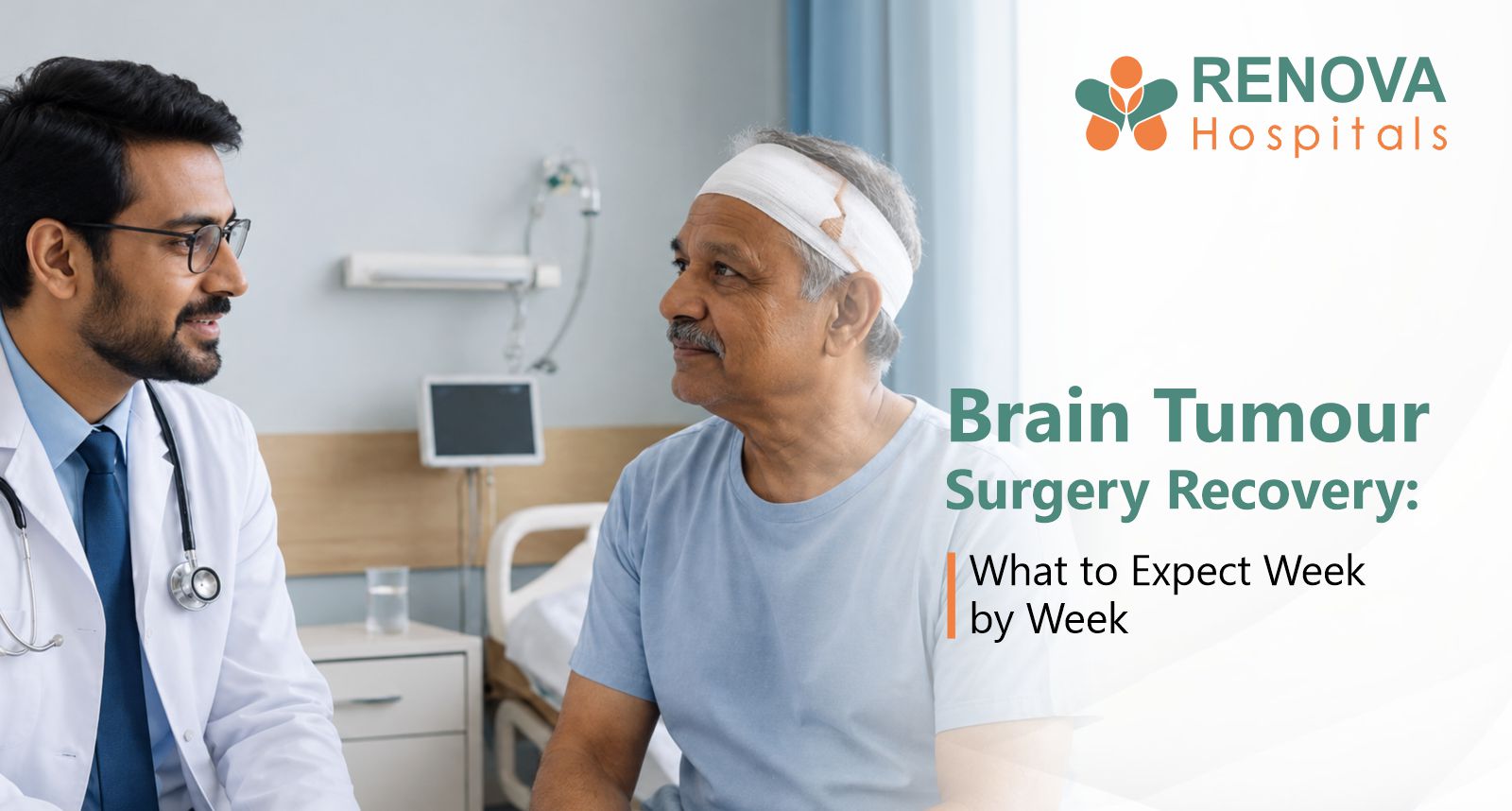
Brain tumour surgery recovery timeline and post-operative care

By Dr. Vishnu Vardhan

November 04, 2026

Brain Tumour Surgery Recovery: What to Expect Week by Week

Hearing that you or a family member needs brain tumour surgery brings many questions, but one of the most pressing is often: what does recovery actually look like? Brain tumour surgery recovery follows a broadly predictable path, but the timeline and experience depend on where the tumour was, how much was removed, and what neurological functions were nearby. This guide, reviewed by Renova's neurosurgery team, walks through what to expect week by week, from the day after surgery through the first few months.

Key Takeaways

  • Most patients spend seven to fourteen days in hospital, starting in the ICU before moving to a general ward.
  • The first two weeks focus on wound healing, managing swelling, and regaining basic function.
  • Weeks three to eight typically show the most rapid improvement in energy, coordination, and cognitive clarity.
  • Full recovery can take three to six months or more, depending on the surgery and tumour.
  • Fatigue is the most common and often underestimated side effect, particularly in the first month.
  • Neurological side effects such as weakness, speech or memory changes may be present initially and often improve with time and rehabilitation.
  • Driving restrictions, activity limits, and follow-up imaging are standard parts of recovery.
  • Adjuvant treatment such as radiotherapy or chemotherapy, if needed, is usually planned once initial recovery is underway.

Before the Timeline: What Type of Surgery Matters


Not all brain tumour operations are the same, and the recovery path depends heavily on the approach.

  • A craniotomy, in which a section of the skull is temporarily removed to access the tumour, is the most common approach for accessible tumours
  • Minimally invasive or endoscopic approaches, where possible, use smaller openings and are associated with faster recovery
  • The location of the tumour, whether it is near areas controlling speech, movement, or vision, significantly affects which side effects may be present after surgery
  • Awake craniotomy, used for tumours near language or motor areas, allows the team to monitor neurological function in real time

Your neurosurgeon will explain the specific approach planned for your case, and this shapes the recovery timeline significantly.

Week by Week: Brain Tumour Surgery Recovery Timeline


Day 1 to 3: In the Intensive Care Unit

  • Close monitoring of neurological status, blood pressure, and vital signs in the ICU or neuro high-dependency unit
  • The head may be elevated to help reduce swelling around the surgical site
  • Most patients are awake relatively quickly after surgery, though drowsiness and confusion are common early on
  • Steroid medication is often given to reduce brain swelling, particularly in the first few days
  • Initial neurological checks confirm which functions, such as speech, movement, and vision, are intact

Day 3 to 7: Ward Recovery

  • Transfer to a general neurosurgical ward once stable
  • Gradual increases in sitting up, standing, and short walks begin, guided by the physiotherapy team
  • Wound care and monitoring for signs of infection or fluid accumulation around the surgical site
  • Medications to prevent seizures may be started, as surgery can temporarily lower the seizure threshold
  • Initial cognitive assessment may be performed, particularly if the tumour was near areas of higher brain function
  • Hospital stay is typically seven to fourteen days in total, though this varies

Week 2 to 4: Home and Early Recovery

This is often the period when patients and families find recovery more challenging than expected, mainly because fatigue can be profound.

  • Rest is the priority, with gradual increases in activity guided by how the patient feels
  • Headaches are common and usually manageable with prescribed pain relief
  • Hair may not be fully grown back over the incision site, and the scalp may feel numb or sensitive
  • Cognitive symptoms such as difficulty concentrating, word-finding difficulties, or memory gaps are common and often improve over weeks
  • Emotional changes, including low mood, irritability, or anxiety, are a normal response to surgery and are worth mentioning to the care team
  • Most patients are advised not to drive during this period, usually for at least four weeks minimum and often longer

Week 4 to 8: Building Momentum

For many patients, this period marks the most noticeable improvement in day-to-day function.

  • Energy levels improve, though fatigue may still be present, particularly after mental or physical effort
  • Neurological side effects such as weakness or speech difficulties, if present, often continue to improve
  • Neuro-rehabilitation, including physiotherapy, occupational therapy, and speech and language therapy where needed, is often ramped up during this period
  • Follow-up imaging, usually MRI, is typically arranged to assess the surgical result and check for residual tumour
  • A decision about further treatment, such as radiotherapy or chemotherapy, is usually made at this point if it was not already planned before surgery
  • Some patients begin returning to light activities and, where relevant, light desk-based work

Weeks 8 to 12 and Beyond: Longer-Term Recovery

  • Most patients have returned to a good level of daily function by this point, though full recovery can take longer
  • Cognitive function, particularly attention and memory, often continues improving up to twelve months or beyond
  • Energy levels usually improve significantly, though some patients find they still need more rest than before surgery
  • Driving restrictions are reassessed; for patients without seizures and with medical clearance, return to driving may be permitted
  • Ongoing follow-up with the neurosurgery and, where relevant, oncology team continues, with MRI scans at intervals to monitor for any recurrence

Common Side Effects and How They Are Managed


Several side effects are common after brain tumour surgery, and knowing about them in advance makes them easier to manage.

Fatigue

By far the most frequently reported and often most underestimated challenge. The brain uses significant energy to heal, and this fatigue is different from ordinary tiredness. Structured rest, pacing activities, and gradual increases in effort, rather than pushing through, are the most effective approach.

Neurological Changes

Weakness, clumsiness, speech difficulties, or vision changes may be present immediately after surgery, particularly if the tumour was near a motor, speech, or visual area. Many of these improve over weeks to months, aided by rehabilitation. Those that persist may relate to the underlying tumour or surgery near critical brain tissue, and rehabilitation helps patients adapt.

Seizures

A new or increased risk of seizures is common in the period after brain tumour surgery. Anti-seizure medication is often prescribed, and patients are usually advised not to drive until their seizure risk is assessed. Any seizure after brain surgery should be reported to the care team promptly.

Cognitive and Emotional Changes

Brain fog, difficulty concentrating, emotional lability, and low mood are all common, particularly in the first few weeks. These often improve significantly with time, sleep, and structured activity, and psychological support is available where needed.

What Helps Recovery Go Well?


  • Rest: enough of it, without complete inactivity, which tends to prolong fatigue
  • Structured neuro-rehabilitation, starting early and continuing as long as needed
  • Good nutrition and hydration to support healing
  • Attending all follow-up appointments and imaging scans
  • Communicating new or worsening symptoms, such as increasing headache, weakness, or changes in speech, to the care team promptly
  • Emotional and psychological support for both patient and carers

When to Seek Urgent Advice During Recovery


The following should prompt an urgent call to the care team or emergency department:

  • Sudden worsening of weakness, speech difficulty, or vision
  • New or increasing severe headache
  • Signs of infection at the wound site: increasing redness, warmth, swelling, or discharge
  • High fever
  • Any seizure, or altered level of consciousness

Medical Review


Brain tumour surgery recovery follows a broadly predictable path: intensive care for the first few days, ward recovery for the remainder of the hospital stay, and a period of home recovery lasting several weeks to months. Fatigue, neurological changes, and cognitive symptoms are common and often improve significantly with time and rehabilitation.

The overall timeline depends heavily on the tumour type, location, and surgical approach, and is shaped further by whether adjuvant treatment such as radiotherapy or chemotherapy is part of the plan.

Consult the Neurosurgery Team at Renova Hospitals


If you or a family member is facing brain tumour surgery, or is in recovery and has questions about what to expect next, our neurosurgery team can help.

At Renova Hospitals, our Neurosurgery team provides comprehensive brain and spine surgery, supported by neuro-intensive care, neuro-rehabilitation, and coordination with oncology where adjuvant treatment is needed. Dr. Vishnu Vardhan, Consultant Neurosurgeon at Renova Century Hospital, Banjara Hills, with over 16 years of experience including dedicated neuro-oncology expertise, and the wider neurosurgery team can guide you through every stage of the surgical and recovery process.

Request a consultation or call 040 2333 3333.

Questions to Ask Your Neurosurgery Team


  • What type of surgery is planned, and how will that affect my expected recovery timeline?
  • Which neurological functions might be affected, and what is the rehabilitation plan?
  • What restrictions should I follow at home in the first weeks?
  • When will I need follow-up imaging, and when will a decision about further treatment be made?

Clear answers to these questions can help you and your family plan more confidently for recovery.

The Bottom Line


Brain tumour surgery recovery typically spans several weeks to months, beginning with hospital-based intensive care and ward recovery, then progressing through home recovery, rehabilitation, and longer-term follow-up. Fatigue, cognitive changes, and neurological side effects are common and often improve significantly, particularly with early and structured neuro-rehabilitation.

At Renova Hospitals, our neurosurgery team plans both the surgery and recovery with functional preservation and long-term outcomes in mind, supported by neuro-intensive care and rehabilitation services.

Medical References


Medically Reviewed & Approved By


Dr. Vishnu Vardhan
MS, MCh (Neuro Surgery)
Consultant Neurosurgeon, Renova Century Hospital, Banjara Hills, Hyderabad

This article has been reviewed and approved by a qualified medical professional to ensure medical accuracy and adherence to current clinical standards.

Want to connect with a specialist?

Book your appointment now

Our Panel of Doctors

Our healthcare specialists are equipped with the knowledge and skills to provide you with the support you require. From consultation to diagnosis to treatments, our experts are dedicated to helping you.

Dr. Vishnu Vardhan - Best doctor at Renova Hospitals

Dr. Vishnu Vardhan

Neurosurgery

16 years Experience

Telugu, English, Hindi

Renova Century Hospital - Banjara Hills

MS, MCH (Neuro Surgery) Designation : Consultant...

Recent Blogs

Our healthcare specialists are equipped with the knowledge and skills to provide you with the support you require. From consultation to diagnosis to treatments, our experts are dedicated to helping you.

Comparing angioplasty and bypass surgery for blocked heart arteries
Cardiology

Coronary Angioplasty vs Bypass Surgery: How Doctors Decide

09 November 2026 | By Dr. Nirmal Kumar

Understand the differences between coronary angioplasty and bypass surgery, including how doctors assess blocked arterie...

Who is a candidate for spinal cord stimulation for chronic pain?
Neurosurgery

Spinal Cord Stimulation for Chronic Pain: Who Is a Candidate?

06 November 2026 | By Dr. Syed Ameer Basha Paspala

Learn how spinal cord stimulation helps manage certain types of chronic pain, who may be eligible for this treatment, an...

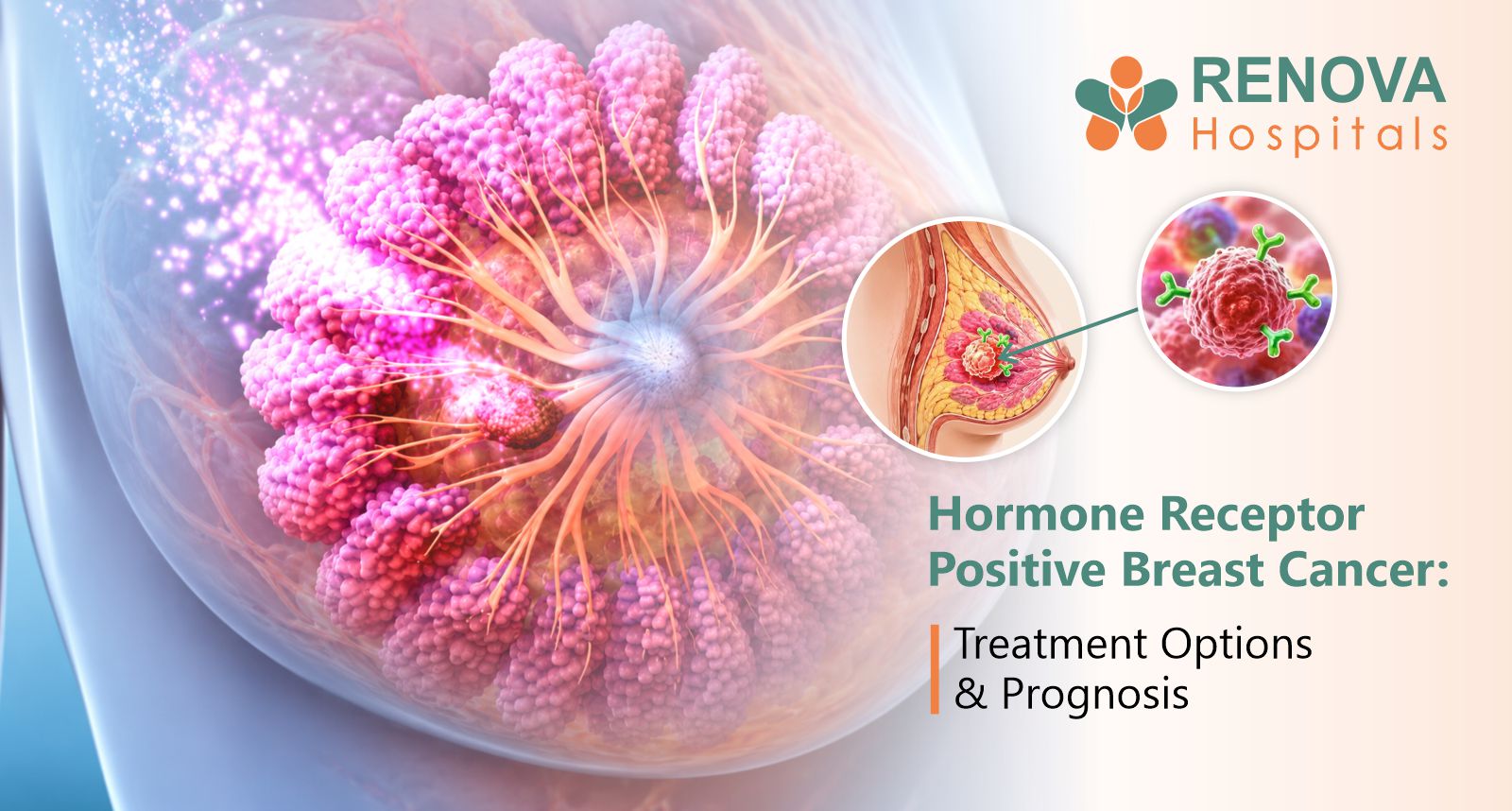
Treatment approaches for hormone receptor positive breast cancer
Medical Oncology

Hormone Receptor Positive Breast Cancer: Treatment Options and Prognosis

02 November 2026 | By Dr. Jyosthna Elagandula

Learn about hormone receptor positive breast cancer, including treatment options such as hormone therapy, targeted thera...

How TrueBeam radiotherapy differs from conventional radiation therapy
Radiation Oncology

TrueBeam Radiotherapy: How It Differs From Conventional Radiation

30 October 2026 | By Dr. Nethula Gauthami

Discover how TrueBeam radiotherapy differs from conventional radiation therapy, including its precision, treatment deliv...

Comparing blood cancer and solid tumour treatment approaches
Medical Oncology

Blood Cancer vs Solid Tumour: How Diagnosis and Treatment Differ

28 October 2026 | By Dr. Goli Vasu Babu

Understand how blood cancers and solid tumours differ in diagnosis, medical evaluation, and treatment approaches, includ...

Understanding HIPEC surgery for peritoneal cancer treatment
Surgical Oncology

HIPEC Surgery: What Patients With Peritoneal Cancer Need to Know

26 October 2026 | By Dr. Srinivas Juluri

Learn about HIPEC surgery for peritoneal cancer, including how the procedure works, its potential benefits, eligibility...

Frequently Asked Questions

Find quick answers to common questions about our services, doctors, and care at Renova Hospitals. So you can feel informed and confident at every step.

Which hospital in Hyderabad offers the best brain tumour surgery?

Where can I book a consultation for brain tumour surgery in Hyderabad?

How much does brain tumour surgery cost?

How long does recovery from brain tumour surgery take?

What side effects are common after brain tumour surgery?

When can I drive again after brain tumour surgery?

Will I need radiotherapy or chemotherapy after brain tumour surgery?

Call Us Request a
Callback
WhatsApp


Corporate Office

Plot No. 270/A, Padmaja Tower, 2nd Floor, MLA Colony, Road No. 12, Banjara Hills, Hyderabad - 500034

Phone: 040 2333 3333