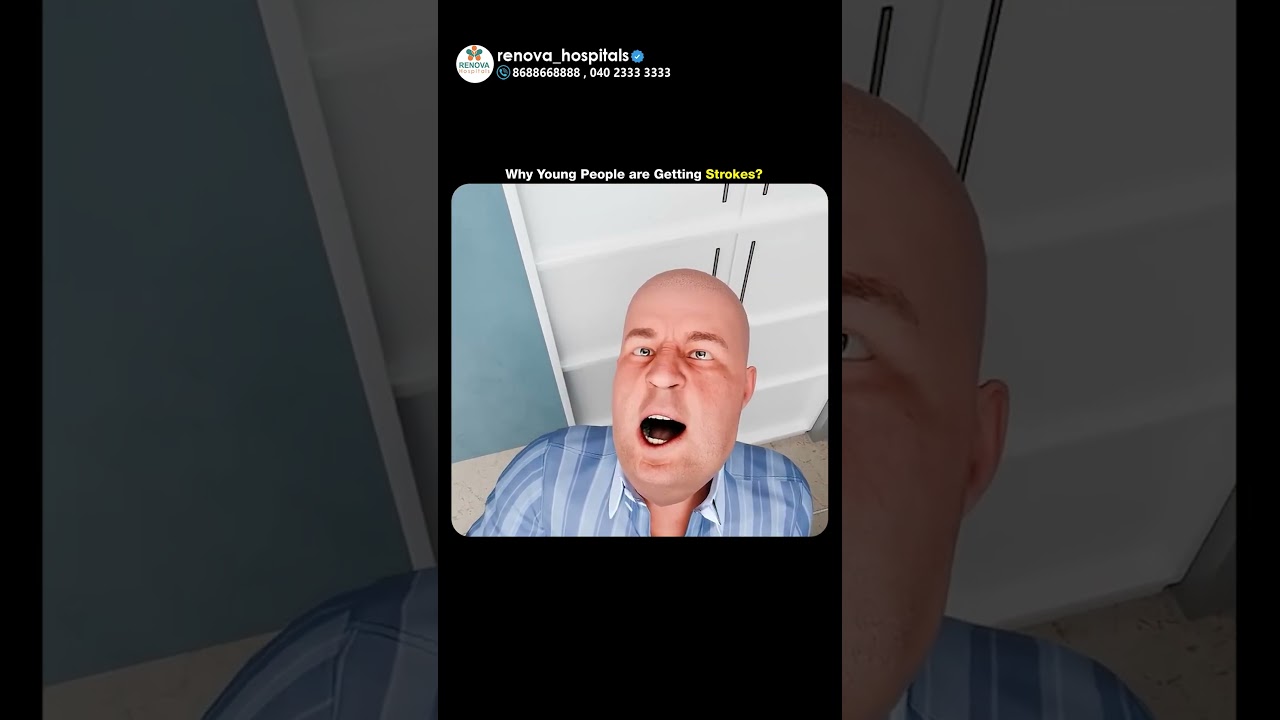
A stroke or brain bleed is a medical emergency where every minute of delay costs brain function. Recognising the warning signs — sudden weakness, slurred speech, facial droop — and acting immediately can save a life. Here's how to spot a stroke fast, what to do, and how emergency treatment and rehabilitation aid recovery.
Key Takeaways
- Stroke and brain bleeds are medical emergencies that require immediate treatment.
- Recognising the BE FAST warning signs can help save lives and reduce the risk of permanent disability.
- CT and MRI scans help doctors quickly identify the type of stroke and choose the appropriate treatment.
- Modern therapies such as tPA, mechanical thrombectomy, and advanced neurosurgical procedures have significantly improved outcomes.
- Rehabilitation, healthy lifestyle choices, and regular follow-up care are essential for long-term recovery and preventing future strokes.
What Is a Stroke?
A stroke occurs when blood supply to a part of the brain is interrupted, depriving brain cells of oxygen and nutrients. Without oxygen, brain cells begin to die within minutes, making stroke one of the leading causes of disability and death worldwide. Immediate medical treatment is essential to minimise brain damage and improve recovery.
Doctors often use the phrase "Time is Brain" because every minute counts during a stroke. Research published in
The Lancet Neurology estimates that nearly 1.9 million neurons may be lost every minute during an untreated ischemic stroke.
Depending on which area of the brain is affected, a stroke may impact:
- Speech and communication
- Movement of the face, arms, or legs
- Memory and thinking
- Vision
- Balance and coordination
- Swallowing
The
World Stroke Organization states that stroke is one of the leading causes of death and long-term disability globally, yet many strokes can be prevented or successfully treated with early intervention.
What Is a Brain Bleed?
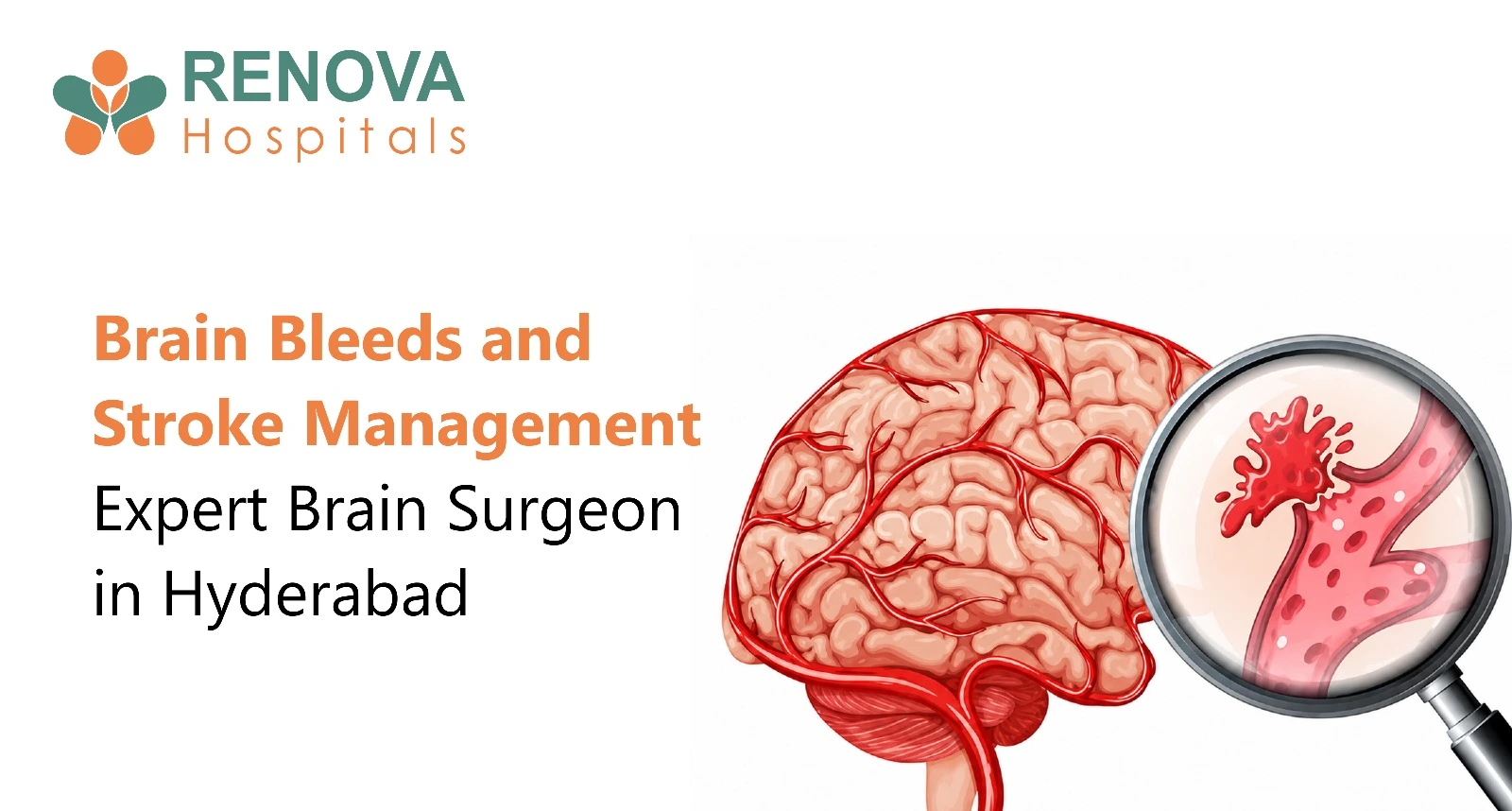
A brain bleed, also known as an intracranial haemorrhage, occurs when a blood vessel ruptures and blood leaks into or around the brain. The bleeding increases pressure inside the skull, damages brain tissue, and disrupts normal brain function.
Unlike ischemic strokes, which are caused by blocked blood vessels, brain bleeds result from active bleeding inside the skull.
Since the skull cannot expand, even a small amount of bleeding can increase intracranial pressure. This pressure compresses healthy brain tissue and interferes with the delivery of oxygen and nutrients.
Brain bleeds may develop because of:
- Uncontrolled high blood pressure
- Brain aneurysms
- Head injuries
- Blood vessel abnormalities
- Certain blood-thinning medications
Common symptoms include severe headache, vomiting, confusion, seizures, weakness on one side of the body, and loss of consciousness. Because these symptoms can resemble an ischemic stroke, immediate brain imaging is essential before treatment begins.
Brain Bleed vs Stroke: What Is the Difference?
A stroke is a general term used to describe reduced blood flow to the brain. It can occur either because an artery is blocked (ischemic stroke) or because a blood vessel ruptures (hemorrhagic stroke or brain bleed). Although the symptoms are often similar, the treatments are completely different.
Nearly 87% of all strokes are ischemic, according to the
American Stroke Association. These strokes are caused by blood clots that block blood flow to the brain.
A hemorrhagic stroke, on the other hand, occurs when a weakened blood vessel bursts and bleeds into the brain. In these cases, clot-dissolving medications cannot be used because they may worsen the bleeding.
This is why doctors perform an emergency CT scan before deciding on treatment.
What Are the Different Types of Stroke?
There are several types of stroke, and identifying the exact type is essential because treatment varies depending on the underlying cause.
Ischemic Stroke
This is the most common type of stroke and occurs when a blood clot blocks an artery supplying the brain.
It may result from:
- Fatty plaque build-up (atherosclerosis)
- Blood clots travelling from the heart
- Carotid artery disease
- Atrial fibrillation
Patients who reach the hospital quickly may benefit from clot-dissolving medication or mechanical thrombectomy.
Hemorrhagic Stroke
A hemorrhagic stroke develops when a blood vessel ruptures inside the brain.
Common causes include:
- High blood pressure
- Brain aneurysms
- Arteriovenous malformations (AVMs)
- Head trauma
- Blood-thinning medications
Treatment focuses on controlling bleeding, relieving pressure inside the skull, and preventing further damage.
Transient Ischemic Attack (TIA)
A Transient Ischemic Attack, often called a mini-stroke, is caused by a temporary interruption of blood flow to the brain.
Although symptoms usually disappear within minutes or hours, they should never be ignored.
What Are the Warning Signs of Stroke and Brain Bleeds?
Stroke symptoms appear suddenly and require immediate emergency care. Recognising these warning signs early can significantly improve the chances of recovery.
Doctors recommend remembering the BE FAST warning signs.
B – Balance
Sudden dizziness, loss of balance, or difficulty walking.
E – Eyes
Blurred vision, double vision, or sudden vision loss.
F – Face
One side of the face droops or appears uneven when smiling.
A – Arms
Weakness or numbness in one arm or leg.
S – Speech
Slurred speech, confusion, or difficulty understanding words.
T – Time
If any of these symptoms occur, seek emergency medical care immediately.
Additional symptoms of a brain bleed may include:
- Sudden severe headache
- Persistent vomiting
- Seizures
- Neck stiffness
- Loss of consciousness
What Causes Stroke and Brain Bleeds?
Several medical conditions and lifestyle factors increase the risk of both ischemic stroke and brain bleeds. While some risk factors cannot be changed, many can be controlled through healthy lifestyle choices and regular medical care.
The leading cause of hemorrhagic stroke is
uncontrolled high blood pressure, which weakens blood vessel walls over time. According to the
World Health Organization, hypertension remains one of the most important preventable causes of stroke worldwide.
For ischemic stroke, the most common causes include narrowing of the arteries due to cholesterol build-up, heart rhythm disorders such as atrial fibrillation, and blood clots that travel to the brain.
Other risk factors include:
- Smoking and tobacco use
- Diabetes
- High cholesterol
- Obesity
- Physical inactivity
- Excessive alcohol consumption
- Family history of stroke
- Brain aneurysms
- Certain blood clotting disorders
The good news is that controlling blood pressure,
blood sugar, cholesterol, and maintaining a healthy lifestyle can significantly reduce stroke risk.
How Are Brain Bleeds and Strokes Diagnosed?
Rapid diagnosis is essential because treatment depends on whether the stroke is caused by a blocked artery or bleeding. Doctors use brain imaging, blood tests, and heart evaluations to make an accurate diagnosis.
The first investigation performed in most emergency cases is a CT scan, which quickly identifies brain bleeding, swelling, or major strokes. An MRI may be recommended for more detailed images, especially in smaller or early strokes.
Depending on the patient's condition, additional tests may include:
- CT or MR Angiography to examine blood vessels
- Carotid Doppler Ultrasound to assess blood flow in the neck arteries
- Blood tests to evaluate cholesterol, clotting, and blood sugar
- ECG and Echocardiography to identify heart conditions that may have caused the stroke
These investigations help doctors choose the safest and most effective treatment while reducing the risk of complications.
How Are Brain Bleeds and Strokes Treated?
Treatment depends on the type of stroke. Ischemic strokes are treated by restoring blood flow to the brain, while brain bleeds require controlling the bleeding, reducing pressure inside the skull, and preventing further damage. Early treatment significantly improves survival and long-term recovery.
Emergency Treatment for Ischemic Stroke
For an ischemic stroke, the priority is to reopen the blocked blood vessel as quickly as possible.
Clot-Dissolving Medication (tPA)
One of the most effective treatments is tissue Plasminogen Activator (tPA), a medication that dissolves blood clots and restores blood flow to the brain.
Doctors carefully review CT scans and blood tests before administering tPA because it should never be used in patients with a brain bleed.
Patients treated within the recommended time window often experience:
- Better recovery of movement
- Improved speech
- Lower risk of permanent disability
- Greater independence after rehabilitation
Mechanical Thrombectomy
Some patients with large-artery blockages may benefit from mechanical thrombectomy, an advanced, minimally invasive procedure that physically removes the clot.
Using a thin catheter inserted through an artery in the groin or wrist, the specialist guides tiny instruments to the blocked artery inside the brain and removes the clot.
Mechanical thrombectomy may be recommended for selected patients even beyond the standard treatment window if advanced imaging shows that healthy brain tissue can still be saved.
How Are Brain Bleeds Treated?
Brain bleed treatment focuses on stopping the bleeding, reducing intracranial pressure, protecting healthy brain tissue, and treating the underlying cause. Depending on the severity, treatment may involve medication, intensive care, or neurosurgery.
Unlike ischemic strokes, brain bleeds cannot be treated with clot-dissolving medications.
Instead, doctors focus on:
- Stabilising the patient
- Controlling blood pressure
- Preventing further bleeding
- Reducing brain swelling
- Monitoring neurological function
- Performing surgery when necessary
The treatment approach depends on the location and extent of the bleed, as well as the patient's neurological condition.
Surgical Treatment
When bleeding causes significant pressure inside the brain, surgery may be required.
Common neurosurgical procedures include:
- Craniotomy to remove blood clots and relieve pressure
- Aneurysm clipping to permanently close a ruptured aneurysm
- Endovascular coiling, a minimally invasive procedure used to seal aneurysms from within the blood vessel
- External Ventricular Drain (EVD) to relieve pressure caused by excess cerebrospinal fluid in selected patients
Not every patient requires surgery. Some smaller brain bleeds can be managed with medication and careful monitoring in a neurological intensive care unit.
How Long Does Recovery Take After a Stroke?
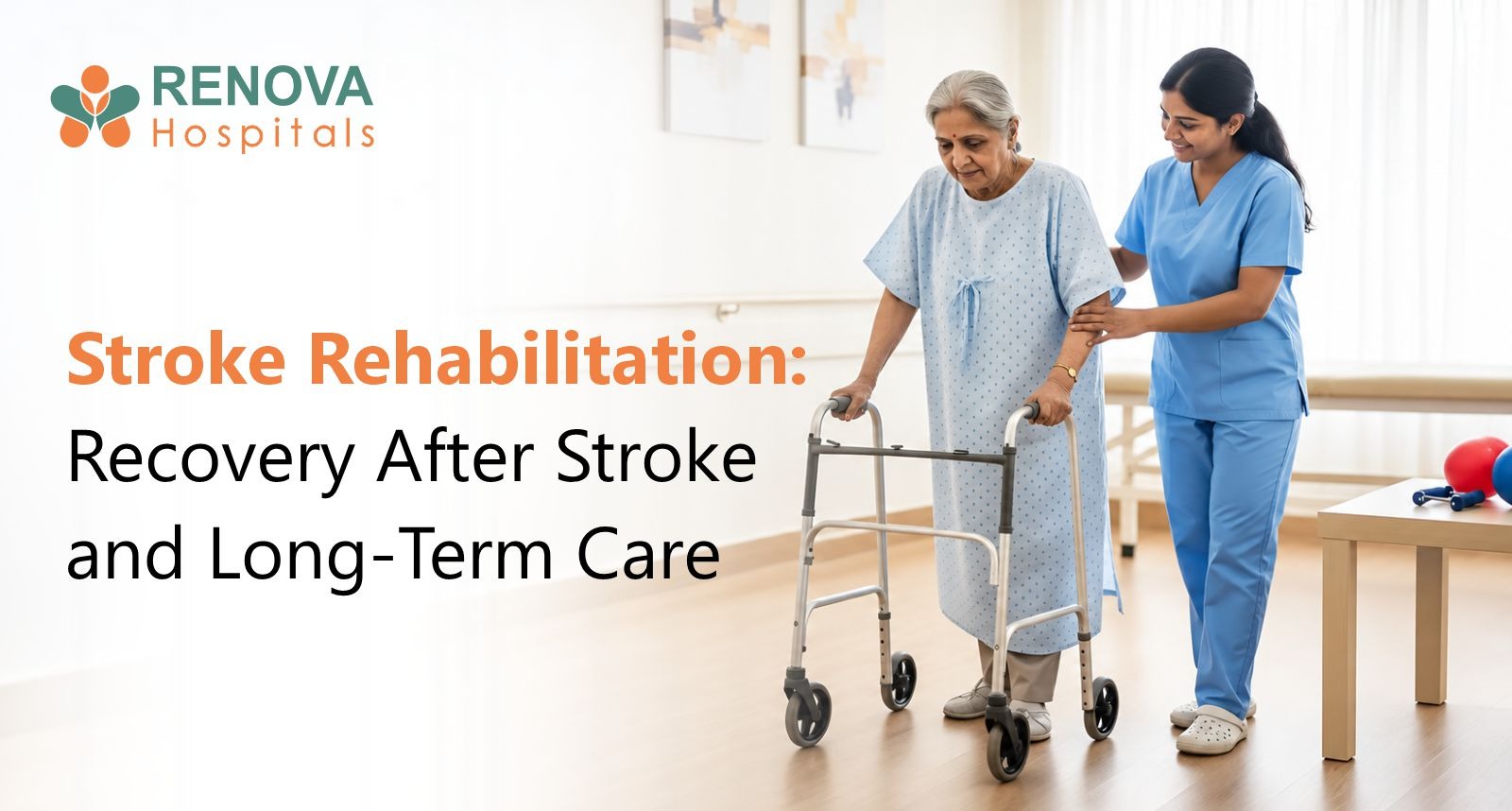
Recovery after a stroke varies depending on the severity of brain injury, how quickly treatment was received, and the patient's overall health. While some people recover within weeks, others may require several months of rehabilitation.
Recovery often follows a gradual timeline:
- First 24 hours: Medical stabilisation and close monitoring.
- First week: Early rehabilitation begins if the patient is medically stable.
- First month: Improvements in strength, speech, and mobility become more noticeable.
- Three to six months: Significant recovery often occurs as the brain adapts through neuroplasticity, the process by which healthy brain cells form new connections to compensate for damaged areas.
- Beyond one year: Continued therapy, exercise, and healthy habits can still lead to meaningful improvements in function and quality of life.
Every patient's recovery journey is different, and consistent rehabilitation remains one of the most important factors influencing long-term outcomes.
Can Stroke Be Prevented?
Many strokes can be prevented by managing risk factors such as high blood pressure, diabetes, cholesterol, smoking, obesity, and physical inactivity. Regular health check-ups and healthy lifestyle choices significantly reduce the risk.
Stroke prevention begins with controlling the conditions that damage blood vessels over time.
Simple preventive measures include:
- Monitor and control blood pressure.
- Manage diabetes and cholesterol.
- Quit smoking and avoid tobacco products.
- Exercise regularly.
- Eat a heart-healthy diet rich in fruits, vegetables, whole grains, and lean proteins.
- Maintain a healthy weight.
- Limit alcohol consumption.
- Take prescribed medications consistently.
- Attend regular follow-up appointments.
According to the
World Stroke Organization, addressing these modifiable risk factors could prevent a substantial proportion of strokes worldwide.
Why Choose Renova Hospitals for Stroke and Brain Bleed Care?
A stroke or brain bleed requires immediate diagnosis, expert decision-making, and coordinated care. At Renova Hospitals, patients benefit from a multidisciplinary team of neurologists, neurosurgeons, emergency physicians, radiologists, critical care specialists, and rehabilitation experts working together to deliver comprehensive stroke care.
From rapid diagnosis using advanced imaging to emergency treatment, neurosurgical interventions, intensive care, and structured rehabilitation, every stage of treatment is designed to maximise recovery while minimising complications. Our patient-centred approach ensures that every individual receives personalised care tailored to their medical condition and long-term recovery goals.