Renova Hospitals Logo
Home Blogs HIPEC Surgery: What Patients With Peritoneal Cancer Need to Know
Understanding HIPEC surgery for peritoneal cancer treatment

By Dr. Srinivas Juluri

October 26, 2026

HIPEC Surgery: What Patients With Peritoneal Cancer Need to Know

When cancer spreads to the peritoneum, the thin lining covering the organs within the abdomen, treatment becomes more complex, since this type of spread does not always respond well to standard chemotherapy given through the bloodstream alone. HIPEC surgery, short for Hyperthermic Intraperitoneal Chemotherapy, is a specialised approach developed specifically for this situation, combining extensive surgery with heated chemotherapy delivered directly into the abdominal cavity. Understanding what HIPEC involves, who it may help, and what recovery looks like can help patients and families better understand this complex but potentially valuable treatment option. This guide, reviewed by Renova's surgical oncology team, explains HIPEC in clear, practical terms.

Key Takeaways

  • HIPEC combines cytoreductive surgery with heated chemotherapy delivered directly into the abdominal cavity.
  • It is used for cancer that has spread to the peritoneum, such as from colorectal, ovarian, appendiceal, or primary peritoneal cancer.
  • The heated chemotherapy aims to destroy microscopic cancer cells remaining after surgical tumour removal.
  • HIPEC is a major, lengthy operation requiring specialised surgical expertise and a structured recovery period.
  • Not every patient with peritoneal spread is suitable for HIPEC; careful patient selection is essential.
  • Recovery typically involves one to two weeks in hospital and several weeks of further recovery at home.
  • Outcomes depend heavily on how completely the visible tumour can be surgically removed.
  • HIPEC is performed by specialised surgical oncology teams with specific experience in the procedure.

What Is Peritoneal Cancer?


Peritoneal cancer, or peritoneal carcinomatosis, refers to the spread of cancer to the peritoneum, the thin membrane lining the abdominal cavity and covering the abdominal organs.

This can occur in two main ways:

  • As a spread (metastasis) from another cancer, most commonly colorectal, ovarian, gastric, or appendiceal cancer
  • As a primary peritoneal cancer, a less common cancer that originates in the peritoneum itself, closely related to ovarian cancer

Because the peritoneum covers a large surface area within the abdomen, this type of spread can be widespread and is often more difficult to treat with standard chemotherapy alone.

What Is HIPEC Surgery?


HIPEC stands for Hyperthermic Intraperitoneal Chemotherapy. It is a two-part treatment performed during a single operation.

Part 1: Cytoreductive Surgery (CRS)

  • The surgeon removes all visible tumour deposits from the abdominal cavity
  • This may involve removing portions of affected organs or peritoneal lining where tumour has spread
  • The goal is to achieve what is called complete or near-complete cytoreduction, leaving no, or minimal, visible tumour behind

Part 2: Heated Intraperitoneal Chemotherapy

  • Immediately after surgical tumour removal, heated chemotherapy solution is circulated throughout the abdominal cavity
  • The chemotherapy is typically heated to around 41 to 43 degrees Celsius, which is thought to enhance its effectiveness against cancer cells
  • This is usually circulated for 60 to 90 minutes before being drained
  • The heat and direct contact allow higher concentrations of chemotherapy to reach the area than would be safe if given through the bloodstream

The combination aims to remove visible disease surgically and then target remaining microscopic cancer cells directly within the abdominal cavity, in a single coordinated procedure.

Who Is a Candidate for HIPEC?


HIPEC is not suitable for every patient with peritoneal cancer. Careful selection is essential to its potential success.

Generally, HIPEC may be considered for patients who:

  • Have peritoneal spread from certain cancers, including colorectal, appendiceal, ovarian, gastric, or primary peritoneal cancer
  • Have disease that is assessed, usually through imaging and sometimes diagnostic surgery, as being amenable to complete or near-complete surgical removal
  • Do not have extensive spread to other organs outside the abdominal cavity, such as the liver or lungs, in most cases
  • Are in sufficiently good overall health to tolerate a major, lengthy operation

Is HIPEC Suitable for All Types of Peritoneal Cancer?


No. Suitability depends heavily on the specific cancer type, the extent of peritoneal involvement, and whether complete surgical removal is realistically achievable.

A detailed evaluation, including imaging and often a surgical assessment of the extent of disease, is needed to determine whether HIPEC is an appropriate option for a specific patient. Your surgical oncology team will assess this on a case-by-case basis.

How Long Does HIPEC Surgery Take?


HIPEC is a major, lengthy operation. The combined cytoreductive surgery and heated chemotherapy procedure can take anywhere from six to twelve hours or more, depending on the extent of disease and how much surgery is needed to remove it.

This length reflects the thoroughness required for cytoreductive surgery, which may involve multiple organs and extensive peritoneal tissue, followed by the chemotherapy perfusion itself.

What Does Recovery From HIPEC Look Like?


Given the scale of the operation, recovery from HIPEC is more involved than for many other surgeries.

In the Hospital

  • Initial recovery in an intensive care or high-dependency unit for close monitoring, typically for a few days
  • Hospital stay is generally one to two weeks, depending on individual recovery and any complications
  • Gradual reintroduction of oral intake and mobility, guided by the surgical team
  • Pain management and monitoring for complications are a key focus in this early period

At Home

  • Continued recovery over several weeks to a few months, with energy and appetite improving gradually
  • Follow-up appointments to monitor healing and check for any complications
  • Gradual return to normal activities, as advised by the surgical team
  • Ongoing oncology follow-up, including imaging, to monitor for disease recurrence

What Are the Risks of HIPEC Surgery?


As with any major surgery, HIPEC carries real risks, which should be discussed in detail with your surgical team before proceeding.

  • Risks associated with major abdominal surgery, including bleeding, infection, and complications related to anaesthesia
  • Risks related to the heated chemotherapy, including effects on kidney function and wound healing
  • A longer recovery period compared with many other surgical procedures
  • The possibility that, despite extensive surgery, some disease may remain or recur over time

Your surgical oncologist will weigh these risks against the potential benefits for your specific situation before recommending HIPEC.

What Is the Outlook After HIPEC?


Outcomes after HIPEC vary considerably depending on the type of cancer, how completely the tumour could be surgically removed, and individual patient factors.

In appropriately selected patients, particularly where complete or near-complete cytoreduction is achieved, HIPEC has been associated with improved outcomes compared with standard treatment alone for certain peritoneal cancers. However, results vary by cancer type and individual case, and your surgical oncology team can provide outcome information most relevant to your specific diagnosis.

Medical Review


HIPEC combines extensive surgical removal of visible tumour with heated chemotherapy delivered directly into the abdominal cavity, offering a specialised treatment option for appropriately selected patients with peritoneal cancer. It is a major, lengthy operation requiring specific surgical expertise, careful patient selection, and a structured, extended recovery period.

For patients whose disease is assessed as suitable for complete or near-complete surgical removal, HIPEC can offer meaningful treatment benefit, and a thorough evaluation by an experienced surgical oncology team is essential to determine suitability.

Consult the Surgical Oncology Team at Renova Hospitals


If you or a family member has been diagnosed with peritoneal cancer or peritoneal spread from another cancer, our surgical oncology team can help assess whether HIPEC may be an appropriate treatment option.

At Renova Hospitals, our Surgical Oncology team provides specialised evaluation and treatment for peritoneal cancer, including cytoreductive surgery and HIPEC for appropriately selected patients. Dr. Srinivas Juluri, Chief Consultant Surgical Oncology and HIPEC Surgeon at Renova Century Hospital, and the wider surgical oncology team can help assess your specific case and explain whether this approach may be suitable for you.

Request a consultation or call 040 2333 3333.

Questions to Ask Your Surgical Oncology Team


  • Is my specific cancer and extent of peritoneal spread suitable for HIPEC?
  • What is the likelihood of achieving complete or near-complete cytoreduction in my case?
  • What does the recovery process typically look like for a patient in my situation?
  • What are the specific risks and potential benefits for me?

Clear answers to these questions can help you make a well-informed decision about treatment.

The Bottom Line


HIPEC combines extensive surgical tumour removal with heated chemotherapy delivered directly into the abdominal cavity, offering a specialised treatment approach for appropriately selected patients with peritoneal cancer. It is a major operation requiring careful patient selection, specific surgical expertise, and a structured, extended recovery, but it can offer meaningful benefit when complete or near-complete tumour removal is achievable.

At Renova Hospitals, our surgical oncology team evaluates each case individually to determine whether HIPEC is an appropriate option, and provides the specialised surgical expertise this complex procedure requires.

Medical References


Medically Reviewed & Approved By:


Dr. Srinivas Juluri
MBBS, MS (AIIMS), MRCS (Edinburgh, UK), M.Ch (Surgical Oncology, TMH)
Chief Consultant Surgical Oncology, Robotic and HIPEC Surgeon, Renova Century Hospital, Banjara Hills, Hyderabad

This article has been reviewed and approved by a qualified medical professional to ensure medical accuracy and adherence to current clinical standards.

Want to connect with a specialist?

Book your appointment now

Our Panel of Doctors

Our healthcare specialists are equipped with the knowledge and skills to provide you with the support you require. From consultation to diagnosis to treatments, our experts are dedicated to helping you.

Dr. Srinivas Juluri - Best doctor at Renova Hospitals

Dr. Srinivas Juluri

Surgical Oncology, Robotic Surgery

22 years Experience

Telugu, English, Hindi

Renova Century Hospital - Banjara Hills

MBBS, MS (AIIMS), MRCS (Edinburgh, UK) M.Ch (Surgi...

Recent Blogs

Our healthcare specialists are equipped with the knowledge and skills to provide you with the support you require. From consultation to diagnosis to treatments, our experts are dedicated to helping you.

Comparing angioplasty and bypass surgery for blocked heart arteries
Cardiology

Coronary Angioplasty vs Bypass Surgery: How Doctors Decide

09 November 2026 | By Dr. Nirmal Kumar

Understand the differences between coronary angioplasty and bypass surgery, including how doctors assess blocked arterie...

Who is a candidate for spinal cord stimulation for chronic pain?
Neurosurgery

Spinal Cord Stimulation for Chronic Pain: Who Is a Candidate?

06 November 2026 | By Dr. Syed Ameer Basha Paspala

Learn how spinal cord stimulation helps manage certain types of chronic pain, who may be eligible for this treatment, an...

Brain tumour surgery recovery timeline and post-operative care
Neurosurgery

Brain Tumour Surgery Recovery: What to Expect Week by Week

04 November 2026 | By Dr. Vishnu Vardhan

Understand the week-by-week recovery process after brain tumour surgery, including healing milestones, common post-opera...

Treatment approaches for hormone receptor positive breast cancer
Medical Oncology

Hormone Receptor Positive Breast Cancer: Treatment Options and Prognosis

02 November 2026 | By Dr. Jyosthna Elagandula

Learn about hormone receptor positive breast cancer, including treatment options such as hormone therapy, targeted thera...

How TrueBeam radiotherapy differs from conventional radiation therapy
Radiation Oncology

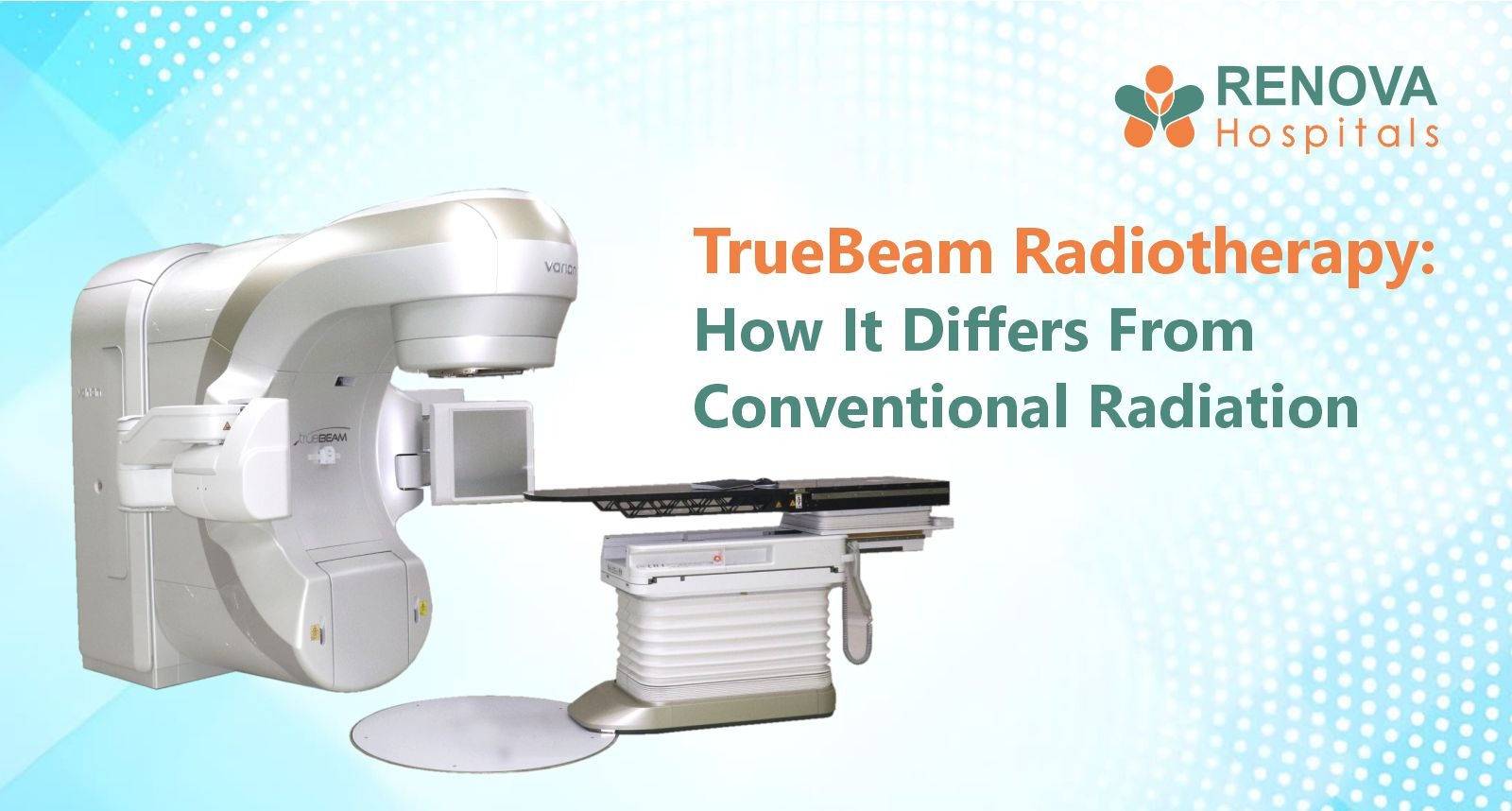
TrueBeam Radiotherapy: How It Differs From Conventional Radiation

30 October 2026 | By Dr. Nethula Gauthami

Discover how TrueBeam radiotherapy differs from conventional radiation therapy, including its precision, treatment deliv...

Comparing blood cancer and solid tumour treatment approaches
Medical Oncology

Blood Cancer vs Solid Tumour: How Diagnosis and Treatment Differ

28 October 2026 | By Dr. Goli Vasu Babu

Understand how blood cancers and solid tumours differ in diagnosis, medical evaluation, and treatment approaches, includ...

Frequently Asked Questions

Find quick answers to common questions about our services, doctors, and care at Renova Hospitals. So you can feel informed and confident at every step.

Which hospital in Hyderabad offers HIPEC surgery?

Where can I book a consultation for peritoneal cancer treatment in Hyderabad?

How much does HIPEC surgery cost?

What is the survival rate after HIPEC surgery?

Who is a candidate for HIPEC surgery?

How long does it take to recover from HIPEC surgery?

What is the difference between HIPEC and standard chemotherapy?

Call Us Request a
Callback
WhatsApp


Corporate Office

Plot No. 270/A, Padmaja Tower, 2nd Floor, MLA Colony, Road No. 12, Banjara Hills, Hyderabad - 500034

Phone: 040 2333 3333