Renova Hospitals Logo
Home Blogs Stroke Rehabilitation: Recovery After Stroke and Long-Term Care
Long-term care and rehabilitation after stroke

By Dr. Lalitha Pidaparthi

October 09, 2026

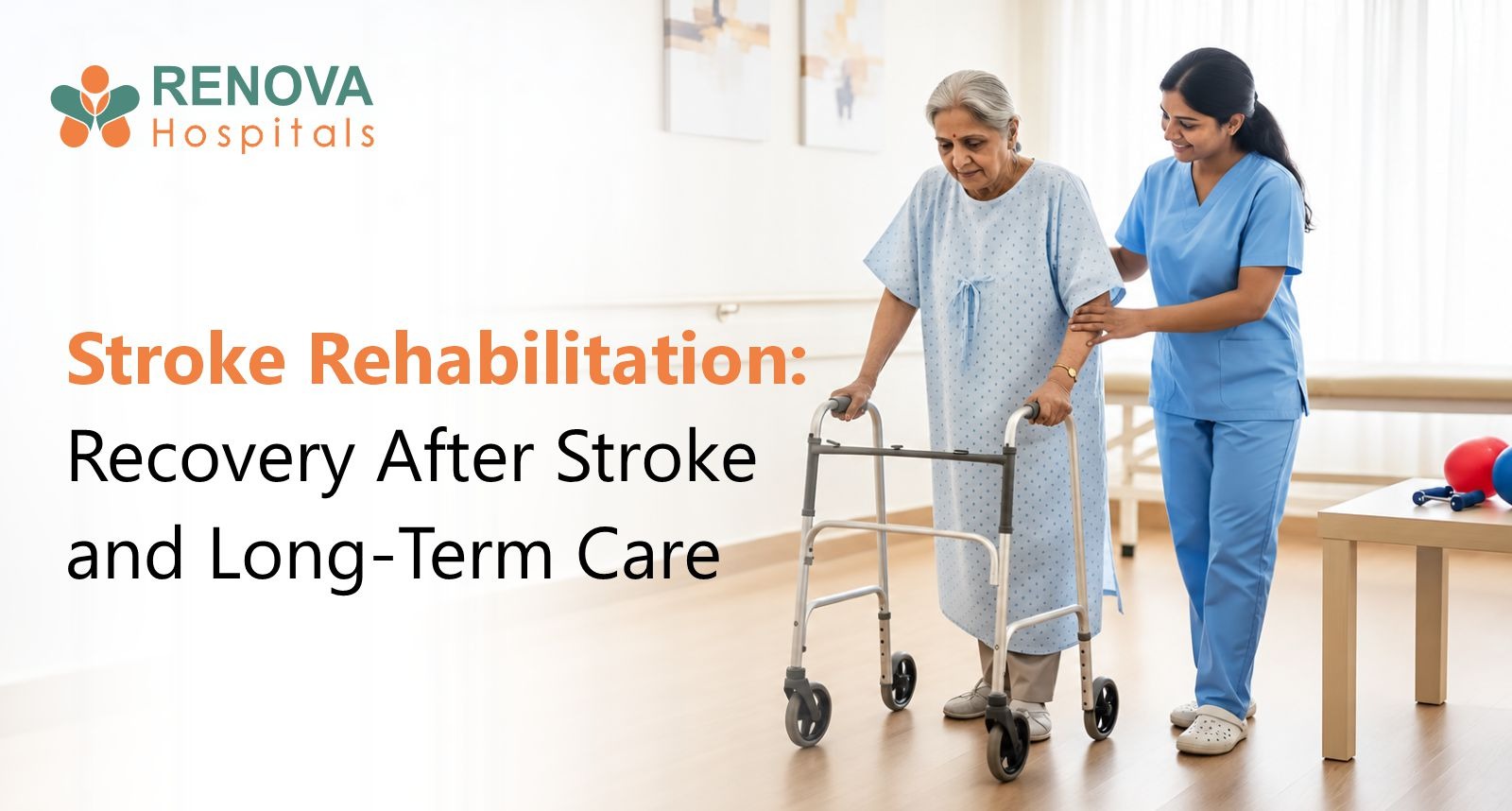
Stroke Rehabilitation: Recovery After Stroke and Long-Term Care

A stroke can affect movement, speech, memory, and daily function, depending on which part of the brain is affected. Stroke rehabilitation is the structured process of therapy and support that helps the brain and body recover as much function as possible, and helps patients adapt to changes that remain. Understanding how rehabilitation works, what a realistic recovery timeline looks like, and what long-term care options exist can help patients and families navigate this often challenging journey. This guide, reviewed by Renova's neurology team, explains stroke rehabilitation in clear, practical terms.

Key Takeaways

  • Stroke rehabilitation is a structured programme aimed at regaining function and independence after a stroke.
  • It typically begins within a day or two of the stroke, once the patient is medically stable.
  • Physiotherapy, occupational therapy, and speech and language therapy are core components.
  • The most rapid recovery generally happens in the first three to six months, though improvement can continue for longer.
  • Rehabilitation intensity and setting are tailored to the severity of the stroke and the patient's needs.
  • Family involvement and a supportive home environment significantly aid recovery.
  • Managing risk factors during rehabilitation helps reduce the chance of a further stroke.
  • A dedicated neuro-rehabilitation team improves both functional outcomes and quality of life.

What Is Stroke Rehabilitation?


Stroke rehabilitation is a coordinated programme of therapies designed to help a person recover physical, cognitive, and communication abilities affected by a stroke, and to help them adapt to any lasting changes.

Because a stroke can affect different parts of the brain, its effects vary widely between individuals, from weakness on one side of the body, to difficulties with speech or swallowing, to changes in memory, thinking, or emotional regulation. Rehabilitation is tailored to the specific effects experienced by each patient.

When Does Stroke Rehabilitation Begin?


Rehabilitation generally begins as early as safely possible after a stroke, often within a day or two, once the patient is medically stable.

  • Early, gentle mobilisation and positioning often begin in the hospital, guided by the care team
  • A more structured rehabilitation programme typically follows once the acute phase has stabilised
  • The setting, whether inpatient rehabilitation, outpatient therapy, or home-based care, depends on the severity of the stroke and the level of support needed

Early rehabilitation is generally associated with better outcomes, which is why hospitals with dedicated stroke units place strong emphasis on beginning appropriate therapy as soon as it is safe to do so.

Core Components of Stroke Rehabilitation


Stroke rehabilitation typically draws on a combination of therapies, coordinated by a multidisciplinary team.

Physiotherapy

  • Focuses on rebuilding strength, balance, coordination, and mobility
  • Helps patients relearn movements such as sitting, standing, and walking
  • Addresses spasticity (muscle stiffness) and helps prevent complications like joint contractures

Occupational Therapy

  • Helps patients relearn daily activities such as dressing, eating, and bathing
  • Focuses on fine motor skills, such as hand and arm function
  • May recommend adaptive equipment or home modifications to support independence

Speech and Language Therapy

  • Addresses difficulties with speech, language, and communication (aphasia)
  • Helps with swallowing difficulties (dysphagia), which are common after certain strokes
  • Uses structured exercises and strategies to rebuild communication ability over time

Cognitive and Psychological Support

  • Addresses memory, attention, and problem-solving difficulties that can follow a stroke
  • Provides support for emotional changes, including depression and anxiety, which are common after stroke
  • May involve neuropsychological assessment to guide a tailored cognitive rehabilitation plan

What Is a Realistic Stroke Recovery Timeline?


Recovery after stroke is highly individual, but certain broad patterns are commonly seen.

  • The first few days to weeks: focus on medical stabilisation and beginning early mobilisation
  • The first three to six months: generally the period of most rapid recovery, when intensive rehabilitation often has the greatest impact
  • Six months to a year and beyond: continued, often slower, improvement is possible, particularly with ongoing therapy and practice

It is important to understand that recovery does not follow a fixed timeline for everyone. Some patients see meaningful improvement well beyond the first year, particularly with sustained, targeted rehabilitation.

How Long Does It Take to Recover from a Stroke?


This varies considerably depending on the severity and location of the stroke, and there is no single answer that applies to everyone.

Some people recover most function within weeks, while others continue to see gradual improvement over many months or longer. Factors such as the size and location of the stroke, how quickly treatment was received, overall health, and the intensity of rehabilitation all influence the recovery timeline.

Where Does Stroke Rehabilitation Take Place?


The right rehabilitation setting depends on the severity of the stroke and the level of support a patient needs.

  • Inpatient rehabilitation: intensive, structured therapy for patients needing significant support, typically in a dedicated rehabilitation unit
  • Outpatient therapy: regular therapy sessions for patients who can live at home but still need structured rehabilitation
  • Home-based rehabilitation: therapy delivered at home, often for patients with milder effects or once inpatient care is complete

Many patients move through more than one setting over the course of their recovery, starting with more intensive support and gradually transitioning toward greater independence.

The Role of Family and Home Support


Family involvement plays a significant role in stroke recovery, both practically and emotionally.

  • Encouraging and supporting practice of skills learned in therapy sessions
  • Helping to adapt the home environment for safety and accessibility
  • Providing emotional support through what can be a frustrating and sometimes slow recovery process
  • Learning about the specific effects of the stroke to better understand and support the patient's needs

Caregivers are encouraged to seek their own support as well, since caregiving after a stroke can be demanding over an extended period.

Preventing a Further Stroke During Recovery


Stroke rehabilitation is generally paired with ongoing medical management to reduce the risk of a further stroke.

  • Managing blood pressure, cholesterol, and diabetes as advised by the medical team
  • Taking prescribed medications consistently, including blood thinners or antiplatelet medication where recommended
  • Addressing lifestyle factors such as smoking, diet, and physical activity
  • Attending regular follow-up appointments with neurology and, where relevant, cardiology

Renova's Neurology team works alongside rehabilitation specialists to manage both recovery and ongoing stroke risk together.

Emotional Wellbeing After Stroke


Stroke can bring significant emotional adjustment, both for patients and families, and this is a normal and important part of the recovery process.

Depression, anxiety, frustration, and grief for lost abilities are common after stroke. These feelings deserve attention alongside physical recovery, and psychological support, counselling, or, where appropriate, medication can make a meaningful difference to overall recovery and quality of life.

Medical Review


Stroke rehabilitation is a structured, multidisciplinary process that helps patients regain as much function and independence as possible after a stroke, while adapting to any lasting changes. Physiotherapy, occupational therapy, speech and language therapy, and cognitive and psychological support each address different aspects of recovery.

While the most rapid recovery generally occurs in the first three to six months, meaningful improvement is possible well beyond this period with sustained, appropriately targeted rehabilitation and strong family support.

Consult the Neurology Team at Renova Hospitals


If you or a family member is recovering from a stroke and would benefit from structured rehabilitation, our neurology and rehabilitation teams can help plan the right approach.

At Renova Hospitals, our Neurology team provides comprehensive stroke care, from acute treatment through structured rehabilitation planning, supported by physiotherapy services. Dr. Lalitha Pidaparthi, Senior Consultant Neurologist at Renova Century Hospital with specific expertise in acute stroke care, thrombolysis, and secondary stroke prevention, and the wider neurology team can guide your rehabilitation journey.

Request a consultation or call 040 2333 3333.

Questions to Ask Your Neurology and Rehabilitation Team


It can help to ask your care team directly:

  • Which therapies are recommended for my specific stroke effects?
  • What rehabilitation setting is most appropriate at this stage of recovery?
  • What can I realistically expect over the next few months?
  • What steps are being taken to reduce the risk of a further stroke?

Clear answers to these questions can help you and your family plan for the recovery journey ahead.

The Bottom Line


Stroke rehabilitation combines physiotherapy, occupational therapy, speech and language therapy, and cognitive and psychological support to help patients regain function and independence after a stroke. Recovery is most rapid in the first three to six months but can continue well beyond that with sustained, appropriately targeted therapy.

At Renova Hospitals, our neurology and rehabilitation teams support patients through every stage of stroke recovery, from acute treatment to long-term rehabilitation and stroke prevention.

Medical References


Medically Reviewed & Approved By:

Dr. Lalitha Pidaparthi

MD (Medicine), DM (Neurology)
Senior Consultant Neurologist, Renova Century Hospital, Banjara Hills, Hyderabad

This article has been reviewed and approved by a qualified medical professional to ensure medical accuracy and adherence to current clinical standards.

Want to connect with a specialist?

Book your appointment now

Recent Blogs

Our healthcare specialists are equipped with the knowledge and skills to provide you with the support you require. From consultation to diagnosis to treatments, our experts are dedicated to helping you.

When should palliative care begin for cancer patients?
Pain & Palliative Care

What Is Palliative Care in Cancer and When Should It Begin?

21 October 2026 | By Dr. P. S. Vijayender Goud

Understand what palliative care means in cancer, when it can begin, and how it helps manage symptoms, improve comfort, a...

Essential health tests for adults over 40
General Medicine

Preventive Health Checkups After 40: Tests Everyone Should Consider

19 October 2026 | By Dr. Naresh Gundapuneni

Learn about important preventive health checkups and screening tests after 40 to detect potential health risks early and...

Understanding fatty liver disease – stages and symptoms
General Medicine

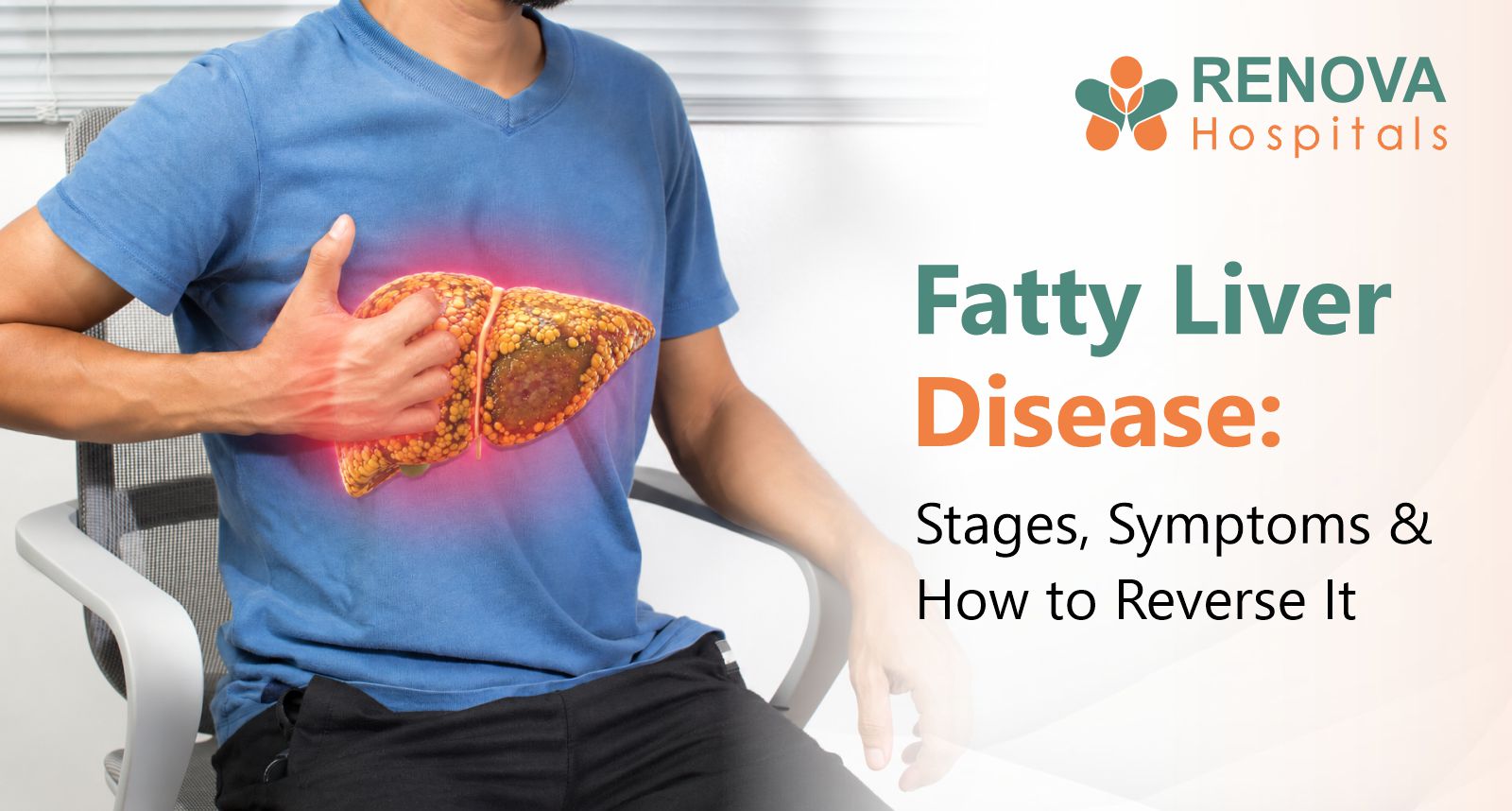
Fatty Liver Disease: Stages, Symptoms and How to Reverse It

16 October 2026 | By Dr. Dheeraj Kumar Anupa

Learn about fatty liver disease, its stages and symptoms, along with lifestyle changes and treatment approaches that can...

Advanced minimally invasive spine surgery for faster recovery
Neurosurgery

Minimally Invasive Spine Surgery: Latest Techniques for Faster Recovery

14 October 2026 | By Dr. Syed Ameer Basha Paspala

Explore the latest minimally invasive spine surgery techniques, their potential benefits, and how these advanced approac...

When is a pacemaker needed? Understanding pacemaker implantation
Cardiology

Pacemaker Implantation: When Is It Needed and How Does It Work?

12 October 2026 | By Dr. Mohammed Shoeb Ahmed

Pacemaker implantation: understand when a pacemaker is needed, the types available, how the procedure works, and what re...

Types of heart valve replacement surgery and recovery process

Valve Replacement Surgery: Types, Benefits and Recovery Process

07 October 2026 | By Dr. Hemanth Kaukuntla

Learn about heart valve replacement surgery, including different valve types, potential benefits, the procedure, recover...

Frequently Asked Questions

Find quick answers to common questions about our services, doctors, and care at Renova Hospitals. So you can feel informed and confident at every step.

Which hospital in Hyderabad offers the best stroke rehabilitation?

Where can I book a consultation for stroke rehabilitation in Hyderabad?

How much does stroke rehabilitation cost?

How long does it take to recover from a stroke?

What therapies are involved in stroke rehabilitation?

When does stroke rehabilitation begin?

Can a stroke patient fully recover?

Call Us Request a
Callback
WhatsApp


Corporate Office

Plot No. 270/A, Padmaja Tower, 2nd Floor, MLA Colony, Road No. 12, Banjara Hills, Hyderabad - 500034

Phone: 040 2333 3333