Renova Hospitals Logo
Home Blogs Sudden Cardiac Death: Causes, Warning Signs and Prevention
Causes and warning signs of sudden cardiac death

By Dr. B. K. Srinivasa Sastry

October 05, 2026

Sudden Cardiac Death: Causes, Warning Signs and Prevention

Sudden cardiac death refers to unexpected death caused by the heart suddenly stopping to pump effectively. It can occur with little or no warning, which makes it one of the more frightening aspects of heart disease, and one that is often misunderstood. Understanding what causes sudden cardiac death, how it differs from a heart attack, and what warning signs and prevention strategies exist can help people recognise risk and take timely action. This guide, reviewed by Renova's cardiology team, explains sudden cardiac death in clear, practical terms.

Key Takeaways

  • Sudden cardiac death is caused by a sudden electrical malfunction of the heart, most often ventricular fibrillation.
  • It is different from a heart attack, which is caused by a blocked artery, though the two are related.
  • Coronary artery disease is the leading underlying cause in older adults.
  • Inherited heart rhythm disorders and structural heart conditions are more common causes in younger people and athletes.
  • Warning signs can include unexplained fainting, palpitations, or chest pain, though sudden cardiac death can also occur without warning.
  • Immediate CPR and use of a defibrillator (AED) significantly improve survival chances.
  • Risk can often be identified in advance through family history, ECG, and other cardiac evaluation.
  • Prevention includes managing heart disease risk factors and, for high-risk individuals, devices such as an implantable defibrillator.

What Is Sudden Cardiac Death?


Sudden cardiac death is unexpected death occurring within a short period, typically an hour, of the onset of symptoms, caused by the heart abruptly losing its ability to pump blood effectively.

The most common immediate cause is ventricular fibrillation, a chaotic, rapid heart rhythm in which the heart's lower chambers quiver instead of pumping blood normally. Without immediate treatment, this leads to cardiac arrest, the sudden loss of heart function, breathing, and consciousness, and can be fatal within minutes.

What Is the Difference Between a Heart Attack and Cardiac Arrest?


These terms are often used interchangeably, but they describe different problems.

  • A heart attack occurs when blood flow to part of the heart muscle is blocked, usually by a clot, causing damage to that area of muscle
  • Cardiac arrest occurs when the heart's electrical system malfunctions, causing it to stop beating effectively
  • A heart attack can trigger a cardiac arrest, but cardiac arrest can also occur without a heart attack, from other causes
  • A heart attack usually presents with ongoing symptoms and the person remains conscious; cardiac arrest causes sudden collapse and loss of consciousness

Recognising this distinction matters because cardiac arrest is a medical emergency requiring immediate CPR and defibrillation, not the same initial response as a suspected heart attack.

What Causes Sudden Cardiac Death?


The underlying causes vary by age, but the immediate mechanism is almost always a dangerous heart rhythm disturbance.

Common Causes in Older Adults

  • Coronary artery disease, which is the most common underlying cause
  • Previous heart attack, which can leave scar tissue that disrupts normal electrical signalling
  • Heart failure and weakened heart muscle function
  • Significant valve disease affecting heart function

Common Causes in Younger People and Athletes

  • Hypertrophic cardiomyopathy, a condition causing abnormal thickening of the heart muscle
  • Inherited heart rhythm disorders, such as long QT syndrome and Brugada syndrome
  • Congenital heart abnormalities, including coronary artery anomalies
  • Myocarditis, inflammation of the heart muscle, often related to a viral infection

Because inherited and structural conditions are more often responsible in younger individuals, sudden cardiac death in this age group is sometimes the first sign of an underlying condition that had not previously been diagnosed.

Can Stress Cause Sudden Cardiac Arrest?


Severe physical or emotional stress can act as a trigger in people who already have an underlying vulnerability, though stress alone rarely causes cardiac arrest in an otherwise healthy heart.

Intense stress can increase heart rate, blood pressure, and strain on the cardiovascular system, which may unmask an existing rhythm problem or trigger an event in someone with significant underlying heart disease. Managing overall cardiovascular risk factors remains more directly protective than stress alone as a standalone cause.

Warning Signs That Can Precede Sudden Cardiac Death


In some cases, sudden cardiac death occurs with no warning at all. In others, certain symptoms may appear in the hours, days, or weeks beforehand and should not be ignored.

  • Unexplained fainting or near-fainting, particularly during exertion
  • Palpitations, or a sensation of a racing, fluttering, or irregular heartbeat
  • Chest pain or discomfort, especially with exertion
  • Unusual shortness of breath
  • A family history of sudden cardiac death or unexplained fainting, which raises concern for an inherited condition

Anyone experiencing unexplained fainting, especially during physical activity, or a strong family history of sudden cardiac death at a young age, should seek prompt cardiac evaluation.

Who Is at Higher Risk?


Certain factors increase the likelihood of sudden cardiac death, and identifying these in advance is central to prevention.

  • Known coronary artery disease or a previous heart attack
  • Reduced heart pumping function (low ejection fraction)
  • A diagnosed inherited heart rhythm disorder or cardiomyopathy
  • A family history of sudden cardiac death, particularly at a young age
  • Significant, uncontrolled risk factors such as high blood pressure, diabetes, or smoking

How Is Risk Identified and Assessed?


For people with known risk factors or concerning symptoms, cardiac evaluation can help identify vulnerability before an event occurs.

  • A detailed personal and family medical history
  • An electrocardiogram (ECG) to assess heart rhythm and electrical activity
  • An echocardiogram to assess heart structure and pumping function
  • Specialised electrophysiology testing in select cases, to evaluate the heart's electrical system in detail
  • Genetic testing, where an inherited condition is suspected

Renova's Cardiology team uses these evaluations to help identify patients who may benefit from closer monitoring or preventive treatment.

Prevention: Reducing the Risk of Sudden Cardiac Death


Prevention strategies depend on the underlying risk, and range from general heart-healthy habits to specific medical interventions for high-risk individuals.

General Prevention

  • Manage coronary artery disease risk factors: blood pressure, cholesterol, diabetes, and smoking
  • Attend regular check-ups, particularly if you have known heart disease
  • Seek prompt evaluation for symptoms such as unexplained fainting or palpitations
  • Share a family history of sudden cardiac death or unexplained fainting with your doctor

Targeted Prevention for High-Risk Individuals

  • An implantable cardioverter-defibrillator (ICD) may be recommended for patients at significant risk, to detect and correct dangerous rhythms automatically
  • Medications to manage underlying heart rhythm disorders or heart failure
  • Treatment of underlying coronary artery disease, including procedures to restore blood flow where needed
  • Family screening when an inherited condition is identified in one family member

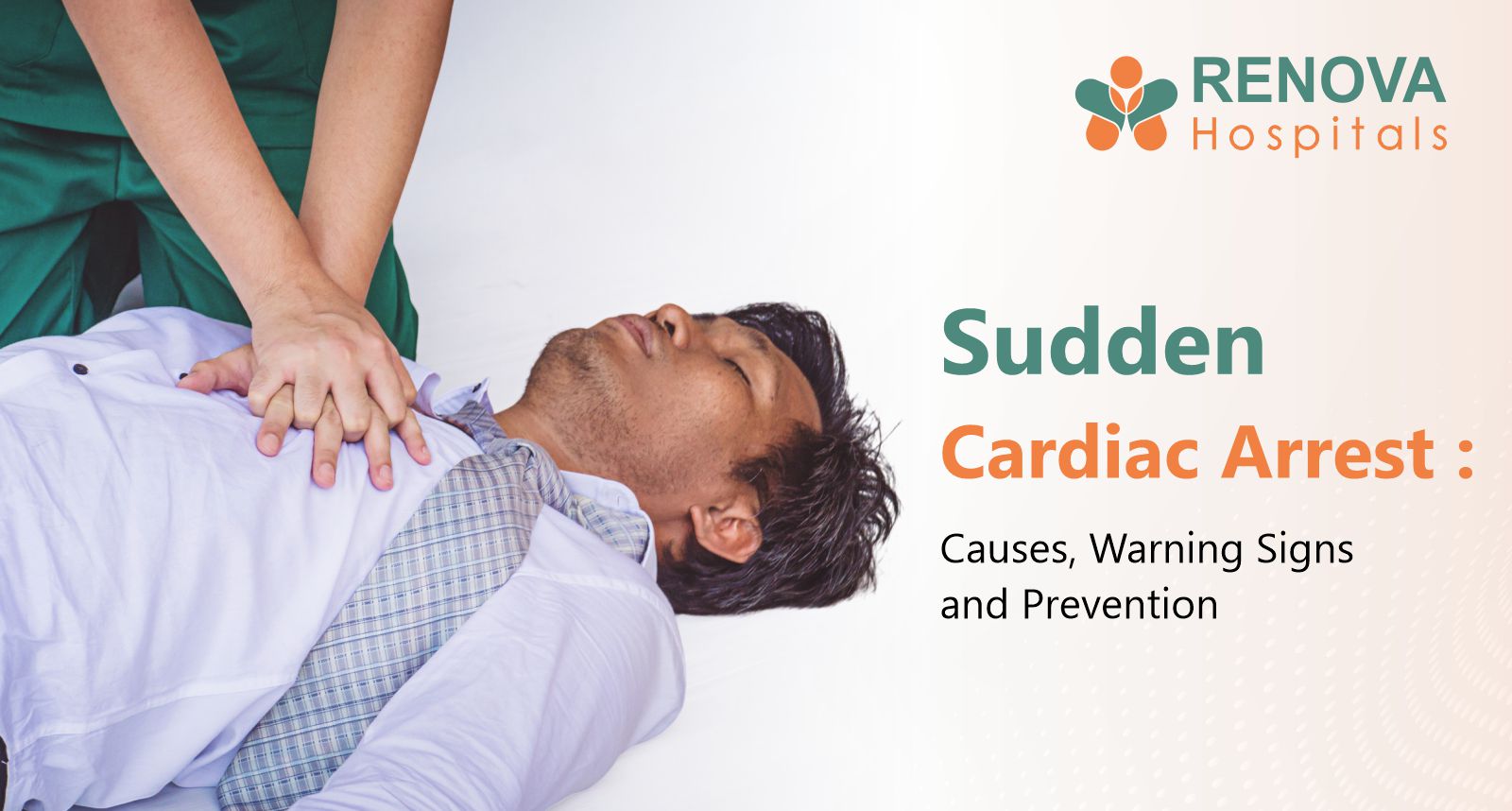
What to Do in a Suspected Cardiac Arrest


Immediate action in the first few minutes significantly affects survival.

  • Call for emergency medical help immediately
  • Begin CPR (cardiopulmonary resuscitation) right away if the person is unresponsive and not breathing normally
  • Use an automated external defibrillator (AED) as soon as one is available, following its voice instructions
  • Continue CPR until emergency responders arrive or the person shows signs of recovery

Bystander CPR and early defibrillation are among the most important factors in survival from cardiac arrest, underscoring the value of basic CPR training for the wider public.

Medical Review


Sudden cardiac death results from a sudden electrical malfunction of the heart, most often triggered by underlying coronary artery disease in older adults or inherited heart conditions in younger people. It is distinct from a heart attack, though the two are related, and immediate CPR and defibrillation remain the most critical factors in survival when cardiac arrest occurs.

For those with known risk factors, family history, or concerning symptoms such as unexplained fainting, timely cardiac evaluation can identify risk in advance and guide appropriate preventive treatment.

Consult the Cardiology Team at Renova Hospitals


If you have experienced unexplained fainting, palpitations, or have a family history of sudden cardiac death, prompt cardiac evaluation can help clarify your risk.

At Renova Hospitals, our Cardiology team provides comprehensive evaluation of heart rhythm and structural heart conditions, including ECG, echocardiography, and electrophysiology-based assessment. Dr. B. K. Srinivasa Sastry, Senior Interventional Cardiologist at Renova Century Hospital with expertise in cardiac electrophysiology and heart attack care, and the wider cardiology team can help assess your individual risk and guide appropriate next steps.

Request a consultation or call 040 2333 3333.

When to Seek Urgent Cardiac Evaluation


Contact your doctor promptly, or seek urgent care, if you experience:

  • Unexplained fainting or near-fainting, especially during physical activity
  • New or worsening palpitations
  • Chest pain or discomfort, particularly with exertion
  • A close family history of sudden cardiac death or unexplained fainting at a young age

If someone collapses and is unresponsive and not breathing normally, call for emergency help and begin CPR immediately.

The Bottom Line


Sudden cardiac death is caused by a sudden electrical malfunction of the heart, most commonly linked to coronary artery disease in older adults and inherited or structural heart conditions in younger people. It differs from a heart attack, though the two can be related, and survival depends heavily on immediate CPR and defibrillation.

At Renova Hospitals, our cardiology team helps identify individuals at higher risk through detailed evaluation, and guides appropriate prevention strategies, from lifestyle and medical management to devices such as implantable defibrillators for those who need them.

Medical References


Medically Reviewed & Approved By:

Dr. B. K. Srinivasa Sastry

MBBS, MD (Internal Medicine), DM (Cardiology)
Senior Interventional Cardiologist, Renova Century Hospital, Banjara Hills, Hyderabad

This article has been reviewed and approved by a qualified medical professional to ensure medical accuracy and adherence to current clinical standards.

Want to connect with a specialist?

Book your appointment now

Recent Blogs

Our healthcare specialists are equipped with the knowledge and skills to provide you with the support you require. From consultation to diagnosis to treatments, our experts are dedicated to helping you.

When should palliative care begin for cancer patients?
Pain & Palliative Care

What Is Palliative Care in Cancer and When Should It Begin?

21 October 2026 | By Dr. P. S. Vijayender Goud

Understand what palliative care means in cancer, when it can begin, and how it helps manage symptoms, improve comfort, a...

Essential health tests for adults over 40
General Medicine

Preventive Health Checkups After 40: Tests Everyone Should Consider

19 October 2026 | By Dr. Naresh Gundapuneni

Learn about important preventive health checkups and screening tests after 40 to detect potential health risks early and...

Understanding fatty liver disease – stages and symptoms
General Medicine

Fatty Liver Disease: Stages, Symptoms and How to Reverse It

16 October 2026 | By Dr. Dheeraj Kumar Anupa

Learn about fatty liver disease, its stages and symptoms, along with lifestyle changes and treatment approaches that can...

Advanced minimally invasive spine surgery for faster recovery
Neurosurgery

Minimally Invasive Spine Surgery: Latest Techniques for Faster Recovery

14 October 2026 | By Dr. Syed Ameer Basha Paspala

Explore the latest minimally invasive spine surgery techniques, their potential benefits, and how these advanced approac...

When is a pacemaker needed? Understanding pacemaker implantation
Cardiology

Pacemaker Implantation: When Is It Needed and How Does It Work?

12 October 2026 | By Dr. Mohammed Shoeb Ahmed

Pacemaker implantation: understand when a pacemaker is needed, the types available, how the procedure works, and what re...

Long-term care and rehabilitation after stroke

Stroke Rehabilitation: Recovery After Stroke and Long-Term Care

09 October 2026 | By Dr. Lalitha Pidaparthi

Learn about stroke rehabilitation, recovery after stroke, therapy options, long-term care, and strategies to support mob...

Frequently Asked Questions

Find quick answers to common questions about our services, doctors, and care at Renova Hospitals. So you can feel informed and confident at every step.

What should you do if someone has a cardiac arrest?

How can sudden cardiac death be prevented?

What are the warning signs of sudden cardiac death?

Can stress cause sudden cardiac arrest?

What causes sudden cardiac death in young people?

What is the difference between a heart attack and cardiac arrest?

What is sudden cardiac death?

Call Us Request a
Callback
WhatsApp


Corporate Office

Plot No. 270/A, Padmaja Tower, 2nd Floor, MLA Colony, Road No. 12, Banjara Hills, Hyderabad - 500034

Phone: 040 2333 3333