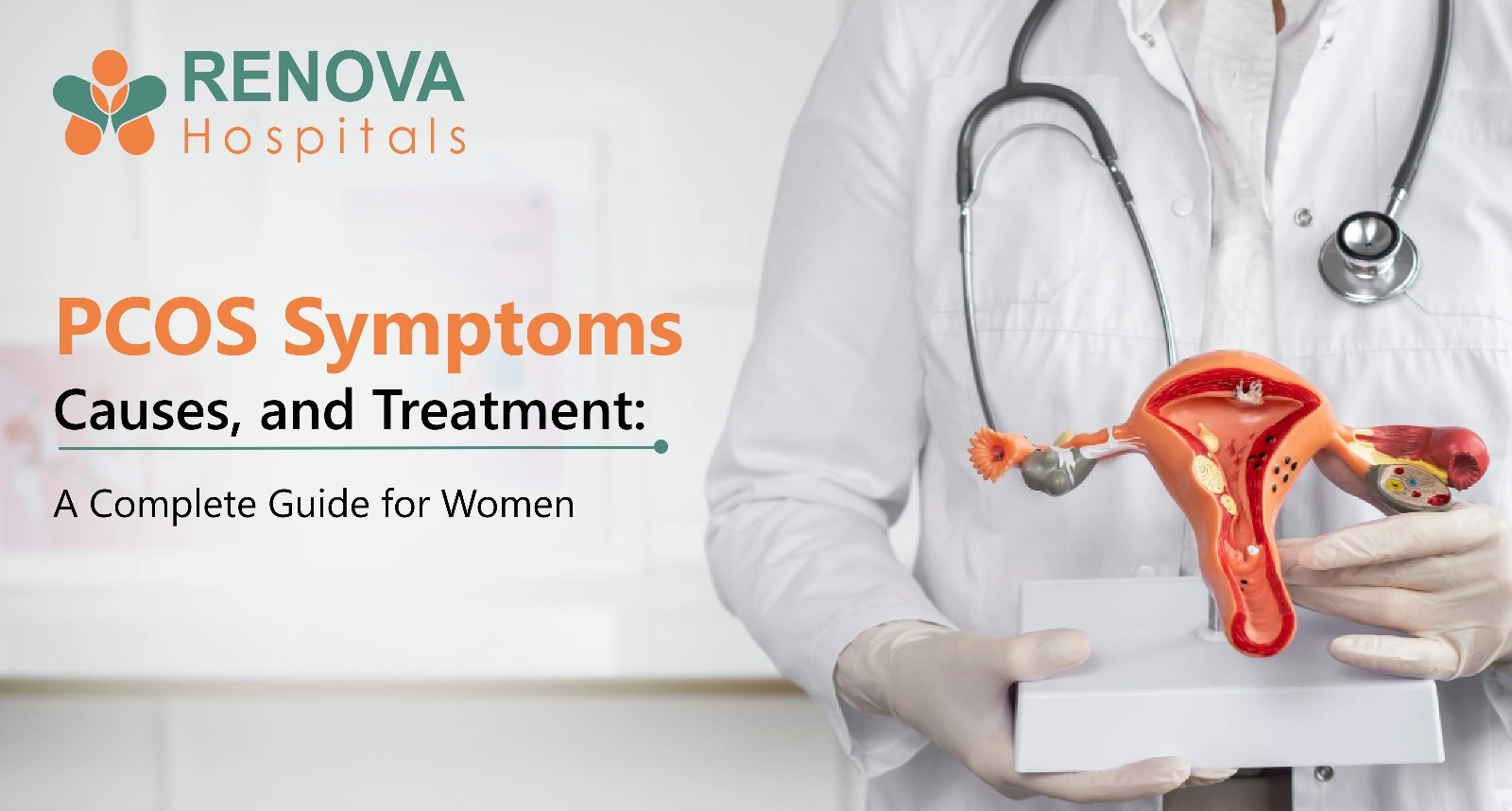
Polycystic Ovary Syndrome (PCOS) is one of the most common hormonal disorders affecting women of reproductive age. It can cause irregular periods, acne, excessive facial or body hair, weight gain, difficulty conceiving, and metabolic problems. While PCOS cannot be completely cured, it can be effectively managed through lifestyle changes, medications, weight management, and personalised medical care. Early diagnosis reduces the risk of infertility, diabetes, heart disease, and other long-term complications.
Key Takeaways
- PCOS affects approximately 1 in 10 women of reproductive age.
- Irregular menstrual cycles are often the first warning sign.
- Insulin resistance is a major contributing factor in many women.
- Weight management can significantly improve symptoms.
- PCOS is treatable, and many women with PCOS have healthy pregnancies.
- Early diagnosis helps prevent serious long-term health complications.
PCOS at a Glance
- Condition: Polycystic Ovary Syndrome (PCOS)
- Who It Affects: Women of reproductive age, typically between 15 and 45 years
- Common Symptoms: Irregular or missed periods, acne, excessive facial or body hair, weight gain, scalp hair thinning, and difficulty conceiving
- Main Causes: Hormonal imbalance, insulin resistance, genetic factors, and lifestyle influences
- Diagnosis: Medical history, physical examination, hormone blood tests, and pelvic ultrasound
- Treatment Options: Lifestyle modifications, healthy diet, regular exercise, medications, hormonal therapy, and fertility treatment when needed
- Possible Complications: Infertility, type 2 diabetes, high blood pressure, high cholesterol, sleep apnoea, and endometrial cancer if left untreated
- Prevention: While PCOS cannot be prevented, maintaining a healthy weight, staying physically active, and seeking early medical care can help manage symptoms and reduce complications.
Latest PCOS Statistics
- PCOS affects around 6–13% of women of reproductive age worldwide.
- Nearly 70% of women with PCOS remain undiagnosed.
- It is one of the leading causes of irregular periods and infertility.
- About 50–70% of women with PCOS may have insulin resistance.
- More than 50% of women with PCOS develop type 2 diabetes or prediabetes before the age of 40, highlighting the importance of early diagnosis and lifestyle management.
- Women with PCOS have a higher risk of diabetes, obesity, cholesterol issues, and heart disease.
Why PCOS Awareness Matters
Many women experience irregular periods, acne, or unwanted facial hair for years without realizing these symptoms may indicate an underlying hormonal disorder. Since PCOS develops gradually, it often goes undiagnosed until women seek medical help for infertility or severe menstrual irregularities.
Early diagnosis is important because untreated PCOS affects much more than reproductive health. It increases the risk of diabetes, obesity, high blood pressure, abnormal cholesterol, sleep disorders, depression, anxiety, and heart disease.
The encouraging news is that timely diagnosis and appropriate treatment allow most women to lead healthy, active, and fulfilling lives.
Expert Insight
"PCOS is not just a reproductive condition—it is a metabolic disorder that affects multiple body systems. With early intervention, healthy lifestyle habits, and personalised treatment, most women can successfully manage their symptoms and protect their long-term health."
What Is PCOS?
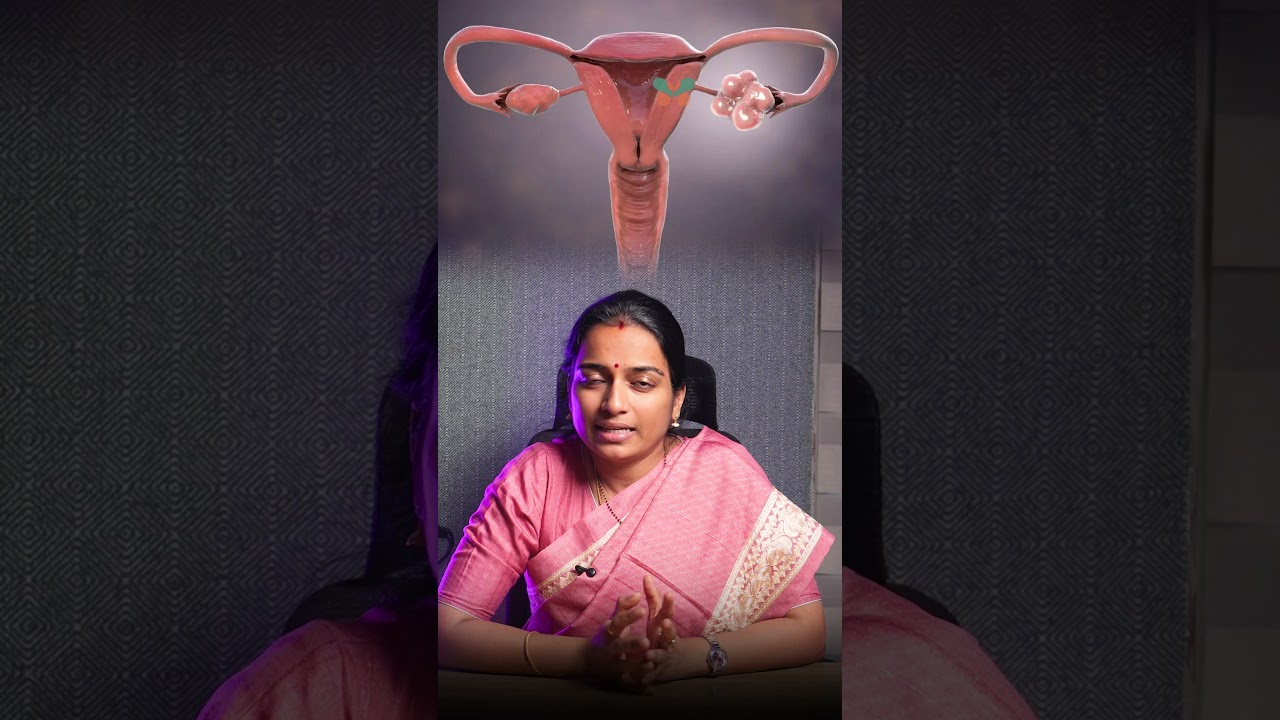
Polycystic Ovary Syndrome (PCOS) is a hormonal condition in which the ovaries produce higher-than-normal levels of androgens, commonly called male hormones. Although women naturally produce small amounts of these hormones, excessive levels interfere with normal ovulation.
Instead of releasing a mature egg every month, the ovaries may develop multiple immature follicles that fail to mature properly. This results in irregular ovulation or complete absence of ovulation.
Despite its name, not every woman with PCOS develops ovarian cysts. The diagnosis depends on a combination of symptoms, hormone levels, and ultrasound findings.
PCOS is considered both a reproductive and metabolic disorder because it affects fertility as well as the body's ability to regulate insulin and maintain healthy hormone levels.
How Common Is PCOS?
PCOS is among the most common endocrine disorders in women.
Studies estimate that:
- Around 8–13% of women worldwide have PCOS.
- Nearly 70% of women remain undiagnosed.
- It is one of the leading causes of female infertility.
- Cases are increasing due to sedentary lifestyles, obesity, and insulin resistance.
Many teenagers and young adults mistake irregular periods or acne as normal, delaying diagnosis for several years.
What are the PCOS symptoms?
Symptoms vary from woman to woman. Some develop only mild menstrual irregularities, while others experience multiple hormonal and metabolic problems.
1. Irregular Menstrual Periods
This is usually the earliest symptom.
Women may experience:
- Delayed periods
- Missed periods
- Very light periods
- Heavy menstrual bleeding
- Fewer than eight menstrual cycles per year
Irregular ovulation is responsible for these menstrual changes.
2. Excess Facial and Body Hair (Hirsutism)
Higher androgen levels stimulate excessive hair growth on areas typically seen in men.
Common areas include:
- Chin
- Upper lip
- Chest
- Abdomen
- Lower back
- Arms
This symptom affects nearly 70% of women with PCOS.
3. Acne and Oily Skin
Persistent acne after adolescence is another common feature.
Hormonal imbalance causes:
- Increased oil production
- Painful pimples
- Recurrent breakouts
- Acne resistant to routine skincare
4. Weight Gain
Many women with PCOS find it difficult to lose weight.
Excess insulin encourages fat storage, especially around the abdomen.
Even women who eat a healthy diet may struggle with weight management due to hormonal changes.
5. Hair Thinning
Some women notice gradual thinning of scalp hair.
This resembles male-pattern hair loss and is caused by elevated androgen levels.
6. Difficulty Getting Pregnant
Since ovulation becomes irregular, conception may become challenging.
PCOS accounts for a significant proportion of infertility caused by anovulation.
However, with appropriate treatment, many women conceive naturally or with fertility assistance.
7. Dark Skin Patches
Dark, velvety skin commonly appears on:
- Neck
- Underarms
- Groin
- Under the breasts
This condition, called acanthosis nigricans, often indicates insulin resistance.
8. Mood Changes
Hormonal imbalance may contribute to:
- Anxiety
- Depression
- Mood swings
- Reduced self-confidence
- Sleep disturbances
Mental health is an important but often overlooked aspect of PCOS management.
What Causes PCOS?
The exact cause remains unknown, but several interconnected factors contribute to its development.
Genetics
Women with a mother or sister diagnosed with PCOS have a significantly higher chance of developing the condition.
Researchers believe multiple genes influence hormone production and insulin metabolism.
Insulin Resistance
This is one of the most important causes of PCOS.
Insulin helps move glucose from the bloodstream into body cells.
When the body becomes resistant to insulin:
- Blood sugar rises.
- The pancreas produces more insulin.
- Excess insulin stimulates androgen production.
- Ovulation becomes irregular.
Approximately 50–70% of women with PCOS have insulin resistance.
Hormonal Imbalance
Women with PCOS typically have elevated androgen levels.
These hormones interfere with normal egg development and ovulation.
Hormonal imbalance also contributes to acne, unwanted hair growth, and scalp hair thinning.
Chronic Low-Grade Inflammation
Research suggests many women with PCOS have persistent low-grade inflammation.
This inflammatory state may worsen insulin resistance and stimulate androgen production.
Lifestyle Factors
Although lifestyle alone does not cause PCOS, it can significantly worsen symptoms.
Contributing factors include:
- Physical inactivity
- Weight gain
- Poor dietary habits
- Chronic stress
- Sleep deprivation
Who Is at Risk?
Women are more likely to develop PCOS if they have:
- A family history of PCOS
- Obesity or overweight
- Type 2 diabetes
- Prediabetes
- Gestational diabetes
- Insulin resistance
- Sedentary lifestyle
- Metabolic syndrome
Even lean women can develop PCOS, so normal body weight does not rule out the condition.
How Is PCOS Diagnosed?
There is no single test that confirms PCOS.
Doctors diagnose it using a combination of medical history, physical examination, blood investigations, and imaging studies while excluding other hormonal disorders.
Common investigations include:
- Menstrual history
- Physical examination
- Body Mass Index (BMI)
- Blood pressure
- Hormone profile
- Blood sugar levels
- HbA1c
- Lipid profile
- Thyroid function tests
- Prolactin levels
- Pelvic ultrasound
Many specialists use the Rotterdam Criteria, where two of the following three features support the diagnosis:
- Irregular or absent ovulation
- Clinical or laboratory evidence of excess androgens
- Polycystic ovaries on ultrasound
What is the treatment for PCOS?
The treatment for PCOS depends on your age, symptoms, overall health, and whether you are planning to become pregnant. Since PCOS affects every woman differently, there is no single treatment that works for everyone. A personalised treatment plan can help regulate menstrual cycles, improve fertility, reduce symptoms, and lower the risk of long-term complications.
1. Lifestyle Modifications
Healthy lifestyle changes are the foundation of PCOS management and are often the first line of treatment.
These include:
- Following a balanced and nutritious diet
- Exercising regularly for at least 150 minutes each week
- Maintaining a healthy body weight
- Getting 7–9 hours of quality sleep every night
- Managing stress through yoga, meditation, or relaxation techniques
- Avoiding smoking and limiting alcohol intake
Even a 5–10% reduction in body weight can improve hormone balance, restore ovulation, regulate menstrual cycles, and increase the chances of pregnancy in many women.
2. Medications
Doctors may prescribe medications depending on your symptoms and treatment goals.
These may include:
- Hormonal medications to regulate menstrual cycles
- Medicines to improve insulin sensitivity
- Treatments to reduce acne and excessive hair growth
- Ovulation-inducing medications for women trying to conceive
- Cholesterol or blood pressure medications when needed
Always take medicines only under medical supervision and avoid self-medication.
3. Fertility Treatment
PCOS is one of the leading causes of infertility due to irregular ovulation. However, most women with PCOS can successfully become pregnant with appropriate treatment.
Treatment options may include:
- Lifestyle modification and weight management
- Ovulation induction medications
- Hormonal therapy
- Assisted reproductive techniques such as IVF in selected cases
Early consultation with a fertility specialist can improve pregnancy outcomes.
Best Diet for PCOS
Although there is no single "PCOS diet," eating healthy foods can help improve hormone balance,
insulin resistance, and weight management.
A PCOS-friendly diet should include:
Eat More Of
- Fresh vegetables
- Seasonal fruits
- Whole grains
- Lean proteins such as fish, eggs, and pulses
- Healthy fats from nuts, seeds, and olive oil
- High-fibre foods
- Plenty of water
Limit
- Sugary drinks
- Refined carbohydrates
- White bread and bakery products
- Processed foods
- Deep-fried foods
- Excess sweets and desserts
Eating smaller, balanced meals throughout the day may also help maintain stable blood sugar levels.
Exercise and PCOS
Regular physical activity improves insulin sensitivity, supports weight management, and helps regulate hormones.
Recommended activities include:
- Brisk walking
- Cycling
- Swimming
- Strength training
- Yoga
- Pilates
Aim for at least 30 minutes of moderate exercise on most days of the week.
Can Women with PCOS Get Pregnant?
Yes. Many women with PCOS have healthy pregnancies.
Although PCOS can make conception more challenging due to irregular ovulation, appropriate treatment significantly improves fertility.
Women planning pregnancy should:
- Achieve a healthy body weight
- Control blood sugar levels
- Take prenatal vitamins as advised
- Consult a gynaecologist before trying to conceive
Early medical guidance increases the likelihood of a healthy pregnancy.
Long-Term Complications of PCOS
Without proper treatment, PCOS can affect multiple aspects of health.
Possible complications include:
- Infertility
- Type 2 diabetes
- Prediabetes
- High blood pressure
- High cholesterol
- Heart disease
- Fatty liver disease
- Sleep apnoea
- Anxiety and depression
- Endometrial hyperplasia
- Endometrial cancer
Regular follow-up and healthy lifestyle habits can significantly reduce these risks.
Can PCOS Be Prevented?
PCOS cannot always be prevented because genetics and hormones play a significant role. However, healthy lifestyle habits can reduce symptom severity and lower the risk of complications.
Helpful measures include:
- Maintaining a healthy weight
- Exercising regularly
- Eating a balanced diet
- Getting adequate sleep
- Managing stress
- Attending regular health check-ups
- Seeking medical advice for irregular menstrual cycles
Myth vs Fact
Myth: Every woman with PCOS has ovarian cysts.
Fact: Many women with PCOS do not have ovarian cysts. Diagnosis depends on a combination of symptoms, hormone levels, and ultrasound findings.
Myth: Women with PCOS cannot become pregnant.
Fact: Most women with PCOS can conceive naturally or with appropriate fertility treatment.
Myth: Only overweight women develop PCOS.
Fact: Lean women can also have PCOS.
Myth: Missing periods occasionally is always normal.
Fact: Persistent irregular periods should always be evaluated by a doctor.
Myth: PCOS goes away after marriage or pregnancy.
Fact: PCOS is a lifelong condition that requires ongoing management.
When Should You See a Doctor?
Consult a gynaecologist if you experience:
- Irregular or absent menstrual periods
- Excessive facial or body hair growth
- Severe or persistent acne
- Rapid weight gain without a clear reason
- Difficulty conceiving after one year of trying (or six months if over 35 years)
- Hair thinning or excessive hair loss
- Dark patches on the neck or underarms
- Symptoms of high blood sugar, such as excessive thirst or frequent urination
Early diagnosis can help prevent complications and improve long-term health.
Conclusion:
Polycystic Ovary Syndrome (PCOS) is a common but manageable hormonal disorder that affects millions of women worldwide. While it can impact menstrual health, fertility, metabolism, and emotional well-being, early diagnosis and personalised treatment can make a significant difference. Adopting healthy lifestyle habits, maintaining a balanced diet, staying physically active, and following your doctor's recommendations can help control symptoms and reduce the risk of long-term complications. If you notice signs of PCOS, don't ignore them—consult a qualified gynaecologist for a comprehensive evaluation and a treatment plan tailored to your needs.
Why Choose Renova Hospitals for PCOS Care?
At Renova Hospitals, our experienced gynaecologists, endocrinologists, fertility specialists, dietitians, and women's health experts work together to provide comprehensive care for women with PCOS. From accurate diagnosis and hormonal evaluation to personalised treatment, fertility counselling, nutrition guidance, and long-term follow-up, we focus on helping every woman achieve better reproductive, metabolic, and overall health through evidence-based, compassionate care.
Medically Reviewed & Approved By:
Dr Reeta Agarwal Lokhande
Gynaecology & Obstetrics
MBBS – Rashtrasant Tukadoji Maharaj Nagpur University (2002) DNB (Obstetrics & Gynecology) – National Board of Examinations in Medical Sciences (2012)
This article has been reviewed and approved by a qualified medical professional to ensure accuracy, credibility, and adherence to current clinical standards.
Reference: