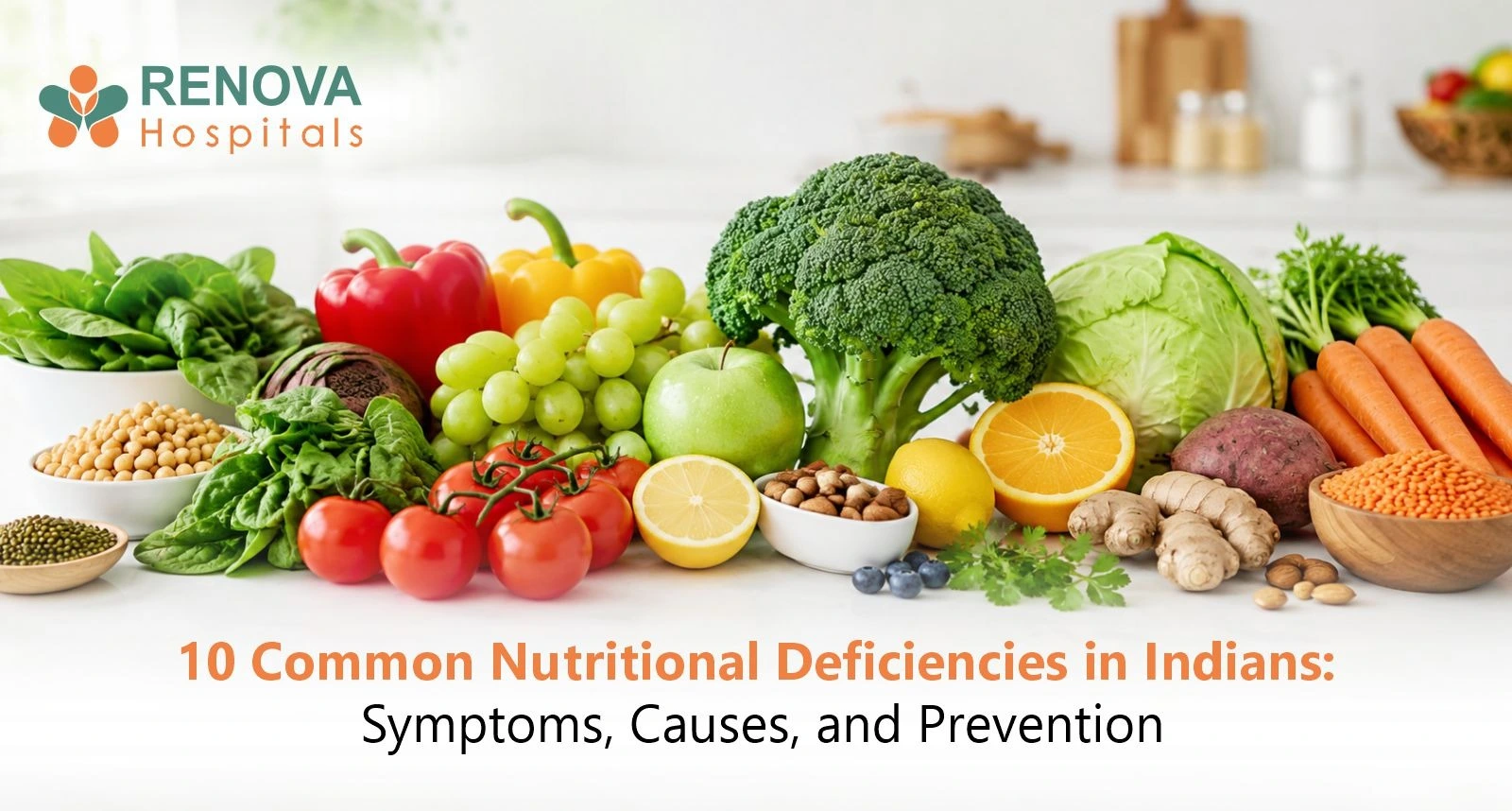
Common nutritional deficiencies seen in India include iron,
vitamin D,
vitamin B12,
calcium, folate, iodine, zinc, vitamin A, vitamin C, and protein deficiency. These deficiencies may cause fatigue, weakness, hair loss, bone or muscle pain, poor immunity, anaemia, numbness, delayed wound healing, or other symptoms.
However, symptoms alone cannot confirm a deficiency. Blood tests and clinical evaluation may be needed before starting supplements.
Key Takeaways
- Nutritional deficiencies can affect people even when they eat enough calories.
- Iron deficiency and anaemia remain major nutritional concerns in India.
- Vitamin D and vitamin B12 deficiency may occur even in apparently healthy adults.
- Vegetarian and vegan diets can require careful planning for vitamin B12, iron, calcium, zinc, and protein.
- Children, pregnant women, older adults, and people with chronic illnesses may have greater nutritional needs.
- Supplements should not be taken routinely without understanding the actual deficiency.
- A varied diet, fortified foods, and appropriate medical evaluation can prevent many micronutrient deficiencies.
Why Are Nutritional Deficiencies Common in India?
Nutritional deficiency does not always mean a person is eating too little.
A person may consume sufficient calories but still have inadequate
vitamins, minerals, or protein because the diet lacks variety or because the body cannot properly absorb or use certain nutrients.
Possible contributing factors include:
- Diets heavily based on refined cereals
- Low intake of fruits and vegetables
- Limited intake of dairy or animal-source foods
- Vegetarian or vegan diets without appropriate planning
- Increased nutritional requirements during pregnancy
- Poor absorption due to gastrointestinal disease
- Chronic medical conditions
- Restrictive weight-loss diets
- Repeated infections
- Excessive reliance on highly processed foods
The World Health Organization notes that micronutrients such as iron, iodine, zinc, vitamin A, folate, and other vitamins and minerals are required in small quantities but are essential for normal growth, metabolism, immunity, and overall health.
1. Iron Deficiency
Iron is required for the production of haemoglobin, the protein in red blood cells that carries oxygen throughout the body.
Iron deficiency may occur because of:
- Low dietary iron intake
- Heavy menstrual bleeding
- Pregnancy
- Gastrointestinal blood loss
- Poor absorption
- Frequent blood donation
- Increased requirements during growth
Possible symptoms include:
- Fatigue
- Weakness
- Pale skin
- Breathlessness on exertion
- Dizziness
- Headache
- Reduced exercise tolerance
- Hair loss in some individuals
Iron deficiency can progress to iron-deficiency anaemia.
However, not every case of anaemia is caused by iron deficiency. Folate deficiency, vitamin B12 deficiency, chronic inflammation, infections, and inherited blood disorders may also contribute. WHO specifically cautions against treating anaemia and iron deficiency as identical conditions.
2. Vitamin D Deficiency
Vitamin D helps the body absorb calcium and is important for bone and muscle health.
Possible risk factors include:
- Limited sun exposure
- Spending most of the day indoors
- Clothing that limits sun exposure
- Poor dietary intake
- Obesity
- Certain liver or kidney conditions
- Disorders affecting nutrient absorption
Possible symptoms may include:
- Bone pain
- Muscle aches
- Muscle weakness
- Fatigue
Some people have no symptoms and discover low
vitamin D only during testing.
Vitamin D supplements should be taken according to medical advice because excessive supplementation can also cause harm.
3. Vitamin B12 Deficiency
Vitamin B12 is essential for red blood cell production and normal nerve function.
It is naturally present mainly in animal-derived foods, making people following strict vegan diets particularly vulnerable unless they consume fortified foods or supplements.
Deficiency may also develop because of:
- Reduced stomach acid
- Pernicious anaemia
- Gastrointestinal surgery
- Disorders affecting absorption
- Certain long-term medications
Possible symptoms include:
- Fatigue
- Weakness
- Numbness
- Tingling in the hands or feet
- Balance problems
- Memory or concentration difficulty
- Sore tongue
- Anaemia
Untreated vitamin B12 deficiency may cause neurological problems, so persistent numbness or weakness should not be ignored.
For evidence-based information about vitamin B12 requirements and sources, refer to the NIH Office of Dietary Supplements.
4. Calcium Deficiency
Calcium is essential for:
- Bones and teeth
- Muscle contraction
- Nerve signalling
- Normal heart function
Low calcium intake may occur in people who consume very little dairy or calcium-rich alternatives.
Other causes may include:
- Vitamin D deficiency
- Certain kidney conditions
- Hormonal disorders
- Malabsorption
Long-term inadequate calcium intake can negatively affect bone health.
Good dietary sources include:
- Milk
- Curd or yoghurt
- Paneer
- Calcium-fortified foods
- Certain green vegetables
- Sesame seeds
- Some nuts
Calcium supplementation should be individualised because unnecessarily high doses may not be appropriate for everyone.
5. Folate Deficiency
Folate, or
vitamin B9, is required for DNA synthesis and healthy red blood cell formation.
Deficiency may occur because of:
- Poor dietary intake
- Increased requirements during pregnancy
- Alcohol misuse
- Malabsorption
- Certain medications
Symptoms may include:
- Fatigue
- Weakness
- Anaemia
- Mouth ulcers
- Sore tongue
Adequate folate is particularly important before and during early pregnancy because it helps reduce the risk of neural tube defects.
Foods rich in folate include:
- Green leafy vegetables
- Beans
- Lentils
- Peas
- Citrus fruits
- Fortified grains
6. Iodine Deficiency
Iodine is required to produce thyroid hormones.
Long-term iodine deficiency may lead to thyroid enlargement or
goitre and impaired thyroid function.
During pregnancy and childhood, adequate iodine is especially important for normal brain and nervous-system development.
The preferred public-health strategy for preventing iodine deficiency is the use of adequately iodised salt. WHO continues to recommend salt iodisation as a major strategy for preventing iodine-deficiency disorders.
However, people with high blood pressure or cardiovascular disease should not increase salt consumption to obtain iodine. Instead, they should use iodised salt within recommended limits.
7. Zinc Deficiency
Zinc plays an important role in:
- Immune function
- Wound healing
- Growth
- Cell division
- Taste and smell
Possible risk factors include:
- Poor dietary diversity
- Malabsorption
- Chronic diarrhoea
- Certain gastrointestinal diseases
- Restrictive diets
Possible symptoms include:
- Reduced appetite
- Delayed wound healing
- Hair loss
- Frequent infections
- Changes in taste or smell
Good sources include:
- Meat
- Seafood
- Dairy products
- Beans
- Lentils
- Nuts
- Seeds
Plant sources can provide zinc, although absorption may vary.
8. Vitamin A Deficiency
Vitamin A is important for:
- Vision
- Immune function
- Skin health
- Growth and development
Severe vitamin A deficiency can cause night blindness and other eye problems.
WHO identifies vitamin A deficiency as an important public-health issue, particularly among young children and pregnant women in several low- and middle-income regions.
Food sources include:
- Carrots
- Sweet potatoes
- Pumpkin
- Spinach
- Other dark-green leafy vegetables
- Eggs
- Dairy products
- Liver
High-dose vitamin A supplements should not be taken without medical supervision, particularly during pregnancy.
9. Vitamin C Deficiency
Vitamin C supports:
- Collagen formation
- Wound healing
- Immune function
- Iron absorption
Deficiency is uncommon in people who regularly consume fruits and vegetables, but it may occur with extremely restricted diets.
Possible symptoms include:
- Fatigue
- Gum bleeding
- Easy bruising
- Poor wound healing
- Joint discomfort
Good dietary sources include:
- Amla
- Guava
- Oranges
- Lemons
- Capsicum
- Tomatoes
- Papaya
Vitamin C also helps improve the absorption of non-haem iron from plant foods.
10. Protein Deficiency
Protein provides amino acids needed for:
- Muscle maintenance
- Tissue repair
- Enzyme production
- Hormone production
- Immune function
Severe protein deficiency is more common in undernutrition, but insufficient protein intake may also occur with restrictive diets, poor appetite, chronic illness, or poorly planned diets.
Possible signs include:
- Muscle loss
- Weakness
- Poor recovery
- Reduced immunity
- Delayed wound healing
- Swelling in severe cases
Good sources include:
- Dal
- Lentils
- Beans
- Chickpeas
- Soy products
- Milk
- Curd
- Paneer
- Eggs
- Fish
- Chicken
- Other lean meats
Vegetarian diets can meet protein requirements when meals contain adequate amounts and a good variety of plant-based protein sources.
How Do You Know If You Have a Nutritional Deficiency?
Symptoms alone are often unreliable because fatigue, hair loss, weakness, body pain, and poor concentration can have many different causes.
Depending on symptoms and medical history, tests may include:
- Complete blood count
- Serum ferritin and iron studies
- Vitamin B12
- Folate
- Vitamin D
- Calcium
- Thyroid function
- Kidney and liver function
- Other tests based on clinical findings
Testing every vitamin and mineral routinely is usually unnecessary. Investigations should be guided by symptoms, dietary history, age, pregnancy status, medications, and underlying health conditions.
Should You Take Multivitamins Without Testing?
Not necessarily.
A multivitamin does not automatically correct every nutritional problem, and supplements cannot compensate for an unhealthy diet.
Unnecessary supplementation may also cause problems. For example:
- Excess vitamin A can be toxic.
- High vitamin D intake can increase calcium excessively.
- Too much iron may be harmful when iron deficiency is absent.
- Some supplements can interact with medicines.
Supplements are most useful when there is a confirmed deficiency, increased nutritional requirement, or a clear clinical reason to use them.
How Can Nutritional Deficiencies Be Prevented?
Eat a Diverse Diet
Include foods from several groups rather than depending heavily on one staple food.
Aim for:
- Vegetables
- Fruits
- Whole grains
- Pulses and legumes
- Nuts and seeds
- Dairy or suitable alternatives
- Eggs, fish, or lean meats when consumed
A varied diet improves the likelihood of meeting vitamin and mineral requirements. WHO recommends dietary diversity as a central strategy for preventing micronutrient deficiencies.
Choose Fortified Foods When Appropriate
Fortification can improve population intake of important nutrients.
Examples may include:
- Iodised salt
- Fortified milk
- Fortified cereals
- Fortified edible oils
- Fortified flour or rice
WHO recognises food fortification as an important public-health strategy for reducing selected micronutrient deficiencies.
Avoid Extreme Diets
Very restrictive diets may unintentionally reduce intake of essential vitamins, minerals, protein, and healthy fats.
Weight-loss plans should remain nutritionally balanced.
Pay Attention During Pregnancy
Pregnancy increases requirements for several nutrients, particularly iron and folate.
Supplements during pregnancy should be taken according to antenatal recommendations rather than self-prescribed.
Address Underlying Medical Conditions
Persistent deficiencies despite adequate nutrition may indicate:
- Coeliac disease
- Inflammatory bowel disease
- Chronic kidney disease
- Chronic liver disease
- Gastrointestinal surgery
- Other malabsorption disorders
Repeated supplementation without investigating the reason for deficiency may delay diagnosis.
What Should Patients Avoid?
- Taking high-dose vitamins without medical advice
- Assuming every case of fatigue is due to vitamin deficiency
- Taking iron simply because haemoglobin is low
- Following restrictive diets without nutritional planning
- Depending entirely on supplements instead of food
- Taking multiple supplements containing the same nutrient
- Ignoring persistent numbness, weakness, or severe fatigue
- Continuing supplementation indefinitely without reassessment
Medical Review
Nutritional deficiencies can affect energy levels, blood formation, nerves, bones, muscles, immunity, and overall health.
However, symptoms such as fatigue, hair loss, body pain, weakness, or poor concentration are not specific to nutritional deficiencies. Clinical evaluation helps distinguish nutritional problems from thyroid disorders, diabetes, infections, autoimmune diseases, neurological conditions, and other medical causes.
Consult a Nutrition and Internal Medicine Team at Renova Hospitals
Persistent fatigue, weakness, hair loss, body pain, numbness, unexplained weight changes, or recurrent nutritional deficiencies deserve proper assessment rather than repeated self-medication.
At Renova Hospitals, our Internal Medicine specialists and clinical nutrition teams can evaluate symptoms, identify possible nutritional deficiencies, recommend appropriate testing, and create a personalised nutrition and treatment plan.
Request a consultation or call 040 2333 3333.
Need Medical Guidance?
Consult Renova Internal Medicine if you have persistent symptoms suggestive of anaemia or nutritional deficiency, particularly when they do not improve despite dietary changes or supplements.
When Does a Nutritional Deficiency Need Urgent Care?
Seek prompt medical attention if you develop:
- Severe breathlessness
- Fainting
- Chest pain
- Rapidly worsening weakness
- Difficulty walking
- Severe numbness or loss of balance
- Confusion
- Persistent vomiting
- Significant unexplained weight loss
- Severe pallor with extreme fatigue
These symptoms may indicate severe anaemia, neurological involvement, electrolyte abnormalities, or another medical condition requiring urgent evaluation.
Nutrition Treatment Should Follow Diagnosis
The safest approach is to identify the nutrient deficiency and understand why it developed before starting high-dose supplementation.
At Renova Hospitals, clinical evaluation can help distinguish dietary deficiency from malabsorption, chronic illness, blood loss, metabolic disease, or other underlying conditions.
Medical References
Medically Reviewed & Approved By:
Dr K. Krishna Prabhakar
Internal Medicine, Critical Care, Geriatric Medicine
MBBS – Dr. NTR University of Health Sciences, Andhra Pradesh (2006) MD (Internal Medicine) – Dr. NTR University of Health Sciences, Andhra Pradesh (2010)
This article has been reviewed and approved by a qualified medical professional to ensure accuracy, credibility, and adherence to current clinical standards.