Endoscopic pituitary tumour removal is an advanced, minimally invasive neurosurgical procedure used to treat tumours of the pituitary gland. At Renova Hospitals, this surgery is performed through the nasal passages using high-definition endoscopic equipment, avoiding external incisions. It offers faster recovery, reduced complications, and precise tumour removal while preserving critical brain structures.
Key Takeaways
- Endoscopic pituitary tumour removal is a minimally invasive surgery performed through the nose to remove pituitary tumours safely
- It is commonly used to treat pituitary adenomas causing hormonal imbalance, headaches, or vision loss
- The procedure helps relieve optic nerve compression and restore normal hormone levels
- Compared to open brain surgery, it offers less pain, faster recovery, and shorter hospital stay
- Most patients recover within 2โ4 weeks with minimal complications
- Regular follow-up is important to monitor hormone levels and detect recurrence early
What is a Pituitary Tumour?
A pituitary tumour is an abnormal growth in the pituitary gland, which controls essential hormones regulating growth, metabolism, reproduction, and stress. Most tumours are benign but can still cause serious symptoms by affecting hormone levels or compressing nearby structures, such as the optic nerves. Early detection is crucial to prevent complications and enable effective treatment.
Types of Pituitary Tumours:
- Functioning tumours (hormone-secreting)
- Non-functioning tumors
- Microadenomas (less than 1 cm)
- Macroadenomas (larger than 1 cm)
Why is Early Diagnosis Important?
Early diagnosis of pituitary tumours significantly improves treatment outcomes and reduces the risk of complications. Since symptoms can be mild initially, many cases go unnoticed until the tumour grows larger. Detecting the tumour early allows for minimally invasive treatment, prevents vision damage, and helps maintain hormonal balance, reducing long-term health risks.
Benefits of Early Detection:
- Prevents vision loss
- Avoids severe hormonal imbalance
- Enables minimally invasive surgery
- Improves recovery outcomes
What are the Symptoms of Pituitary Tumours?
Pituitary tumour symptoms vary depending on the tumour size and hormone activity. Some symptoms develop gradually, while others may appear suddenly. Recognising early signs helps in timely diagnosis and treatment, preventing complications such as vision loss or severe endocrine disorders that can affect overall health and daily functioning.
Common Symptoms:
- Persistent headaches
- Blurred or double vision
- Loss of peripheral vision
- Fatigue and weakness
- Weight changes
Hormonal Symptoms:
- Irregular periods
- Sexual dysfunction
- Excessive thirst and urination
When is Endoscopic Pituitary Tumour Removal Needed?
Endoscopic pituitary tumour removal is recommended when the tumour causes significant symptoms or does not respond to medication. Surgery is often required for large tumours, vision problems, or hormonal imbalances. This minimally invasive approach allows effective tumour removal while minimising damage to surrounding tissues and reducing recovery time.
Indications for Surgery:
- Vision disturbances
- Large tumours compressing nerves
- Hormone-secreting tumours not controlled by medication
- Pituitary apoplexy
- Progressive tumor growth
How is a Pituitary Tumour Diagnosed?
Diagnosis involves a combination of imaging, hormonal evaluation, and vision testing. Accurate diagnosis helps determine the tumour type, size, and appropriate treatment plan. Advanced diagnostic tools ensure precise detection, allowing specialists to plan minimally invasive surgery when necessary and monitor the tumour effectively.
Diagnostic Tests:
- MRI Brain (Pituitary Protocol)
- Hormonal blood tests
- Visual field testing
- CT scan
How is Endoscopic Pituitary Tumour Removal Performed?
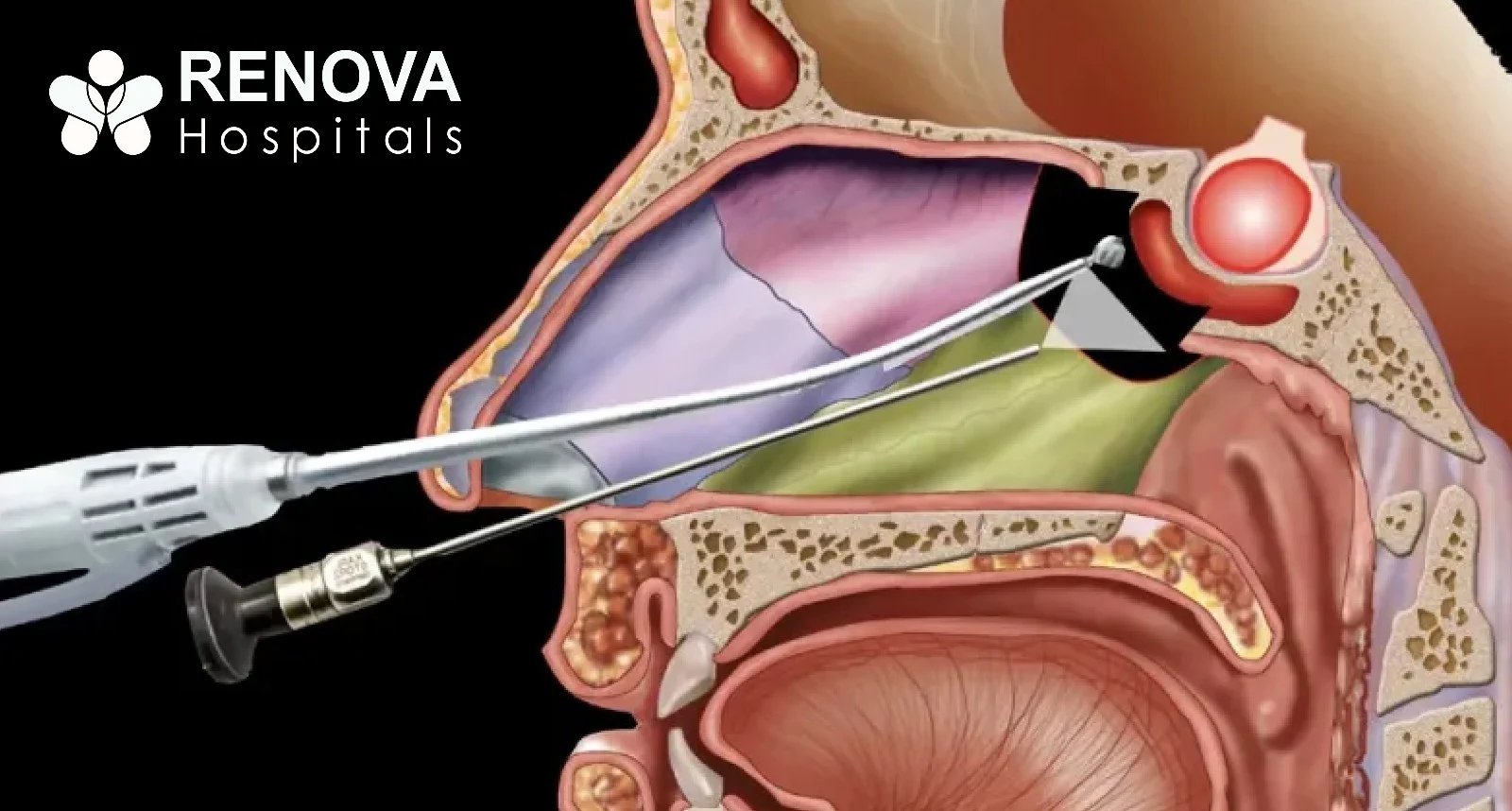
Endoscopic pituitary surgery is performed through the nose using a specialised camera and instruments. This approach avoids external incisions and provides a clear view of the tumour. The surgeon carefully removes the tumour while preserving healthy tissue, ensuring precision, safety, and a faster recovery than with traditional surgery.
Surgical Steps:
- Pre-operative planning with imaging
- Endoscope insertion through the nostrils
- Tumour removal using microsurgical tools
- Closure using tissue grafts
What are the Benefits of Endoscopic Pituitary Surgery?
Endoscopic pituitary surgery offers several advantages over traditional open surgery. It is less invasive, more precise, and allows quicker recovery. Patients experience less pain, minimal scarring, and shorter hospital stays, making it a preferred option for treating pituitary tumours effectively.
Key Benefits:
- No visible scars
- Minimal pain
- Faster recovery
- Short hospital stay
- Reduced complications
What is the Recovery Process After Surgery?
Recovery after endoscopic pituitary surgery is generally smoother and faster compared to traditional methods. Most patients can resume normal activities within a few weeks. Continuous monitoring ensures proper healing and helps manage any hormonal changes that may occur after tumour removal.
Recovery Timeline:
- Hospital stay: 2โ4 days
- Return to routine: 2โ4 weeks
- Full recovery: 4โ8 weeks
What Post-Operative Care is Required?
Post-operative care focuses on monitoring hormone levels, ensuring proper healing, and preventing complications. Regular follow-ups are essential to track recovery and detect any recurrence early. A multidisciplinary approach ensures comprehensive post-surgical patient care.
Post-Surgery Care Includes:
- Hormonal monitoring
- MRI follow-ups
- Vision assessments
- Medication support
Are There Any Risks Involved?
Endoscopic pituitary tumour removal is a safe procedure when performed by experienced surgeons. However, like any surgery, there are minimal risks involved. Proper planning and advanced techniques significantly reduce complications and improve outcomes.
Possible Risks:
- Hormonal imbalance
- CSF leak
- Infection
- Nasal discomfort
Why Choose Renova Hospitals for Pituitary Tumour Surgery?
Renova Hospitals offers advanced neurosurgical care with a patient-centred approach. The hospital combines modern technology with expert specialists to provide safe, effective, and personalised treatment for pituitary tumours, ensuring the best possible outcomes for patients.
Renova Advantages:
- Advanced endoscopic technology
- Experienced neurosurgeons
- Multidisciplinary care team
- Personalised treatment plans
- Comprehensive follow-up care
When Should You See a Doctor?
You should consult a doctor if you experience persistent headaches, vision problems, or unexplained hormonal symptoms. Early medical evaluation helps in timely diagnosis and prevents complications, ensuring better treatment outcomes and faster recovery.
Warning Signs:
- Severe headaches
- Vision changes
- Hormonal imbalance symptoms
Advanced Care for Better Outcomes
Endoscopic pituitary tumour removal is a safe, precise, and effective treatment option for patients with pituitary tumours. With minimally invasive techniques and expert care, patients can achieve faster recovery and improved quality of life.
At Renova Hospitals, patients receive comprehensive neurosurgical care from diagnosis to recovery, ensuring the highest standards of treatment.
This article is reviewed and approved by Dr. Srinivas Thankari, Senior Brain & Spine Surgeon, specialising in advanced minimally invasive neurosurgical procedures.