Renova Hospitals Logo
Home Blogs Monsoon Illnesses Parents Should Watch For
Rainy season health risks and illnesses in children

By Dr K. Krishna Prabhakar

September 09, 2026

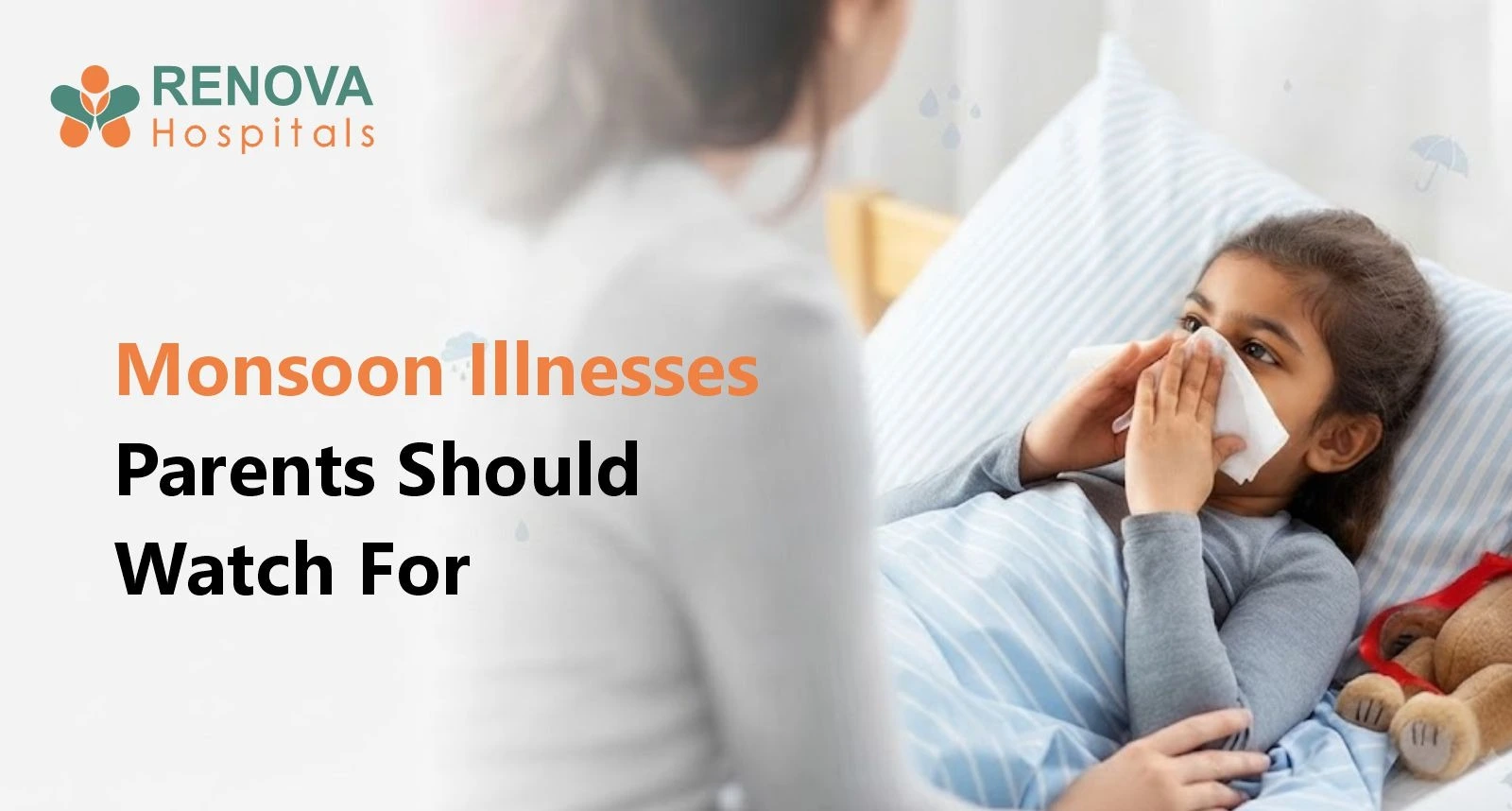
Monsoon Illnesses Parents Should Watch For

During the monsoon, children may have increased exposure to mosquito-borne diseases, contaminated food or water, respiratory infections, and skin infections. Important illnesses include dengue, malaria, chikungunya, typhoid fever, gastroenteritis, hepatitis A, leptospirosis, and seasonal respiratory infections. Persistent fever, repeated vomiting, unusual sleepiness, breathing difficulty, reduced urination, bleeding, severe abdominal pain, or signs of dehydration require prompt medical evaluation.

Key Takeaways

  • Fever during monsoon season should not automatically be assumed to be a simple viral infection.
  • Dengue can cause high fever, severe body aches, headache, nausea, rash, and sometimes bleeding.
  • Contaminated food and water can spread diarrhoeal illnesses, typhoid, and hepatitis A.
  • Walking or playing in contaminated floodwater may increase exposure to leptospirosis.
  • Children can become dehydrated faster than adults during vomiting and diarrhoea.
  • Antibiotics should not be given without medical advice.
  • Mosquito control, safe drinking water, handwashing, and food hygiene can reduce infection risk.
  • Difficulty breathing, severe dehydration, bleeding, seizures, or reduced responsiveness requires urgent medical care.

Why Do Children Get Sick More Often During the Monsoon?


The rainy season changes the environment in ways that can support the spread of several infections.

Standing water can provide breeding sites for mosquitoes. Floodwater may become contaminated with sewage or animal urine, while improper food storage and contaminated drinking water can increase gastrointestinal infections.

Children may also spend more time indoors, where respiratory viruses can spread between family members and classmates.

Common monsoon health concerns therefore include:

  • Mosquito-borne infections
  • Waterborne diseases
  • Foodborne infections
  • Respiratory infections
  • Skin infections
  • Illnesses associated with contaminated floodwater

1. Dengue

Dengue is a viral infection transmitted mainly through the bite of infected Aedes mosquitoes.

Symptoms can include:

  • High fever
  • Headache
  • Pain behind the eyes
  • Muscle and joint pain
  • Nausea
  • Vomiting
  • Rash
  • Marked tiredness

Many children recover with appropriate monitoring and supportive care, but some develop severe dengue.

Dengue Warning Signs Parents Should Know

Seek medical attention promptly for:

  • Severe abdominal pain
  • Persistent vomiting
  • Bleeding from the nose or gums
  • Blood in vomit or stool
  • Unusual drowsiness
  • Restlessness
  • Breathing difficulty
  • Marked weakness

Importantly, warning signs can sometimes appear as the fever begins to settle.

Do not assume that a falling temperature always means the child has completely recovered.

2. Malaria

Malaria is caused by parasites transmitted through infected Anopheles mosquitoes.

Symptoms may include:

  • Fever
  • Chills
  • Sweating
  • Headache
  • Muscle aches
  • Nausea
  • Vomiting
  • Fatigue

Severe malaria can cause serious complications and requires prompt treatment.

Not every fever during monsoon season is dengue. Depending on symptoms, travel, local disease patterns, and clinical findings, a doctor may recommend testing for malaria or other infections.

3. Chikungunya

Chikungunya is another mosquito-borne viral infection.

Typical symptoms include:

  • Sudden fever
  • Significant joint pain
  • Muscle pain
  • Headache
  • Rash
  • Fatigue

Joint symptoms may be particularly prominent.

Because dengue and chikungunya can produce overlapping symptoms, diagnosis should not be based on symptoms alone.

4. Typhoid Fever

Typhoid fever is caused by Salmonella Typhi bacteria and is generally spread through contaminated food or water.

Symptoms may include:

  • Persistent fever
  • Headache
  • Weakness
  • Abdominal discomfort
  • Reduced appetite
  • Diarrhoea or constipation

Typhoid requires appropriate medical diagnosis and antibiotic treatment.

Parents should avoid giving leftover antibiotics because inappropriate antibiotic use can contribute to antimicrobial resistance and may interfere with diagnosis.

5. Gastroenteritis and Diarrhoeal Illness

Contaminated food and water can spread organisms that cause diarrhoeal disease.

Children may develop:

  • Loose stools
  • Vomiting
  • Abdominal cramps
  • Fever
  • Reduced appetite

The major immediate concern is dehydration.

Signs of Dehydration in Children

Watch for:

  • Dry mouth
  • Reduced urination
  • Few or no tears when crying
  • Sunken eyes
  • Unusual sleepiness
  • Irritability
  • Poor drinking
  • Marked weakness

Oral rehydration solution can help replace fluids and electrolytes lost through diarrhoea.

Young children and children with persistent vomiting require particularly careful monitoring.

6. Hepatitis A

Hepatitis A is a viral liver infection that can spread through contaminated food or water.

Symptoms may include:

  • Fever
  • Fatigue
  • Loss of appetite
  • Nausea
  • Abdominal discomfort
  • Dark urine
  • Yellowing of the eyes or skin

Some young children may have mild or few symptoms.

Safe food, clean drinking water, sanitation, and vaccination where appropriate can help prevent hepatitis A.

7. Leptospirosis

Leptospirosis is a bacterial infection that can spread through water or soil contaminated with the urine of infected animals.

Risk may increase after:

  • Flooding
  • Walking through contaminated rainwater
  • Contact with muddy water
  • Exposure through cuts or broken skin

Symptoms may include:

  • Fever
  • Headache
  • Muscle aches
  • Vomiting
  • Red eyes
  • Abdominal symptoms

Some infections can become severe and affect the kidneys, liver, lungs, or other organs.

Children should avoid playing in potentially contaminated floodwater whenever possible.

8. Respiratory Infections

Rainy weather itself does not directly cause a cold, but respiratory viruses can spread easily when people spend more time together indoors.

Children may develop:

  • Runny nose
  • Cough
  • Sore throat
  • Fever
  • Nasal congestion

Most uncomplicated viral infections improve with supportive care.

However, persistent fever, rapid breathing, chest indrawing, wheezing, poor feeding, or significant breathlessness requires medical assessment.

9. Skin and Fungal Infections

Humidity, wet clothing, sweating, and prolonged dampness can irritate the skin.

Children may develop:

  • Fungal infections
  • Skin rashes
  • Irritation between toes
  • Bacterial infection of cuts
  • Itching

Keep skin clean and dry and change wet clothing promptly.

Persistent spreading redness, pus, swelling, fever, or painful skin lesions should be medically evaluated.

How Can Parents Protect Children During the Monsoon?


Prevent Mosquito Bites

  • Remove stagnant water around the home.
  • Use mosquito screens where possible.
  • Use age-appropriate mosquito repellents correctly.
  • Dress children in clothing that reduces exposed skin where practical.

Provide Safe Drinking Water

Use a reliable safe-water source.

Avoid questionable roadside water or ice during periods when water contamination is a concern.

Maintain Food Hygiene

Encourage children to:

  • Eat freshly prepared food.
  • Wash hands before eating.
  • Avoid food that has been stored improperly.
  • Avoid cut fruit exposed for prolonged periods outdoors.

Keep Cuts Covered

Clean and cover cuts before unavoidable exposure to wet environments.

Change Wet Clothes

Children should change out of soaked clothing and footwear rather than remaining damp for prolonged periods.

What Should Parents Avoid?


  • Giving antibiotics without medical advice
  • Assuming every fever is dengue
  • Ignoring fever because it temporarily improves
  • Giving unnecessary medicines based only on previous prescriptions
  • Allowing children to play in contaminated floodwater
  • Ignoring reduced urine output
  • Delaying evaluation for persistent vomiting
  • Sending a sick child to school
  • Relying only on home remedies when warning signs are present

Consult Paediatrics at Renova Hospitals


Persistent fever, vomiting, diarrhoea, respiratory symptoms, or unusual weakness during monsoon season should not be ignored.

At Renova Hospitals, our Paediatrics and Emergency Medicine teams evaluate childhood infections and provide appropriate testing, hydration, monitoring, and treatment based on the suspected cause.

Request a consultation or call 040 2333 3333.

When Does a Child Need Urgent Care?


Seek urgent medical attention for:

  • Difficulty breathing
  • Seizures
  • Severe dehydration
  • Persistent vomiting
  • Significant bleeding
  • Severe abdominal pain
  • Very low urine output
  • Bluish lips
  • Extreme sleepiness or difficulty waking
  • Rapidly worsening illness

Medical References


Medically Reviewed & Approved By: 

Dr K. Krishna Prabhakar  

Internal Medicine, Critical Care, Geriatric Medicine
MBBS โ€“ Dr. NTR University of Health Sciences, Andhra Pradesh (2006) MD (Internal Medicine) โ€“ Dr. NTR University of Health Sciences, Andhra Pradesh (2010)

This article has been reviewed and approved by a qualified medical professional to ensure accuracy, credibility, and adherence to current clinical standards.

Want to connect with a specialist?

Book your appointment now

Our Panel of Doctors

Our healthcare specialists are equipped with the knowledge and skills to provide you with the support you require. From consultation to diagnosis to treatments, our experts are dedicated to helping you.

Dr. K. Krishna Prabhakar - Best doctor at Renova Hospitals

Dr. K. Krishna Prabhakar

Internal Medicine, Critical Care, Geriatric Medicine

16 years Experience

English, Hindi, Telugu

Renova Century Hospital - Banjara Hills

MBBS โ€“ Dr. NTR University of Health Sciences, Andh...

Recent Blogs

Our healthcare specialists are equipped with the knowledge and skills to provide you with the support you require. From consultation to diagnosis to treatments, our experts are dedicated to helping you.

Healthy habits can help protect your kidneys and reduce disease risk
Urology

7 Ways to Keep Your Kidneys Healthy

07 September 2026 | By Dr. Archana Daftardar

Protect kidney health with healthy lifestyle choices, regular screening and control of diabetes and blood pressure.

Slip disc symptoms may include back pain, numbness, tingling and weakness.
Orthopaedics

Slip Disc: Symptoms You Shouldn't Ignore

03 September 2026 | By Dr. Anoop Reddy Sama

A slip disc can cause back pain, sciatica, numbness or weakness when a spinal nerve is irritated.

Early treatment can help manage frozen shoulder pain and stiffness.
Orthopaedics

Frozen Shoulder: Early Symptoms and Treatment

31 August 2026 | By Dr. Anoop Reddy Sama

Frozen shoulder causes progressive shoulder pain and stiffness that can limit everyday movement.

Recurring chest infections may need evaluation to find the underlying cause.

Recurrent Chest Infections: What Could Be the Cause?

26 August 2026 | By Dr. Vivek Toshniwal

Repeated chest infections may indicate an underlying lung condition requiring proper evaluation.

Breathlessness, cough and chest pain can be warning signs of pneumonia.
Pulmonology

Pneumonia Symptoms in Adults You Shouldn't Ignore

21 August 2026 | By Dr. Vivek Toshniwal

Pneumonia can cause cough, fever, chest pain and breathlessness, with severe symptoms needing urgent care.

Chemotherapy hair loss is usually temporary, and hair often grows back after treatment.
Medical Oncology

Why Does Chemotherapy Cause Hair Loss?

20 August 2026 | By Dr. Rajesh Bollam

Chemotherapy can cause temporary hair loss by affecting rapidly dividing hair-follicle cells.

Frequently Asked Questions

Find quick answers to common questions about our services, doctors, and care at Renova Hospitals. So you can feel informed and confident at every step.

What is the most common monsoon illness in children?

How can I tell dengue from a normal viral fever?

Can children get leptospirosis from rainwater?

When is diarrhoea dangerous in children?

Should antibiotics be given for monsoon fever?

Call Us Request a
Callback
WhatsApp


Corporate Office

Plot No. 270/A, Padmaja Tower, 2nd Floor, MLA Colony, Road No. 12, Banjara Hills, Hyderabad - 500034

Phone: 040 2333 3333