Key Takeaways
- Pediatric neurological conditions can affect brain development, movement, speech, and learning if left untreated.
- Hydrocephalus affects nearly 1 in every 1,000 newborns globally, making it one of the most common pediatric neurosurgical conditions.
- Early treatment for epilepsy, brain tumours, and spinal disorders can significantly improve long-term neurological outcomes.
- Minimally invasive pediatric neurosurgery may help reduce pain, hospital stay, and recovery time in children.
- Advanced pediatric neurosurgical care at Renova Hospitals focuses on precision treatment, rehabilitation, and long-term developmental support.
A childโs brain and nervous system are still developing. Even a small neurological problem can affect growth, movement, speech, learning, and overall development. That is why pediatric neurosurgery requires not only surgical expertise, but also a deep understanding of how neurological conditions affect children differently from adults.
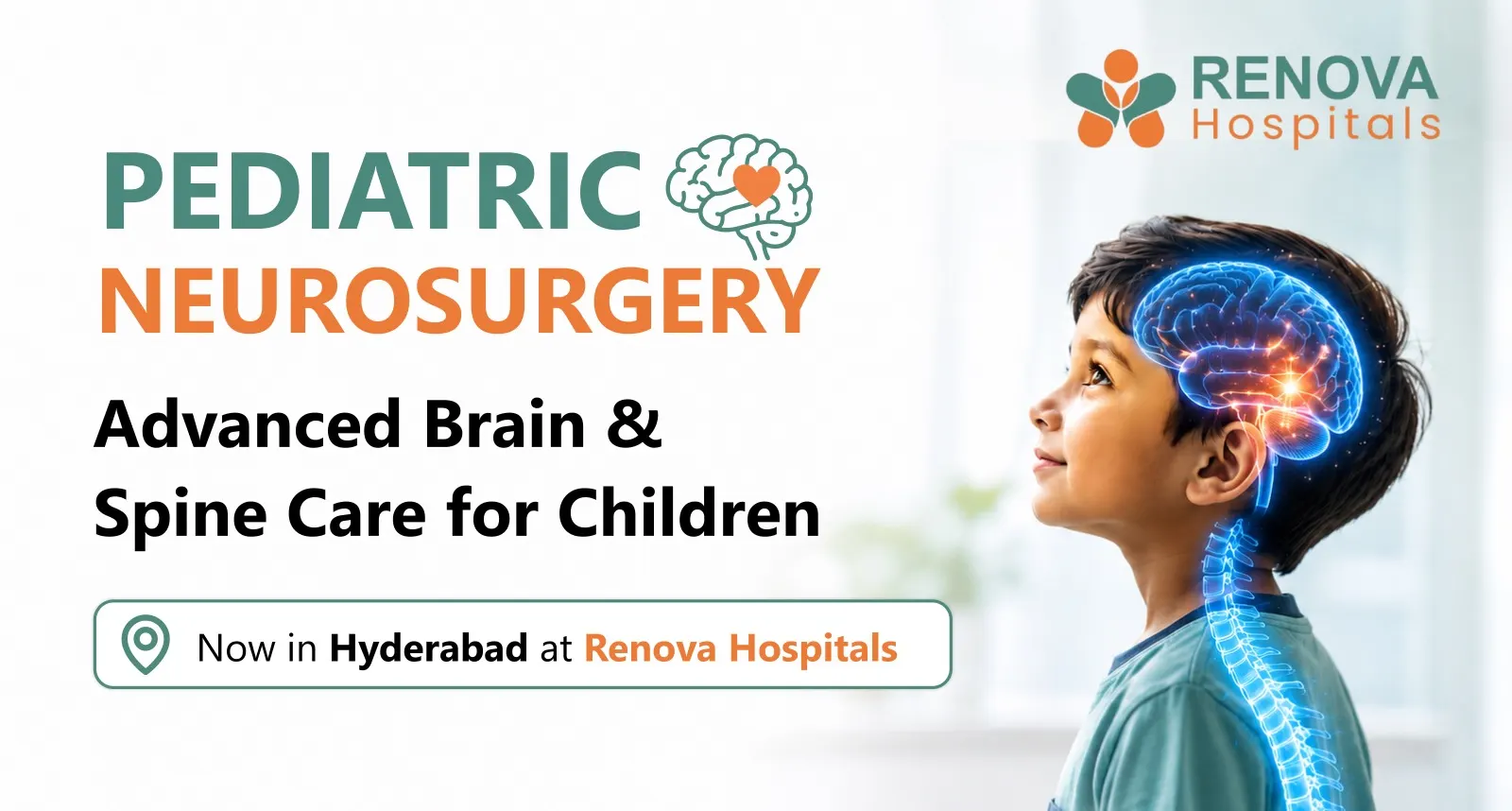
At Renova Hospitals, children with neurological and spinal conditions receive advanced pediatric neurosurgical care supported by modern technology, precision-driven treatment protocols, and compassionate multidisciplinary care.
Dr. Srinivas Thankari, an experienced neurosurgeon in Hyderabad, specialises in treating complex pediatric brain and spine disorders with a child-focused approach aimed at improving long-term neurological outcomes and quality of life.
From congenital brain abnormalities and epilepsy to pediatric brain tumours and spinal disorders, pediatric neurosurgery at Renova Hospitals focuses on delivering safe, advanced, and personalised care for every child.
What Is Pediatric Neurosurgery?
Pediatric neurosurgery is a specialised branch of neurosurgery focused on diagnosing and treating disorders affecting the brain, spine, skull, and nervous system in infants, children, and adolescents.
Unlike adults, childrenโs brains and nervous systems are continuously developing. This underscores the importance of early diagnosis and timely treatment to prevent long-term neurological complications.
Pediatric neurosurgery may help manage conditions affecting:
- Brain development
- Motor skills and mobility
- Learning and cognition
- Speech and communication
- Balance and coordination
- Vision and hearing
- Spinal growth and posture
At Renova Hospitals, pediatric neurosurgical care combines advanced diagnostics, minimally invasive techniques, rehabilitation support, and long-term developmental monitoring.
Why Is Pediatric Neurosurgery Different From Adult Neurosurgery?
Children are not simply โsmall adults.โ Their nervous systems continue to grow and change as they develop.
Pediatric neurosurgery requires:
- Child-specific surgical planning
- Specialised pediatric anaesthesia
- Minimally invasive techniques wherever possible
- Protection of developing brain tissue
- Long-term neurological monitoring
- Emotional support for both children and parents
What Conditions Are Treated in Pediatric Neurosurgery?
Dr. Srinivas Thankari and the neurosurgical team at Renova Hospitals treat a wide range of pediatric neurological and spinal conditions:
Congenital Brain and Spine Defects
Certain neurological conditions are present at birth and may affect brain or spinal cord development.
These include:
- Spina bifida
- Hydrocephalus
- Neural tube defects
- Congenital spinal abnormalities
- Encephaloceles
Early intervention can help reduce neurological complications and improve long-term mobility and development.
Pediatric Brain Tumours
Brain tumours are among the most common solid tumours in children. They may affect movement, coordination, speech, behaviour, or vision.
Symptoms may include:
- Persistent headaches
- Vomiting
- Seizures
- Vision problems
- Balance difficulties
- Behavioural changes
Advanced microsurgical techniques and precision-guided surgery at Renova Hospitals help improve safety while preserving healthy brain tissue.
According to the
American Brain Tumor Association, early diagnosis and specialised pediatric neurosurgical care significantly improve survival and neurological recovery.
Pediatric Epilepsy Surgery
Some children continue to experience seizures despite medications. In such cases, epilepsy surgery may help reduce seizure frequency and improve quality of life.
Treatment options may include:
- Focal resection surgery
- Lesion removal
- Vagus Nerve Stimulation (VNS)
- Advanced seizure mapping procedures
Successful treatment can improve learning, sleep, behaviour, and developmental progress.
Craniosynostosis
Craniosynostosis occurs when skull bones fuse too early during development, affecting head shape and brain growth.
Children may develop:
- Abnormal skull shape
- Developmental delays
- Increased pressure inside the skull
- Irritability
- Vision-related symptoms
Corrective surgery helps create adequate space for brain development while improving skull structure.
Chiari Malformations
Chiari malformation occurs when brain tissue extends into the spinal canal because of structural abnormalities in the skull.
Symptoms may include:
- Neck pain
- Headaches
- Difficulty swallowing
- Weakness
- Balance issues
- Sleep disturbances
Surgical decompression helps relieve pressure on the brainstem and spinal cord.
Tethered Cord Syndrome
In tethered cord syndrome, the spinal cord becomes abnormally attached inside the spine, restricting movement as the child grows.
Symptoms may include:
- Weakness in the legs
- Back pain
- Walking difficulties
- Foot deformities
- Bladder or bowel problems
Early surgical intervention can prevent worsening neurological damage and mobility issues.
Traumatic Brain and Spine Injuries in Children
Falls, sports injuries, and road accidents can sometimes lead to serious neurological trauma in children.
Emergency pediatric neurosurgical treatment may be needed for:
- Skull fractures
- Brain bleeding
- Spinal injuries
- Severe head trauma
- Brain swelling
Timely treatment is essential to minimise complications and preserve neurological function.
What Symptoms Should Parents Never Ignore?
Some neurological symptoms in children may initially appear mild but can indicate serious underlying conditions.
Parents should consult a specialist if a child experiences:
- Recurrent seizures
- Persistent headaches
- Vomiting without a clear cause
- Delayed developmental milestones
- Difficulty walking
- Increasing head size in infants
- Weakness in arms or legs
- Balance problems
- Loss of motor skills
- Abnormal head shape
- Chronic neck or back pain
Early diagnosis often improves treatment outcomes and long-term recovery.
How Are Pediatric Neurological Conditions Diagnosed?
Accurate diagnosis is critical before planning treatment.
MRI and CT Scans
Provide detailed images of the brain and spine to detect abnormalities.
Electroencephalogram (EEG)
Used to monitor electrical activity in the brain and diagnose epilepsy.
Ultrasound in Infants
Allows safe and non-invasive brain imaging through the infantโs soft spot (fontanelle).
X-rays
Help identify spinal or skull abnormalities.
Neurological Examinations
Assess:
- Reflexes
- Coordination
- Strength
- Sensory function
- Developmental milestones
- Balance and movement
Advanced Pediatric Neurosurgery Treatment Options at Renova Hospitals
Renova Hospitals offers advanced pediatric neurosurgical treatment using modern surgical technology and minimally invasive approaches whenever possible:
Hydrocephalus Treatment
Hydrocephalus is a condition in which excess cerebrospinal fluid builds up inside the brain.
Ventriculoperitoneal (VP) Shunt
A VP shunt helps drain excess cerebrospinal fluid and reduce intracranial pressure.
Endoscopic Third Ventriculostomy (ETV)
A minimally invasive procedure that restores fluid flow without requiring a permanent shunt in selected patients.
Epilepsy Surgery
For medically resistant epilepsy:
- Seizure-causing brain tissue may be removed
- VNS devices may help reduce seizures
- Advanced brain mapping improves surgical precision
Pediatric Brain Tumour Surgery
Microsurgical and neuronavigation-assisted procedures help remove tumours safely while preserving critical neurological functions.
Goals include:
- Maximum safe tumour removal
- Reduced complications
- Faster recovery
- Better neurological outcomes
Pediatric Spine Surgery
Spinal surgeries may be performed for:
- Tethered cord syndrome
- Congenital spinal abnormalities
- Chiari malformations
- Pediatric spinal deformities
Minimally invasive techniques may help reduce postoperative pain and recovery time.
What Happens After Pediatric Neurosurgery?
Recovery and rehabilitation are essential parts of pediatric neurological care.
Pain Management
Child-friendly pain management strategies improve postoperative comfort.
Physical Therapy
Supports mobility, coordination, and recovery of muscle strength.
Occupational Therapy
Helps children regain daily functional abilities.
Speech and Cognitive Therapy
Supports communication and developmental recovery when needed.
Long-Term Follow-Up
Regular follow-up appointments help monitor healing, neurological development, and long-term outcomes.
Why Early Pediatric Neurosurgical Treatment Matters
Delaying treatment for neurological disorders can sometimes lead to:
- Developmental delays
- Learning difficulties
- Permanent neurological damage
- Seizure progression
- Mobility issues
- Cognitive impairment
Why Choose Renova Hospitals for Pediatric Neurosurgery in Hyderabad?
Experienced Neurosurgical Expertise
Dr. Srinivas Thankari and the neurosurgical team at Renova Hospitals provide specialised care for complex pediatric brain and spine disorders.
Child-Centered Care
Treatment plans are customised according to the childโs age, condition, and developmental needs.
Advanced Technology
Modern imaging, microsurgical techniques, and minimally invasive procedures help improve precision and safety.
Multidisciplinary Support
Children benefit from coordinated care involving neurologists, rehabilitation specialists, therapists, and pediatric care teams.
Compassionate Healing Environment
Renova Hospitals focuses on providing emotional support and long-term guidance for both children and parents throughout the treatment journey.
Advanced Pediatric Brain & Spine Care at Renova Hospitals
Neurological disorders in children require timely diagnosis, specialised expertise, and long-term support. With advancements in pediatric neurosurgery, many children today can recover successfully and achieve better neurological and developmental outcomes.
If your child is experiencing seizures, developmental delays, persistent headaches, spinal abnormalities, or other neurological symptoms, early consultation with an experienced pediatric neurosurgeon is important.
At Renova Hospitals, Dr. Srinivas Thankari provides advanced pediatric neurosurgery care in Hyderabad with a focus on safety, precision, recovery, and long-term neurological wellness for children.
Disclaimer
This article has been medically reviewed and approved by Dr. Srinivas Thankari, Renova Hospitals, for educational and awareness purposes.