Key Takeaways
- Robotic joint replacement improves surgical precision and implant alignment, leading to better long-term outcomes.
- Robotic assisted knee joint replacement surgery uses 3D planning and real-time guidance for highly personalised treatment.
- Robotic knee replacement surgery reduces tissue damage and supports faster recovery compared to traditional methods.
- Advanced systems, such as the Mako robot, enhance surgeon control while maintaining complete human oversight.
- Robotic knee surgery is becoming the preferred choice for patients seeking durable, accurate, and predictable results.
Robotic joint replacement is an advanced surgical approach that uses robotic technology to assist surgeons in performing joint replacement with greater accuracy, better alignment, and improved outcomes. For patients with severe arthritis or joint damage, robotic joint replacement surgery offers a more precise and personalised alternative to conventional procedures, helping restore mobility and reduce long-term complications.
Joint pain can significantly affect daily life, making simple activities such as walking, climbing stairs, or sitting uncomfortable. With advancements in orthopaedics, robotic joint replacement is transforming how these conditions are treated, offering patients safer and more predictable results.
Understanding Robotic Joint Replacement
Robotic joint replacement is an advanced surgical technique in which a robotic system assists the surgeon in planning and performing joint replacement procedures with exceptional precision. Unlike conventional surgery, which relies heavily on manual measurements and visual judgment, this technology introduces data-driven accuracy at every stage of the procedure.
Before the surgery begins, high-resolution imaging is used to create a detailed three-dimensional model of the patientโs joint. This allows the surgeon to plan the procedure in advance, tailoring every step to the individualโs anatomy. During robotic joint replacement surgery, the robotic system provides real-time guidance, ensuring that implant placement and bone preparation are executed exactly as planned.
This combination of human expertise and technological precision significantly reduces variability and improves surgical consistency.
What Makes Robotic Assisted Knee Joint Replacement Surgery Different?
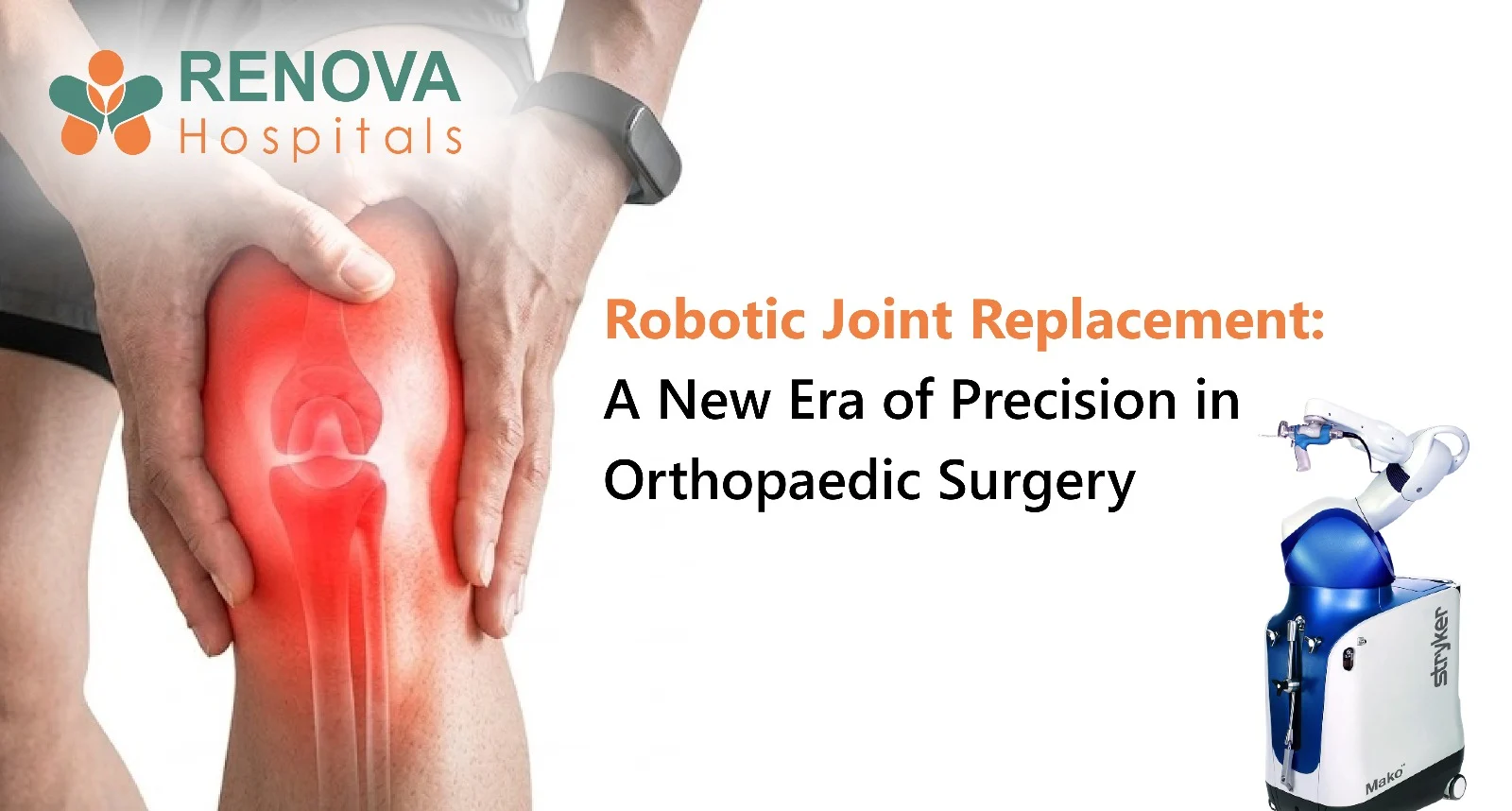
Robotic assisted knee joint replacement surgery is one of the most widely adopted applications of this technology. It focuses on enhancing surgical control and improving implant alignment in knee replacement procedures.
In traditional knee replacement, even experienced surgeons rely on handheld instruments and estimations to position the implant. While outcomes are generally good, small variations in alignment can impact the longevity and function of the joint over time.
With robotic assisted knee joint replacement surgery, surgeons can:
- Plan the surgery in detail before entering the operating room
- Visualise the patientโs joint in 3D
- Make precise, real-time adjustments during the procedure
- Ensure optimal implant positioning and alignment
This level of control has made robotic knee replacement surgery one of the most promising advancements in modern
orthopaedics.
Why Robotic Knee Replacement Is Becoming the Preferred Choice
Knee replacement is one of the most commonly performed orthopaedic procedures in India. With rising cases of osteoarthritis, affecting nearly
28โ37% of adults, the demand for better, longer-lasting surgical solutions is increasing.
This is where robotic knee replacement plays a crucial role. By improving surgical precision, it addresses one of the most critical factors in joint replacement success: accurate implant alignment.
Even minor deviations in alignment can lead to:
- Uneven wear of the implant
- Persistent pain
- Reduced mobility
- Increased risk of revision surgery
Robotic knee replacement surgery minimises these risks by ensuring that every cut and placement is aligned with the pre-planned surgical blueprint.
How Robotic Knee Surgery Works
The process of robotic knee surgery involves three key stages:
1. Pre-operative Planning
A CT scan or advanced imaging is used to create a 3D model of the patientโs knee. This allows the surgeon to design a personalised surgical plan, including implant size, positioning, and alignment.
2. Intraoperative Guidance
During robotic knee replacement surgery, the robotic system provides real-time data and visual guidance. This helps the surgeon execute the plan with a high degree of accuracy.
3. Precision Execution
The system ensures that surgical instruments stay within predefined boundaries, protecting surrounding tissues while achieving precise bone cuts and implant placement.
This structured approach significantly enhances surgical outcomes compared to conventional techniques.
The MAKO Robot: Advancing Precision Surgery
One of the most widely used platforms in
robotic joint replacement surgery is the Mako robot. Known for its advanced capabilities, it has become a global gold standard for robotic orthopaedic procedures.
The mako robot enables surgeons to:
- Develop a CT-based 3D surgical plan
- Receive real-time feedback during surgery
- Maintain high accuracy through haptic guidance
- Avoid unnecessary damage to healthy bone and tissue
A key advantage of the mako robot is its tactile feedback, which helps ensure the surgeon does not move beyond the planned surgical boundaries. This adds an extra layer of safety and precision to the procedure.
Importantly, the robotic system does not operate independently; the surgeon remains fully in control throughout the surgery.
Benefits of Robotic Knee Replacement Surgery
Patients undergoing robotic knee replacement surgery at Renova Hospitals may experience several advantages compared to traditional methods:
Greater Precision
The robotic system ensures accurate implant positioning, a critical factor for long-term success.
Improved Joint Alignment
Better alignment helps restore natural movement and improves overall function.
Reduced Tissue Damage
Robotic knee surgery enables surgeons to preserve healthy bone and soft tissue, reducing trauma during the procedure.
Faster Recovery
Many patients experience quicker recovery and earlier mobilisation due to minimal tissue disruption.
Enhanced Implant Longevity
Precise placement reduces wear and tear, potentially extending the implant's lifespan.
These benefits make robotic assisted knee joint replacement surgery an increasingly preferred option for patients seeking reliable and durable results.
Who Is a Good Candidate for Robotic Joint Replacement?
Not every patient requires
robotic surgery, but robotic joint replacement is particularly beneficial for individuals who:
- Have moderate to severe knee arthritis
- Experience chronic pain affecting mobility and quality of life
- Have not responded to medications, physiotherapy, or injections
- Have complex joint anatomy requiring customised planning
- Want a more precise and predictable surgical outcome
A detailed evaluation by an orthopaedic specialist at Renova Hospitals can help determine whether robotic knee replacement is the right choice.
Clinical Evidence Supporting Robotic Knee Replacement
The growing adoption of robotic knee replacement surgery is backed by clinical research and real-world outcomes.
Studies conducted in India have demonstrated high levels of accuracy in implant positioning and strong intraoperative safety in robotic-assisted procedures.
Experts in orthopaedics have also observed improved alignment and consistency in robotic knee surgery, which directly contributes to better patient satisfaction and long-term outcomes.
As technology continues to evolve, these benefits are expected to become even more pronounced.
The Future of Robotic Joint Replacement in India
The integration of robotics into orthopaedic care is rapidly expanding across India. With increasing awareness and accessibility, robotic joint replacement surgery is becoming a standard of care in leading hospitals.
Future developments may include:
- AI-driven surgical planning for even greater accuracy
- Smaller and more accessible robotic systems
- Expansion into other joints, such as the shoulder and ankle
- Improved implant materials for enhanced durability
As these advancements continue, robotic knee replacement surgery is set to play a central role in the future of orthopaedic treatment.
Choose Precision for Better Mobility
Living with joint pain should not be a long-term compromise. With advancements like robotic joint replacement, patients now have access to safer, more precise, and more effective surgical options.
If you are considering robotic knee replacement surgery, the first step is a consultation with a specialist who can guide you through your treatment options and help you make an informed decision.
At Renova Hospitals, the combination of experienced orthopaedic surgeons and advanced systems, such as the Mako robot, ensures patients receive world-class care tailored to their needs.