Overview
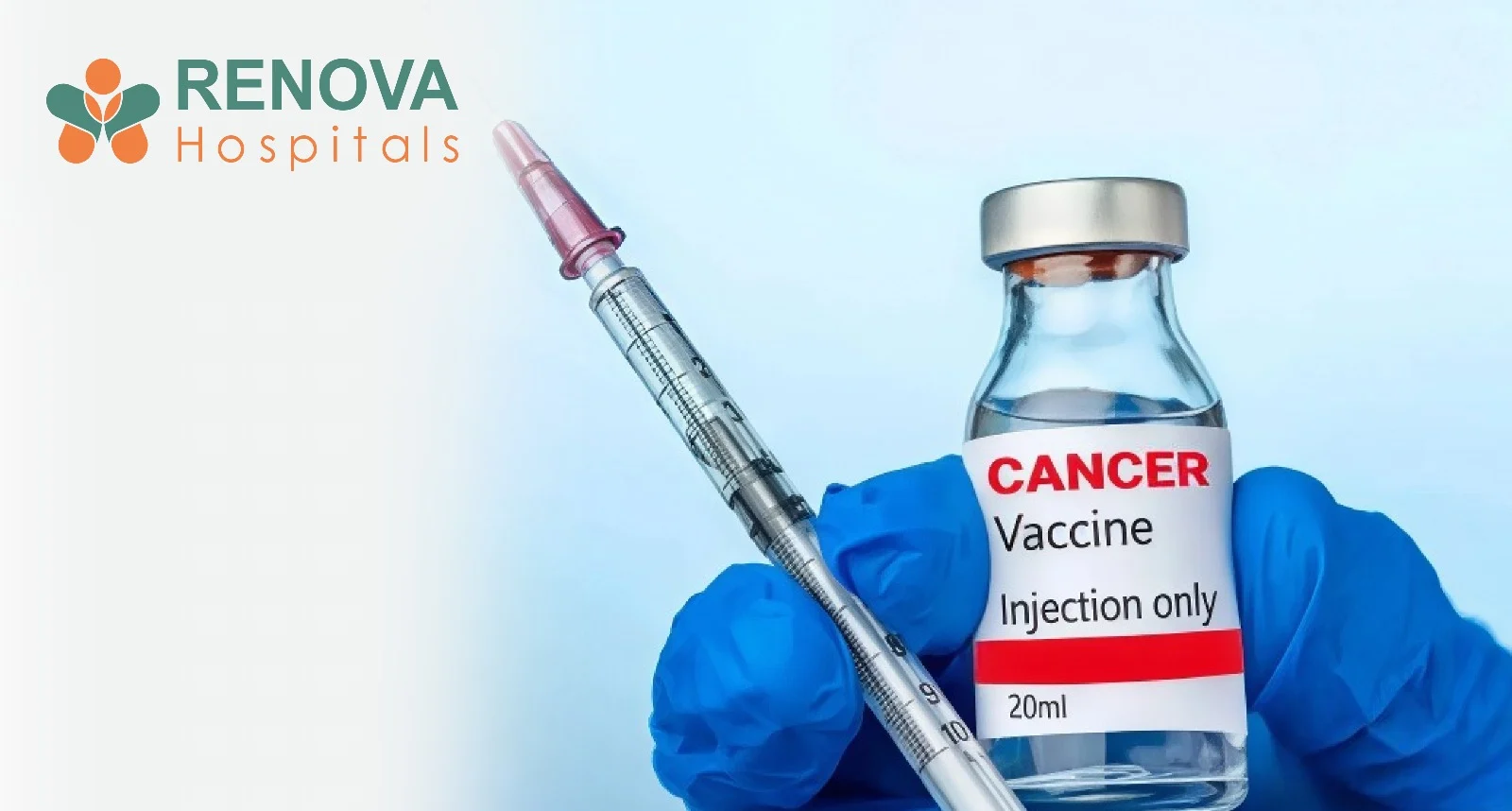
Russia’s Enteromix cancer vaccine is an experimental mRNA-based therapeutic vaccine currently in early research stages. There is no published large-scale human clinical trial data proving its safety or effectiveness, and it is not approved or available in India. While cancer vaccines are a promising area of research, Enteromix should not be considered a cure.
Many cancers are already curable when detected early, and advanced cancers benefit from evidence-based treatments such as immunotherapy, targeted therapy, and personalised oncology care. Patients are advised to rely on proven medical treatments and consult qualified oncologists rather than unverified claims.
In recent months, the phrase “Russia’s Enteromix cancer vaccine” has surged across Google searches, social media platforms, and health discussion forums. For many cancer patients and families, these reports have sparked a mix of hope, curiosity, and confusion, especially when the vaccine is portrayed as a new cancer cure or a revolutionary cancer treatment.
At Renova Hospitals, our
oncology teams believe that accurate medical information is as important as advanced treatment. In cancer care, misinformation can be dangerous, delaying effective therapy and increasing emotional distress.
This article provides a detailed, medically responsible explanation of the Enteromix cancer vaccine, its scientific basis, its current evidence status, and what patients in India and globally should realistically understand.
Why Cancer “Breakthrough” Announcements Need Medical Scrutiny
Cancer is often discussed as though it were a single disease, but medically, it is one of the most complex groups of illnesses known. Each cancer behaves differently depending on genetics, tumour biology, immune interaction, and stage at diagnosis. Because of this complexity, claims of a single vaccine curing cancer must be examined with caution.
Historically, many experimental cancer therapies showed early promise but failed to demonstrate benefit in real patients. Oncology, therefore, relies on strict clinical trial processes to protect patient safety.
Key reasons cancer breakthrough claims require careful evaluation include:
- Results from laboratory or animal studies may not translate to humans
- Immune responses to cancer vary widely between individuals
- Tumours can adapt and evade immune attacks
- Side effects may only appear during large-scale human trials
Renova Hospitals consistently emphasises that scientific evidence, not headlines, should guide cancer treatment decisions.
What Exactly Is the Enteromix Cancer Vaccine?
The Enteromix cancer vaccine is described as an experimental therapeutic cancer vaccine developed in Russia, reportedly using mRNA-based technology. Unlike preventive vaccines, therapeutic cancer vaccines are designed to treat an existing cancer, not prevent its occurrence.
Understanding Therapeutic Cancer Vaccines
Therapeutic cancer vaccines aim to:
- Train the immune system to recognise cancer cells
- Target tumour-specific or tumour-associated antigens
- Activate immune cells, particularly T-cells, against cancer
Important facts patients should clearly understand:
- Enteromix is not a preventive vaccine like HPV
- It is not an approved cancer treatment
- It is still in early or pre-clinical research stages
- There is no published large-scale human clinical trial data
At present, Enteromix should be viewed as experimental cancer research, not a proven cancer therapy.
How Reliable Is the Enteromix Cancer Vaccine as a Treatment?
Reliability in cancer treatment is established only after extensive clinical testing and independent verification. In oncology, hope alone is never enough; data matters.
For any new cancer therapy to be considered reliable, it must demonstrate:
- Safety through Phase 1 clinical trials
- Early effectiveness through Phase 2 trials
- Clear benefit compared to standard treatment in Phase 3 trials
- Peer-reviewed publication in medical journals
- Regulatory approval by recognised authorities
Current Evidence Status of Enteromix
Based on publicly available information:
- No Phase 3 human clinical trial results have been published
- No validated tumour response rates are available
- No survival benefit data has been released
- No approvals exist from international or Indian regulators
While mRNA cancer vaccines are an active area of global research, Enteromix does not currently meet the standards of evidence-based cancer treatment.
What Can Cancer Patients Realistically Expect from Enteromix?
Cancer patients naturally seek hope, especially when facing difficult diagnoses. However, unrealistic expectations can delay proven cancer treatment, leading to worse outcomes.
If future trials demonstrate benefit, realistic expectations may include:
- Improved immune detection of cancer cells
- Partial tumour response in selected cancer types
- Disease stabilisation rather than cure
- Use alongside chemotherapy, immunotherapy, or targeted therapy
Patients should not expect at this stage:
- Guaranteed cancer cure
- Immediate access in India or elsewhere
- Effectiveness across all cancers
- Replacement of standard oncology treatments
At Renova Hospitals, patients are guided toward realistic, evidence-based expectations, not speculative promises.
Can Cancer Ever Truly Be Cured?
One of the most searched oncology questions worldwide is: “Is cancer curable?” The answer depends on cancer type, stage, and timing of diagnosis.
Cancers That Are Already Curable
Many cancers are already curable, particularly when detected early and treated appropriately, including:
- Early-stage breast cancer
- Testicular cancer
- Certain colorectal cancers
- Several leukemias and lymphomas
Advanced Cancer: A Different Goal
For advanced or metastatic cancers, modern oncology focuses on:
- Long-term disease control
- Prolonged survival
- Improved quality of life
- Conversion of cancer into a chronic condition
Because cancer is biologically diverse, a single universal cancer cure is unlikely, but personalised cancer treatment continues to deliver meaningful progress.
How Does the Enteromix Cancer Vaccine Work?
Enteromix is described as an mRNA-based cancer
immunotherapy, a technology platform that instructs the body to produce specific proteins that trigger immune responses.
Proposed Mechanism of Action
In theory, the vaccine works by:
- Delivering mRNA instructions encoding tumour-related antigens
- Presenting these antigens to immune cells
- Activating cytotoxic T-cells
- Directing immune attack toward cancer cells
What Is Still Unknown
Despite these theoretical mechanisms, several key questions remain unanswered:
- Which tumour antigens are targeted
- Which cancer types are included
- Whether immune activation leads to real tumour shrinkage
- How long the immune response lasts
- What side effects may occur.
Without published human trial data, this mechanism remains theoretical, not clinically proven.
Can Early Cancer Vaccines Eliminate Cancer Cells Completely?
The idea of eliminating cancer cells through vaccination is compelling, but cancer biology is highly complex.
Currently:
- There is no clinical evidence that Enteromix eliminates cancer cells in humans
- No data supports complete tumour eradication
- No proof exists of long-term remission due to this vaccine.
Most successful cancer treatment requires multimodal therapy, including:
- Surgery
- Chemotherapy
- Radiation therapy
- Targeted cancer therapy
- Immunotherapy
If proven effective, cancer vaccines are likely to serve as adjunct treatments, not standalone cures.
Is the Enteromix Cancer Vaccine Available in India?
At present, the Enteromix cancer vaccine is not available in India.
For approval and availability in India, a cancer vaccine must:
- Complete well-designed human clinical trials
- Demonstrate safety and efficacy
- Receive CDSCO approval
- Undergo ethical and regulatory review
Currently:
- No CDSCO approval exists
- No Indian clinical trials are registered
- No official availability timeline has been announced
Any claims suggesting immediate access should be treated with caution.
Safety Advice for Cancer Patients from Renova Hospitals
Cancer patients are particularly vulnerable to misleading information. Before considering experimental cancer treatments, Renova Hospitals strongly advises strict safety measures.
Patients should:
- Verify clinical trial registration on official platforms
- Avoid unregulated overseas cancer treatments
- Demand peer-reviewed scientific publications
- Consult qualified medical oncologists
- Avoid social-media-driven medical decisions
Delaying evidence-based cancer treatment can significantly reduce survival and treatment success.
Where Do Cancer Vaccines Fit in Modern Oncology?
Cancer vaccines are part of a broader shift toward precision oncology and immune-based cancer care, but they are not standalone solutions.
Modern cancer treatment includes:
- Immune checkpoint inhibitors
- Targeted molecular therapies
- Cell-based therapies such as CAR-T
- Genomic and molecular profiling
Cancer vaccines remain experimental tools that may complement standard cancer therapy in the future.
Expert Oncology Perspective from Renova Hospitals
According to me,
Dr. Rajesh Bollam, innovation in oncology must always be guided by data, ethics, and patient safety. While Enteromix reflects progress in cancer research, it should not be interpreted as a confirmed cure for cancer.
Until robust human clinical trial data are published, standard evidence-based cancer treatment remains the safest and most effective approach.
What Patients Should Remember
- Enteromix is experimental, not proven
- No published large-scale human trial data exists
- Cancer cures already exist for some early cancers
- Advanced cancers benefit from long-term disease control strategies
- Evidence-based care saves lives
Patients should make treatment decisions in partnership with qualified oncologists—not online speculation.