Renova Hospitals Logo
Home Blogs Importance of vaccination and how it helps
Importance of vaccination and how it helps

By Renova Hospitals

April 28, 2023

Importance of vaccination and how it helps

Vaccines are one of the greatest advances in medicine — quietly preventing serious, once-common diseases. But questions about how they work and whether they're safe are common and fair. Here's a clear look at how vaccination protects you, what the science says about safety, and which vaccines still matter in adulthood.

Prevention is better than cure.

We have heard this adage since we were kids. And, there’s no better example to prove it than vaccination. Until the pandemic, not many of us gave it a thought even though we all got vaccinated as infants. We also read about the vaccines for polio and smallpox growing up. But, none of us dug deeper.

Now that the COVID-19 vaccine is being administered, there are multiple questions in our minds – Are they safe? Do they have side-effects? Is it mandatory to get vaccinated? What if we have an adverse reaction? We have penned this article to educate you about vaccines and give you the answers to these questions.

What is a vaccine?

A vaccine is an immunization dose that consists of an inactive, weak, or dead form of the disease causing virus or bacterium. It is injected into the body to trigger an immune response and build natural immunity against the disease without being infected by it. After getting vaccinated, if you are exposed to the organism, the body will be ready to fight because it already has the required antibodies.

It is thanks to vaccines that we have successfully eradicated deadly diseases such as smallpox and polio. 

The fear of vaccination arises from the fact that the disease-causing organism is introduced into the body. Many people worry that this may lead to health problems. That is why there is resistance among the masses. However, it is important to note that a vaccine is made by deactivating the disease-causing part of the organism or killing it so that it is incapable of harming you. Only a few symptoms such as fever may be seen in some patients but that’s only because the body is producing the required antibodies and not because it is falling victim to the disease.

How do vaccines help?

There are many reasons why you should take a vaccine and ignore the naysayers. A few of them are as follows:

  • They help prevent diseases that could otherwise be life-altering or cause death.
  • Vaccines build immunity against a wide variety of diseases that may be easily be transmissible.
  • Vaccines are extremely safe.
  • They are the best possible answer to deadly diseases.
  • They don’t just protect you but also your future generations especially in case of diseases such as Rubella wherein the disability can be inherited.
  • Vaccines are affordable and can save money. Treating diseases is a long process and requires a lot of money.

Conclusion

Vaccines are the best bet to stay safe and live free of diseases. Once they are approved, there is no reason why you shouldn’t get them. It is not just a privilege to live in such medically advanced times but also our social responsibility. Vaccination protects everyone – you and the community.

Want to connect with a specialist?

Book your appointment now

Recent Blogs

Our healthcare specialists are equipped with the knowledge and skills to provide you with the support you require. From consultation to diagnosis to treatments, our experts are dedicated to helping you.

When should palliative care begin for cancer patients?
Pain & Palliative Care

What Is Palliative Care in Cancer and When Should It Begin?

21 October 2026 | By Dr. P. S. Vijayender Goud

Understand what palliative care means in cancer, when it can begin, and how it helps manage symptoms, improve comfort, a...

Essential health tests for adults over 40
General Medicine

Preventive Health Checkups After 40: Tests Everyone Should Consider

19 October 2026 | By Dr. Naresh Gundapuneni

Learn about important preventive health checkups and screening tests after 40 to detect potential health risks early and...

Understanding fatty liver disease – stages and symptoms
General Medicine

Fatty Liver Disease: Stages, Symptoms and How to Reverse It

16 October 2026 | By Dr. Dheeraj Kumar Anupa

Learn about fatty liver disease, its stages and symptoms, along with lifestyle changes and treatment approaches that can...

Advanced minimally invasive spine surgery for faster recovery
Neurosurgery

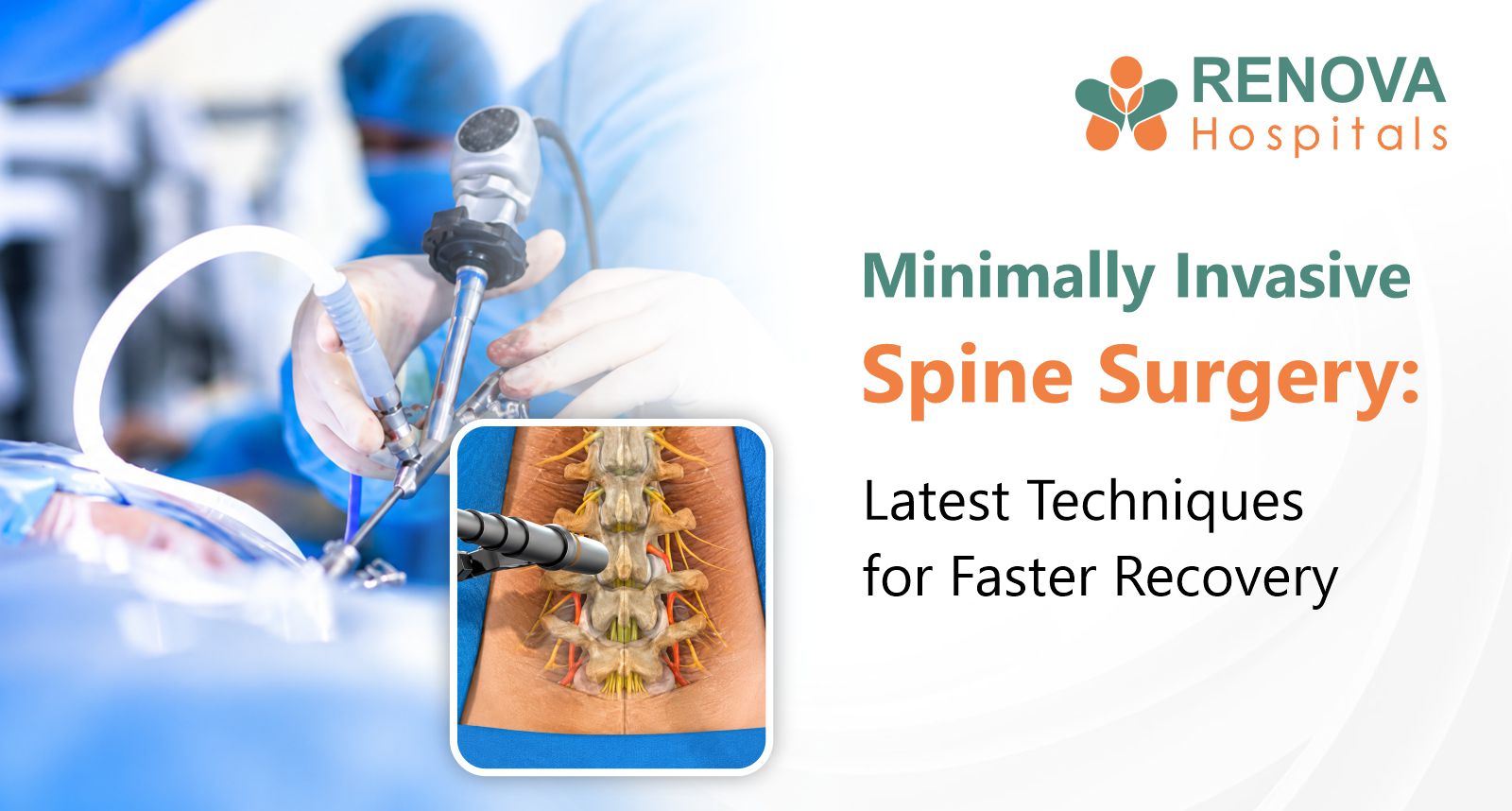
Minimally Invasive Spine Surgery: Latest Techniques for Faster Recovery

14 October 2026 | By Dr. Syed Ameer Basha Paspala

Explore the latest minimally invasive spine surgery techniques, their potential benefits, and how these advanced approac...

When is a pacemaker needed? Understanding pacemaker implantation
Cardiology

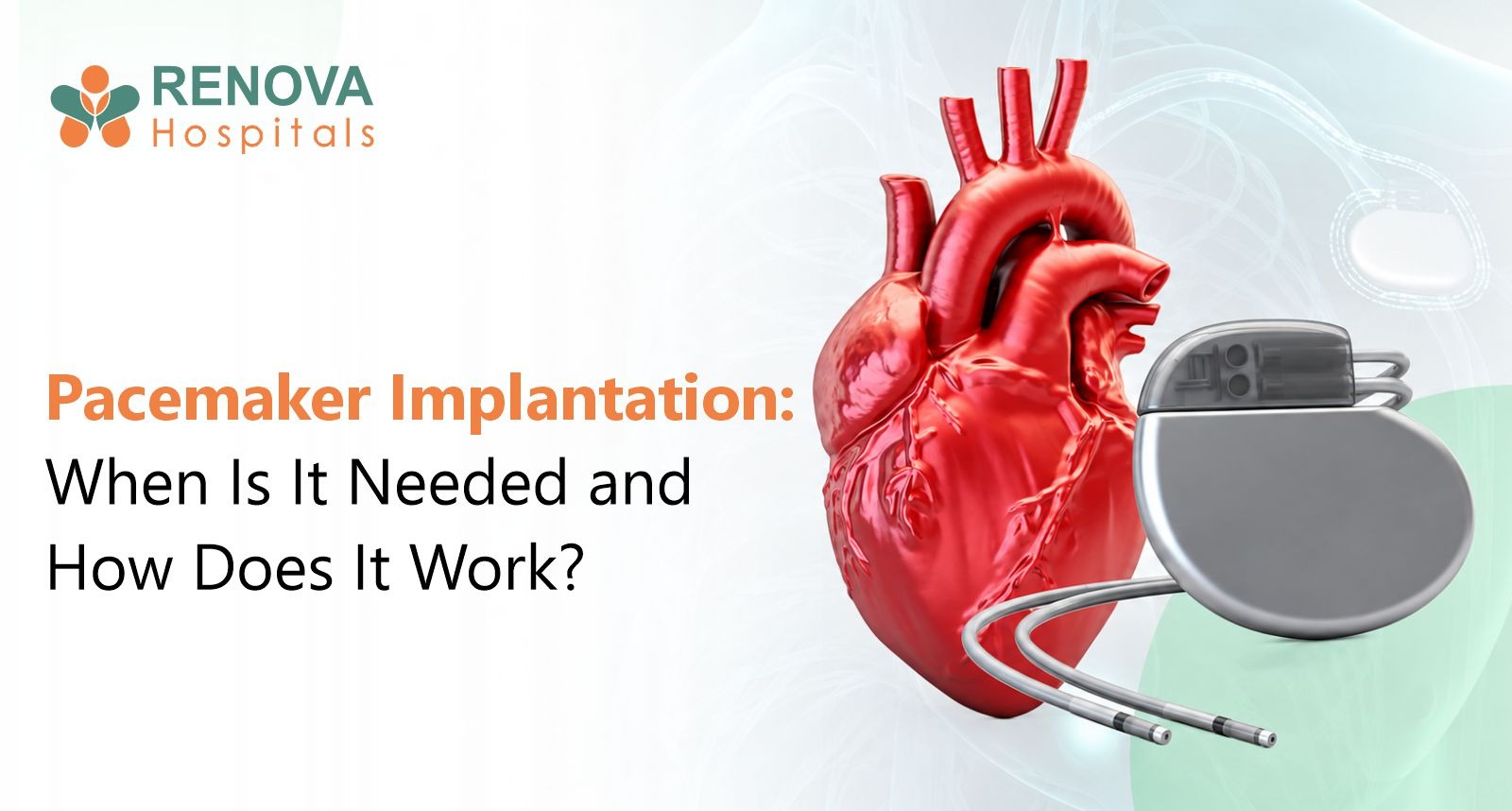
Pacemaker Implantation: When Is It Needed and How Does It Work?

12 October 2026 | By Dr. Mohammed Shoeb Ahmed

Pacemaker implantation: understand when a pacemaker is needed, the types available, how the procedure works, and what re...

Long-term care and rehabilitation after stroke

Stroke Rehabilitation: Recovery After Stroke and Long-Term Care

09 October 2026 | By Dr. Lalitha Pidaparthi

Learn about stroke rehabilitation, recovery after stroke, therapy options, long-term care, and strategies to support mob...

Call Us Request a
Callback
WhatsApp


Corporate Office

Plot No. 270/A, Padmaja Tower, 2nd Floor, MLA Colony, Road No. 12, Banjara Hills, Hyderabad - 500034

Phone: 040 2333 3333