Key Takeaways
- Ebola is one of the deadliest infectious diseases, with fatality rates reaching up to 90% in some outbreaks.
- Symptoms of Ebola typically appear between 2 and 21 days after exposure to the virus.
- Fruit bats are believed to be the natural hosts and primary reservoirs of the Ebola virus.
- Healthcare workers and caregivers face the highest risk of Ebola exposure during outbreaks.
- Not all Ebola patients experience visible bleeding despite the disease being a hemorrhagic fever.
- Laboratory tests, such as PCR, are essential for confirming an Ebola infection.
- The Ebola vaccine has become a major breakthrough in controlling outbreaks and protecting high-risk populations.
- Many Ebola survivors recover, but some may experience long-term physical and mental health complications.
What Is Ebola Virus Disease?
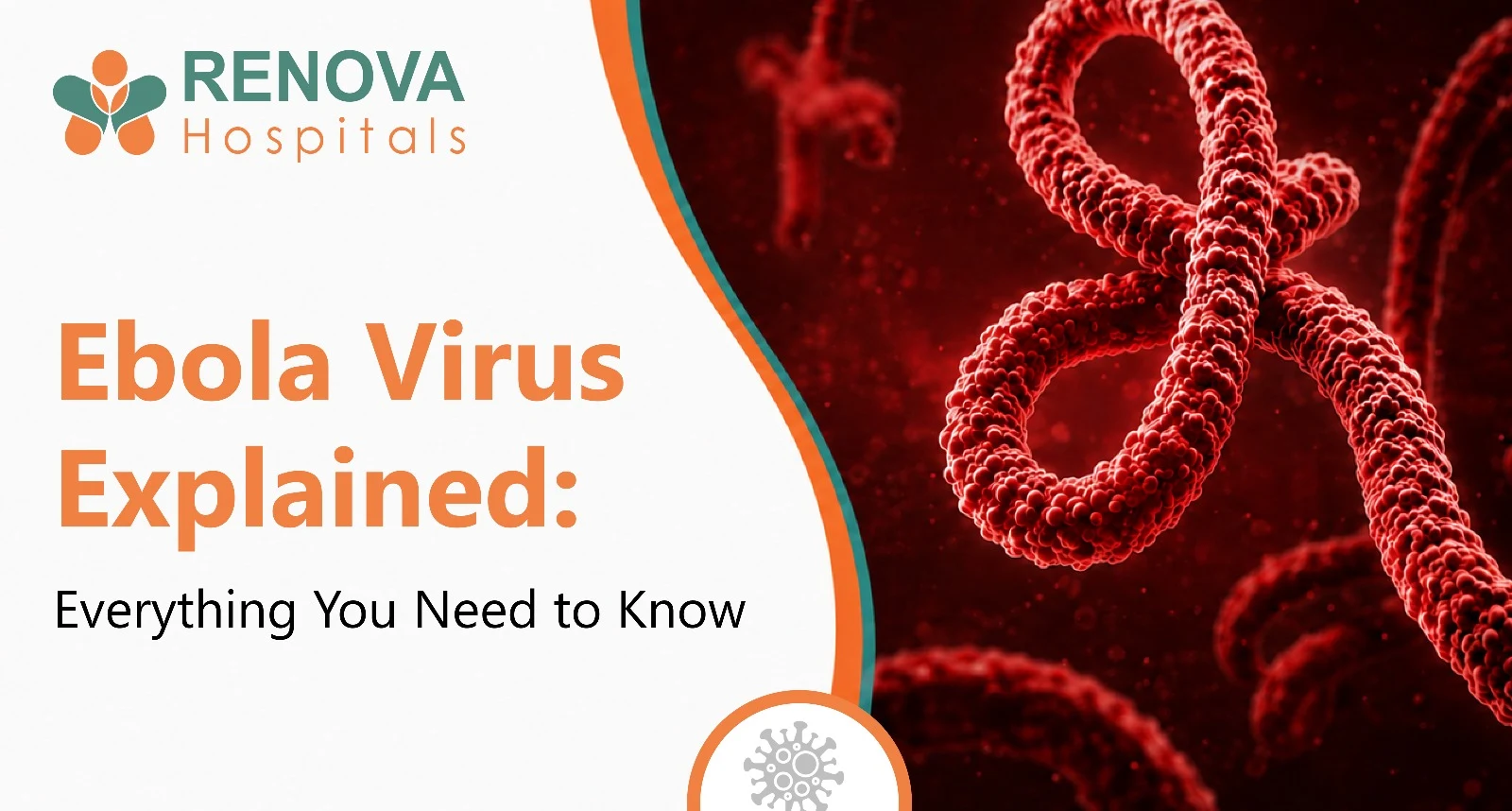
Ebola Virus Disease (EVD) is a severe and often life-threatening illness caused by infection with the Ebola virus. It belongs to a group of illnesses known as viral hemorrhagic fevers, caused by an infection with an orthoebolavirus. It can affect multiple organs and lead to severe bleeding, shock, and organ failure.
It is a highly contagious viral infection that spreads through direct contact with infected body fluids and can cause severe illness if left untreated.
Ebola Virus Disease (EVD) is one of the most severe and feared infectious diseases in the world. The earliest known Ebola outbreaks were reported in isolated communities in Central Africa, particularly in regions close to dense tropical rainforests. The largest and most severe Ebola outbreak occurred between 2014 and 2016 in West Africa.
The illness initially emerged in Guinea and subsequently spread across neighbouring countries, including Sierra Leone and Liberia, through cross-border transmission.
Ebola virus disease frequently proves fatal. Recovery largely relies on adequate supportive medical care and the individual's immune response. The fatality rate has ranged from 25% to 90% in previous outbreaks. On average, the fatality rate stands at about 50%.
What Are the Types of Ebola Virus?
Four Ebola virus species are known to cause disease in humans:
- Bundibugyo ebolavirus (BDBV): Causes Bundibugyo Virus Disease and is generally less deadly.
- Sudan ebolavirus (SVD): Causes Sudan Virus Disease and can lead to severe outbreaks.
- Taรฏ Forest ebolavirus (TAFV): The rarest Ebola virus known to infect humans.
- Zaire ebolavirus (EVD): Causes Ebola Virus Disease and is the most common and deadliest strain.
How is the Ebola virus transmitted?
- Blood from an infected person
- Saliva
- Sweat
- Vomit
- Urine
- Feces
- Breast milk
- Semen
- Bodily fluids from deceased patients
The virus can also spread through contaminated objects such as:
- Needles
- Medical equipment
- Bedding
- Clothing
Unlike influenza or COVID-19, Ebola infection is not typically transmitted through the air.
How Is Ebola Transmitted Between People?
Ebola
transmission usually occurs when a healthy person comes into direct contact with an infected individual's bodily fluids. Healthcare workers, caregivers, and family members are often at higher risk due to close patient contact.
Traditional burial practices involving direct contact with the body of a deceased Ebola virus patient have also contributed to outbreaks in the past.
What Causes Ebola Virus Disease?
Ebola Virus Disease is caused by several Ebola virus species in the Filoviridae family.
Scientists believe fruit bats serve as the natural reservoir of the virus. Human infections may begin when people come into contact with infected animals such as:
- Fruit bats
- Monkeys
- Chimpanzees
- Gorillas
- Forest antelope
Once the virus enters the human population, person-to-person transmission can rapidly occur without proper infection-control measures.
What Are the Symptoms of Ebola?
Symptoms usually appear between 2 and 21 days after exposure to the virus.
Early Symptoms
The initial
symptoms often resemble those of common infections such as the flu, malaria, or typhoid fever.
Common early symptoms include:
- High fever
- Severe headache
- Fatigue
- Muscle pain
- Weakness
- Sore throat
Advanced Symptoms
As the disease progresses, symptoms become more severe and may include:
- Vomiting
- Red eyes
- Severe diarrhea
- Abdominal pain
- Skin rash
- Difficulty breathing
- Chest pain
- Organ dysfunction
In severe cases, patients may develop:
- Internal bleeding
- Bleeding from the nose
- Bleeding gums
- Blood in stool or vomit
Not every Ebola virus patient experiences visible bleeding, but the disease can still be life-threatening.
How Is Ebola Diagnosed?
Diagnosing Ebola requires specialised laboratory testing.
Doctors typically evaluate:
- Travel history
- Exposure history
- Symptoms
- Laboratory findings
Diagnostic tests may include:
- PCR testing
- Antigen detection tests
- Blood analysis
Because symptoms can resemble other infections, laboratory confirmation is necessary.
Why Is Ebola So Dangerous?
Ebola attacks multiple organ systems simultaneously.
The virus damages:
- Blood vessels
- Liver
- Kidneys
- Immune system
- Gastrointestinal tract
This widespread damage can result in:
- Severe dehydration
- Low blood pressure
- Shock
- Multi-organ failure
Without proper medical care, complications can develop rapidly, making Ebola one of the most serious
viral infections known to medicine.
What Is the Ebola Virus Death Rate?
The fatality rate of Ebola varies depending on:
- The specific virus strain
- Access to healthcare
- Speed of diagnosis
- Availability of treatment
Historically, Ebola outbreaks have shown case fatality rates ranging from 25% to 90%.
Ebola Virus Mortality Rate
The Ebola virus mortality rate has improved significantly in recent years because of advances in supportive care and targeted therapies.
Patients who receive:
- Early diagnosis
- Intensive medical care
- Fluid replacement
- Advanced monitoring
Ebola Virus Death Toll
The Ebola virus death toll has been significant across multiple outbreaks.
The largest outbreak in West Africa between 2014 and 2016 resulted in more than 11,000 deaths and highlighted the need for stronger global outbreak preparedness.
Although more recent outbreaks have been better controlled, Ebola remains a disease capable of causing substantial loss of life if not contained quickly.
Is Ebola Treatable?
Yes. Modern medicine has significantly improved the treatment of Ebola.
Current treatment approaches include:
Supportive Care
Patients receive:
- Intravenous fluids
- Electrolyte replacement
- Oxygen support
- Blood pressure management
- Nutritional support
Advanced Therapies
Several monoclonal antibody treatments have shown promising results in reducing deaths
.
These therapies target the Ebola virus directly and help the immune system fight infection more effectively.
The earlier treatment begins, the greater the chance of survival.
Ebola Virus Vaccine: A Major Breakthrough
One of the biggest achievements in infectious disease medicine has been the development of the Ebola virus vaccine.
The vaccine has played a critical role in controlling outbreaks and protecting high-risk populations.
Who Should Receive the Ebola Vaccine?
The vaccine is commonly offered to:
- Healthcare workers
- Laboratory personnel
- Outbreak response teams
- Individuals exposed during outbreaks
Benefits of the Ebola Virus Vaccine
The Ebola virus vaccine helps:
- Reduce infection risk
- Limit outbreak spread
- Protect frontline healthcare workers.
- Improve public health preparedness.
Ebola vaccination has become a key strategy in preventing large-scale outbreaks.
Ebola Virus Prevention: How Can You Protect Yourself?
Effective Ebola virus prevention relies on minimising exposure and maintaining strict infection-control practices.
Prevention Measures
Avoid Direct Contact
Avoid contact with:
- Blood
- Bodily fluids
- Infected individuals
- Contaminated materials
Practice Good Hand Hygiene
Regular handwashing remains one of the most effective preventive measures.
Use Protective Equipment
Healthcare workers should wear:
- Gloves
- Masks
- Face shields
- Protective gowns
Follow Safe Burial Practices
Safe handling of deceased individuals is essential during outbreaks.
Vaccination
Can Ebola Survivors Recover Fully?
Many survivors make a substantial recovery, but some experience long-term health challenges.
These may include:
- Muscle and joint pain
- Headaches
- Eye problems
- Fatigue
- Weight gain
- Stomach pain
- Hearing difficulties
- Loss of appetite
- Mental health concerns
In a few cases, the Ebola virus may remain hidden in certain body areas after recovery and can cause symptoms later on. Follow-up care is important for helping survivors manage these complications and improve their quality of life.