A
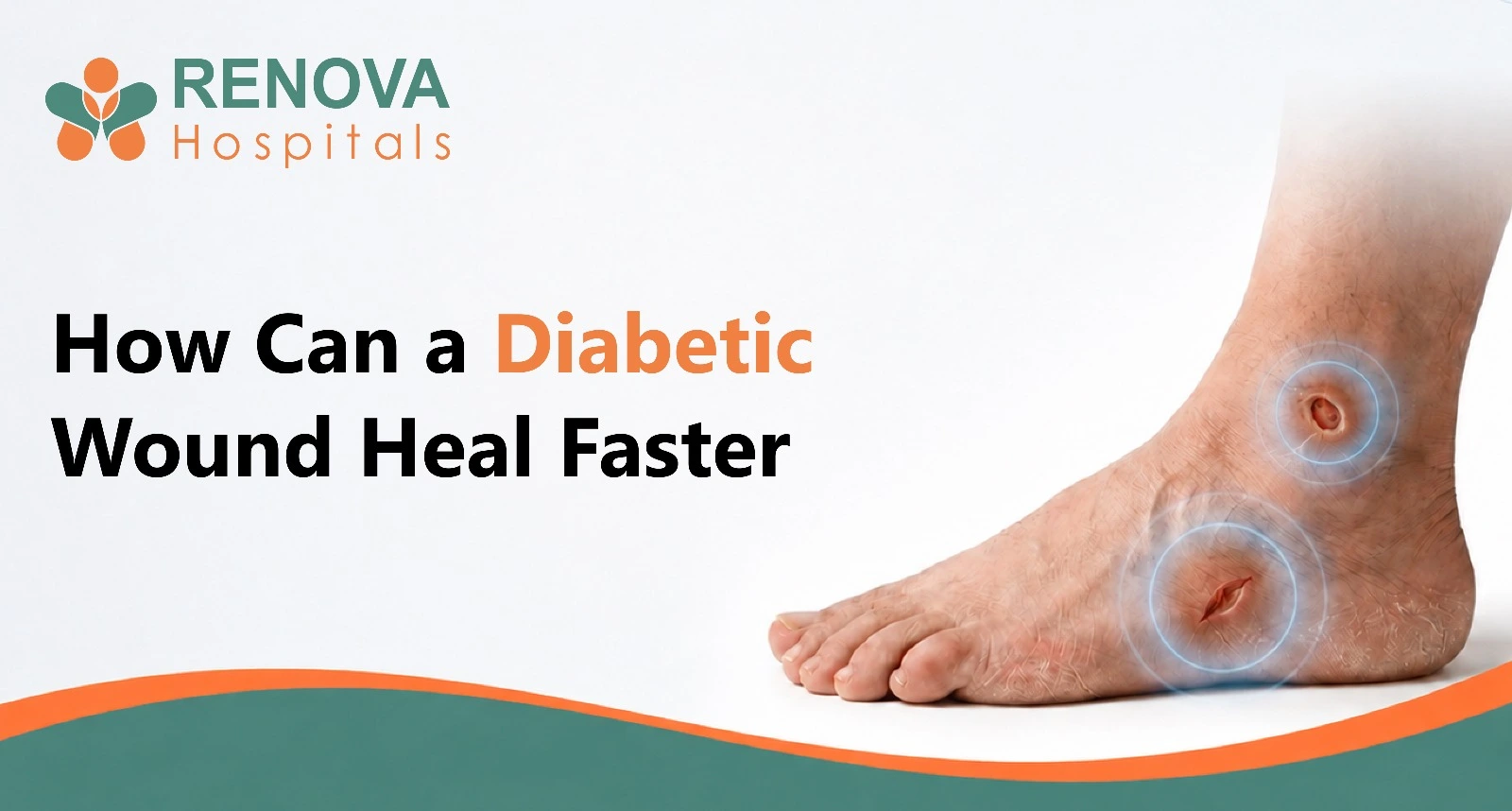
diabetic wound heals faster when pressure is removed from the affected area, infection and poor blood flow are identified early, blood glucose is managed, dead tissue is treated appropriately and the wound is protected with a suitable dressing. A foot ulcer should be assessed promptly, even when it appears small or painless.
Key Takeaways
- Do not continue normal walking on a diabetic foot ulcer unless the treating team says it is safe.
- Pressure relief, also called offloading, is one of the most important parts of healing a plantar foot ulcer.
- Good glucose control supports healing but does not replace wound treatment.
- Antibiotics are used only when a wound is clinically infected.
- Blood-flow assessment, debridement, dressings, nutrition and regular review may all be required.
- A painless wound can still be deep or infected because diabetic neuropathy reduces sensation.
When does a diabetic wound need urgent care? Seek urgent medical care for spreading redness, swelling, warmth, pus, foul smell, black tissue, fever, chills, rapidly increasing pain, exposed bone, sudden colour change, or a foot that becomes cold, pale, blue or numb. Visit
Emergency Medicine or call 040 2333 3333.
Why Do Diabetic Wounds Heal Slowly?
Diabetes can delay healing in several ways. High blood glucose can impair immune function. Nerve damage may prevent a person from feeling an injury, allowing repeated pressure to continue. Peripheral artery disease can reduce the blood and oxygen reaching the foot. Infection, kidney disease, smoking, poor nutrition and unsuitable footwear can further slow healing.
What Are the Most Important Steps for Faster Healing?
1. Get the Wound Assessed Early
Every diabetes-related foot ulcer should be evaluated promptly. The clinician assesses its depth, location, infection, circulation, sensation and pressure points. A small surface opening may extend deeper than it appears.
2. Remove Pressure From the Wound
Offloading reduces mechanical stress on the ulcer. Depending on the wound, the team may recommend a cast, removable walker, specialised shoe, insole, felted foam, crutches or restricted weight-bearing. Do not make your own padding or continue walking because the wound does not hurt.
3. Manage Blood Glucose
Keeping glucose within the target set by the diabetes team supports immune function and tissue repair. Take prescribed medicines consistently and monitor glucose as advised. Repeated high readings, frequent low readings or illness may require treatment adjustment.
4. Use the Correct Dressing
The suitable dressing depends on wound depth, drainage, surrounding skin and infection risk. Dressings may be selected to maintain a protected environment, control excess fluid and prevent trauma. Do not leave a wound open merely to dry unless the treating clinician specifically recommends it.
5. Remove Dead or Thickened Tissue Safely
Debridement is the clinical removal of dead tissue, slough or surrounding callus when appropriate. It helps the team inspect the wound bed and can support healing. Patients should never cut callus, dead skin or the wound themselves.
6. Check for Infection
A clinician diagnoses infection using signs such as redness, warmth, swelling, pain, pus or systemic illness. Antibiotics are not used simply because an ulcer is open. A clinically uninfected ulcer should not receive antibiotics only to speed healing or prevent infection.
7. Assess Blood Flow
Poor circulation can prevent healing despite good dressings. The clinician may check foot pulses, ankle or toe pressures and other vascular tests. Significant peripheral artery disease may require a vascular specialist and, in selected cases, a procedure to improve blood flow.
8. Support Healing With Adequate Nutrition
The body needs sufficient protein, calories, vitamins and minerals to repair tissue. A dietitian may recommend an individual plan, particularly when there is weight loss, kidney disease, poor appetite or a large wound. Avoid high-dose supplements without medical advice.
9. Stop Smoking and Protect the Foot
Smoking reduces circulation and can delay healing. Protect the wound from heat, pressure, friction and contaminated water. Wear only footwear approved by the treating team.
10. Attend Regular Wound Reviews
The wound should be measured and reviewed at planned intervals. Lack of progress may indicate infection, inadequate pressure relief, poor blood flow, uncontrolled glucose or another problem that requires a change in treatment.
Why offloading matters
International diabetic-foot guidance identifies pressure relief as a central part of healing many plantar foot ulcers. Ask the treating team which device is appropriate and how much weight can safely be placed on the foot.
What Should You Avoid?
- Walking barefoot or continuing usual activity on the ulcer
- Applying turmeric, toothpaste, powders, oils, herbal pastes or unprescribed antiseptics
- Soaking the foot in hot water or disinfectant solutions
- Cutting callus, blisters or dead tissue at home
- Using leftover antibiotics
- Covering the wound with a tight bandage that affects circulation
- Ignoring the wound because it is painless
How Long Does a Diabetic Wound Take to Heal?
Healing time varies widely. A shallow ulcer with good blood flow that is offloaded and treated early may improve over several weeks. Deeper wounds, infection, poor circulation and bone involvement can take much longer and may require surgery or hospital care. Progress in wound size, depth and tissue quality is more useful than promising a fixed healing date.
What Can the Wound-Care Team Check?
- Wound depth, size and drainage
- Signs of soft-tissue or bone infection
- Foot sensation and pressure points
- Blood flow to the foot
- Blood glucose and HbA1c
- Kidney function and nutrition
- Footwear and offloading needs
Consult a Diabetologist or Wound-Care Team at Renova Hospitals
Medical References
Medically Reviewed & Approved By:
Dr K. Krishna Prabhakar
Internal Medicine, Critical Care, Geriatric Medicine
MBBS โ Dr. NTR University of Health Sciences, Andhra Pradesh (2006) MD (Internal Medicine) โ Dr. NTR University of Health Sciences, Andhra Pradesh (2010)
This article has been reviewed and approved by a qualified medical professional to ensure accuracy, credibility, and adherence to current clinical standards.