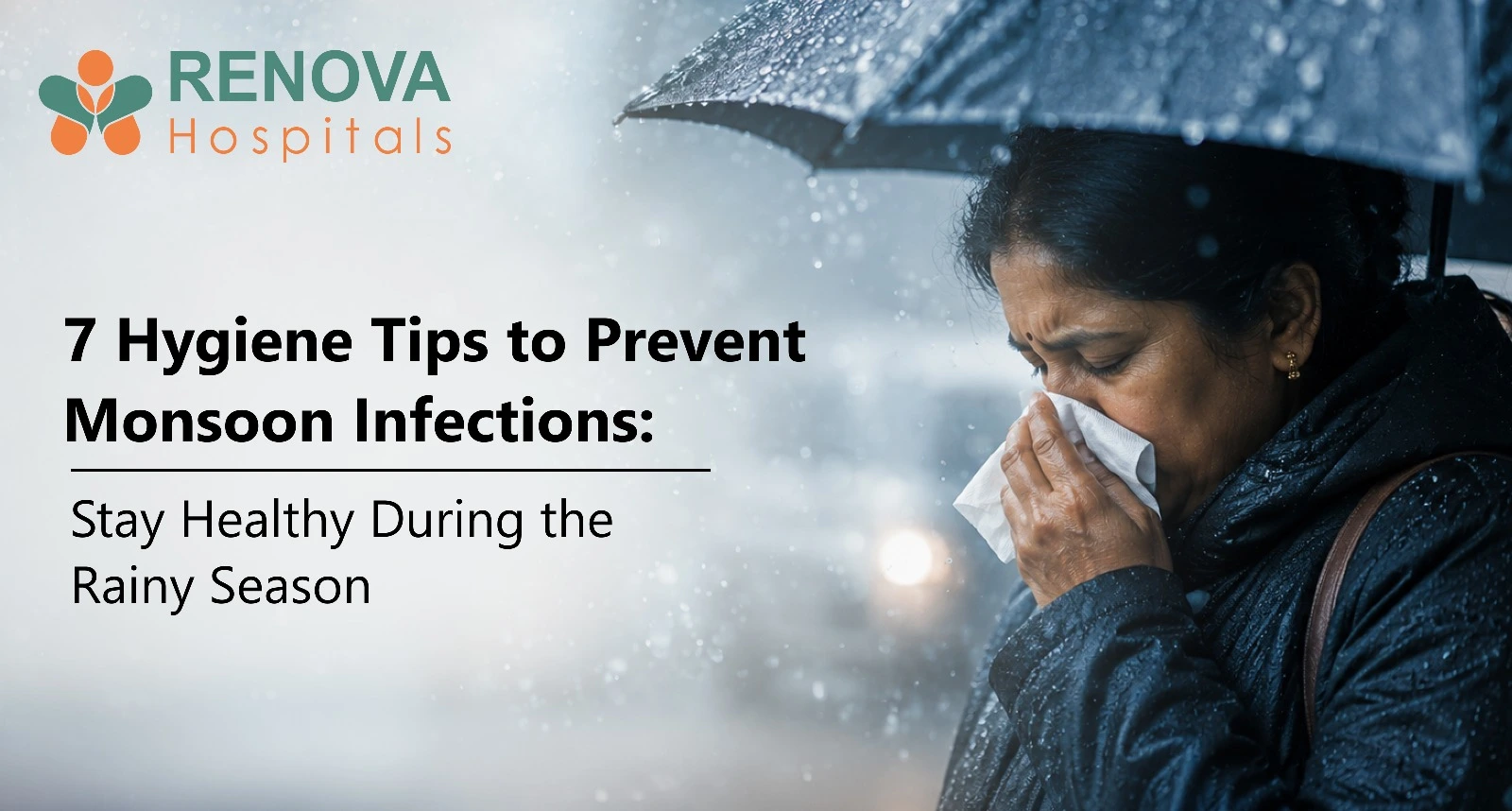
The rainy season creates favourable conditions for bacteria, viruses, fungi, and mosquitoes to thrive, increasing the risk of infections. Practising good hygieneโsuch as washing hands regularly, drinking safe water, eating freshly prepared food, keeping your surroundings clean, and maintaining personal hygieneโcan significantly reduce the risk of common monsoon illnesses.
Key Takeaways
- Monsoon increases the spread of waterborne, foodborne, and mosquito-borne diseases.
- Good personal hygiene is one of the simplest ways to prevent infections.
- Safe food and drinking water are essential during the rainy season.
- Keeping your surroundings clean helps prevent mosquito breeding.
- Seek medical advice if symptoms persist or worsen.
Monsoon Hygiene at a Glance
- Common Risks: Viral infections, diarrhoea, food poisoning, fungal infections, dengue, malaria, leptospirosis
- Who Is More Vulnerable: Children, older adults, pregnant women, and individuals with weakened immunity
- Main Prevention: Hand hygiene, safe water, food safety, clean surroundings, mosquito control
- Best Time to Start: Before and throughout the monsoon season
Latest Statistics
- Monsoon seasons are often associated with an increase in waterborne, foodborne, and vector-borne diseases.
- Contaminated water and poor sanitation contribute significantly to outbreaks of diarrhoeal illnesses during the rainy season.
- Mosquito-borne diseases such as dengue and malaria commonly rise after periods of heavy rainfall due to stagnant water.
- Good hygiene practices remain one of the most effective measures for reducing the spread of infectious diseases.
Introduction
The monsoon brings welcome relief from the summer heat, but it also creates ideal conditions for many infectious diseases. Stagnant water, increased humidity, contaminated food and water, and rapid growth of bacteria, viruses, fungi, and mosquitoes all contribute to a higher risk of illness during this season.
Fortunately, many of these illnesses can be prevented by following simple daily hygiene practices. Small changes in your routine can go a long way in protecting you and your family throughout the rainy season.
Why Are Infections More Common During the Monsoon?
Several environmental factors increase the risk of infection during the rainy season.
These include:
- Water contamination after heavy rainfall
- Stagnant water that promotes mosquito breeding
- Increased humidity encouraging fungal growth
- Contaminated street food and uncovered food
- Poor sanitation and drainage
- Damp clothing and footwear
Understanding these risks helps you take preventive measures before illness develops.
1. Wash Your Hands Frequently
Hand hygiene is one of the most effective ways to prevent the spread of infections.
Wash your hands:
- Before eating
- Before preparing food
- After using the toilet
- After returning home
- After coughing or sneezing
- After touching public surfaces
Use soap and clean running water, washing for at least 20 seconds. If soap and water are unavailable, an alcohol-based hand sanitiser may be used when appropriate.
2. Drink Safe and Clean Water
Waterborne diseases become more common during the rainy season because drinking water may become contaminated.
To reduce your risk:
- Drink boiled or properly filtered water.
- Store drinking water in clean, covered containers.
- Avoid drinking untreated water from unknown sources.
- Clean water storage containers regularly.
Safe drinking water helps prevent illnesses such as diarrhoea, typhoid, cholera, and hepatitis A.
3. Eat Freshly Cooked Food
Food contamination increases during humid weather.
Follow these precautions:
- Eat freshly prepared meals.
- Wash fruits and vegetables thoroughly.
- Avoid raw or undercooked foods.
- Refrigerate leftovers promptly.
- Reheat stored food thoroughly before eating.
Street food exposed to rainwater, flies, or poor hygiene may increase the risk of foodborne illness.
4. Keep Your Home and Surroundings Clean
Maintaining a clean environment helps reduce the spread of infection and discourages mosquito breeding.
Simple measures include:
- Remove stagnant water from containers, coolers, flower pots, and tyres.
- Dispose of household waste properly.
- Keep drains clean and unclogged.
- Clean frequently touched surfaces regularly.
- Ensure proper ventilation indoors.
A clean environment protects the entire household from preventable infections.
Expert Insight
Good hygiene is one of the most effective and affordable ways to prevent monsoon-related illnesses. Consistent habits such as regular handwashing, consuming safe food and water, and maintaining clean surroundings can substantially reduce the risk of seasonal infections for individuals and families alike.
5. Maintain Good Personal Hygiene
The damp and humid conditions during the monsoon encourage the growth of bacteria and fungi, making personal hygiene especially important.
Follow these simple habits:
- Bathe daily using clean water.
- Dry yourself thoroughly, especially between the toes and skin folds.
- Change out of wet clothes as soon as possible.
- Wear clean, dry clothes every day.
- Change socks regularly and avoid wearing damp footwear.
- Keep your nails trimmed and clean.
Proper personal hygiene helps reduce the risk of fungal infections, skin rashes, and bacterial skin infections.
6. Protect Yourself from Mosquito Bites
Mosquitoes breed rapidly in stagnant water during the rainy season, increasing the risk of diseases such as dengue, malaria, and
chikungunya.
Protect yourself by:
- Using mosquito repellents.
- Sleeping under mosquito nets where appropriate.
- Wearing full-sleeved clothing, especially during dawn and dusk.
- Installing window and door screens.
- Emptying water collected in buckets, coolers, flower pots, tyres, and containers at least once a week.
Preventing mosquito breeding is one of the most effective ways to reduce mosquito-borne illnesses.
7. Keep Your Immunity Strong
A healthy immune system helps your body fight infections more effectively.
Support your immunity by:
- Eating a balanced diet rich in fruits and vegetables.
- Drinking enough clean water.
- Sleeping for 7โ9 hours each night.
- Exercising regularly.
- Managing stress through relaxation techniques.
- Avoiding tobacco and limiting alcohol consumption.
While immunity alone cannot prevent every infection, maintaining overall health improves your body's ability to recover from illnesses.
What are the Common Monsoon Infections?
Being aware of common rainy-season illnesses can help you recognise symptoms early.
Viral Fever
Often presents with:
- Fever
- Body aches
- Fatigue
- Headache
Dengue
Common symptoms include:
- High fever
- Severe headache
- Pain behind the eyes
- Muscle and joint pain
- Skin rash
- Nausea
Malaria
Symptoms may include:
- Fever with chills
- Sweating
- Headache
- Fatigue
- Body aches
Diarrhoea and Food Poisoning
Often caused by contaminated food or water.
Symptoms include:
- Loose stools
- Vomiting
- Abdominal pain
- Fever
- Dehydration
Leptospirosis
This bacterial infection can occur after contact with water contaminated by animal urine.
Possible symptoms include:
- Fever
- Muscle pain
- Headache
- Red eyes
- Vomiting
Fungal Skin Infections
High humidity promotes fungal growth.
Symptoms may include:
- Itching
- Redness
- Circular skin rashes
- Peeling skin
- Discomfort between the toes
When Should You See a Doctor?
Many mild infections improve with rest and supportive care. However, medical attention is recommended if you experience:
- Fever lasting more than two to three days
- Persistent vomiting or diarrhoea
- Difficulty breathing
- Severe dehydration
- Blood in stools
- Persistent skin infection
- High fever with rash
- Severe weakness or confusion
- Symptoms that worsen despite home care
Early evaluation helps prevent complications and ensures timely treatment.
Monsoon Hygiene Checklist
Protect yourself during the rainy season by following these daily habits:
- Wash your hands regularly.
- Drink only safe, clean water.
- Eat freshly prepared food.
- Wash fruits and vegetables thoroughly.
- Keep your home and surroundings clean.
- Eliminate stagnant water.
- Maintain good personal hygiene.
- Wear clean, dry clothes.
- Use mosquito protection.
- Seek medical care if symptoms persist.
Myth vs Fact
Myth: Rainwater itself causes infections.
Fact: Rainwater does not directly cause infections. The increased spread of microorganisms, contaminated water, poor sanitation, and mosquito breeding during the monsoon contribute to illness.
Myth: If food smells normal, it is safe to eat.
Fact: Harmful bacteria may be present even when food looks and smells normal. Proper food storage and preparation are essential.
Myth: Mosquitoes breed only in dirty water.
Fact: Many mosquitoes, including those that spread
dengue, can breed in clean stagnant water.
Myth: Healthy people cannot get monsoon infections.
Fact: Anyone can develop seasonal infections, although children, older adults, pregnant women, and people with weakened immunity may be at higher risk.
Doctor's Clinical Pearl
Most monsoon-related infections are preventable through simple daily hygiene practices. Regular handwashing, consuming safe food and water, maintaining personal cleanliness, and eliminating stagnant water are among the most effective measures for protecting yourself and your family during the rainy season. Prevention remains the best strategy for reducing seasonal illnesses.
People Also Ask
Why do infections increase during the monsoon?
Heavy rainfall, humidity, contaminated water, poor sanitation, and stagnant water create favourable conditions for bacteria, viruses, fungi, and mosquitoes to thrive.
Which diseases are common during the rainy season?
Common monsoon illnesses include
viral fever, dengue, malaria,
diarrhoea, food poisoning, typhoid, hepatitis A, leptospirosis, and fungal skin infections.
How can I avoid getting sick during the monsoon?
Practise good hand hygiene, drink safe water, eat freshly cooked food, keep your surroundings clean, avoid stagnant water, and protect yourself from mosquito bites.
Is boiled water safer than untreated water during the monsoon?
Yes. Properly boiled or appropriately filtered water is generally safer than untreated water and helps reduce the risk of waterborne diseases.
Are children more likely to develop monsoon infections?
Yes. Children are more vulnerable because their immune systems are still developing, and they may have greater exposure to contaminated water and surfaces.
Conclusion:
The monsoon season brings a higher risk of waterborne, foodborne, mosquito-borne, and fungal infections, but many of these illnesses can be prevented through simple daily hygiene practices.
Washing your hands regularly, drinking safe water, eating freshly cooked food, maintaining personal cleanliness, preventing mosquito breeding, and keeping your surroundings clean are effective ways to protect yourself and your family. Staying alert to early symptoms and seeking timely medical advice when needed can further reduce the risk of complications and support a healthier rainy season.
Reference:
Medically Reviewed & Approved By:
Dr K. Krishna Prabhakar
Internal Medicine, Critical Care, Geriatric Medicine
MBBS โ Dr. NTR University of Health Sciences, Andhra Pradesh (2006) MD (Internal Medicine) โ Dr. NTR University of Health Sciences, Andhra Pradesh (2010)
This article has been reviewed and approved by a qualified medical professional to ensure accuracy, credibility, and adherence to current clinical standards.