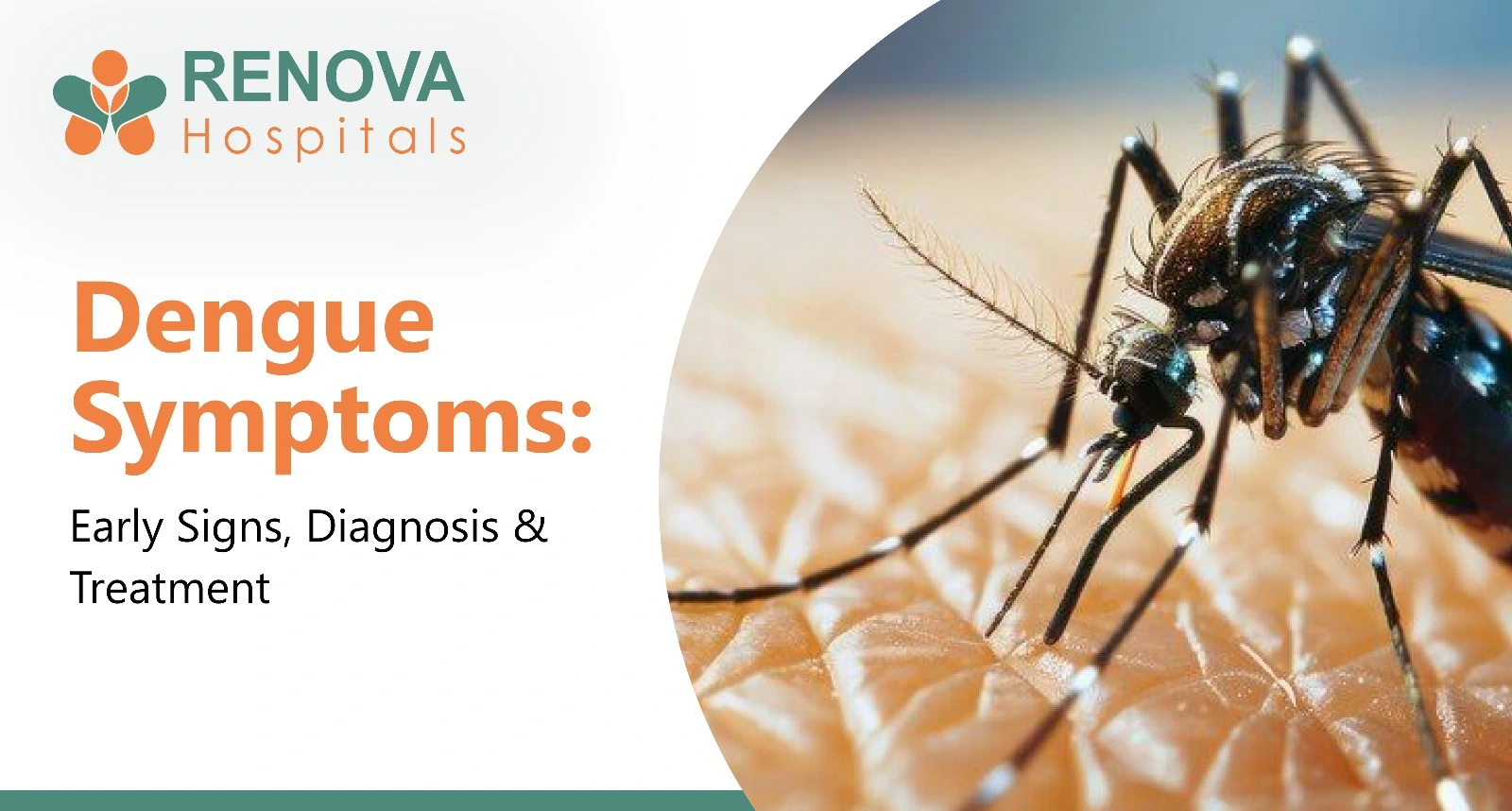
Dengue is a mosquito-borne viral infection that often begins with a sudden high fever, severe headache, body aches, joint pain, pain behind the eyes, nausea, and fatigue. While many people recover with supportive care, some develop severe dengue, which can cause bleeding, shock, and organ damage. Recognising the early warning signs and seeking timely medical care can significantly reduce the risk of complications.
Key Takeaways
- Dengue spreads through the bite of an infected Aedes mosquito.
- Early symptoms often resemble viral fever, making medical evaluation important.
- A falling platelet count alone does not determine the severity of dengue.
- Warning signs usually appear as the fever starts to settle.
- Early diagnosis, adequate hydration, and close monitoring improve recovery and reduce complications.
Dengue at a Glance
- Cause: Dengue virus transmitted by infected Aedes mosquitoes.
- Incubation Period: Usually 4–10 days after a mosquito bite.
- Common Symptoms: High fever, headache, body pain, pain behind the eyes, rash, nausea, vomiting, and fatigue.
- Diagnosis: Clinical examination, CBC, Dengue NS1 antigen test, and Dengue IgM/IgG antibody tests.
- Treatment: Supportive care, hydration, symptom management, and monitoring for warning signs.
- Prevention: Avoid mosquito bites and eliminate mosquito breeding sites.
Latest Statistics
- Dengue is one of the fastest-growing mosquito-borne viral diseases worldwide.
- According to the World Health Organization, around 4 billion people live in areas at risk of dengue infection, and 100–400 million infections occur globally each year.
- India experiences seasonal increases in dengue cases, particularly during and after the monsoon months, when mosquito breeding is highest.
- Early diagnosis and appropriate supportive care reduce the risk of severe dengue and improve recovery.
Introduction:
A sudden fever during the monsoon season is often dismissed as "just a viral infection." However, dengue is one of the most common mosquito-borne illnesses seen during this time, and its early symptoms can closely resemble those of viral fever, malaria, or chikungunya.
One of the biggest mistakes people make is waiting for the fever to settle before seeking medical advice. In dengue, the period when the fever starts coming down can actually be the most critical, especially if warning signs begin to appear. Recognising the symptoms early and consulting a doctor at the right time can help prevent complications and reduce the need for hospitalisation.
Understanding how dengue develops, what symptoms to watch for, and when to seek medical attention empowers patients to make informed decisions rather than relying on self-medication.
What Is Dengue?
Dengue is a viral infection caused by the
dengue virus and spread through the bite of an infected Aedes aegypti mosquito. Unlike malaria, which is spread by Anopheles mosquitoes, dengue is transmitted by mosquitoes that are most active during the daytime, particularly in the early morning and late afternoon.
After an infected mosquito bites a person, the virus enters the bloodstream and begins multiplying. Symptoms usually appear 4–10 days later. While many infections are mild, some people develop severe
dengue, a condition that requires urgent medical care.
It is important to remember that dengue does not spread directly from one person to another through casual contact.
How Does Dengue Spread?
Dengue spreads when an Aedes mosquito bites a person infected with the dengue virus and later bites another individual.
These mosquitoes commonly breed in:
- Water stored in open containers
- Flower pots
- Coolers
- Buckets
- Discarded tyres
- Coconut shells
- Construction sites with stagnant water
Since Aedes mosquitoes prefer clean, stagnant water, dengue can occur even in well-maintained urban neighbourhoods.
Early Symptoms of Dengue
The first few days of dengue often resemble a viral fever, which is why many people overlook it.
Common early symptoms include:
1. Sudden High Fever
The fever usually begins abruptly and may reach 39–40°C (102–104°F).
Unlike a common cold, the fever is often accompanied by intense body pain and weakness.
2. Severe Headache
Many patients experience a persistent headache that does not improve significantly with routine pain relief.
The pain may worsen with movement or exposure to bright light.
3. Pain Behind the Eyes
Pain behind the eyes is considered one of the more characteristic symptoms of dengue.
Patients may notice discomfort when moving their eyes or looking upward.
4. Muscle and Joint Pain
Dengue is sometimes called "breakbone fever" because of the intense muscle and joint pain it can cause.
Simple activities such as walking, climbing stairs, or getting out of bed may become difficult due to severe body aches.
5. Extreme Fatigue
Even after the fever settles, many people continue to experience significant tiredness and weakness for several days or weeks.
Adequate rest is essential during recovery.
6. Nausea and Vomiting
Some patients develop nausea, vomiting, or reduced appetite, making hydration and nutrition more challenging.
Persistent vomiting should never be ignored.
7. Skin Rash
A rash may appear a few days after the fever begins or during the recovery phase.
The rash can vary from mild redness to widespread red spots and should always be evaluated in the context of other symptoms.
Warning Signs of Severe Dengue
One of the most important things patients should understand is that the danger period often begins when the fever starts coming down—not when it is at its highest.
Seek immediate medical attention if you develop:
- Severe abdominal pain
- Persistent vomiting
- Bleeding from the nose or gums
- Blood in vomit or stool
- Difficulty breathing
- Extreme weakness or restlessness
- Cold, clammy skin
- Reduced urine output
- Confusion or drowsiness
These symptoms may indicate severe dengue and require urgent medical evaluation.
Who Is at Higher Risk of Severe Dengue?
Although anyone can develop complications, the risk is higher in:
- Infants and young children
- Older adults
- Pregnant women
- People with diabetes or heart disease
- Individuals with weakened immune systems
- People who have had a previous dengue infection with a different dengue virus type
These individuals should seek medical attention promptly if they develop fever during the dengue season.
Expert Insight
"The biggest misconception about dengue is that patients become safe once the fever subsides. In reality, the period immediately after the fever decreases is when complications are most likely to develop. Regular monitoring, adequate hydration, and timely medical review are essential during this phase."
How Is Dengue Diagnosed?
Dengue cannot be diagnosed based on symptoms alone because its early signs often resemble viral fever,
malaria, chikungunya, or even
typhoid. A doctor considers your symptoms, physical examination, recent travel, mosquito exposure, and the number of days you've had a fever before recommending the appropriate tests.
Early diagnosis is important because it helps monitor the disease closely, identify warning signs, and guide timely treatment.
Tests for Dengue
Your doctor may recommend one or more of the following tests depending on when your symptoms began:
Complete Blood Count (CBC)
A CBC is usually the first test advised. It helps assess:
- Platelet count
- White blood cell count
- Haematocrit (which may increase if plasma leakage occurs)
Doctors monitor these values over time rather than relying on a single report.
Dengue NS1 Antigen Test
The NS1 antigen test is most useful during the first 1–5 days of fever. It helps detect dengue early, even before antibodies develop.
Dengue IgM and IgG Antibody Tests
These blood tests are usually recommended after the first few days of illness to confirm dengue infection and determine whether it is a recent or previous infection.
Liver Function Tests (LFT)
Some patients with dengue may develop mild liver inflammation. LFTs help monitor liver involvement, especially in moderate or severe cases.
Clinical Tip: The timing of the test is important. A negative result on the first day of fever does not always rule out dengue. Your doctor may recommend repeat testing based on your symptoms and the stage of illness.
Is a Low Platelet Count Always Dangerous?
One of the biggest misconceptions about dengue is that the platelet count alone determines how serious the illness is.
In reality, doctors assess several factors, including:
- Overall clinical condition
- Blood pressure and pulse
- Hydration status
- Haematocrit levels
- Evidence of bleeding
- Organ involvement
Some patients recover well despite a low platelet count, while others may develop complications even before platelets fall significantly. Treatment decisions are based on the entire clinical picture, not just one laboratory value.
Treatment for Dengue
There is no specific antiviral medicine that cures dengue. Treatment focuses on relieving symptoms, maintaining hydration, and identifying complications early.
Depending on the severity, treatment may include:
- Adequate oral or intravenous fluids
- Fever control using medicines recommended by your doctor
- Regular monitoring of platelet count and haematocrit
- Hospital admission for patients with warning signs or severe dengue
Most patients with uncomplicated dengue recover within 1–2 weeks with supportive care and close follow-up.
Home Care During Dengue Recovery
If your doctor advises home management, the following measures can support recovery:
- Drink plenty of water, oral rehydration solutions, soups, coconut water, or fresh fluids.
- Get adequate rest and avoid strenuous activities.
- Eat small, nutritious meals throughout the day.
- Monitor your temperature and symptoms regularly.
- Attend follow-up appointments and repeat blood tests if advised.
- Avoid taking medicines without consulting your doctor.
Recovery may take longer than expected, and fatigue can persist for several weeks in some patients.
What Should You Eat During Dengue?
A balanced diet helps support recovery and maintain hydration.
Recommended Foods
- Fresh fruits such as oranges, papaya, pomegranate, and kiwi
- Homemade soups
- Rice and dal
- Soft-cooked vegetables
- Eggs and lean protein (if tolerated)
- Coconut water
- Oral rehydration fluids
- Plenty of plain drinking water
Foods to Limit or Avoid
- Fried and oily foods
- Highly processed snacks
- Sugary soft drinks
- Alcohol
- Excessively spicy meals
- Food prepared under unhygienic conditions
How Can You Prevent Dengue?
Preventing mosquito bites remains the most effective way to reduce the risk of dengue.
You can protect yourself by:
- Removing stagnant water from containers, coolers, buckets, and flower pots.
- Covering water storage tanks properly.
- Using mosquito repellents approved for personal use.
- Wearing full-sleeved clothing, especially during the daytime.
- Installing window screens or sleeping under mosquito nets when appropriate.
- Keeping your surroundings clean and free from mosquito breeding sites.
Community participation is equally important because mosquitoes breed around homes, schools, workplaces, and construction areas.
Myth vs Fact
Myth: Every fever during the monsoon is dengue.
Fact: Viral fever, malaria,
typhoid,
chikungunya, and other infections can cause similar symptoms. Proper evaluation is needed to identify the cause.
Myth: A low platelet count always means severe dengue.
Fact: Platelet count is only one part of the assessment. Doctors also evaluate hydration, bleeding, blood pressure, and overall clinical condition.
Myth: Papaya leaf juice can cure dengue.
Fact: There is no strong scientific evidence that papaya leaf juice cures dengue or reliably increases platelet counts. It should never replace medical care.
Myth: Antibiotics treat dengue.
Fact: Dengue is caused by a virus. Antibiotics are effective only against bacterial infections.
Doctor's Clinical Pearl
Early medical evaluation matters more than waiting for the platelet count to fall. If fever is accompanied by severe abdominal pain, persistent vomiting, bleeding, increasing weakness, or reduced urine output, seek immediate medical care. Timely hydration, monitoring, and supportive treatment can prevent many complications associated with severe dengue.
People Also Ask
How do I know if my fever is dengue or viral fever?
Both illnesses can begin with fever and body aches. However, severe headache, pain behind the eyes, intense muscle pain, rash, and warning signs such as bleeding or persistent vomiting may suggest dengue. A doctor's evaluation and appropriate blood tests are needed for confirmation.
On which day should I get tested for dengue?
The recommended test depends on the number of days you've had a fever. The NS1 antigen test is most useful during the first five days, while antibody tests are generally performed later. Your doctor will advise the appropriate investigation.
How long does dengue usually last?
The fever usually lasts 2–7 days, but weakness and fatigue may continue for several weeks. Recovery time varies depending on the severity of the infection.
When should I be admitted to the hospital for dengue?
Hospitalisation may be necessary if you develop severe abdominal pain, persistent vomiting, bleeding, dehydration, breathing difficulty, confusion, low blood pressure, or other warning signs.
Can I recover from dengue at home?
Many patients with mild dengue recover at home with medical supervision, adequate hydration, and regular follow-up. However, any worsening of symptoms requires immediate medical attention.
Conclusion
Dengue is a common mosquito-borne illness that can range from a mild viral infection to a potentially life-threatening condition. Because its early symptoms often resemble those of other seasonal illnesses, timely medical evaluation is essential. Rather than relying on home remedies or self-medication, consult a healthcare professional if you develop a persistent fever, severe body aches, or any warning signs. Early diagnosis, appropriate hydration, careful monitoring, and supportive treatment remain the cornerstones of successful dengue management.
Why Choose Renova Hospitals?
At Renova Hospitals, our experienced physicians, emergency specialists, and critical care teams provide comprehensive care for patients with dengue and other seasonal infections. With advanced laboratory services, 24/7 emergency support, and evidence-based treatment protocols, we focus on early diagnosis, close monitoring, and personalised care to help patients recover safely while reducing the risk of complications.
Reference:
Dr K. Krishna Prabhakar
Internal Medicine,Critical Care,Geriatric Medicine
MBBS – Dr. NTR University of Health Sciences, Andhra Pradesh (2006) MD (Internal Medicine) – Dr. NTR University of Health Sciences, Andhra Pradesh (2010)
This article has been reviewed and approved by a qualified medical professional to ensure accuracy, credibility, and adherence to current clinical standards.