Home Blogs Do You Have Gallstones? Symptoms, Risk Factors, and Treatment Options
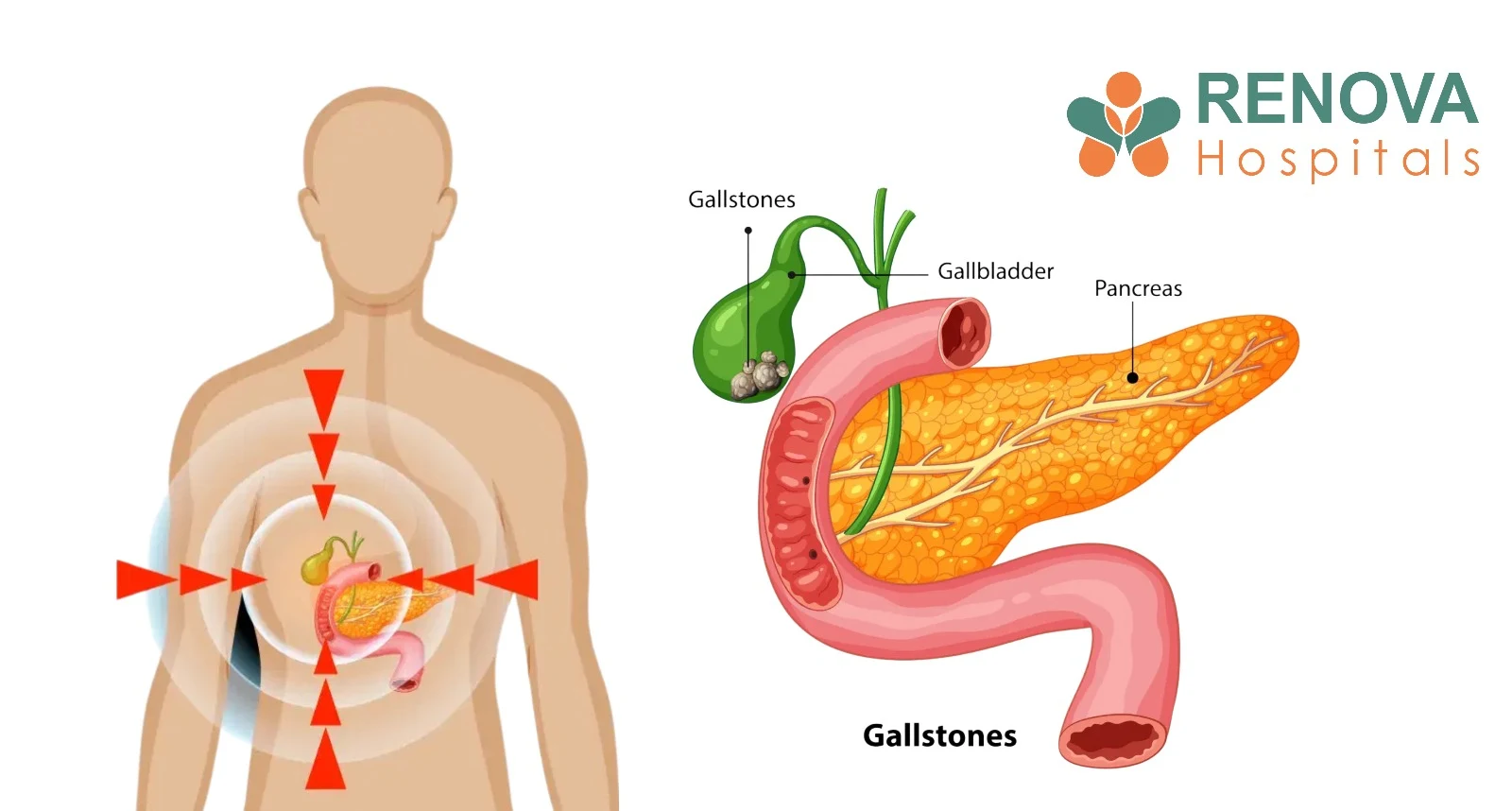
Gallstones and Pancreatic Anatomy

By Renova Hospitals

January 31, 2026

Do You Have Gallstones? Symptoms, Risk Factors, and Treatment Options

Overview


In India, where rising rates of diabetes and lifestyle shifts have made these issues more frequent, we often ignore the warning signs until they become impossible to overlook. 

Unfortunately, waiting for the "perfect storm" of pain usually means the window for easy, proactive care has already closed, leaving many to face frightening emergency room visits for infections or complications that could have been prevented.

We need to change how we think about our digestive health, moving away from just "putting out fires" in an emergency and toward listening to what our bodies are trying to tell us. Realising that chronic stomach distress might be more than just "gas" can be the shift that saves you from a severe crisis like pancreatitis. Ultimately, awareness is your strongest tool. 

What Is the Gallbladder and Why Does It Matter?


The gallbladder is a small, pear-shaped organ located beneath the liver and is essential for the digestion of dietary fats.

When bile composition becomes imbalanced, either too much cholesterol, excess bilirubin, or poor gallbladder emptying, solid particles can crystallise and gradually form stones. Over time, these stones may obstruct bile flow, triggering pain, inflammation, or infection.


What Are Gallstones?


Think of gallstones as solid, pebble-like deposits that develop inside your gallbladder, the small organ beneath your liver that stores bile. They form when the chemicals in your bile (like cholesterol or bilirubin) get out of balance and crystallise into hard masses.

Understanding the types of gallstones helps doctors determine whether non-surgical options are feasible or if definitive surgical treatment is required.

Types of Gallstones

Clinically, gallstones are classified into the following types:

  • Cholesterol Stones
  • Most common variety
  • Yellow or pale in colour
  • Associated with obesity, diabetes, and high-fat diets
  • Dark brown or black
  • Formed from excess bilirubin
  • Common in liver disease, haemolytic disorders, or infections
  • Do not dissolve with medication
  • Mixed Stones
  • A combination of cholesterol and pigment components
  • Most frequently encountered in routine practice


Gallstones Symptoms: Early and Advanced Signs


Common Symptoms to Watch For

  • Localised Abdominal Discomfort: You may experience a sharp, sudden ache in the upper right side of your abdomen that feels distinct from regular stomach cramps.
  • Post-Meal Distress: Many patients notice a predictable pattern of pain or heavy discomfort shortly after consuming rich, fried, or fatty foods.
  • Nausea and Digestive Upset: A lingering feeling of queasiness or bouts of vomiting often accompany the pain, making it challenging to keep food down.
  • Chronic Bloating: Persistent gas and a feeling of "fullness" or indigestion can be an early sign that your gallbladder is struggling to process bile correctly.
  • Referred Pain: In many cases, the pain doesn't remain in the stomach; it can radiate upward, toward the right shoulder or between the shoulder blades.


Red Flags: When It Becomes an Emergency,dangerous infections or blockages. You should seek immediate medical attention if you notice any of the following:

  • Intense, Unending Pain: If abdominal pain becomes so severe that you cannot find a comfortable position or sit still, it is a sign of a significant blockage.
  • Fever and Shivering: A high body temperature accompanied by chills usually indicates that an infection has set in.
  • Jaundice: A noticeable yellowing of the skin or the whites of the eyes suggests that bile is backed up into your bloodstream.
  • Changes in Elimination: If you notice unusually dark, tea-colored urine or pale, clay-colored stools, your bile ducts may be completely obstructed.

What Is Gallstone Pancreatitis?


When a gallstone obstructs the pancreatic duct, it triggers pancreatic inflammation. This is a serious, potentially life-threatening condition.

  • Persistent vomiting
  • Fever and rapid pulse

Once pancreatitis occurs, gallstone surgery is usually recommended after stabilisation to prevent recurrence.

How Are Gallstones Diagnosed?


To help your readers understand the path from suspicion to a confirmed diagnosis, here is a paraphrased version that breaks down the medical process into clear, manageable steps.

Obtaining a definitive answer about gallbladder health is straightforward, but it requires more than a quick guess. Physicians use a combination of physical examination and advanced imaging to determine whether stones are present and whether they are likely to cause future complications.

Step 1: Clinical Evaluation

Step 2: Diagnostic Testing

Once a physical exam is complete, your doctor will use specific tools to "see" what is happening inside:

  • Abdominal Ultrasound: This is the gold-standard "first-line" test because it is non-invasive, quick, and highly accurate at detecting even small stones.
  • Blood Work: Laboratory tests are used to assess liver function and to detect markers of inflammation, which help determine whether a stone is causing a blockage or infection.
  • Advanced Imaging (CT or MRI): In more complex scenarios, such as when a stone is suspected to be lodged in a bile duct, a CT scan or an MRCP (a specialised MRI) provides a detailed 3D view of the entire biliary system.

Gallstones Treatment?


Without Surgery

Many patients inquire about nonsurgical treatment for gallstones, particularly when symptoms are mild.

Non-Surgical Options

  • Observation for asymptomatic stones
  • Oral bile acid therapy for select cholesterol stones
  • Strict dietary modification
  • Pain control and symptom monitoring

However, patients often ask whether gallstones can be dissolved permanently. 

Gallstone Surgery: The Path to Permanent Relief


  • Laparoscopic Cholecystectomy (Minimally Invasive): This is the most common approach, involving tiny incisions and a camera. It is preferred because it results in less pain, minimal scarring, and a rapid return to daily activities, often within a few days.
  • Open Surgery: While less common today, this traditional approach is reserved for emergencies or highly complex cases where scar tissue or severe inflammation makes the laparoscopic method unsafe.
  • Life After Removal: A common worry is how you will digest food without a gallbladder. In reality, the body adapts quickly; bile simply flows directly from the liver into the small intestine. Most people can return to a standard, healthy diet without significant digestive issues.

Laser Treatment: Separating Myths from Reality


In an age of "quick fixes," many patients ask about laser treatment for gallstones. However, it is essential to manage expectations regarding how this technology actually works in modern medicine.

  • The Problem with Fragmentation: Laser lithotripsy can fragment stones, but it does not address the underlying cause of gallbladder stone formation.
  • The Risk of Recurrence: Even if stones are fragmented or removed via laser, the gallbladder remains "sick." Without removing the organ, new stones almost always form again, often leading to the same pain and risks just months later.
  • Limited Medical Use: Because of these drawbacks, laser treatment is rarely recommended by leading surgeons today. It is typically reserved for particular, high-risk cases in which a patient cannot undergo standard surgery.

Why Surgery is the Safer Bet


  • Prevents Cancer Risks: Chronic inflammation from long-standing gallstones is a known risk factor for gallbladder cancer; surgery removes this risk entirely.
  • Stops Emergency Transitions: Choosing a planned, elective surgery is always safer and easier on the body than waiting for an emergency gallbladder rupture or severe pancreatitis.

Gallstones Diet: What Helps and What Hurts


While food isn't a "cure" for existing stones, your dietary choices act as a powerful thermostat for your symptoms. A well-structured diet can help keep your gallbladder "quiet" and prevent the painful contractions that lead to emergency room visits.

Foods That Help Your System Stay Stable:

  • Fibre-Rich Foundations: Incorporating whole grains, legumes, and oats helps regulate digestion and may lower the cholesterol concentration.
  • The Power of Produce: Fresh fruits and vegetables are packed with antioxidants and vitamins that support overall liver and gallbladder health.
  • Lean Protein Choices: Opt for chicken, fish, or plant-based proteins over fatty red meats to reduce the digestive "workload" on your gallbladder.
  • Consistent Hydration: Drinking sufficient water is essential for maintaining proper fluid balance in bile, reducing the risk of thickening and the formation of new deposits.

Homoeopathy and Alternative Claims: A Word of Caution


It is very common for patients to explore homoeopathy or natural "flushes" in hopes of dissolving gallstones without surgery. However, it is vital to evaluate the evidence when your health is at risk.

  • The Reality of Dissolution: Currently, there is no consistent scientific evidence demonstrating that homoeopathic remedies reliably dissolve hardened gallstones.
  • The Danger of Delay: The most significant risk with alternative therapies isn't the treatment itself, but the time lost. By the time a patient realises these methods aren't working, the gallbladder may have become severely infected, or a stone may have migrated into the bile duct.
  • A Complementary, Not Primary, Role: While lifestyle changes and holistic wellness can support your general health, they should never replace the standard, 
  • Evidence-based medical care is required to treat symptomatic gallstones.

Who Faces the Greatest Risk of Developing Gallstones?


While anyone can develop gallbladder issues, specific metabolic, hormonal, and lifestyle triggers significantly increase susceptibility. Weight Management and Physical Activity:

  • Fluctuating Weight Trends: 
  • Metabolic Disorders:
  • Hormonal Influences: 
  • hormone replacement therapy,
  • Dietary Habits:
  • Genetic Predisposition

Proactive Prevention: Reducing Your Risk?


While we can’t change our genetics or the passage of time, we have a surprising amount of control over our gallbladder health. Most cases of gallstones are closely linked to metabolic health and daily habits. 

By making a few intentional shifts today, or even better, preventing existing "silent" stones from progressing to a painful crisis.

Key Pillars of Gallbladder Health

  • Prioritise Weight Stability: Aiming for a healthy body weight is vital, but the key is consistency. Avoid the "yo-yo" effect of rapid weight loss and gain, which can actually stress the gallbladder and trigger stone formation.
  • Eat with Intention: Adopting a gallbladder-friendly diet isn't about restriction; it’s about balance. Focus on high-fibre foods and healthy fats to maintain smooth bile flow and prevent stagnation.
  • Keep Your Body Moving: Staying physically active does more than just burn calories; regular exercise improves insulin sensitivity and helps maintain the chemical balance of your bile.
  • Manage Underlying Conditions: If you are living with diabetes or metabolic syndrome, staying on top of your treatment is essential. Keeping your blood sugar and cholesterol in check is a direct way to protect your gallbladder.
  • The Power of Hydration: It sounds simple, but staying well-hydrated is one of your best defences. When you are dehydrated, your bile becomes more concentrated and "sludge-like," which is the perfect environment for stones to grow. Make water your primary drink, especially during exercise or in hot weather.

When Should You See a Gallstone Specialist?


Consult a gallstone specialist if you experience:

  • Recurrent abdominal pain
  • Fever or jaundice
  • Vomiting with abdominal tenderness
  • A diagnosis of gallstones on imaging

Early intervention prevents the need for emergency surgery and reduces complications.

Final Thoughts


Gallstones are common but should never be ignored. Recognising gallstone symptoms, understanding the types of gallstones, and choosing the proper treatment, from gallstone treatment without surgery to definitive gallstone surgery, ensures safe outcomes.

If you have persistent pain or complications like gallstone pancreatitis, prompt evaluation by a qualified gallstone specialist is essential. Early diagnosis saves time, reduces costs, and saves lives.

Care at renova


Care at Renova begins with a thorough review of the patient’s clinical history, ensuring that "silent" gallstones are detected before they turn into emergencies. By utilising advanced diagnostic tools, such as high-resolution abdominal ultrasound and precise liver function testing, the medical team can accurately distinguish between simple indigestion and an actual gallbladder threat. This precision enables a personalised treatment roadmap, whether through careful monitoring of asymptomatic cases or the identification of the need for immediate intervention in complex situations.

Disclaimer


This content is intended for general health awareness only and does not substitute professional medical advice. Always consult a qualified healthcare provider for diagnosis and treatment.

Want to connect with a specialist?

Book your appointment now

Recent Blogs

Our healthcare specialists are equipped with the knowledge and skills to provide you with the support you require. From consultation to diagnosis to treatments, our experts are dedicated to helping you.

Gynaecologists – When can you see one, what to expect, common procedures

Gynaecologists – When can you see one, what to expect, common procedures

04 February 2026 | By

Our first reaction to the words “gynaecology,” “reprodu...

Read More
Common childhood injuries and ways to prevent them

Common childhood injuries and ways to prevent them

04 February 2026 | By

Kids are bustling with energy, zooming in and out of th...

Read More
Learn why winter is the perfect time for a family health checkup

Learn why winter is the perfect time for a family health checkup

04 February 2026 | By

Winter.. Ah, the name itself is comforting. The moment...

Read More
Importance of vaccination and how it helps

Importance of vaccination and how it helps

04 February 2026 | By

Prevention is better than cure. We have heard this adag...

Read More
Tips to handle an emergency situation

Tips to handle an emergency situation

04 February 2026 | By

Very few words can instill as much fear and anxiety in...

Read More
Fitness is ageless – However young or old you are, you must exercise

Fitness is ageless – However young or old you are, you must exercise

04 February 2026 | By

There are many words in the English language but very f...

Read More
Perks of joint replacement surgery – Tips for better results

Perks of joint replacement surgery – Tips for better results

04 February 2026 | By

The word “surgery” instills an indescribable amount of...

Read More
Common winter illnesses and how to prevent them

Common winter illnesses and how to prevent them

04 February 2026 | By

Remember when this just solicited an “excuse me” and ev...

Read More
Breast Cancer Awareness and Preventive Screening at Renova Hospitals

Early Detection and Healthy Habits: The First Steps in the Fight Against Breast Cancer

04 February 2026 | By

Breast cancer can affect women as young as their 20s. E...

Read More
Abscess infection awareness and treatment overview

Abscess: Causes, Types, Symptoms, and Safe Treatment at Renova Hospitals Hyderabad

04 February 2026 | By

Discover how Renova Hospitals Hyderabad manages abscess...

Read More
Babesiosis infection awareness, tick-borne disease

Babesiosis: Causes, Symptoms, and Safe Treatment at Renova Hospitals Hyderabad

04 February 2026 | By

A deep look into Babesiosis — the tick-borne disease de...

Read More
Cachexia

Cachexia: Extreme Weight Loss, Muscle Wasting & Metabolic Imbalance – Complete Guide by Renova Hospitals Hyderabad

04 February 2026 | By

A detailed guide to cachexia, its stages, causes, sympt...

Read More
Dandruff & Seborrheic Dermatitis

Dandruff - Seborrheic Dermatitis of the Scalp: Complete Medical Guide, Causes, Symptoms & Treatment

04 February 2026 | By

Learn the science behind dandruff, seborrheic dermatiti...

Read More
A Nurse taking care of an eclampsia patient

Eclampsia: Causes, Symptoms, Stages & Emergency Treatment at Renova Hospitals Hyderabad

04 February 2026 | By

Understand how eclampsia develops, early warning signs,...

Read More
Facial Paralysis Treatment at Renova Hospitals

Facial Paralysis: Causes, Symptoms & Comprehensive Treatment at Renova Hospitals Hyderabad

04 February 2026 | By

Facial paralysis affects more than just looks—it impact...

Read More
Gallstones Treatment at Renova Hospitals

Gallstones: Causes, Symptoms, Diagnosis, Treatment and Surgery – Complete Medical Guide by Renova Hospitals, Hyderabad

04 February 2026 | By

Gallstones occur when cholesterol or bilirubin solidifi...

Read More
Hay Fever Treatment at Renova Hospitals

Hay Fever (Allergic Rhinitis): Complete Medical Guide, Causes, Symptoms, Diagnosis & Advanced Treatment - Renova Hospitals

04 February 2026 | By

Learn how hay fever develops, its triggers, symptoms, r...

Read More
Digestive system illustration showing symptoms of irritable bowel syndrome

Irritable Bowel Syndrome (IBS): Complete Guide to Symptoms, Diagnosis, Treatment Options & Long-Term Management

04 February 2026 | By

Irritable Bowel Syndrome (IBS) is a common functional d...

Read More
Yellowing of eyes due to jaundice, showing liver and bile duct blockage causing obstructive jaundice

Jaundice in Adults: Symptoms, Types, Causes, Treatment, Diet, Recovery & Prevention

04 February 2026 | By

Jaundice is a visible sign of liver or bile duct proble...

Read More
Kawasaki disease signs, symptoms, and cardiac complications.

Kawasaki disease: Symptoms, Causes, Diagnosis, Treatment at Renova Hospitals Hyderabad

04 February 2026 | By

Kawasaki disease is a rare but serious childhood illnes...

Read More
Laryngitis Treatment at Renova Hospitals

Laryngitis: Causes, Symptoms, Diagnosis, and Treatment

04 February 2026 | By

Laryngitis causes voice changes, hoarseness, and throat...

Read More
Macular Degeneration Treatment at Renova Hospitals

Macular Degeneration: Causes, Types, Symptoms, Diagnosis, and Treatment

04 February 2026 | By

Macular degeneration is a chronic eye condition that af...

Read More
Narcolepsy Treatment in Hyderabad

Narcolepsy Explained: Causes, Symptoms, Tests, and Treatment Approaches

04 February 2026 | By

Narcolepsy is a chronic neurological sleep disorder cau...

Read More
Obesity Diagnosis and Treatment at Renova Hospitals

Obesity: Causes, Health Risks, Diagnosis, and Treatment Options

04 February 2026 | By

Obesity is a chronic medical disease driven by metaboli...

Read More
Paget’s Disease of Bone Treatment at Renova Hospitals

Paget’s Disease of Bone: Causes, Symptoms, Diagnosis, and Treatment

04 February 2026 | By

Paget’s disease of bone is a chronic disorder causing a...

Read More
Multiple Myeloma Treatment at Renova Hospitals

Multiple Myeloma: Understanding a Blood Cancer That Affects Bone Marrow

04 February 2026 | By

Multiple myeloma is a blood cancer affecting plasma cel...

Read More
Lymphoma and Leukemia Treatment at Renova Hospitals

Lymphoma vs Leukemia: What’s the Difference?

04 February 2026 | By

Learn the difference between lymphoma and leukemia.

Read More
Q Fever Treatment at Renova Hospitals

Understanding Q Fever: Symptoms, Causes, Treatment, and Prevention

04 February 2026 | By

Q Fever is a rare bacterial infection that can cause fl...

Read More
Genetic Testing in Hematologic Cancers

Genetic Testing in Hematologic Cancers: Who Needs It and Why It Matters

04 February 2026 | By

Genetic testing in hematologic cancers identifies key m...

Read More
Rabies - Causes, Symptoms, Diagnosis & Treatment at Renova Hospitals

Rabies: Causes, Symptoms, Diagnosis, and Treatment

04 February 2026 | By

Rabies is a fatal viral disease transmitted by animal b...

Read More
Salmonella Treatment at Renova Hospitals

Salmonella Infection: Causes, Symptoms, Diagnosis & Treatment of This Bacterial Food Poisoning

04 February 2026 | By

A detailed medical guide explaining Salmonella infectio...

Read More
Tachycardia Treatment at Renova Hospitals

Tachycardia: Types, Symptoms, Diagnosis & Modern Treatment

04 February 2026 | By

A comprehensive guide to tachycardia explaining fast he...

Read More
Jaundice Treatment at Renova Hospitals

Understanding the Science Behind Yellow Skin, Yellow Eyes, and Liver Function

04 February 2026 | By

A scientific explanation of why skin and eyes turn yell...

Read More
Breast Cancer Treatment at Renova Hospitals
Medical Oncology

Breaking the Myths About Breast Cancer

04 February 2026 | By

This blog debunks common breast cancer myths and explai...

Read More
Ulcers Treatment at Renova Hospitals

Ulcers Explained: Causes, Symptoms & Treatment of Mouth, Tongue and Stomach Ulcers

04 February 2026 | By

A comprehensive medical guide to mouth, tongue, throat,...

Read More
Vaccinia Virus Treatment at Renova Hospitals

Vaccinia Virus Infection: Causes, Disease Types, Symptoms & Complications

04 February 2026 | By

Vaccinia virus infection is a rare poxvirus disease tha...

Read More
Waldenstrom Macroglobulinemia Treatment at Renova Hospitals

Waldenstrom Macroglobulinemia: Symptoms, Diagnosis, Causes & Modern Treatment

04 February 2026 | By

Waldenstrom macroglobulinemia is a rare, slow-growing b...

Read More
Russia’s Enteromix Cancer Vaccine

Russia’s Enteromix Cancer Vaccine: A Medical Perspective from Renova Hospitals

04 February 2026 | By

A clear medical explanation of Russia’s Enteromix cance...

Read More
Xanthoma vs Xanthelasma Treatment at Renova Hospitals

Xanthoma vs Xanthelasma: Types, Causes, Symptoms & Treatment of Cholesterol Deposits

04 February 2026 | By

A medical guide to xanthoma and xanthelasma, explaining...

Read More
Yaws Disease Treatment at Renova Hospitals

Yaws Disease: Causes, Symptoms, Diagnosis & Treatment of This Tropical Infection

04 February 2026 | By

A comprehensive medical guide explaining yaws disease,...

Read More
Lung Cancer Awareness at Renova Hospitals

Lung Cancer Awareness: A Comprehensive Guide to Risks, Symptoms, Diagnosis, and Modern Treatment Advances

04 February 2026 | By

A comprehensive medical guide to lung cancer risks, sym...

Read More
Zika Virus Infection

Zika Virus Infection: Symptoms, Causes, Pregnancy Risks & Treatment

04 February 2026 | By

A detailed guide on Zika virus infection, focusing on t...

Read More
Skin vs Internal Abscess

Skin vs Internal Abscess – Symptoms, Causes, and Treatment Explained

04 February 2026 | By

A comprehensive guide to identifying and treating absce...

Read More
A small tick attached to the skin, which can transmit Babesiosis parasites to humans

Fever After a Tick Bite? Understanding Babesiosis and Its Risk

04 February 2026 | By

A guide to understanding Babesiosis: a parasite-driven...

Read More
Patient receiving emotional support and counselling during hospital recovery

Role of Emotional Support, Counselling, and Education in Patient Healing

04 February 2026 | By

Emotional support, counselling, and education improve a...

Read More
Cancer-Related Cachexia

Cancer-Related Cachexia: When Weight Loss Is a Medical Emergency

04 February 2026 | By

Learn the stages, early symptoms, diagnosis, and multid...

Read More
Prolonged Fever Treatment at Renova Hospitals

Why Prolonged Fever in Children Should Never Be Ignored: An In-Depth Medical Guide for Parents by Renova Hospitals

04 February 2026 | By

Persistent fever in children can signal hidden infectio...

Read More
Chronic Hoarseness Treatment at Renova Hospitals

Chronic Hoarseness: When Laryngitis Is More Than Just a Cold

04 February 2026 | By

A hoarse voice lasting over 3 weeks may signal reflux,...

Read More
Nipah Virus: Symptoms, Causes, Transmission, Treatment & Prevention

Nipah Virus : Symptoms, Causes, Transmission, Treatment & Prevention

04 February 2026 | By

A comprehensive guide to the Nipah virus, detailing its...

Read More
Pre-Eclampsia and Emergency Care at Renova Hospitals

Seizures During Pregnancy: Understanding Pre-Eclampsia and Emergency Care

04 February 2026 | By

Seizures in pregnancy often signal severe pre-eclampsia...

Read More
Lung Cancer Care at Renova Hospitals

A Message of Hope, Awareness, and Responsibility: Lung Cancer Care at Renova Hospitals

04 February 2026 | By

Modern lung cancer care focused on early detection, tre...

Read More
Gallstones and Pancreatic Anatomy

Do You Have Gallstones? Symptoms, Risk Factors, and Treatment Options

04 February 2026 | By

A detailed overview of gallstones, covering early warni...

Read More
Obesity Damages Your Heart, Liver & Metabolism

How Obesity Damages Your Heart, Liver, Hormones, and Metabolism

04 February 2026 | By

Understand how obesity silently damages vital organs an...

Read More
Allergies and Cold Treatment at Renova Hospitals

Seasonal Allergies vs Cold: How to Tell the Difference

04 February 2026 | By

Learn how to differentiate seasonal allergies from the...

Read More
Bright pink street food suspected to contain Rhodamine B dye

Rhodamine B: The Industrial Dye Poisoning Your Street Food

04 February 2026 | By

Learn why Rhodamine B in street food is toxic and dange...

Read More
Why Stress and Lack of Sleep Can Disrupt Your Gut

Why Stress and Lack of Sleep Can Disrupt Your Gut

04 February 2026 | By

Stress and lack of sleep can quietly damage digestion a...

Read More

Frequently Asked Questions

Find quick answers to common questions about our services, doctors, and care at Renova Hospitals. So you can feel informed and confident at every step.

Can gallstones be dissolved permanently?

Is gallstone surgery risky?

Does diet alone cure gallstones?

Is laser treatment for gallstones recommended?

Is homoeopathy effective for gallstones?


Corporate Office

Plot No. 270/A, Padmaja Tower, 2nd Floor, MLA Colony, Road No. 12, Banjara Hills, Hyderabad - 500034

Phone: 040 2333 3333