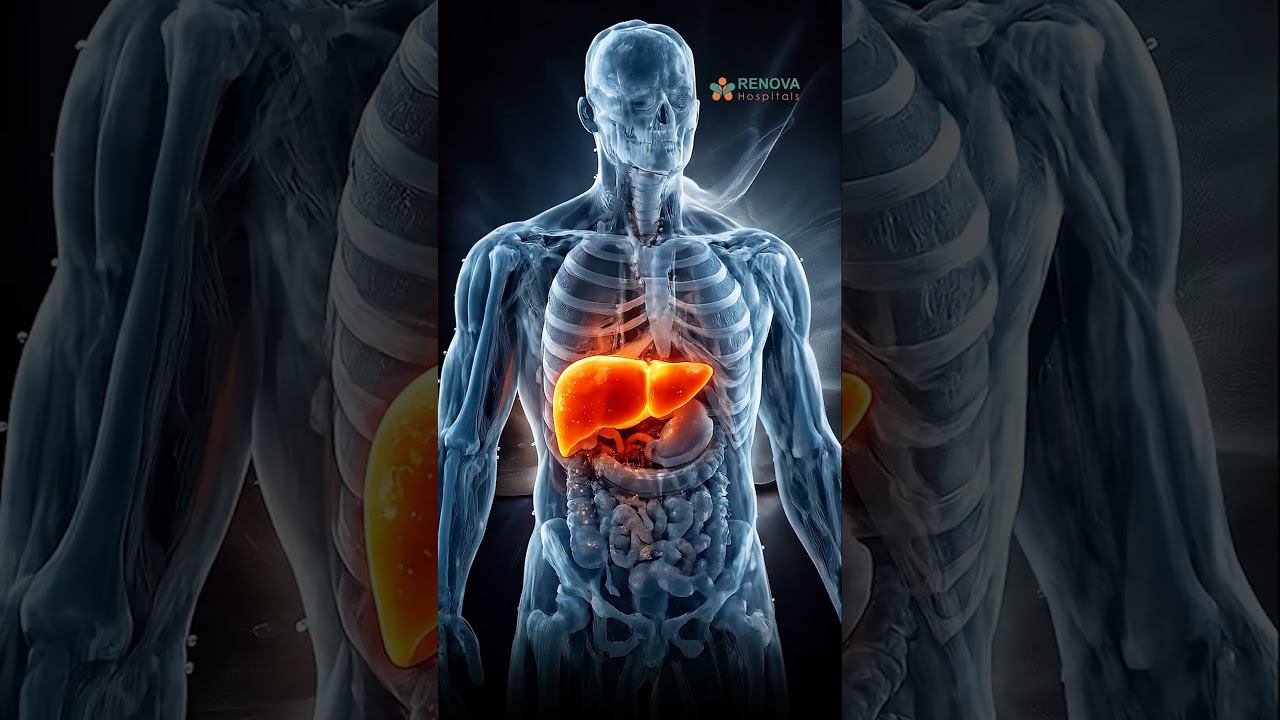
Fatty liver disease occurs when excess fat accumulates in the liver. It is commonly associated with obesity, diabetes, high cholesterol, and unhealthy lifestyle habits, although excessive alcohol consumption can also cause fatty liver. In its early stages, fatty liver often produces no symptoms. With timely lifestyle changes, weight management, and treatment of underlying medical conditions, the condition can often be reversed before permanent liver damage occurs.
Key Takeaways
- Fatty liver often develops silently without noticeable symptoms.
- Obesity, type 2 diabetes, and metabolic syndrome are major risk factors.
- Early-stage fatty liver is often reversible with healthy lifestyle changes.
- Persistent fatty liver can progress to liver inflammation, fibrosis, cirrhosis, or liver cancer in some individuals.
- Regular health check-ups help detect fatty liver before complications develop.
Fatty Liver at a Glance
- What It Is: Excess fat accumulation in liver cells
- Main Types: Non-alcoholic fatty liver disease (NAFLD) and alcohol-related fatty liver disease
- Common Risk Factors: Obesity, diabetes, high cholesterol, excessive alcohol intake, sedentary lifestyle
- Common Symptoms: Often none in the early stages; fatigue or discomfort in the upper abdomen may occur later
- Diagnosis: Blood tests, ultrasound, FibroScan®, CT or MRI in selected cases, liver biopsy when indicated
- Treatment: Lifestyle changes, weight loss, management of underlying conditions, regular monitoring
Latest Statistics
- According to the World Health Organization and recent international liver disease research, metabolic dysfunction-associated fatty liver disease (previously known as NAFLD) affects approximately one in three adults globally, making it one of the most common chronic liver conditions.
- The prevalence is increasing alongside rising rates of obesity and type 2 diabetes.
- Many people with fatty liver are unaware they have the condition because it often causes no symptoms in its early stages.
- Early diagnosis and sustained lifestyle changes can prevent progression to serious liver disease in many patients.
Introduction
Your liver is one of the hardest-working organs in the body. It helps digest food, stores nutrients, removes toxins, produces essential proteins, and regulates many important metabolic processes.
Despite its remarkable ability to repair itself, the liver can gradually become damaged when excess fat builds up inside its cells.
Fatty liver disease is becoming increasingly common across the world, affecting not only adults but also younger individuals and even children. Modern lifestyles characterised by unhealthy eating habits, physical inactivity,
obesity, and diabetes have contributed significantly to this growing health concern.
The reassuring news is that fatty liver is often reversible when identified early. Recognising the risk factors, understanding the warning signs, and making timely lifestyle changes can help protect your liver and reduce the risk of long-term complications.
What Is Fatty Liver Disease?
Fatty liver disease occurs when fat accounts for more than 5% of the liver's weight.
A small amount of fat in the liver is normal. However, excessive fat accumulation interferes with normal liver function and may eventually lead to inflammation, scarring, and permanent liver damage if left untreated.
Many people discover they have fatty liver only after undergoing a routine health check-up or ultrasound for another reason.
Types of Fatty Liver Disease
Fatty liver disease is broadly classified into two main types.
Non-Alcoholic Fatty Liver Disease (NAFLD)
NAFLD develops in people who drink little or no alcohol.
It is strongly associated with:
- Obesity
- Type 2 diabetes
- High cholesterol
- High triglycerides
- High blood pressure
- Metabolic syndrome
NAFLD is now the most common form of fatty liver disease worldwide.
Alcohol-Related Fatty Liver Disease
This form develops because excessive alcohol damages liver cells and promotes fat accumulation.
Reducing or stopping alcohol consumption can significantly improve liver health, particularly in the early stages.
What Causes Fatty Liver?
Fatty liver usually develops due to a combination of metabolic, lifestyle, and genetic factors.
Common causes include:
Obesity
Excess body weight, particularly increased abdominal fat, is one of the strongest risk factors for fatty liver.
Type 2 Diabetes
Poor
blood sugar control increases fat accumulation in the liver and raises the risk of liver inflammation.
High Cholesterol and Triglycerides
Abnormal blood lipid levels contribute to fat storage within liver cells.
Metabolic Syndrome
People with metabolic syndrome often have several risk factors together, including obesity, high blood pressure,
diabetes, and abnormal cholesterol levels.
Excessive Alcohol Consumption
Long-term heavy alcohol use damages liver cells and promotes fat deposition.
Sedentary Lifestyle
Lack of regular physical activity increases the risk of obesity, insulin resistance, and
fatty liver.
Certain Medications
Some medicines can contribute to fatty liver in selected individuals. Always discuss medication concerns with your doctor before making any changes.
Rapid Weight Loss
Very rapid weight loss or prolonged fasting may also lead to temporary fat accumulation in the liver.
Genetics
Some people have inherited genetic factors that make them more susceptible to fatty liver despite maintaining a relatively healthy lifestyle.
Who Is at Higher Risk?
Your risk is higher if you:
- Are overweight or obese
- Have type 2 diabetes
- Have high cholesterol or triglycerides
- Have high blood pressure
- Have metabolic syndrome
- Consume excessive alcohol
- Lead a physically inactive lifestyle
- Have a family history of fatty liver disease
- Have polycystic ovary syndrome (PCOS)
What are the Fatty Liver Symptoms?
One of the biggest challenges is that fatty liver often causes no symptoms, especially in its early stages.
When symptoms do occur, they may include:
- Persistent tiredness
- General weakness
- Mild discomfort or heaviness in the upper right side of the abdomen
- Feeling unwell without a clear cause
Because these symptoms are non-specific, many people remain unaware of the condition until it is detected during routine investigations.
What are the Stages of Fatty Liver Disease?
Fatty liver can progress gradually if the underlying causes are not addressed.
Stage 1: Simple Fatty Liver
Fat accumulates inside liver cells without significant inflammation. At this stage, the condition is often reversible with healthy lifestyle changes.
Stage 2: Fatty Liver with Inflammation (Steatohepatitis)
Persistent fat accumulation may trigger inflammation and damage liver cells. If left untreated, this stage can progress to scarring.
Stage 3: Fibrosis
Long-term inflammation leads to the formation of scar tissue within the liver. Although the liver continues functioning, increasing fibrosis raises the risk of future complications.
Stage 4: Cirrhosis
Extensive scarring permanently damages the liver, affecting its ability to function normally.
Cirrhosis may lead to liver failure and increase the risk of liver cancer.
Expert Insight
Fatty liver is often called a 'silent' disease because most people feel perfectly healthy until significant liver damage has already occurred. The encouraging news is that early-stage fatty liver is usually reversible. Even modest weight loss, regular physical activity, and good control of diabetes or cholesterol can dramatically improve liver health and prevent long-term complications.
How Is Fatty Liver Diagnosed?
Fatty liver is often discovered during a routine health check-up because many people have no symptoms. If your doctor suspects fatty liver based on your medical history, examination, or abnormal
liver function tests, further investigations may be recommended to confirm the diagnosis and assess the severity of liver damage.
Blood Tests
Blood tests help evaluate liver health but cannot always confirm fatty liver on their own.
Common investigations include:
- Liver function tests (ALT, AST, ALP, GGT)
- Blood sugar (fasting glucose and HbA1c)
- Lipid profile (cholesterol and triglycerides)
- Complete blood count (CBC)
- Kidney function tests
Some people with fatty liver have completely normal liver enzyme levels, which is why imaging tests are often required.
Ultrasound
Ultrasound is usually the first imaging test used to detect fatty liver.
It is:
- Non-invasive
- Painless
- Widely available
- Able to identify excess fat within the liver
However, ultrasound cannot accurately determine the amount of liver scarring.
FibroScan®
FibroScan® is a specialised, non-invasive test that measures:
- Liver stiffness (fibrosis)
- Fat accumulation in the liver
It helps identify patients who may be at risk of developing advanced liver disease and often reduces the need for a liver biopsy.
CT Scan or MRI
CT or MRI scans may be recommended in selected situations when additional information is required or when other liver conditions need to be evaluated.
Liver Biopsy
It may be recommended when:
- The diagnosis remains uncertain
- Advanced liver disease is suspected
- Other liver disorders need to be ruled out
A biopsy provides detailed information about inflammation, fibrosis, and the extent of liver damage.
Treatment for Fatty Liver
There is currently no single medicine that cures fatty liver disease. Treatment focuses on addressing the underlying causes and preventing disease progression.
For most people, lifestyle modification is the cornerstone of treatment.
Achieve Gradual Weight Loss
Losing excess weight is one of the most effective ways to improve fatty liver.
Research shows that:
- Losing 5% of body weight can reduce liver fat.
- Losing 7–10% may reduce inflammation and improve liver function in many patients.
Rapid weight loss is not recommended because it may temporarily worsen liver fat accumulation.
Eat a Liver-Friendly Diet
Healthy eating plays a major role in reversing fatty liver.
Include More Of:
- Fresh fruits
- Green leafy vegetables
- Whole grains
- Lentils and legumes
- Fish rich in omega-3 fatty acids
- Lean proteins
- Nuts and seeds
- Plenty of water
Limit:
- Sugary drinks
- Refined carbohydrates
- Deep-fried foods
- Fast food
- Processed meats
- Excess salt
- Foods high in saturated fats
Rather than following restrictive fad diets, focus on a balanced eating pattern that can be maintained long term.
Exercise Regularly
Regular physical activity helps reduce liver fat even before significant weight loss occurs.
Aim for at least 150 minutes of moderate-intensity exercise each week, such as:
- Brisk walking
- Cycling
- Swimming
- Jogging
- Dancing
Strength training two or three times a week also supports metabolic health.
Always consult your doctor before starting a new exercise programme if you have underlying medical conditions.
Manage Underlying Medical Conditions
Successful treatment also involves controlling conditions that contribute to fatty liver.
These include:
- Type 2 diabetes
- High cholesterol
- High blood pressure
- Obesity
- Metabolic syndrome
Good control of these conditions reduces the risk of liver inflammation and long-term complications.
Avoid Alcohol
People with fatty liver should discuss alcohol consumption with their doctor.
Those with alcohol-related fatty liver should stop drinking completely.
Even in non-alcoholic fatty liver disease, limiting or avoiding alcohol may help protect the liver.
Can Fatty Liver Be Reversed?
Yes. In many people, early-stage fatty liver is reversible.
With sustained lifestyle changes, the liver has a remarkable ability to heal.
Reversal is more likely when treatment begins before significant fibrosis or cirrhosis develops.
This highlights the importance of early diagnosis through routine health check-ups.
Possible Complications
If left untreated, fatty liver may progress to:
- Steatohepatitis (liver inflammation)
- Fibrosis (liver scarring)
- Cirrhosis
- Liver failure
- Liver cancer
Not everyone with fatty liver develops these complications, but the risk increases when underlying metabolic conditions remain uncontrolled.
Can Fatty Liver Be Prevented?
Many cases can be prevented through healthy lifestyle choices.
Prevention Tips
- Maintain a healthy body weight.
- Exercise regularly.
- Eat a balanced, nutritious diet.
- Limit sugary drinks and processed foods.
- Control diabetes, blood pressure, and cholesterol.
- Avoid excessive alcohol.
- Attend regular health check-ups.
- Follow your doctor's advice if fatty liver has already been diagnosed.
Myth vs Fact
Myth: Only people who drink alcohol develop fatty liver.
Fact: Most cases are related to obesity, diabetes, insulin resistance, and metabolic syndrome rather than alcohol.
Myth: Fatty liver always causes pain.
Fact: Most people have no symptoms, especially during the early stages.
Myth: Fatty liver is harmless.
Fact: If ignored, it can progress to liver inflammation, fibrosis, cirrhosis, and even liver cancer.
Myth: Medicines alone can cure fatty liver.
Fact: Lifestyle changes, including healthy eating, weight management, and regular exercise, remain the foundation of treatment.
Doctor's Clinical Pearl
Fatty liver is one of the few chronic liver diseases that can often be reversed before permanent damage occurs. Even modest weight loss, improved nutrition, regular exercise, and effective management of diabetes or high cholesterol can significantly improve liver health. The earlier these changes begin, the greater the opportunity to prevent fibrosis and cirrhosis.
People Also Ask
Is fatty liver a serious disease?
Early-stage fatty liver is often reversible. However, if left untreated, it may progress to liver inflammation, fibrosis, cirrhosis, and, in some cases, liver cancer.
Can fatty liver be cured?
There is no single cure, but early-stage fatty liver can often be reversed through lifestyle changes, weight loss, and management of underlying medical conditions.
What is the fastest way to reduce fatty liver?
There is no instant solution. Gradual weight loss, a balanced diet, regular exercise, and controlling diabetes or cholesterol provide the safest and most effective improvement.
Does fatty liver always cause symptoms?
No. Many people remain symptom-free for years and discover the condition during routine health screening.
Which doctor treats fatty liver?
Fatty liver is commonly managed by a gastroenterologist, hepatologist, or an internal medicine specialist, depending on the individual's condition.
Conclusion
Fatty liver disease has become one of the most common chronic liver conditions worldwide, largely driven by increasing rates of obesity, diabetes, and sedentary lifestyles. Although it often develops without symptoms, it should never be overlooked.
Early diagnosis through routine health check-ups, combined with healthy eating, regular physical activity, weight management, and good control of underlying medical conditions, can often reverse the disease before permanent liver damage occurs. Taking action early is the best way to protect your liver and your long-term health.
Medically Reviewed & Approved By:
Dr. R. V. Raghavendra Rao
Surgical Gastroenterologist & Liver Transplant Surgeon
MBBS, MS (General Surgery), MCh (Surgical Gastroenterology)
26 Years of Clinical Experience
Expert in Liver Transplantation, Hepatobiliary and Pancreatic Surgery, Gastrointestinal Oncology, Minimally Invasive GI Surgery, and the Management of Complex Liver and Gastrointestinal Conditions. He has performed more than 500 liver transplants and numerous complex GI cancer surgeries.
This article has been medically reviewed and approved by Dr. R. V. Raghavendra Rao to ensure accuracy, credibility, and alignment with current evidence-based standards in surgical gastroenterology, liver transplantation, and gastrointestinal care.