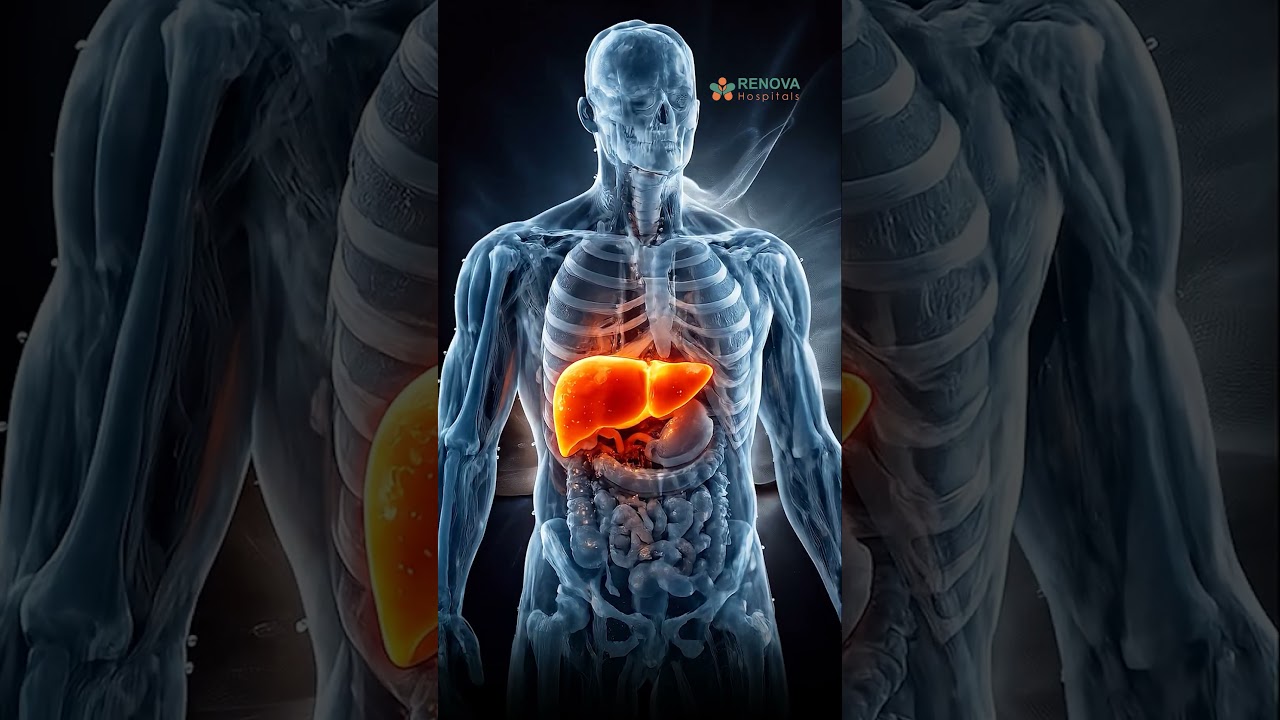
Fatty liver disease has become one of the most common liver conditions worldwide, particularly in countries like India, where obesity, diabetes, and sedentary lifestyles are increasing.
Although fatty liver disease is often considered a “
silent condition,” research shows that it can increase the risk of liver cancer and some other cancers, including colorectal cancer.
Understanding this connection can help with early detection, prevention, and timely treatment.
Key Takeaways
- Fatty liver disease may increase the risk of liver cancer and some other cancers.
- Long-term liver inflammation and scarring can increase the risk of cancer development.
- NAFLD and AFLD are both linked to hepatocellular carcinoma (HCC).
- Early lifestyle changes can reverse fatty liver disease in many cases.
- Regular screening is important for people with metabolic risk factors.
What Is Fatty Liver Disease?
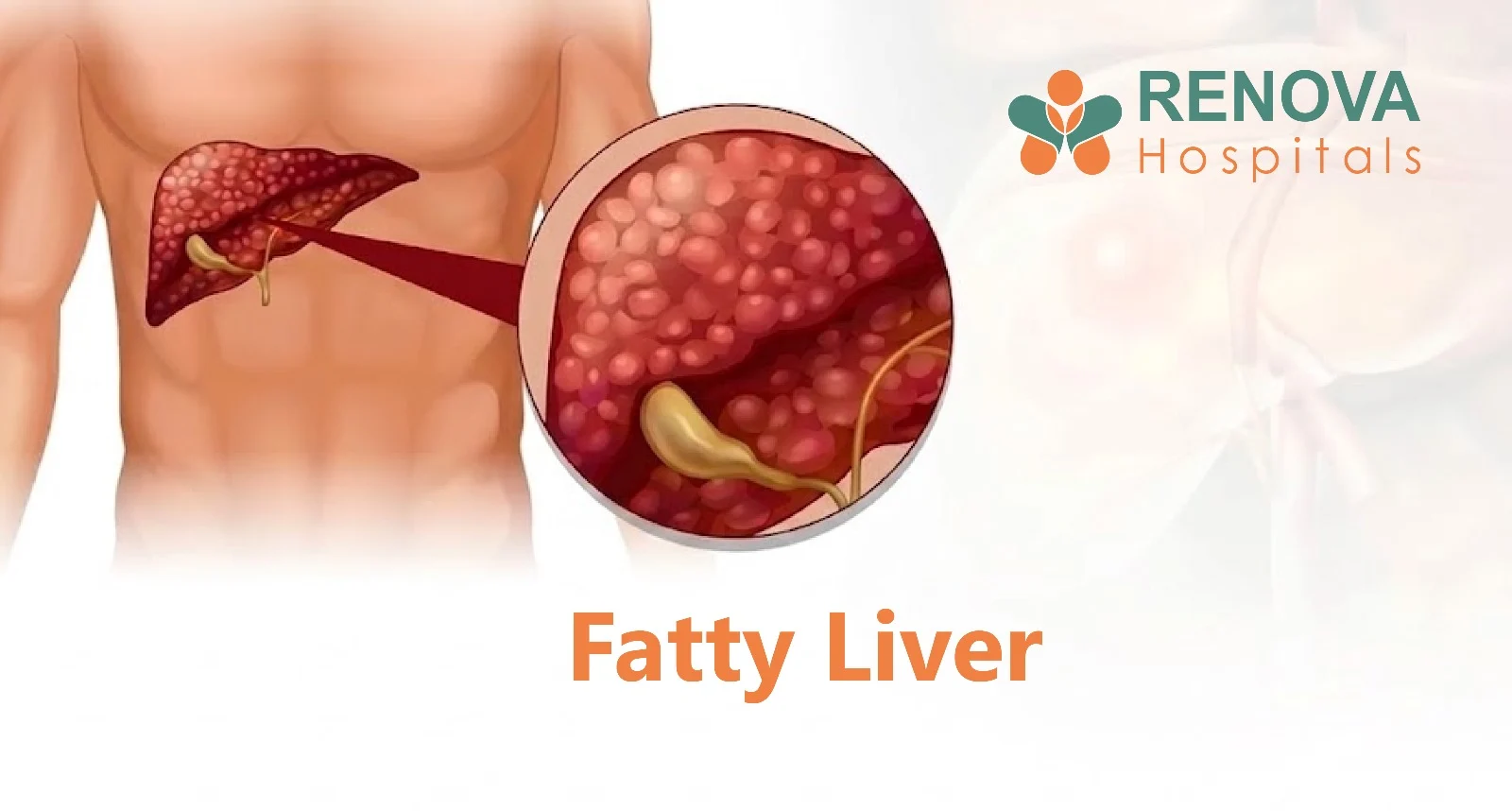
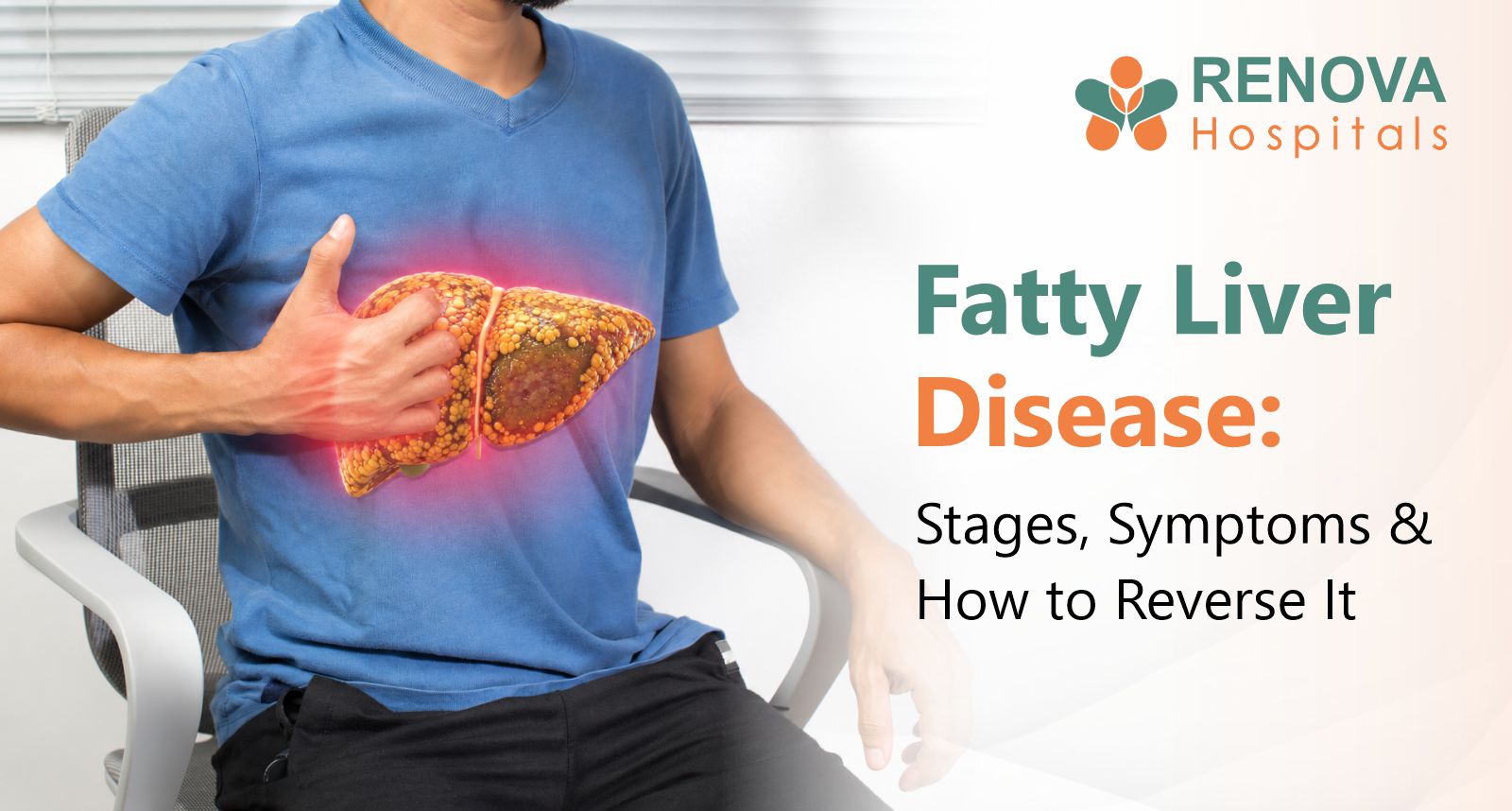
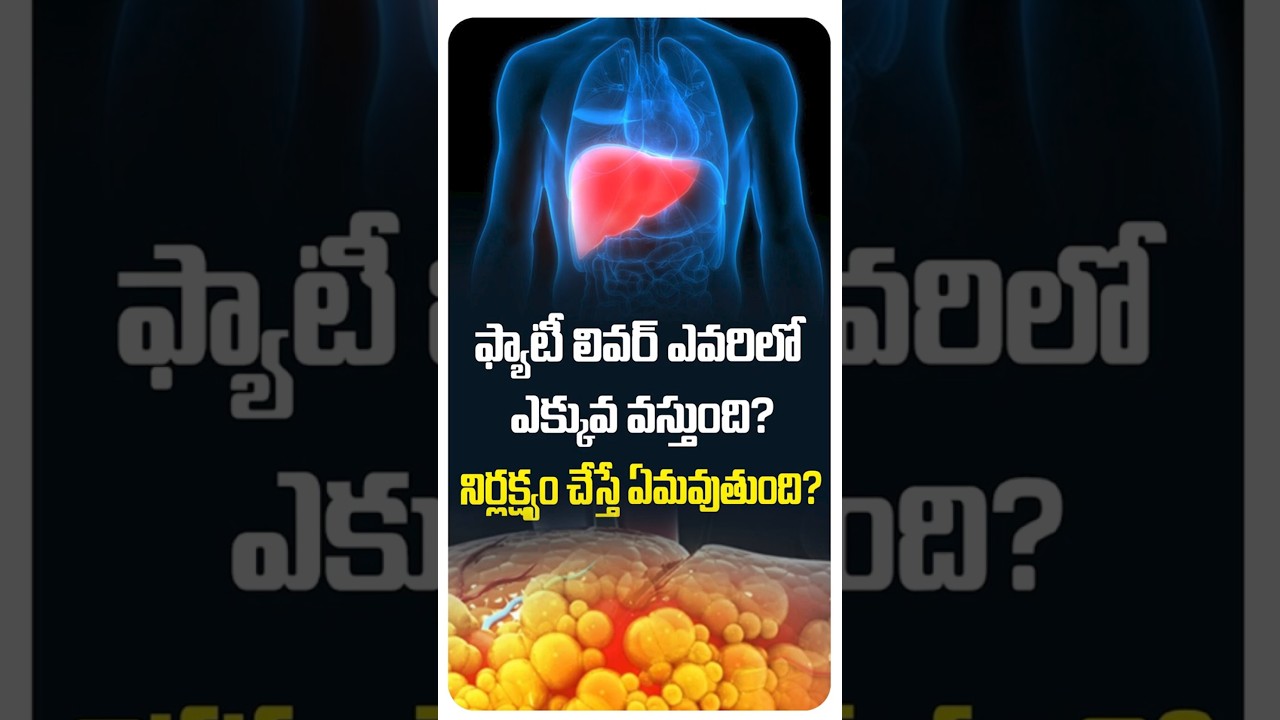
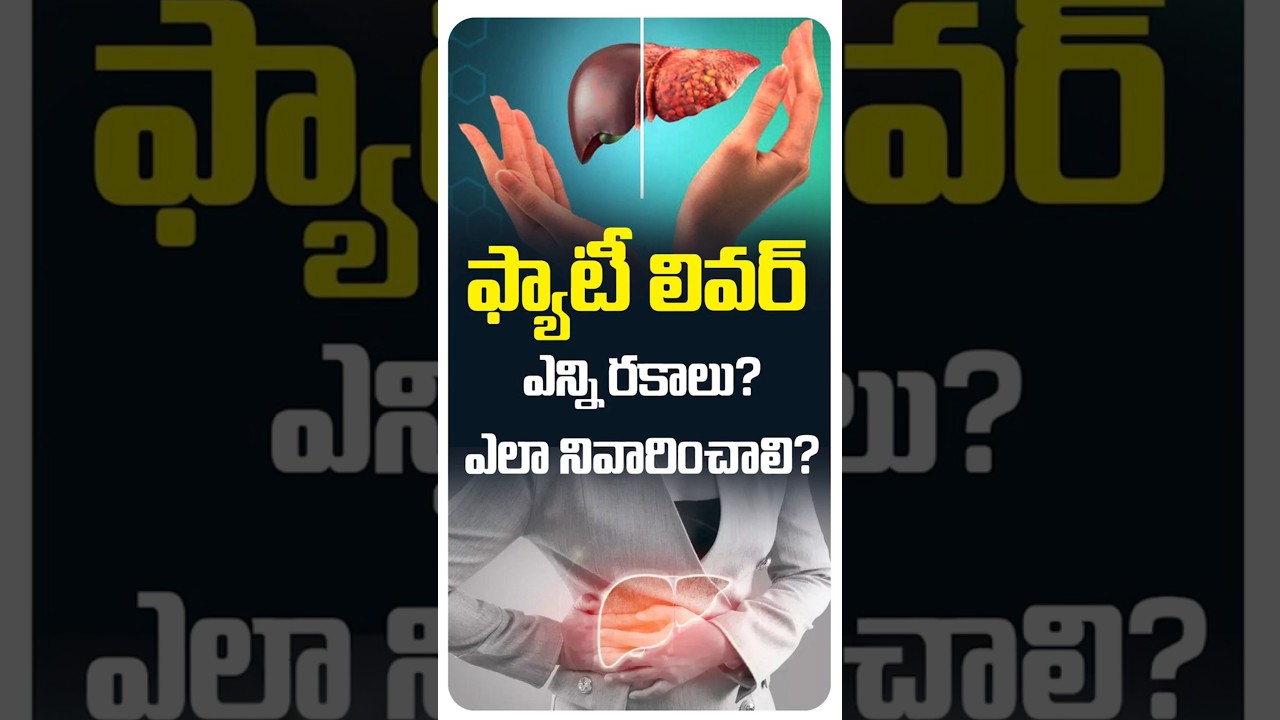
Fatty liver disease occurs when excess fat builds up in liver cells, which can affect how the liver works over time.
The two main types of fatty liver disease include:
Metabolic dysfunction associated steatotic liver disease (MASLD), previously known as non-alcoholic fatty liver disease (
NAFLD), develops in people who consume little or no alcohol. It is strongly associated with metabolic conditions such as:
- Obesity
- Type 2 diabetes
- High cholesterol
- Insulin resistance
- Metabolic syndrome
Today, NAFLD is considered the most common chronic liver disease globally.
Alcohol-Related Fatty Liver Disease (AFLD)
AFLD occurs due to long-term excessive alcohol consumption, which damages liver cells and causes fat accumulation. Both NAFLD and AFLD can progress to serious liver complications if not treated early.
Can Fatty Liver Lead to Cancer?
Yes. Fatty liver disease can increase the risk of hepatocellular carcinoma (HCC), the most common type of liver cancer.
In some people, the condition can progress through some stages:
Stage 1: Simple Fatty Liver (Steatosis)
At this stage, fat accumulates in liver cells, but inflammation is minimal. With lifestyle changes, the condition is often reversible.
Stage 2: Non-Alcoholic Steatohepatitis (NASH)
In some patients, NAFLD progresses to non-alcoholic steatohepatitis (NASH).
This stage involves:
- Liver inflammation
- Liver cell damage
- Early fibrosis (scar tissue formation)
NASH increases the risk of cirrhosis and liver cancer.
Stage 3: Liver Fibrosis
Long-term inflammation can lead to the formation of liver scar tissue. This scarring reduces liver function.
Stage 4: Cirrhosis
Cirrhosis occurs when severe scarring replaces healthy liver tissue.
Cirrhosis is the strongest risk factor for liver cancer.
Stage 5: Liver Cancer
How Fatty Liver Increases Liver Cancer Risk
Some biological mechanisms explain the link between fatty liver disease and cancer.
Chronic Liver Inflammation
Fat accumulation triggers chronic inflammation, damaging liver cells over time.
Over time, this inflammation can lead to:
- DNA damage
- Genetic mutations
- Abnormal cell growth
Oxidative Stress
Fatty liver increases the production of reactive oxygen species (ROS). These molecules can damage liver cells and may contribute to the development of cancer.
Liver Scarring (Cirrhosis)
Cirrhosis is the primary risk factor for hepatocellular carcinoma. Scar tissue alters liver structure and promotes the growth of cancerous cells.
Impaired Detoxification
The liver normally filters toxins from the blood. Fat buildup can reduce the liver’s ability to neutralise harmful substances, increasing cancer risk.
How Common Is Liver Cancer in People With Fatty Liver Disease?
Studies suggest that people with fatty liver
disease have a significantly higher risk of liver cancer.
Research findings include:
- Some studies suggest that people with NAFLD may have a higher risk of hepatocellular carcinoma compared with the general population.
- People with alcohol-related fatty liver disease may have a 2–2.6 times higher risk of liver cancer.
- Early-onset NAFLD (before age 45) is associated with increased risk of multiple cancers.
Globally, liver cancer remains one of the leading causes of cancer deaths, with more than 800,000
new cases each year.
Fatty Liver Disease and Other Types of Cancer
Some studies suggest that fatty liver disease may also be associated with a higher risk of certain cancers.
Research has linked NAFLD to increased risk of:
- Colorectal cancer
- Kidney cancer
- Bladder cancer
- Uterine cancer
Studies on alcohol-related fatty liver disease have also found increased risk of:
- Oral and throat cancers
- Esophageal cancer
- Pancreatic cancer
- Lung cancer
- Thyroid cancer
- Leukemia
These associations are partly due to shared risk factors, including obesity and metabolic disorders.
Symptoms of Cancer Related to Fatty Liver Disease
Fatty liver disease usually causes no symptoms in its early stages. However, when liver cancer develops, some people may experience symptoms such as:
- Jaundice (yellowing of skin and eyes)
- Loss of appetite
- Unexplained weight loss
- Persistent fatigue
- Flu-like symptoms
- A lump or swelling on the right side of the abdomen
Because these symptoms can resemble other conditions, medical evaluation is important.
When Should You Seek Medical Help?
You should consult a doctor if you experience:
- A persistent lump in your abdomen
- Unexplained weight loss
- Ongoing fatigue
- Symptoms of liver disease that last more than two weeks
Medical Emergency
Seek immediate medical attention if you experience:
- Severe jaundice
- Continuous vomiting for more than 48 hours
Early diagnosis significantly improves
treatment outcomes.
How Doctors Diagnose Liver Cancer
Doctors use some tests to diagnose
liver cancer and evaluate liver health.
Physical Examination
A doctor may check for:
- Liver enlargement
- Abdominal swelling
- Jaundice
Blood Tests
Blood tests help assess liver function and detect markers such as:
Imaging Tests
Imaging techniques are essential for detecting liver tumours.
Common tests include:
- Ultrasound
- CT scan
- MRI scan
Liver Biopsy
In some cases, doctors may perform a liver biopsy to confirm whether abnormal tissue is cancerous.
Treatment Options for Liver Cancer
Treatment depends on the stage of cancer and the patient’s overall health.
Common treatment options include:
- Surgery to remove tumours
- Radiation therapy
- Targeted drug therapy
- Immunotherapy
- Chemotherapy
- Ablation therapy
- Embolization therapy
Early detection allows for more effective treatment and improved survival rates.
Can Fatty Liver Be Misdiagnosed as Cancer?
In some cases, fatty liver deposits may appear similar to tumours on imaging scans, such as ultrasound or CT. This can occasionally lead to diagnostic confusion.
In such situations, doctors may recommend:
- Additional imaging tests
- Blood tests
- Liver biopsy
These tests help confirm the correct diagnosis.
Can Cancer Be Mistaken for Fatty Liver?
Yes. In some cases, early liver tumours may appear similar to fatty liver disease on imaging. Because of this overlap, doctors often use multiple diagnostic tools to ensure an accurate diagnosis.
Can Fatty Liver Disease Be Prevented From Leading to Cancer?
The good news is that fatty liver disease is often reversible in its early stages.
Preventive strategies include:
Maintaining a Healthy Weight
Losing 7–10% of body weight can significantly reduce liver fat.
Eating a Balanced Diet
A healthy diet should include:
- Fruits and vegetables
- Whole grains
- Lean proteins
- Healthy fats
Reducing sugar, refined carbohydrates, and processed foods is essential.
Regular Physical Activity
Exercise improves metabolism and reduces liver fat accumulation. Experts recommend at least 150 minutes of exercise per week.
Avoiding Excess Alcohol
Limiting alcohol intake helps prevent liver damage.
Managing Metabolic Conditions
Proper control of diabetes, cholesterol, and blood pressure is important for preventing disease progression.
Why Early Screening Is Important
Fatty liver disease is often called a “silent disease” because it rarely causes symptoms until advanced stages.
Regular screening is especially important for people with:
- Obesity
- Type 2 diabetes
- High cholesterol
- Family history of liver disease
Early detection helps doctors manage the disease and reduce the risk of complications such as cirrhosis and liver cancer.
Expert Liver Care at Renova Hospitals
At
Renova Hospitals, our specialists provide advanced diagnosis and treatment for liver diseases, including:
- Fatty liver screening
- FibroScan and advanced imaging
- Liver cancer detection
- Personalised treatment plans
Our multidisciplinary team focuses on early detection and personalised treatment to help patients manage liver conditions effectively. For consultation or liver health screening, contact
Renova Hospitals at 040 2333 3333.
Medical Disclaimer:
This article is for informational purposes only and should not be considered medical advice. Please consult a qualified healthcare professional or specialist for diagnosis and treatment.