Fatty Liver in Non-Alcoholics – A Growing Indian Problem
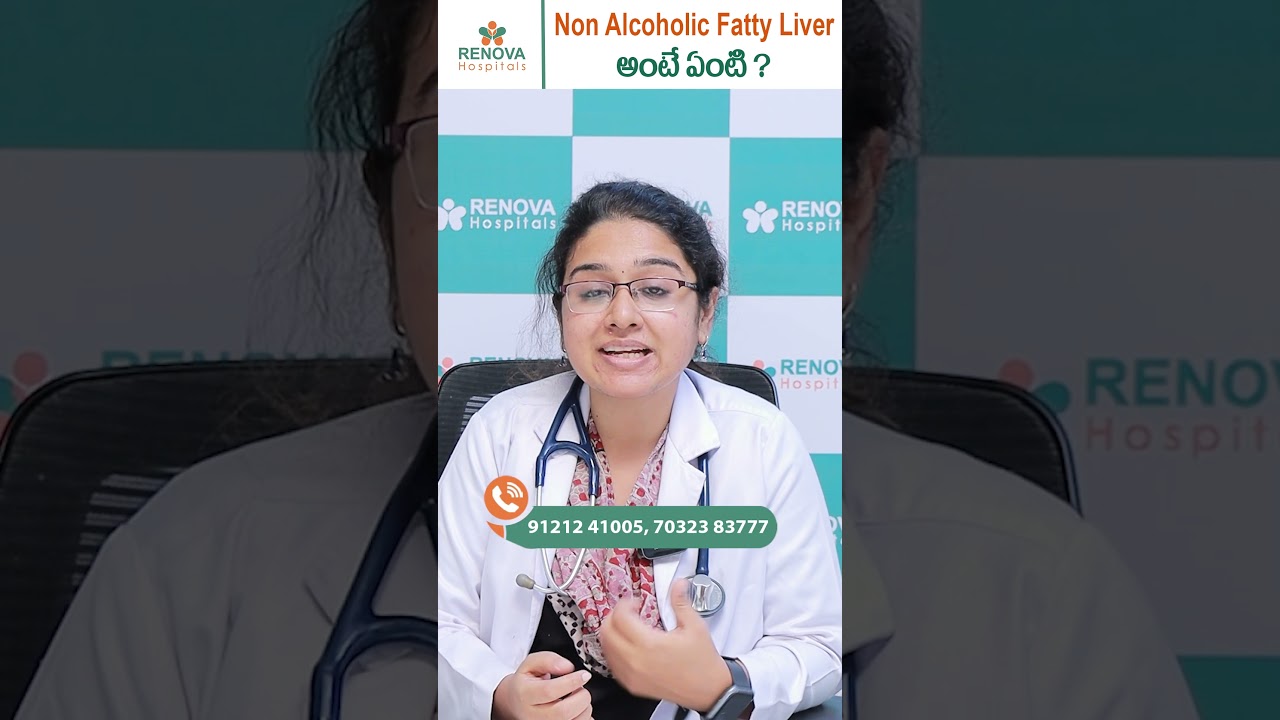
Fatty liver disease is no longer only seen in people who drink alcohol. Today, millions of Indians who consume little or no alcohol are being diagnosed with excess fat buildup in the liver.
This condition is called Non-Alcoholic Fatty Liver Disease (NAFLD). Current medical guidelines are moving towards the term MASLD, but for easy understanding, this article uses "fatty liver in non-alcoholics" and "NAFLD."
What makes this alarming is how widespread it has become. A large Indian meta-analysis found NAFLD prevalence of 38.6% in adults, advancing to nearly
40% in urban populations. That is roughly 1 in every 3 adults carrying excess liver fat without knowing it.
The bigger danger is that it stays completely silent. Most people find out only during a routine health check, blood test, or abdominal ultrasound. By the time symptoms appear, the liver may already be inflamed or scarred.
Key Takeaways
- Fatty liver can happen even if you never drink alcohol
- Nearly 1 in 3 Indian adults may already have it
- It is usually completely silent in the early stages
- Major causes: obesity, diabetes, insulin resistance, high cholesterol, sedentary lifestyle
- Early cases can often be reversed with the right lifestyle changes
- Ignoring it can lead to serious liver disease over time
Your Liver Is Storing Fat, And You May Not Even Know It
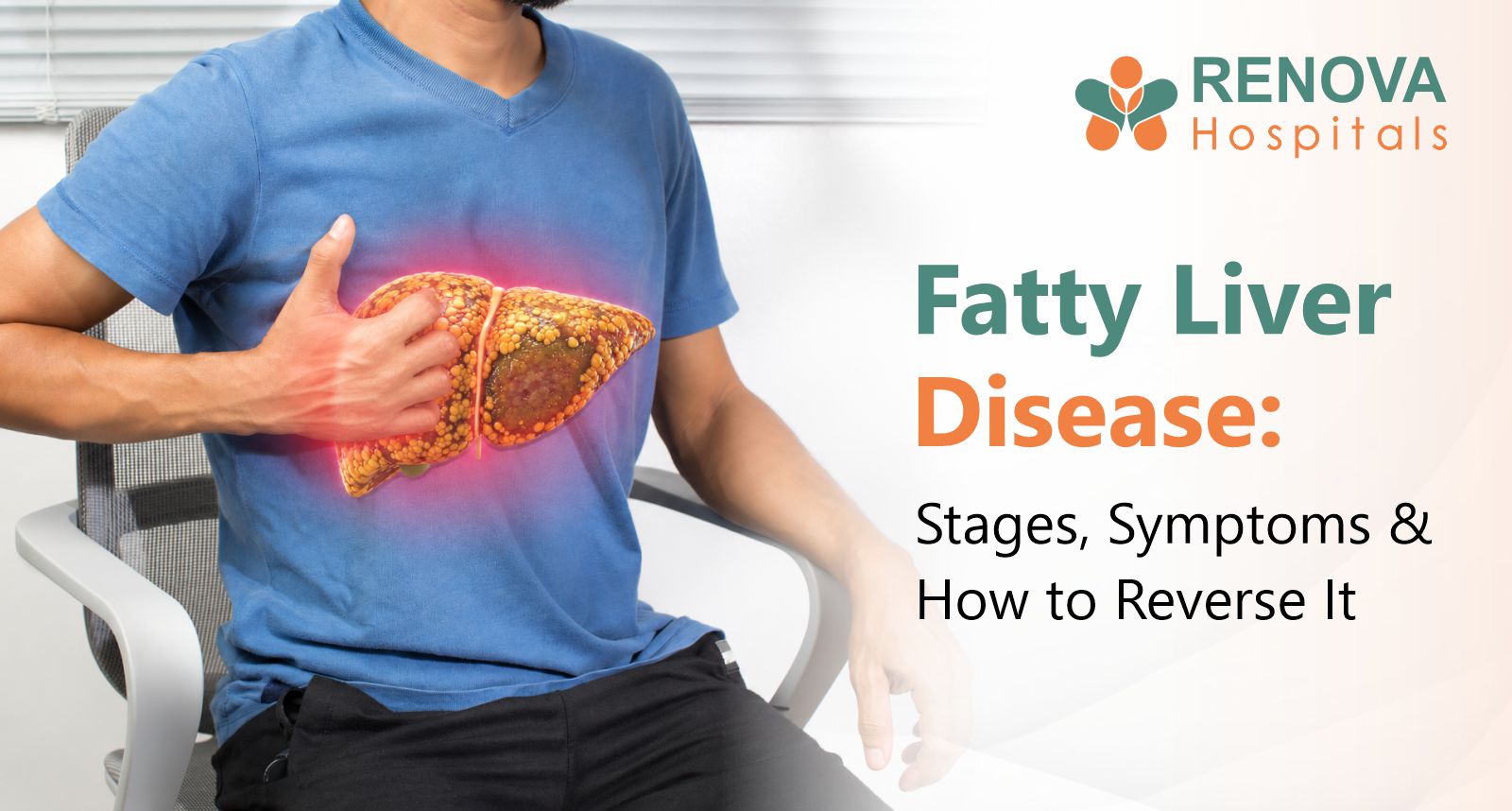
Fat accumulates inside liver cells when the body's metabolism is disrupted. A small amount of liver fat is normal; too much causes damage that worsens silently over the years.
Fatty liver exists on a progressive spectrum:
- Simple fatty liver — fat accumulation, minimal damage
- Steatohepatitis — fat plus active inflammation
- Fibrosis — early liver scarring begins
- Cirrhosis — advanced irreversible scarring
- Liver failure or liver cancer — end-stage disease
This progression is why no doctor treats fatty liver as a "minor incidental finding." Each stage makes the next harder to treat. The window for reversal is short and closing.
Why Is Every Adult at Risk?
India is experiencing a rapid surge in lifestyle and metabolic diseases. Fatty liver sits right at the center of this epidemic.
The key drivers include:
- Rising rates of overweight and obesity
- Explosion in type 2 diabetes and prediabetes
- Insulin resistance is extremely common in South Asians
- High triglycerides and abnormal cholesterol levels
- Metabolic syndrome is becoming more widespread
Urban Indians are especially affected. Prevalence in high-risk groups reaches 52.8%, compared to 28.1% in average-risk populations. Urban areas consistently show higher rates than rural areas.
Cities like Hyderabad are a perfect storm of desk jobs, long commutes, processed food, late dinners, sugary drinks, and barely any daily movement.
What makes South Asians uniquely vulnerable:
- Higher tendency to accumulate belly fat even at normal body weight
- Greater genetic predisposition to insulin resistance
- Fat deposits in the liver and abdomen appear at lower BMI levels than in Western populations
This means a person who looks "thin" by general standards can still have dangerous levels of liver fat.
The Silent Signals Your Body Is Sending You
Fatty liver is called a silent disease for good reason. Most people feel completely normal, even as fat quietly builds up and inflammation begins inside the liver.
When symptoms do appear, they are often vague and easy to dismiss:
1. That Constant Tiredness You Keep Brushing Off
Persistent, unexplained fatigue that does not improve with rest is one of the earliest reported symptoms. Most people blame it on stress or poor sleep and never connect it to their liver.
2. That Dull Ache on Your Right Side
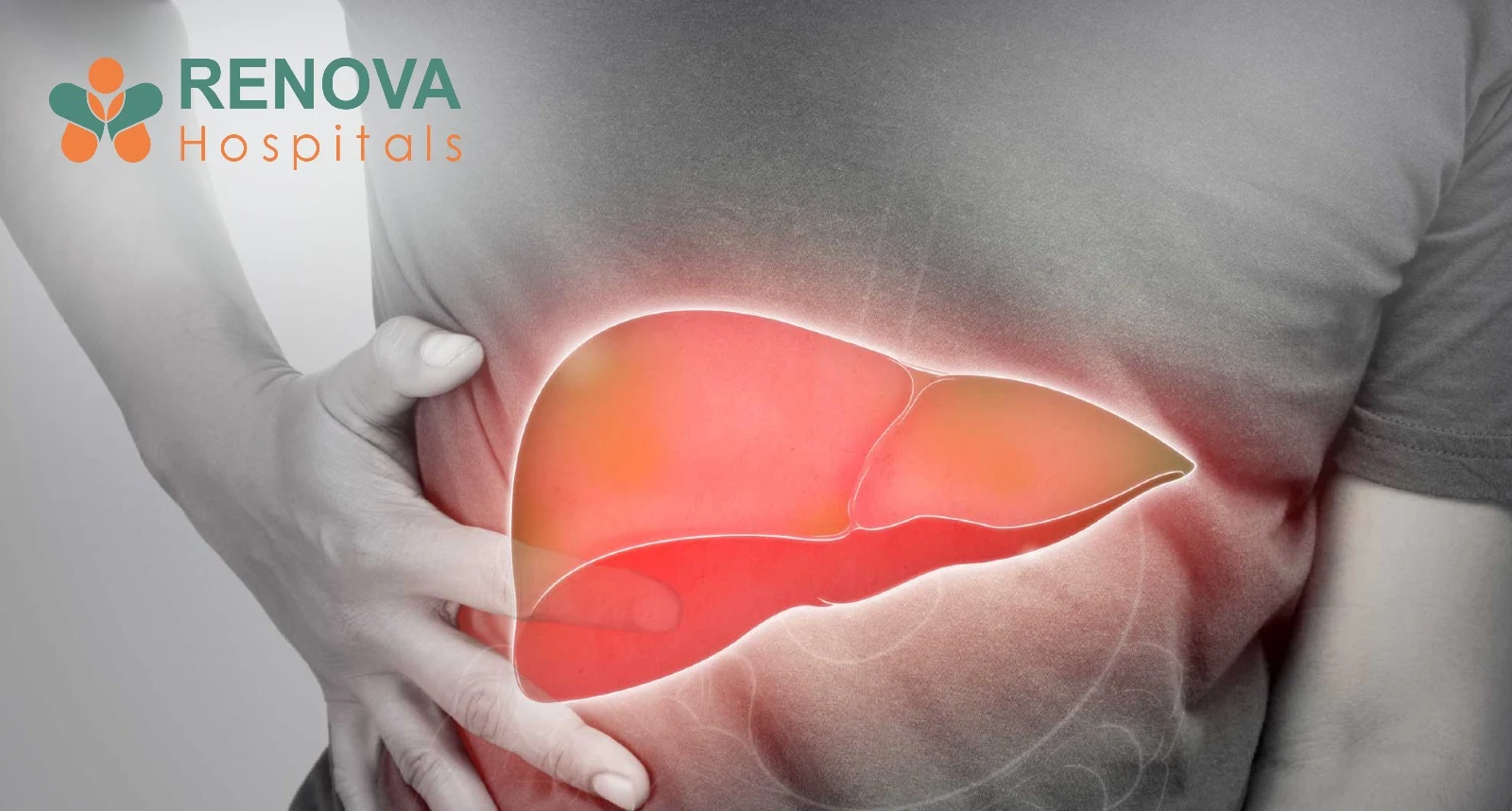
A feeling of heaviness, pressure, or mild discomfort just below the right ribcage, exactly where the liver sits. It is often described as a "full" or "dragging" sensation.
3. Bloating That Just Won't Quit
Ongoing digestive discomfort, post-meal bloating, and a sense of heaviness are frequently accompanied by the metabolic dysfunction underlying fatty liver.
4. A Waistline That Keeps Expanding
Increasing belly fat, especially in people who haven't dramatically changed their diet, is a strong early signal of the insulin resistance and metabolic disruption that drive fatty liver.
5. Abnormal Results on a Routine Check-Up
For many patients, a surprise ultrasound finding or elevated liver enzymes on a blood test is the very first sign. They felt perfectly fine. The liver silently raised a flag.
Are You in the Danger Zone? Know Your Risk Factors
Some people are significantly more likely to develop fatty liver than others. Your risk is higher if you have:
- Overweight or obese,y especially central or abdominal obesity
- Type 2 diabetes or prediabetes
- Insulin resistance
- High triglycerides or abnormal HDL/LDL cholesterol
- High blood pressure
- Metabolic syndrome (a combination of the above)
- PCOS (Polycystic Ovary Syndrome)
- Hypothyroidism
- A sedentary, largely desk-based lifestyle
- Family history of liver disease or metabolic conditions
The more of these you have, the higher your personal risk. Indian research consistently confirms that people with diabetes, obesity, and metabolic syndrome face the steepest fatty liver rates of all.
"I Don't Drink, So How Can I Have Fatty Liver?"
This is the most common question doctors hear from newly diagnosed patients, and it is completely understandable.
Fat accumulates in the liver when the body's metabolism goes wrong. The main culprits are:
- Excess abdominal and visceral fat
- Insulin-resistant cells stop responding to insulin properly
- High dietary sugar, especially fructose from drinks and packaged foods
- Elevated triglycerides in the blood
- Sedentary lifestyle with low energy expenditure
- Poor sleep and chronic stress (increasingly linked to metabolic disruption)
You do not need to touch alcohol for any of these to develop. In fact, fatty liver driven by metabolic causes is now far more common in India than alcohol-related liver disease.
How Doctors Catch Fatty Liver Before It Gets Serious
Diagnosis begins with a thorough clinical evaluation. Your doctor will review your weight, waist circumference, blood sugar history, cholesterol records, thyroid function, medication list, and lifestyle habits.
Standard investigations include:
- Liver function tests (LFTs) — to detect enzyme elevation
- Ultrasound abdomen — most common first-line imaging
- FibroScan / elastography — measures liver fat and stiffness non-invasively
- Blood sugar and HbA1c — to assess diabetes and insulin resistance
- Lipid profile — triglycerides and cholesterol levels
- BMI and waist circumference — metabolic risk assessment
Additional tests may include:
- Hepatitis B and C screening
- Thyroid function tests
- Autoimmune liver markers
- Celiac disease screening in select cases
Structured evaluation matters because fatty liver patients are not all the same. Some have simple fat with low progression risk. Others have active inflammation and early fibrosis requiring much closer monitoring and intervention.
In cases where the degree of liver damage is unclear, a liver biopsy may be recommended to confirm the stage of disease.
Good News: Fatty Liver Can Often Be Reversed
This is the most important message for anyone recently diagnosed: early fatty liver is not a life sentence.
If detected before significant scarring, particularly at the simple fatty liver or early steatohepatitis stage, the condition can meaningfully improve and, in some cases, fully reverse with the right approach.
What drives reversal:
- A weight loss of 5–10% of body weight significantly reduces liver fat
- Regular physical activity improves insulin sensitivity and liver metabolism
- Dietary correction reduces fat and sugar load on the liver
- Managing blood sugar and cholesterol reduces metabolic stress on liver cells
The critical caveat: once cirrhosis develops, liver scarring is largely irreversible. Treatment shifts from reversal to management of complications and prevention of further damage.
This is exactly why early diagnosis changes outcomes, not late diagnosis.
Eat Smart: The Fatty Liver Diet Guide for Indians
Diet is one of the most powerful tools for managing fatty liver. The goal is not a crash diet; it is a sustainable shift in daily food quality.
Eat more of:
- Green leafy vegetables — palak, methi, coriander
- Whole fruits — not fruit juices
- Dal, beans, chickpeas, and pulses
- Whole grains — brown rice, jowar, bajra, oats
- Lean proteins — eggs, fish, paneer in moderation, legumes
- Nuts and seeds — handful portions, not handfuls
- Curd and unsweetened buttermilk
- Plenty of plain water throughout the day
Reduce or avoid:
- Sugary drinks — cold drinks, packaged juices, energy drinks
- Bakery products — biscuits, cakes, bread, khari
- Sweets and mithai — especially daily consumption
- Deep-fried snacks — samosas, pakoras, chips
- Maida-based foods — white bread, noodles, refined pasta
- Excess rice portions at every meal
- Late-night heavy meals — especially within 2 hours of sleep
Key Indian-specific advice:
- Small, frequent meals work better than two large ones
- Cooking oil matters: switch to cold-pressed or minimally refined oil
- Avoid "healthy" packaged foods, most of which carry hidden sugar and maida
- Home-cooked meals are almost always better than restaurant or takeaway food
A realistic, home-based meal plan built around your existing food habits will always outperform a generic crash diet or trending "liver detox."
Small Lifestyle Shifts That Protect Your Liver Every Day
Lifestyle correction is not a supplementary treatment for fatty liver; it is the primary treatment. No medication replaces it.
Start building these habits:
- Targeting a gradual weight loss of even 5% makes a measurable liver difference
- Walking at least 30 minutes every day, consistency beats intensity
- Reduce unbroken sitting time, stand, stretch, and move every hour
- Add resistance or strength training 2–3 times per week if possible
- Sleep by a consistent time; poor sleep worsens insulin resistance
- Manage blood sugar, blood pressure, and cholesterol actively
- Avoid unnecessary supplements, herbal products, and self-prescribed medications, many of which ny are hepatotoxic
- Minimizing or completely avoiding alcohol, even occasional drinking, accelerates liver damage in NAFLD patients
With 1 in 4 adults globally not meeting physical activity guidelines, and India carrying one of the world's highest burdens of metabolic diseases, daily movement is genuinely one of the most liver-protective habits you can build.
Don't Wait for Symptoms. Here's When to See a Doctor
Get evaluated promptly if you have:
Persistent tiredness without a clear explanation- Discomfort or heaviness on the upper right side of your abdomen
- Overweight, obesity, or a steadily expanding waistline
- Diagnosed with diabetes, prediabetes, or insulin resistance
- High cholesterol or triglyceride levels
- Elevated liver enzymes on a blood test
- An ultrasound report showing fatty liver or hepatomegaly
Seek urgent medical attention if you notice:
- Yellowing of eyes or skin (jaundice)
- Unexplained rapid weight loss
- Swelling in the legs or abdomen
- Extreme fatigue or confusion
These may indicate advanced or rapidly progressing liver disease requiring immediate specialist evaluation.
The Cost of Ignoring That Ultrasound Report
Fatty liver left unaddressed does not stay at the "mild" stage forever. Over the years, it can quietly advance to:
- Active liver inflammation (NASH/steatohepatitis)
- Fibrosis — early structural liver damage
- Cirrhosis — permanent, irreversible scarring
- Hepatocellular carcinoma — primary liver cancer
- Significantly increased cardiovascular disease risk
Indian and international evidence confirms that fatty liver is not just a liver problem. It is a whole-body metabolic disease with consequences for the heart, kidneys, and long-term survival.
Fatty Liver Care at Renova Hospitals
If your recent health check shows fatty liver, do not panic, but do not ignore it either. The right next step is proper staging, a comprehensive metabolic evaluation, and a clear, structured treatment plan.
- Comprehensive metabolic and liver risk evaluation
- Full diagnostic blood investigations
- Ultrasound and advanced liver imaging
- FibroScan for non-invasive fibrosis assessment
- Specialist guidance on weight management, diabetes, and liver health
- Personalized treatment plans tailored to disease stage and associated conditions
Your Liver Gave You an Early Warning Act on It
Fatty liver in non-alcoholics is a growing Indian problem rooted in modern lifestyle, rising obesity, increasing diabetes, and poor metabolic health. It is common, largely silent, and often underestimated.
But here is what matters most: in many cases, it is both preventable and reversible when caught early.
Medical Disclaimer
This content is for general informational purposes only. It is not a substitute for professional medical advice, diagnosis, or treatment. Please consult a qualified doctor for personalized evaluation and care.