Overview
Yaws is a tropical infection that starts on the skin but, left untreated, can damage bone and cartilage. It mainly affects children in warm, humid regions — and remarkably, it can often be cured with a single dose of antibiotic. Here's how yaws spreads, its stages and symptoms, and how it's diagnosed and treated.
Because these early signs are mild and painless, the infection frequently goes unrecognised at a stage when treatment is most straightforward and most effective. Yaws thrives in conditions of poverty, particularly among children, in warm, humid environments where overcrowding, poor sanitation, and limited access to healthcare facilitate its spread through direct skin contact.
Despite being completely preventable and curable, yaws remains a significant public health concern due to its slow and silent early course. Families may overlook initial lesions, unaware that the infection can gradually progress if left untreated.
Over time, the disease can extend beyond the skin, leading to severe damage to bones and joints, resulting in deformity and long-term disability. Improving awareness of early symptoms and ensuring timely medical care are essential steps in stopping transmission, preventing permanent harm, and safeguarding the health and future of affected children.
What Is Yaws Disease?
Yaws is a chronic infectious disease caused by a bacterium closely related to the organism that causes syphilis. Unlike syphilis, yaws is not sexually transmitted. It spreads through direct skin-to-skin contact, especially when there are minor cuts or abrasions.
- Skin
- Subcutaneous tissue
- Bones and joints (in later stages)
Yaws is classified as a Neglected Tropical Disease (NTD) and primarily affects children under 15 years of age in tropical regions of Africa, Southeast Asia, and parts of the Western Pacific.
Stages and Types of Yaws Disease
Primary Yaws
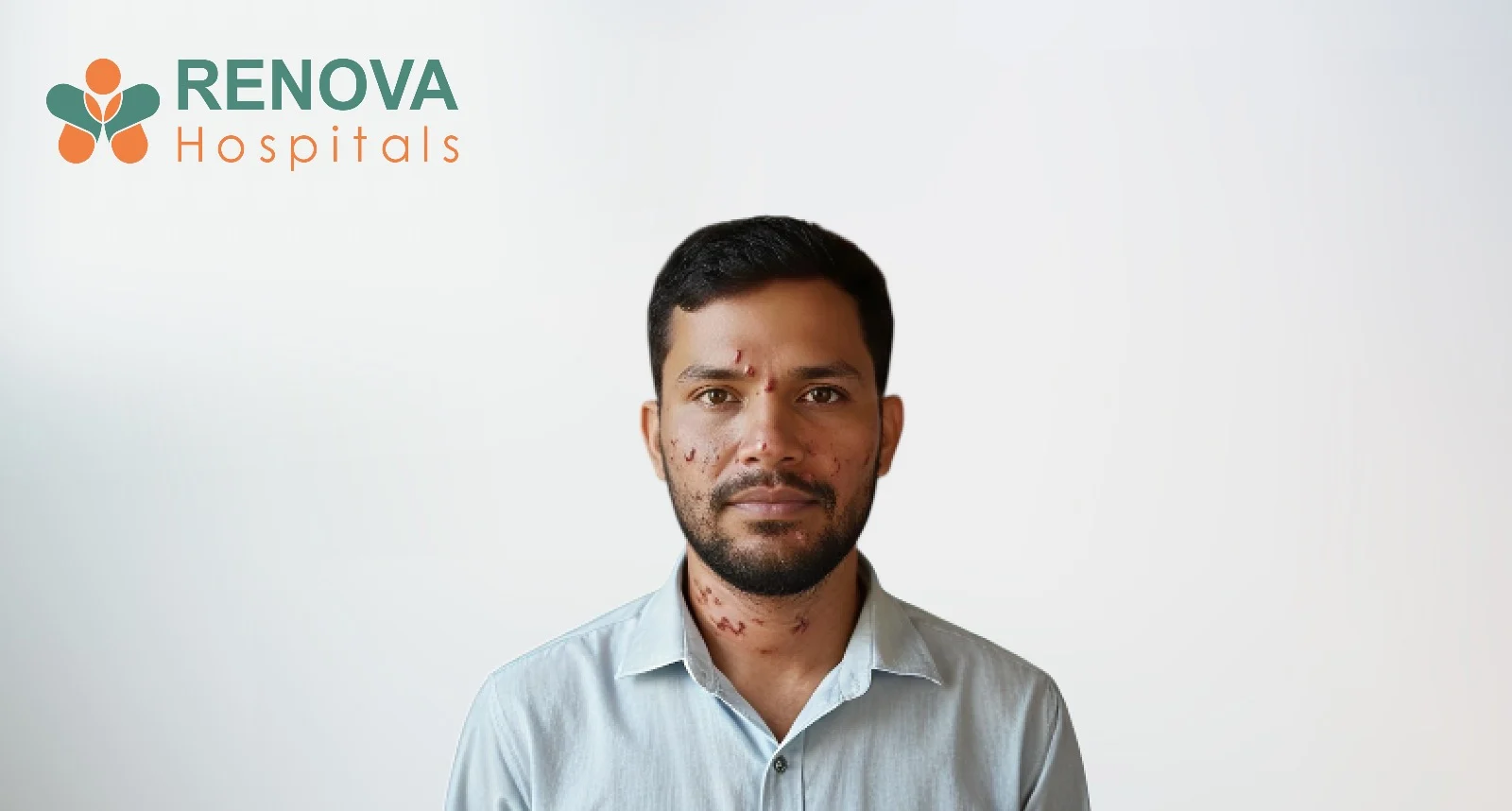
Primary yaws is the initial stage of infection and is the most contagious. It begins at the site where the bacteria enter the skin, usually through a minor cut or abrasion. The lesion develops slowly and is often painless, which leads many families to ignore it.
- Single raised skin lesion known as the “mother yaw”
- Raspberry-like, moist or crusted appearance
- Commonly occurs on legs, arms, or the face
- Highly infectious but painless
Secondary Yaws
Secondary yaws develops weeks to months after the primary lesion if treatment is not given. At this stage, the bacteria spread through the bloodstream, leading to multiple skin and tissue manifestations.
- Multiple widespread skin lesions
- Thickened, cracked skin on palms and soles
- Bone and joint pain, especially in long bones
- General fatigue and swelling of lymph nodes
Latent Yaws
Latent yaws is a phase in which no visible skin lesions are present, but the infection persists in the body. Without treatment, the disease can reactivate years later and progress to severe forms.
- No external symptoms
- Blood tests remain positive
- Infection persists silently
- Risk of progression to late-stage disease
Tertiary (Late) Yaws
Tertiary yaws is the most severe and disabling form, occurring years after untreated infection. It causes irreversible damage to skin, bones, and soft tissues.
- Severe bone deformities
- Chronic non-healing ulcers
- Destruction of facial and nasal structures
- Permanent disability and disfigurement
Early diagnosis and prompt antibiotic treatment can stop yaws at any stage, preventing complications and supporting global efforts to eliminate this neglected tropical disease.
What Causes Yaws?
Yaws Disease Is Caused By
- Treponema pallidum subspecies pertenue
This bacterium enters the body through:
- Minor skin injuries
- Cuts, scratches, or insect bites
- Close contact with infected skin lesions
- Warm, humid climates
- Poor hygiene and overcrowding
- Limited access to clean water
- Walking barefoot
- Close contact among children
Yaws spreads easily in communities where skin injuries are common and healthcare access is limited.
How Yaws Spreads
The transmission of yaws is almost exclusively through non-sexual, person-to-person contact.
- Direct Skin-to-Skin Contact: The most common way to contract yaws is by touching the infectious skin lesions (sores) of an infected person. The bacteria are present in the fluid or serum that oozes from these sores.
- Entry Through "Broken" Skin: The bacteria typically enter the body through minor cuts, scrapes, or abrasions.
- Close Living Conditions: The disease thrives in overcrowded environments and shared living spaces where children play closely together. Poor personal hygiene and limited access to clean water also facilitate its spread.
- Warm, Humid Climates: Yaws is found primarily in tropical regions (West Africa, Southeast Asia, and the Pacific). The bacteria are fragile and survive best in moist, warm environments.
What Does NOT Spread Yaws
It is essential to distinguish yaws from other treponemal diseases, such as syphilis. Yaws is not spread by:
- Sexual Contact
- Blood Transfusions
- Respiratory Droplets
- Mother-to-Child
Why Children Are Most Affected?
About 75% to 80% of yaws cases occur in children under 15, with the peak incidence between ages 6 and 10.
- Frequent Skin Injuries
- Play Patterns
- Lack of Immunity
What Are the Symptoms of Yaws?
The symptoms of yaws disease develop gradually and change as the infection progresses. Early signs are often mild and painless, which commonly delays medical attention. Without timely yaws treatment, the infection can spread to deeper tissues, including bones and joints, leading to long-term disability.
Early Symptoms
Early yaws usually begins with painless skin changes that may go unnoticed. These lesions slowly enlarge and may resemble common skin conditions.
- Painless skin sores that start as small bumps and enlarge gradually
- Raised yellowish or reddish lesions with a moist or crusted surface
- Mild itching or slight discomfort around the lesion
- Swelling of nearby lymph nodes as the body responds to infection
Progressive Symptoms
If untreated, the bacteria spread through the bloodstream, causing more widespread involvement of the skin and deeper tissues.
- Multiple skin lesions appearing on different parts of the body
- Thickened, cracked soles and palms that may cause pain while walking
- Bone pain, especially in the legs, is due to inflammation of the bone tissue
- Joint swelling and stiffness, limiting movement
Advanced Symptoms
Long-standing, untreated yaws can result in severe, irreversible complications affecting quality of life.
- Bone deformities caused by chronic infection and inflammation
- Chronic non-healing ulcers are prone to secondary infection
- Facial and nasal disfigurement due to tissue destruction
- Difficulty walking and permanent disability from bone and joint damage
Early recognition of yaws symptoms and prompt initiation of yaws treatment are key to preventing progression and ensuring complete recovery.
Is Yaws Dangerous or Contagious?
- Yes, yaws is contagious through skin contact
- No, it is not sexually transmitted
- Yes, it is dangerous if untreated, leading to permanent damage
Early treatment makes yaws completely curable.
How Is Yaws Diagnosed?
Diagnosis of yaws focuses on recognising characteristic skin findings and confirming the infection with appropriate laboratory tests. Early and accurate diagnosis is essential not only to treat the affected individual but also to prevent ongoing transmission within the community.
Clinical Examination
The doctor carefully examines the skin lesions, noting their appearance, location, and pattern of spread. The stage of the disease is assessed based on whether the lesions are single or widespread, and whether they are associated with bone involvement.
- Appearance of skin lesions
- Distribution across the body
- Stage of disease progression
Blood Tests
Blood testing is used to confirm the presence of a bacterial infection. These tests are similar to those used for syphilis and help detect antibodies against the causative organism.
- Treponemal tests (similar to syphilis tests)
- Confirms bacterial infection
PCR or Advanced Testing
In specialised settings and public health elimination programmes, advanced molecular tests may be used to detect bacterial DNA and support surveillance efforts.
- Used in yaws elimination programmes
What Is the Treatment for Yaws?
Standard Yaws Treatment
The primary treatment recommended by global health authorities is antibiotic therapy, which rapidly clears the infection.
- Single oral dose of azithromycin (WHO-recommended)
- Alternative option: Injectable penicillin if antibiotic resistance is suspected, or if azithromycin cannot be used
Additional Care
Along with antibiotics, supportive measures play an essential role in recovery and prevention of reinfection.
- Proper wound hygiene and skin care
- Treatment of close household and school contacts
- Community-wide mass treatment in endemic areas to stop transmission
Response to Treatment
Most patients show rapid improvement after therapy, especially when treated early.
- Skin lesions usually heal within weeks
- Pain and discomfort reduce quickly
- Progression of bone damage is halted
Early yaws treatment is crucial to prevent lifelong complications, disability, and disfigurement.
How to Prevent Yaws?
Prevention of yaws disease focuses on breaking the chain of transmission within communities. Because yaws spreads through direct skin-to-skin contact, especially in children, early detection, hygiene, and timely treatment are key to stopping the infection and preventing recurrence.
- Early detection and treatment: Prompt identification of skin lesions and early treatment of yaws can completely cure the infection and prevent its spread.
- Mass treatment in endemic areas: Wide-spread antibiotic treatment helps eliminate and prevent early infections.
- Good personal hygiene: Regular bathing, clean clothing, and keeping skin clean reduce bacterial transmission.
- Immediate care for skin injuries: Cleaning and covering cuts, scratches, and insect bites prevents bacterial entry.
- Access to clean water and sanitation: Safe water and proper sanitation lower the risk of infection in vulnerable regions.
- Health education: Teaching families to recognise early yaws symptoms encourages early medical care.
- Avoid direct contact with open sores: Minimising skin contact with infected lesions reduces the risk of spread.
With consistent community participation and early medical intervention, yaws disease is preventable, and long-term complications can be avoided entirely.
When Should You Seek Medical Care?
Seeking medical care early is essential for yaws, as timely diagnosis and appropriate treatment can completely cure the infection and prevent permanent damage. Many early yaws symptoms are painless and progress slowly, often delaying care. Any unexplained skin lesion in a child or adult living in or returning from a tropical region should be medically evaluated.
Seek medical care immediately if:
- A painless skin sore does not heal or continues to enlarge
- Multiple skin lesions appear on different parts of the body
- A child develops cracked, painful soles or palms, affecting walking
- Bone or joint pain develops without any apparent injury
- Skin lesions begin to ulcerate, ooze, or spread rapidly
There is a known contact with someone diagnosed with yaws disease.
Early medical evaluation helps confirm the diagnosis of yaws, allows prompt initiation of yaws treatment, reduces the risk of bone deformities and disability, and plays a key role in stopping community transmission.
Renova Hospitals: Infectious Disease & Tropical Medicine Care
Renova Hospitals, the care model for Infectious Disease and Tropical Medicine, is built on the understanding that early detection is the only way to prevent the severe, disabling bone complications associated with advanced yaws. Recognising that early symptoms can be subtle, often appearing as a single, painless "Mother Yaw" nodule
Renova’s specialists maintain a high index of suspicion to ensure timely diagnosis.
Their comprehensive approach combines modern medical treatment, such as effective single-dose antibiotics, with a strong emphasis on family education regarding wound hygiene and community prevention. By coordinating with public health services and providing compassionate follow-up monitoring, Renova aims to stop the progression of the disease and protect vulnerable populations from its long-term impact.
Disclaimer
This content is for educational purposes only and does not replace professional medical advice. Always consult a qualified healthcare provider for diagnosis and treatment.