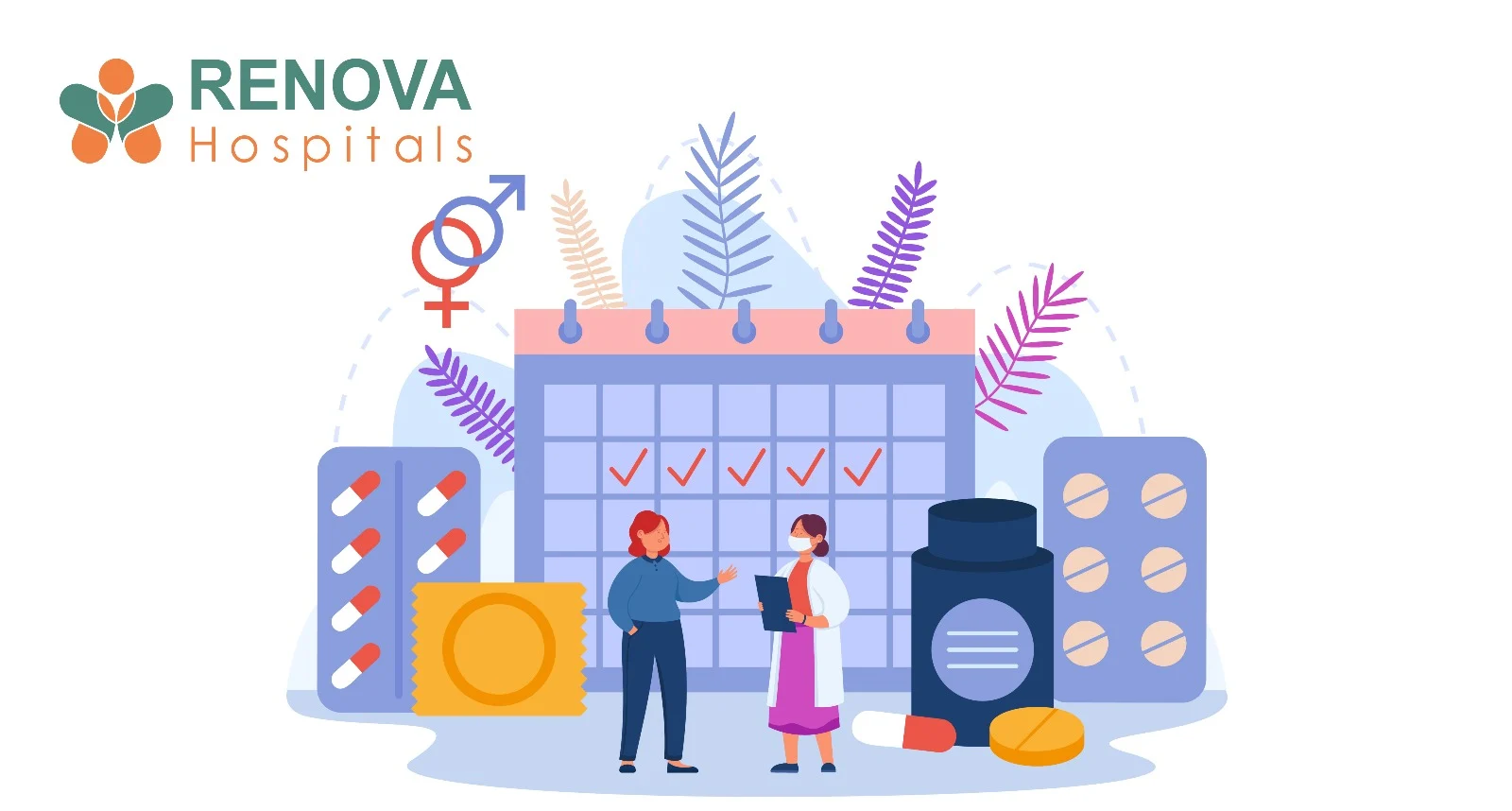
Emergency contraception pills are used to prevent pregnancy after unprotected sex. They work by delaying ovulation or preventing fertilisation and are effective only before pregnancy is established. They do not terminate an existing pregnancy.
Abortion pills, on the other hand, are used to terminate an already confirmed pregnancy. They work by blocking pregnancy hormones and inducing uterine contractions to expel pregnancy tissue.
In simple terms:
- Emergency contraception = prevents pregnancy
- Abortion pills = ends an existing pregnancy
Both are safe when used appropriately and under medical guidance, but abortion pills always require supervision by a qualified
gynaecologist.
Key Takeaways:
- Emergency contraception prevents pregnancy; it does not end one. Abortion pills end a confirmed pregnancy. They are not the same medication and cannot be used interchangeably.
- Emergency contraception works best within 72 hours of unprotected sex, reducing pregnancy risk by 81–90%. After 120 hours, it becomes ineffective.
- Abortion pills have a 99.6% success rate when prescribed and supervised by a doctor, but must never be taken without medical guidance.
- Neither medication affects future fertility when used correctly.
- Body weight matters for emergency contraception; people with a BMI above 30 may need a different option like ulipristal acetate (ella) or a copper IUD.
- 63% of all US abortions in 2023 were medication abortions, reflecting how safe and widely accepted the approach has become.
What is an Emergency Contraception
Emergency contraception, often called the morning-after pill, is a medication that prevents pregnancy from occurring after unprotected sex. It works before pregnancy is established. It cannot end a pregnancy that has already begun. That distinction is among the most misunderstood in reproductive health.
When can you use it?
After unprotected sex, a broken condom, missed birth control pills, or incorrect use of any contraceptive method. It's also used in cases of sexual assault.
How does it work?
It mainly works by delaying ovulation, so there's no egg available to be fertilised. It does not affect a pregnancy that has already implanted. The copper IUD, which can also serve as emergency contraception, is nearly
100% effective when inserted within five days.
How effective is it?
Timing makes a big difference. When taken within 72 hours, progestin-based emergency contraception reduces the chance of pregnancy by
81 to 90%. A
2024 ScienceDirect review found that it prevents pregnancy in more than 90% of cases when taken at the appropriate time. Effectiveness drops the longer you wait, and some types work up to 120 hours (five days) after sex.
1 in 3 women aged 15–49 in the US have used emergency contraception at least once, up from 22% in 2015–2017 to 33% in 2022–2023.
Body weight can also affect the effectiveness of the intervention. Research cited by the
Society of Family Planning found that people with a BMI above 30 were eight times more likely to get pregnant after taking levonorgestrel-based EC. For individuals with higher BMI, ulipristal acetate (ella) or a copper IUD may be more effective. Ask your gynaecologist.
Side effects
Most are mild and pass within a day or two: nausea, headache, fatigue, dizziness, stomach discomfort, irregular spotting, or a change in your next period. Emergency contraception does not affect future fertility.
What are Abortion Pills?
Abortion pills, also called medication abortion or medical abortion, are prescription drugs used to end an already confirmed pregnancy. They are a completely different category of medication from emergency contraception. They must always be prescribed and supervised by a qualified gynaecologist.
How do they work?
The standard process uses two drugs. The first, mifepristone, blocks progesterone, the hormone the body needs to sustain a pregnancy. The second, misoprostol, is taken 24 to 48 hours later and causes uterine contractions that expel the pregnancy tissue. Bleeding and cramping after misoprostol are expected. They mean the medication is working.
How effective and safe are they?
Effectiveness varies slightly depending on how far along the pregnancy is. According to
Planned Parenthood, at 8 weeks or less, the pills work 94–98% of the time. At 9–10 weeks, effectiveness is around 91–93%. The WHO supports use up to 12 weeks.
Possible risks
Rare but worth knowing: a failed abortion (pregnancy continues), an incomplete abortion (tissue remains and needs treatment), heavy bleeding, or infection. All of these are significantly less likely with proper medical supervision and follow-up care.
Important: Never take abortion pills without a doctor's guidance. Self-medicating raises the risk of incomplete abortion, serious bleeding, and infection. A gynaecologist will confirm how far along the pregnancy is, rule out ectopic pregnancy, and ensure you have follow-up care.
Side effects
Vaginal bleeding (usually heavier than a normal period), abdominal cramps, nausea, vomiting, fever and chills, fatigue, and dizziness. These are mostly a sign the medication is doing its job and typically ease within a few days.
Follow-Up Care
For emergency contraception, your doctor will want to check in if your next period is late or unusual. For medical abortion, a follow-up appointment usually includes an ultrasound or blood test, one to two weeks later, to confirm everything is complete. Don't skip this step.
When to Go to a Doctor Immediately
After taking abortion pills, seek emergency care if you experience heavy bleeding (soaking more than two pads per hour for two hours in a row), severe abdominal pain that painkillers don't help, a fever above 38°C lasting more than 24 hours, fainting or extreme dizziness, or no bleeding at all within 24 hours of taking misoprostol.
Need help? Talk to a gynaecologist at Renova Hospitals. We offer confidential consultations for emergency contraception, medical abortion, and all aspects of reproductive health. Book at
www.renovahospitals.com