Overview
One of the most dangerous realities of Salmonella infection is that it is frequently mistaken for ordinary food poisoning.
People develop loose stools, abdominal cramps, nausea, mild fever, and weakness, and assume that it will resolve on its own. Many delay medical care, self-medicate, or stop eating in an attempt to “rest the stomach.” Unfortunately, this delay allows the bacteria more time to invade the body.
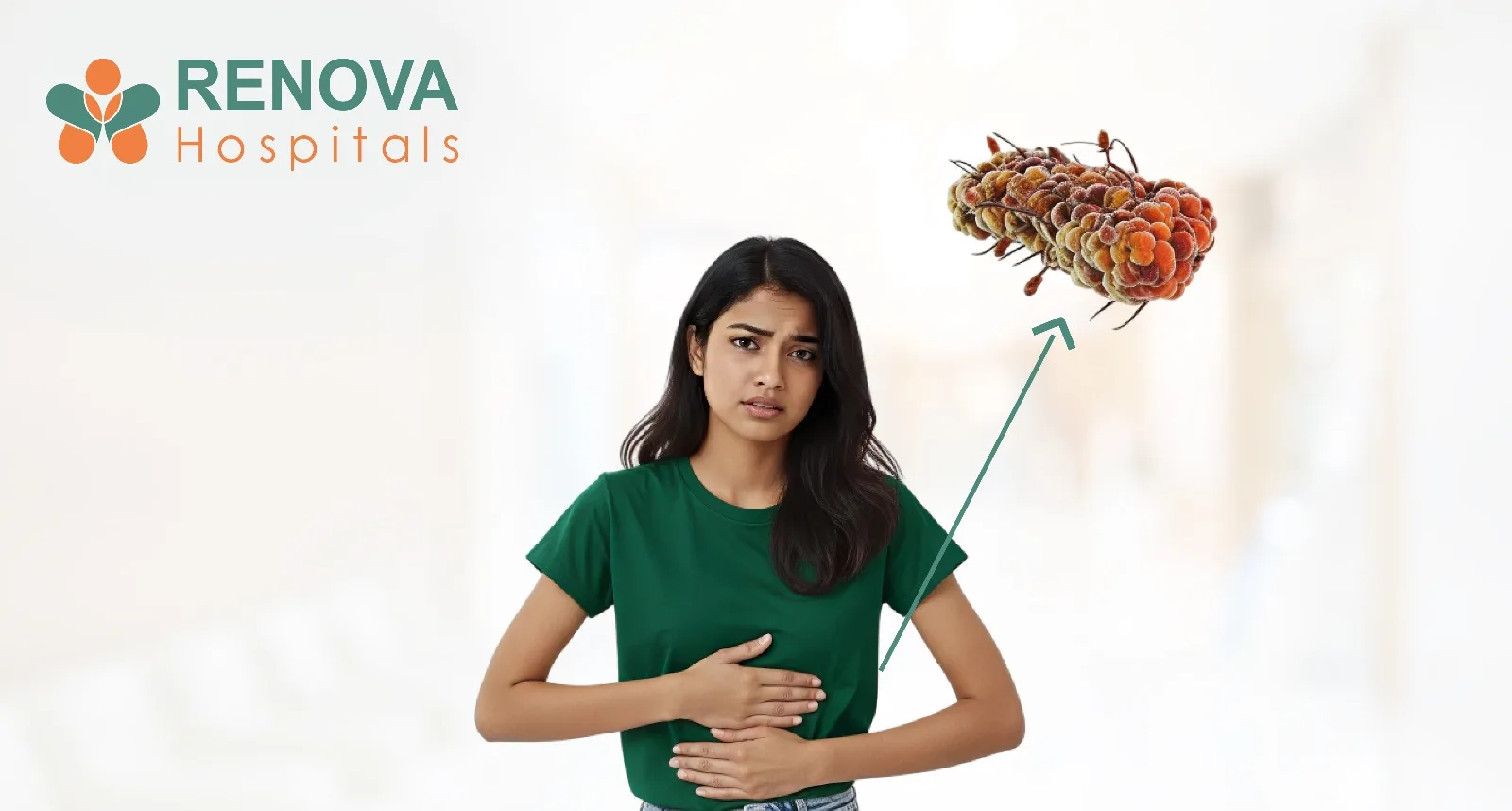
A Salmonella bacterial infection is not simply caused by toxins in spoiled food. It occurs when live Salmonella bacteria enter the body and attach to the intestinal lining. From there, they multiply and may cross into the bloodstream.
Once this happens, the infection becomes systemic and can damage organs such as the liver, kidneys, joints, brain, and skin. This is why Salmonella infection treatment depends on the extent of bacterial dissemination and the patient's vulnerability.
It is also important to understand that not all Salmonella are the same. Salmonella Typhi causes typhoid fever, while non-typhoidal strains cause Salmonella food infection, which usually begins as gastroenteritis but can still become invasive.
Understanding what Salmonella infection means, recognising early Salmonella infection symptoms, and knowing when to seek medical care can prevent complications and save lives.
What Is the Role of the Digestive System?
The digestive system is designed to protect the body from harmful microbes while allowing nutrients to be absorbed. Stomach acid kills most bacteria, bile breaks down pathogens, and immune cells in the gut wall act as guards that stop infection from spreading.
During a Salmonella food infection, however, Salmonella bacteria survive stomach acid and reach the small intestine. There, they attach to the intestinal lining and penetrate the cells. This causes inflammation and damage, leading to leakage of fluid into the bowel and poor absorption of electrolytes.
This explains why patients develop:
- Watery or bloody diarrhoea
- Abdominal cramps
- Fever and chills
- Fatigue and dehydration
If the immune system cannot contain the bacteria, they enter the bloodstream and spread to other organs. At this stage, the illness becomes a serious Salmonella bacterial infection, and complications such as Salmonella skin infection, joint infection, or sepsis can occur.
What Is Salmonella Infection?
Salmonella infection means illness caused by Salmonella bacteria entering the body through contaminated food, water, or hands. It is one of the most common causes of bacterial gastroenteritis worldwide.
In most people, the bacteria stay inside the intestines and cause diarrhoea, fever, cramps, and vomiting. This is called Salmonella food infection. In some patients, especially those with weak immunity, the bacteria escape the gut and enter the blood, causing a dangerous Salmonella bacterial infection that requires hospital care.
The severity of illness depends on:
- The number of bacteria consumed
- The strain of Salmonella
- The person’s immune strength
- How quickly treatment is started
Types of Salmonella Infection
Salmonella can cause different types of illness depending on how far it spreads in the body.
1. Intestinal Salmonellosis (Gastroenteritis)
This is the most common form. The infection remains limited to the digestive tract.
Patients typically experience:
- Diarrhoea (sometimes bloody)
- Abdominal cramps
- Nausea and vomiting
- Fever and fatigue
Most healthy adults recover within 4 to 7 days. The biggest risk in this form is dehydration, especially in children and elderly people.
2. Invasive Salmonellosis
In this form, the bacteria enter the bloodstream.
Patients may develop:
- High fever
- Chills
- Extreme weakness
- Confusion or dizziness
This can progress to sepsis, which is a life-threatening immune reaction that can cause organ failure.
3. Extra-intestinal (Focal) Infection
Once in the blood, Salmonella can settle in different organs. This may cause:
- Bone or joint infections
- Brain infection (meningitis)
- Urinary tract infections
- Salmonella skin infection (abscesses, ulcers, or rashes)
These cases require long-term antibiotics for Salmonella infection and specialist care.
What Are the Symptoms of Salmonella Infection?
Most people with Salmonella infection symptoms initially develop signs similar to stomach flu. These include:
- Watery diarrhoea
- Fever
- Abdominal cramps
- Nausea and vomiting
- Headache and body aches
- Loss of appetite
Symptoms usually begin within 6 hours to 6 days after exposure and last about one week.
Red-flag symptoms that need urgent medical care
Some symptoms suggest that the infection is becoming severe or invasive. These include:
- Very little urine or dark urine
- Severe weakness or fainting
- Persistent high fever
- Blood or black stools
- Severe abdominal pain
- Symptoms in infants, pregnant women, the elderly, or immunocompromised patients
What Are the Causes of Salmonella Infection?
The main Salmonella infection causes are related to contaminated food, water, and poor hygiene. Salmonella bacteria are commonly found in animal intestines and can enter food during farming, slaughtering, storage, or cooking.
Common sources include:
- Undercooked poultry, eggs, and meat
- Unpasteurised milk and dairy products
- Raw fruits and vegetables are contaminated during farming
- Unsafe drinking water
- Cross-contamination in kitchens
- Poor hand hygiene after toilet use
- Contact with reptiles, chicks, and ducklings
Is Salmonella Contagious?
Yes. Salmonella spreads through the faecal–oral route. This means bacteria from stool can contaminate hands, food, water, and surfaces. People may continue to pass Salmonella in their stool even after feeling better, so hygiene remains important during recovery.
Salmonella Infection Diagnosis
A proper Salmonella infection diagnosis is important because many illnesses cause similar symptoms. Doctors use laboratory tests to confirm the cause and determine the severity.
To identify the bacteria, doctors usually perform:
- Stool culture
- PCR molecular testing
To check for complications, they may order:
- Blood cultures
- Electrolyte tests
- Kidney function tests
- Inflammatory markers
These tests help guide safe and effective Salmonella infection treatment and determine whether an antibiotic for Salmonella infection is needed.
What Conditions Can Mimic Salmonella?
Several illnesses can look similar, including viral gastroenteritis, cholera, shigella, Campylobacter, amoebiasis, and toxin-mediated food poisoning. Inflammatory bowel disease flares and medication side effects can also resemble infection. This is why proper testing is essential.
Complications of Untreated Salmonella Infection
If not treated properly, a Salmonella bacterial infection can lead to serious complications, including:
- Severe dehydration
- Electrolyte imbalance
- Sepsis (blood infection)
- Kidney failure
- Bone and joint infections
- Brain infection
- Salmonella skin infection
These risks are highest in children, elderly people, and those with weak immunity.
Salmonella Infection Treatment
The goal of Salmonella infection treatment is to support the body while it clears the bacteria and to prevent complications.
Mild to Moderate Cases
These cases usually improve with:
- Plenty of fluids
- Oral rehydration salts
- Light, easy-to-digest foods such as rice, curd, bananas, soups, and well-cooked meals
- Rest
Anti-diarrhoeal medicines are usually avoided unless prescribed, because they can trap bacteria inside the gut.
Severe Cases
Severe illness requires hospital care, including:
- IV fluids
- Electrolyte correction
- Fever and pain control
- Close monitoring
An antibiotic for Salmonella infection is used when:
- There is a high fever
- Blood infection is present
- The patient is at high risk
- The infection is spreading beyond the gut
How to Prevent Salmonella
Prevention focuses on eliminating Salmonella infection causes before they reach the body. Key steps include:
- Cooking meat and eggs thoroughly
- Separating raw and cooked foods
- Washing hands regularly
- Using safe drinking water
- Avoiding unpasteurised milk and juices
- Being cautious with street food
- Washing hands after animal contact
Care at Renova Hospitals
Renova Hospitals provide evidence-based Salmonella infection treatment tailored to each patient. Mild cases receive hydration plans, diet guidance, and symptom control. Moderate and severe cases receive IV fluids, laboratory monitoring, and targeted antibiotics for Salmonella infection when indicated. Patients are closely observed for complications such as sepsis, joint infections, and Salmonella skin infection, ensuring safe recovery.
Disclaimer
This content is for general information only and does not replace professional medical advice, diagnosis, or treatment. Always consult a qualified doctor for any health concerns.