What You Need to Know
- Parkinson’s disease is a progressive neurological disorder caused by dopamine deficiency in the brain.
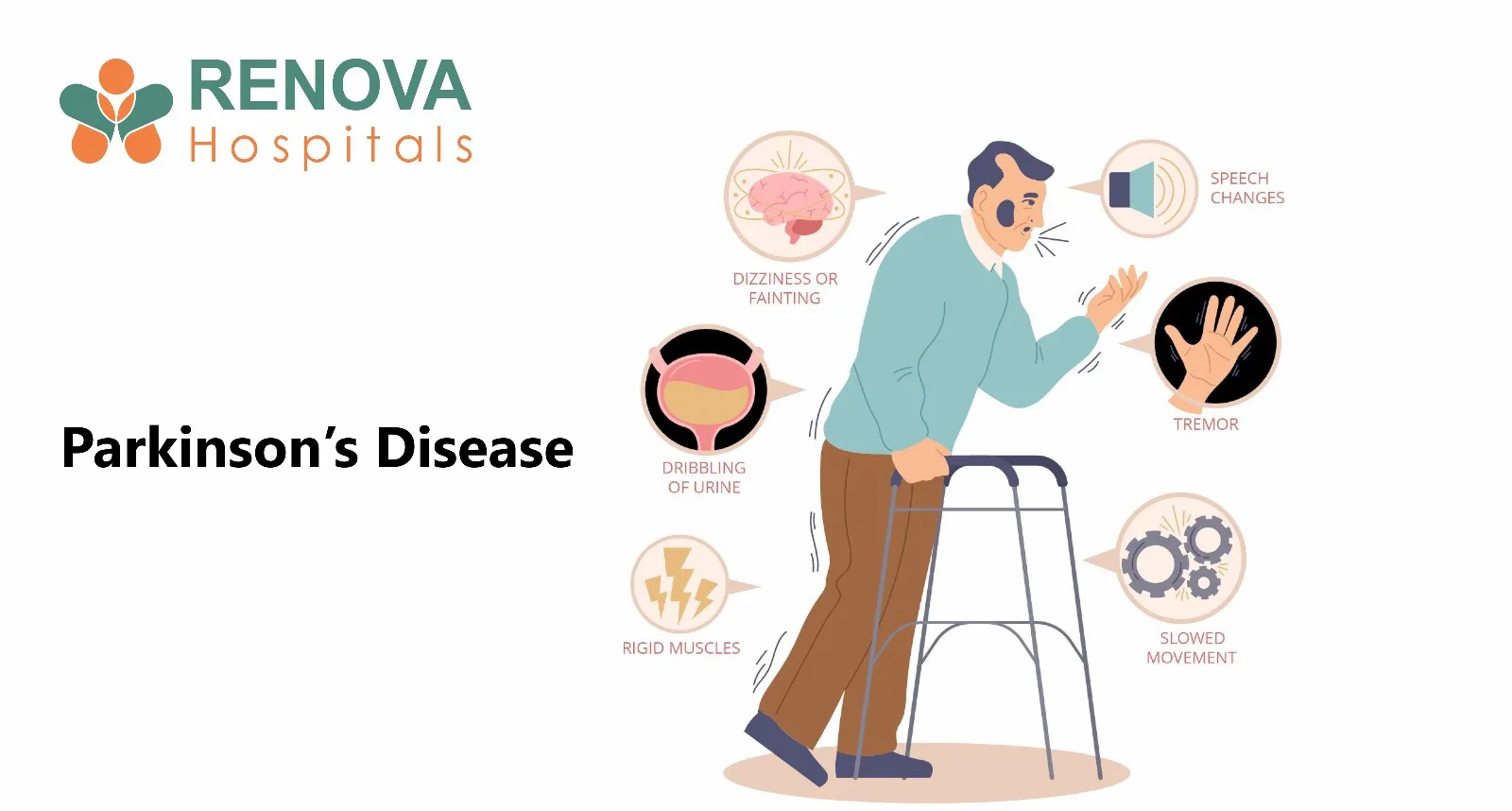
- Early signs include resting tremor, slow movements, stiffness, and balance problems.
- Non-motor symptoms like depression, sleep disturbances, constipation, and memory issues are common.
- There is no cure, but Parkinson’s disease treatment with medications like carbidopa-levodopa significantly improves symptoms.
- Advanced options such as Deep Brain Stimulation (DBS) may help selected patients.
- Diet, physiotherapy, speech therapy, and regular exercise play an important role in long-term management.
- Early diagnosis by a neurologist improves quality of life and functional independence.
What Is Parkinson’s Disease?
Parkinson’s disease (PD) is a chronic, progressive brain disorder that affects movement and several non-motor functions. It happens when nerve cells in a specific part of the brain stop producing enough dopamine.
Dopamine is essential for smooth, coordinated muscle activity. When dopamine levels decline:
- Movements become slower (bradykinesia)
- Muscles become stiff (rigidity)
- Tremors develop
- Balance becomes impaired
Parkinson’s disease is the most common movement disorder
worldwide and primarily affects individuals over 60 years of age, although early-onset Parkinson’s can occur before age 50.
What Are the Early Symptoms of Parkinson’s Disease?
In the beginning, the signs can be easy to miss and usually start on just one side of your body.
Common Early Signs
- Resting tremor in one hand
- Slowness of movement
- Muscle stiffness
- Reduced facial expression (masked face)
- Soft or low voice
- Small handwriting (micrographia)
- Loss of smell
- Constipation
- REM sleep behaviour disorder
- Mood changes such as depression or anxiety
Main Motor Symptoms of Parkinson’s Disease
Parkinson’s disease symptoms typically progress gradually.
1. Tremor at Rest
Rhythmic shaking, commonly beginning in the hands (pill-rolling tremor).
2. Rigidity
A persistent, uncomfortable stiffness in your muscles that doesn't seem to go away.
3. Bradykinesia
Slowed movement affecting walking, dressing, and daily tasks.
4. Postural Instability
Balance issues increase the risk of falls.
Other movement-related features include:
- Shuffling gait (Parkinsonian gait)
- Stooped posture
- Reduced arm swing
- Freezing episodes while walking
Non-Motor Symptoms of Parkinson’s Disease
Parkinson’s disease affects multiple systems beyond movement.
Common non-motor symptoms include:
- Depression and anxiety
- Cognitive decline or Parkinson’s disease dementia (later stages)
- Sleep disorders
- Constipation and urinary urgency
- Orthostatic hypotension
- Fatigue
- Sexual dysfunction
- Difficulty swallowing
- Chronic pain
Non-motor symptoms may appear years before tremor develops.
What Causes Parkinson’s Disease?
While doctors don't know the exact cause just yet,
research points to a mix of factors:
- Dopamine-producing neuron loss
- Alpha-synuclein protein buildup (Lewy bodies)
- Genetic mutations (SNCA, LRRK2, PINK1, PRKN)
- Environmental toxin exposure (pesticides, heavy metals)
- Oxidative stress and mitochondrial dysfunction
Most
cases are sporadic rather than hereditary.
Who Is at Risk?
Risk factors include:
- Age above 60 years
- Male gender
- Family history
- Exposure to pesticides or rural toxins
- Previous head injury
Parkinson’s disease is not a normal part of ageing.
How Is Parkinson’s Disease Diagnosed?
There is no single confirmatory blood test.
Diagnosis is based on:
- Clinical history
- Neurological examination
- Observation of motor symptoms
- Improvement with levodopa therapy
Supporting tests may include:
- MRI brain
- Dopamine transporter scan (DaTscan)
- Blood tests to rule out other causes
Early diagnosis allows better long-term management.
Can Parkinson’s Disease Be Prevented?
While we can't completely prevent Parkinson's right now, building healthy habits can go a long way in protecting your brain.
Simple Preventive Measures
- Exercise regularly; activities like walking, yoga, cycling, or swimming support brain and muscle health.
- Eat a balanced diet, including fruits, vegetables, whole grains, nuts, and adequate fluids.
- Avoid exposure to toxins, and limit contact with pesticides and other harmful chemicals.
- Protect against head injury: wear helmets and follow fall-prevention measures.
- Managing chronic conditions keeps blood pressure, sugar, and cholesterol under control.
Although we cannot fully prevent Parkinson's disease, early medical evaluation and healthy lifestyle choices can significantly improve long-term outcomes.
Medications for Parkinson’s Disease
Carbidopa-Levodopa
The most effective treatment. It replenishes dopamine in the brain and improves tremor, rigidity, and slowness.
Dopamine Agonists
Stimulate dopamine receptors and are often used in the early stages.
MAO-B Inhibitors
Slow dopamine breakdown.
COMT Inhibitors
Prolong the levodopa effect and reduce “off periods.”
Amantadine
Helps control dyskinesia (involuntary movements).
Neurologists carefully adjust medication doses to balance symptom control and side effects.
Deep Brain Stimulation (DBS)
For selected patients with medication-resistant symptoms, Deep Brain Stimulation may be
recommended.
DBS involves implanting electrodes in specific brain regions to regulate abnormal signals.
It can significantly reduce tremors and motor fluctuations, but does not cure the disease.
Dietary Requirements for Parkinson’s Disease Patients
What you eat plays a huge role in how you feel day to day when
managing Parkinson's.
1. Balanced Diet
- Fresh fruits and vegetables (rich in antioxidants)
- Whole grains
- Lean proteins
- Healthy fats (nuts, seeds, olive oil)
Antioxidant-rich foods may help reduce oxidative stress.
2. Protein Timing with Levodopa
High-protein meals may interfere with levodopa absorption.
Patients taking carbidopa-levodopa are often advised to:
- Take medication 30–60 minutes before meals
- Distribute protein intake evenly
- Avoid heavy protein meals around medication time
Dietary planning should be individualised.
3. Fibre and Hydration
Constipation is common in Parkinson’s disease.
Recommended:
- High-fibre foods (vegetables, oats, legumes)
- Adequate water intake (2–2.5 litres daily unless medically restricted)
4. Adequate Vitamin Intake
- Vitamin D and calcium for bone health
- B-complex vitamins for nerve function
Supplements should only be taken after medical advice.
5. Safe Swallowing Diet
For patients with swallowing difficulties:
- Soft-textured foods
- Thickened liquids (if recommended)
- Smaller, frequent meals
Speech and swallowing therapy may assist in dietary adaptation.
Rehabilitation & Supportive Care
A well-rounded care plan for Parkinson's involves more than just medication. It includes:
- Physiotherapy for balance and strength
- Occupational therapy for daily activities
- Speech therapy for voice and swallowing
- Psychological support
- Regular aerobic exercise
Exercise improves flexibility, mobility, and overall function.
When Should You See a Neurologist?
- Persistent resting tremor
- Slowed movements
- Frequent falls
- Difficulty swallowing
- Loss of smell
- Ongoing sleep disturbances
Early treatment improves long-term independence.
Parkinson’s Disease Care in Hyderabad – Renova Hospitals
- Experienced neurologists
- Advanced diagnostic imaging
- Personalised medication management
- Deep Brain Stimulation evaluation
- Multidisciplinary rehabilitation services
Our ultimate goal is to help you or your loved one maintain mobility, stay safe, and enjoy a better quality of life while navigating Parkinson’s.
Medical Disclaimer
The information provided in this article is intended for educational and informational purposes only. It is not a substitute for professional medical advice, diagnosis, or treatment.
Parkinson’s disease symptoms and progression can vary from person to person. Always seek the advice of a qualified healthcare provider or neurologist regarding any medical condition or symptoms you may have. Do not ignore professional medical advice or delay seeking treatment based on information you have read on this website.
In case of a medical emergency, please contact your doctor immediately or visit the nearest hospital