Overview
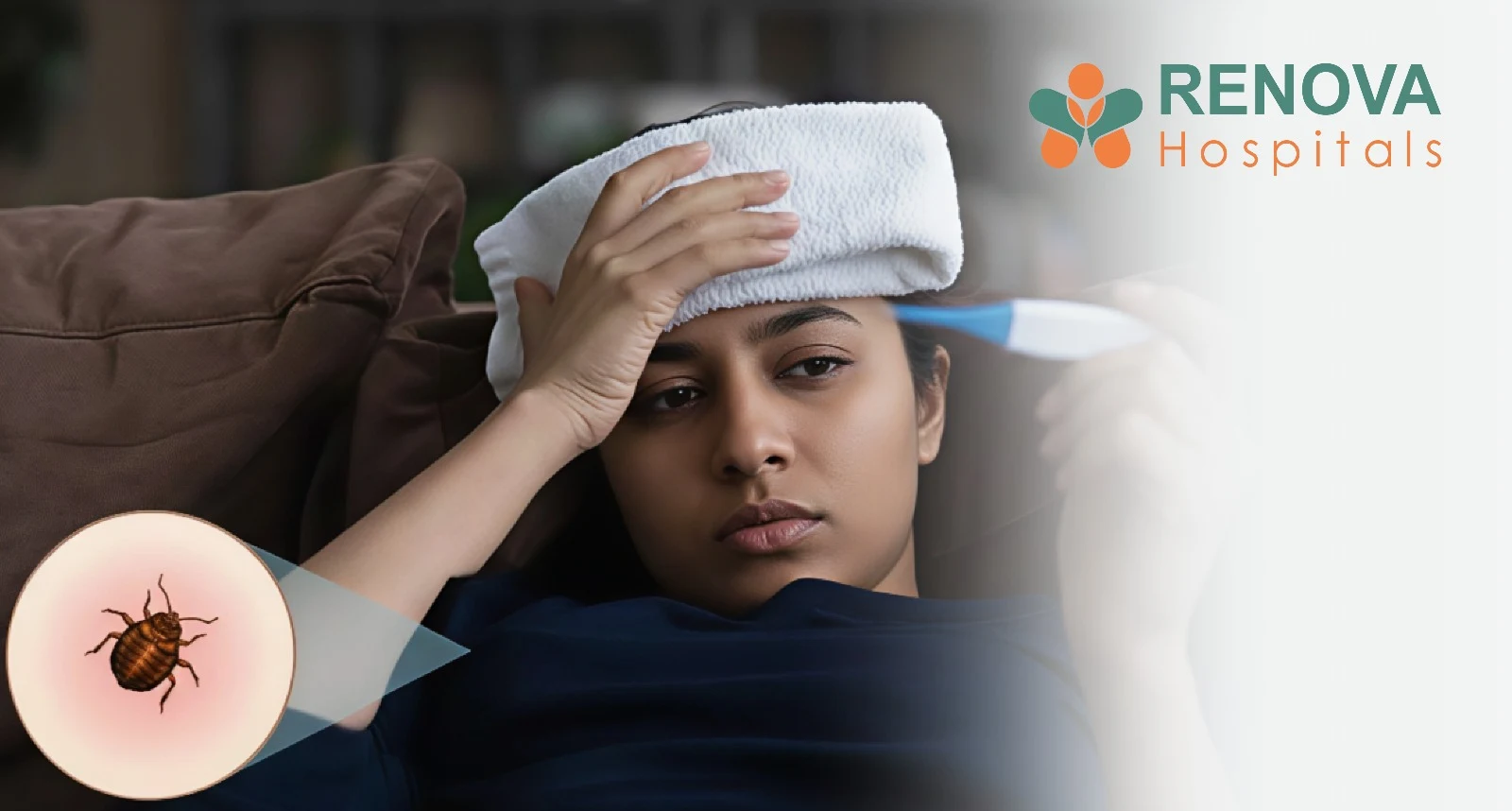
Babesiosis can be especially hard to identify in its early stages because it does not present with apparent symptoms. The first symptoms are often subtle and easily mistaken for everyday health issues. Many people experience ongoing tiredness, body aches, or mild headaches that feel no different from a viral fever, physical exhaustion, or a seasonal illness. Because these symptoms are so common, both patients and healthcare providers may initially overlook the possibility of a tick-borne infection.
Adding to the challenge, babesiosis rarely leaves a visible sign on the skin. Unlike some other tick-related diseases, there is usually no characteristic rash or obvious clue at the site of the bite. This is why paying attention to how symptoms evolve is so essential. When fever or flu-like symptoms persist without clear respiratory signs, or when weakness seems out of proportion to a typical illness, it signals the need for further medical evaluation. Knowing when to take a tick bite seriously, recognising early warning signs such as fever after a tick bite, and seeking timely care can make a critical difference. This article explores what babesiosis is, how tick bites lead to infection, the symptoms to watch for, available treatment options, and practical steps for prevention.
Do Ticks Bite Humans?
Yes. Do ticks bite humans? Absolutely. Ticks commonly bite humans when they come into contact with grassy fields, forests, pets, livestock, or outdoor environments. Unlike mosquitoes, ticks attach firmly to the skin and feed on blood for several hours to days.
Ticks prefer:
- Warm, moist skin folds
- Scalp, behind ears, armpits
- Waistline, groin, behind knees
Because tick bite symptoms may initially be painless, many people do not realise they have been bitten. This delayed awareness increases the risk of tick-borne infections and subsequent tick bite fever.
What Is Babesiosis?
Babesiosis is an infection caused by microscopic parasites that invade red blood cells and damage them. These parasites are spread to humans through the bite of infected ticks, most often deer ticks. After entering the bloodstream, the organisms multiply within red blood cells, disrupting their normal function and shortening their lifespan.
Because red blood cells are destroyed during the infection, people with babesiosis commonly develop fever after a tick bite, extreme tiredness, and signs of anaemia. In some individuals, especially older adults or those with weakened immune systems, tick bite fever can worsen rapidly and lead to serious health complications if not treated promptly.
How Babesiosis Is Linked to Tick Bites on Humans
Tick bites are the primary route of transmission for babesiosis. When an infected tick feeds on human blood, it introduces the parasite directly into the bloodstream.
Key risk factors include:
- Prolonged tick attachment
- Outdoor exposure in tick-endemic regions
- Lack of prompt tick removal
- Previous splenectomy or immune suppression
A tick bite and fever occurring days to weeks after exposure should prompt evaluation for babesiosis, especially when accompanied by systemic symptoms.
When to Worry About a Tick Bite
Not all tick bites cause illness, but certain signs warrant medical attention.
You should worry about a tick bite if:
- Fever after a tick bite develops
- Tick bite fever lasts more than 48 hours
- There is unexplained fatigue or weakness
- Dark urine or jaundice appears
- Tick bite fever, rash,h or flu-like illness occurs
Knowing when to worry about a tick bite can prevent complications and ensure early treatment.
Tick Bite Symptoms: Early and Delayed
Early Tick Bite Symptoms
- Small red bump or puncture mark
- Mild itching or irritation
- No pain in most cases
Delayed Tick Bite Symptoms
- Fever after a tick bite
- Chills and sweating
- Muscle and joint pain
- Headache
- Fatigue
Delayed tick bite fever symptoms are particularly concerning because they often indicate a systemic infection.
Fever After Tick Bite: Why It Happens
When a tick introduces Babesia into the body, the resulting fever isn't just a side effect; it’s a frantic alarm bell from your immune system. Once the parasite enters the bloodstream, it hijacks red blood cells and invades them to replicate. This internal invasion triggers a massive inflammatory response as the body attempts to hunt down the intruders. As the immune system ramps up its defences, it also begins destroying the compromised red blood cells, a process that releases toxins into the blood and keeps the body’s internal "thermostat" stuck at a dangerously high level.
This results in:
- Persistent tick bite fever
- Anaemia-related fatigue
- Oxygen delivery impairment
Unlike simple skin infections, tick bite fever caused by babesiosis can worsen rapidly without treatment.
Tick Bite Fever Rash: Is It Always Present?
A tick bite fever rash is not always present in babesiosis. Unlike Lyme disease, which often causes a bull’s-eye rash, babesiosis may not produce visible skin changes beyond the bite mark.
However, some individuals may experience:
- Mild rash at the bite site
- Generalised redness due to fever
- Skin pallor from anaemia
Absence of rash does not rule out tick bite fever or babesiosis.
Tick Bite Fever Symptoms of Babesiosis
Early recognition of the symptoms of Babesiosis is vital, as the infection can transition from a mild "fever after tick bite" to a medical emergency with surprising speed. Because the parasite lives within your red blood cells, the symptoms reflect a body struggling to maintain its oxygen supply and immune balance.
Commonly Reported Symptoms
- High fever and chills: A sudden, spiking temperature is often the first sign that the immune system has detected the Babesia parasite in the bloodstream.
- Profuse sweating: Patients frequently experience "drenching" night sweats as the body attempts to regulate the intense internal heat caused by the infection.
- Extreme fatigue: This profound exhaustion occurs because the body is working overtime to fight the parasite while simultaneously losing healthy red blood cells.
- Dark-coloured urine: This is a clinical sign of hemolysis, in which debris from ruptured red blood cells is filtered through the kidneys, changing the urine's colour.
Warning Signs of Severe Cases
- Low blood pressure: A dangerous drop in pressure (hypotension) can occur if the infection triggers a systemic inflammatory response similar to sepsis.
- Confusion: Neurological symptoms or altered mental states suggest that the infection is affecting oxygen flow to the brain or causing CNS distress.
- Kidney failure: The kidneys can become overwhelmed and damaged as they try to filter the massive amounts of cellular waste produced by dying blood cells.
- Respiratory distress: In the most severe instances, the lungs may become inflamed, leading to Acute Respiratory Distress Syndrome (ARDS), which requires immediate hospital intervention.
Who Is at High Risk?
Babesiosis severity varies widely. While some individuals have mild illness, others develop life-threatening complications.
High-risk groups include:
- Adults over 50
- People without a spleen
- Cancer patients
- Organ transplant recipients
- Individuals with HIV or chronic illness
In these groups, fever after a tick bite should always be treated as a medical emergency.
How Is Babesiosis Diagnosed?
Clinical Evaluation
Doctors assess:
- History of tick bite
- Presence of tick bite fever
- Exposure to endemic areas
Blood Tests
- Peripheral blood smear showing parasites in red blood cells
- PCR testing to detect Babesia DNA
- Blood counts revealing anaemia and low platelets
Early testing is essential when tick bite fever symptoms are present.
Tick Bite Fever Treatment for Babesiosis
Treating tick bite fever caused by babesiosis focuses on clearing the parasite from the bloodstream, supporting the body while it recovers, and preventing serious complications.
Most people with mild to moderate babesiosis respond well to a combination of antiparasitic medicines. These medications work together to stop the parasite from multiplying inside red blood cells and allow the body to recover gradually.
- Atovaquone with azithromycin is the most commonly used treatment
- Preferred for uncomplicated cases
- Generally well tolerated
- Taken orally for better patient compliance
- Clindamycin with quinine is reserved for more severe infections
- Used when symptoms are intense or rapidly worsening
- Often recommended for hospitalised patients
- Requires close monitoring due to possible side effects
Supportive Care and Monitoring
In addition to medications, supportive treatment plays a crucial role in recovery, especially in moderate-to-severe tick bite fever.
- Intravenous (IV) fluids to prevent dehydration and support circulation
- Blood transfusions in cases of severe anaemia caused by red blood cell destruction
- Oxygen therapy is used if breathing becomes difficult due to the reduced oxygen-carrying capacity of the blood
- Close monitoring of vital signs and blood counts to track recovery and detect complications early
Hospital care may be required for patients with high fever, organ involvement, or underlying medical conditions.
What Happens If Tick Bite Fever Is Untreated?
Untreated babesiosis can lead to:
- Severe haemolytic anaemia
- Organ failure
- Disseminated infection
- Death in high-risk individuals
Ignoring fever after a tick bite delays care and increases the risk of permanent damage.
Why Early Treatment Matters
Prompt tick bite fever treatment significantly lowers the risk of serious complications such as organ failure, prolonged anaemia, or life-threatening infection. Early diagnosis and timely therapy help:
- Shorten the duration of illness
- Reduce the severity of symptoms
- Prevent long-term health problems
- Improve recovery, especially in high-risk individuals
Anyone who develops
fever, extreme fatigue, or other concerning symptoms after a tick bite should seek medical care without delay. Early intervention remains the most effective way to ensure a safe and complete recovery from babesiosis.
Preventing Tick Bites on Humans
Prevention is the most effective strategy against babesiosis.
Tick Bite Prevention Tips
- Wear long sleeves and trousers outdoors
- Use tick repellents
- Perform full-body tick checks
- Shower after outdoor exposure
- Remove ticks promptly with tweezers
Preventing tick bites reduces the risk of tick-borne diseases, including tick-bite fever.
When Should You Seek Medical Care?
Seek immediate medical care if:
- Fever after a tick bite persists
- Tick bite fever symptoms worsen
- Shortness of breath or weakness develops
- Dark urine or jaundice appears
Knowing when to worry about a tick bite can save lives.
Renova Hospitals: Advanced Care for Tick-Borne Infections
Renova Hospitals provides comprehensive evaluation and management of tick-borne infections, including babesiosis. With advanced diagnostic facilities, infectious disease expertise, and multidisciplinary care, Renova ensures early detection and effective treatment for tick bite fever. The focus on patient education, early intervention, and close monitoring helps prevent severe CNS complications associated with fever after a tick bite.
Disclaimer
This content is for educational purposes only and does not replace professional medical advice. Always consult a qualified healthcare provider for diagnosis and treatment of tick bite fever, fever after a tick bite, or suspected babesiosis.