HomeBlogsLung Cancer Awareness: A Comprehensive Guide to Risks, Symptoms, Diagnosis, and Modern Treatment Advances
By Dr. Rajesh Bollam
January 23, 2026
Lung Cancer Awareness: A Comprehensive Guide to Risks, Symptoms, Diagnosis, and Modern Treatment Advances
Overview
Lung cancer is one of the leading causes of cancer-related deaths worldwide and in India. While smoking remains the strongest risk factor, lung cancer is increasingly diagnosed in non-smokers due to air pollution, occupational exposure, and prior lung disease.
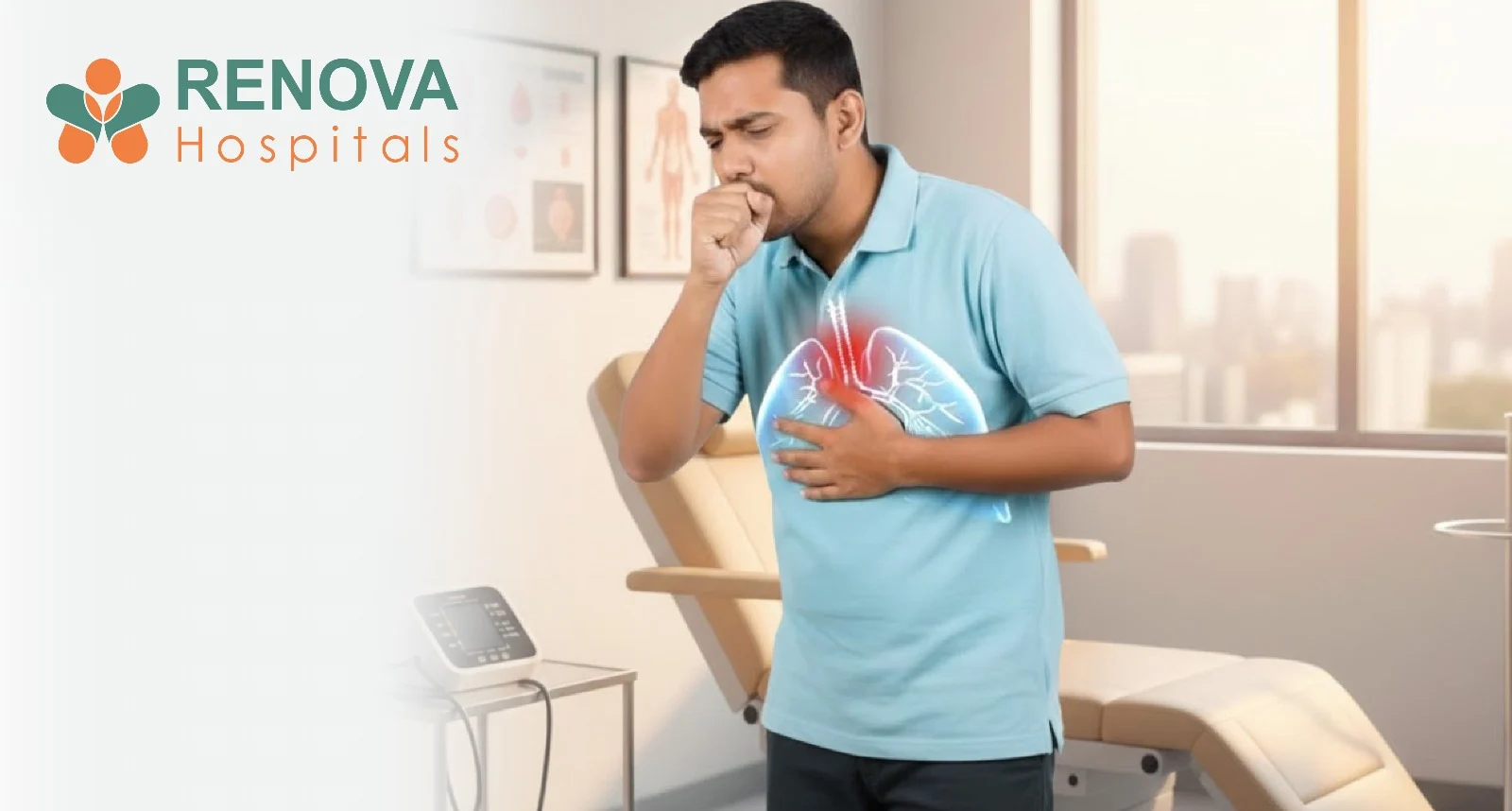
Early symptoms may include persistent cough, breathlessness, chest pain, weight loss, or coughing up blood, though early-stage disease may have no symptoms. Advances in diagnosis, molecular testing, targeted therapy, immunotherapy, and precision radiotherapy have significantly improved survival, even in advanced-stage lung cancer.
Early medical evaluation and evidence-based treatment under specialist care are critical for better outcomes.
Lung cancer continues to be one of the most significant health challenges facing the world today. It is among the most commonly diagnosed cancers and remains the leading cause of cancer-related deaths in both men and women globally. Despite advances in medical science, lung cancer still claims more lives each year than many other cancers combined.
At Renova Hospitals, lung cancer awareness is an ongoing commitment, not limited to a specific awareness month. Education, early detection, timely diagnosis, and access to modern, evidence-based treatment are critical to improving outcomes and saving lives.
This detailed guide explains lung cancer in depth, covering its growing burden, risk factors, symptoms, reasons for delayed diagnosis, and the remarkable advances in diagnosis, medical therapy, and radiotherapy that are changing the outlook for patients today.
The Global and Indian Burden of Lung Cancer
Lung cancer accounts for a significant proportion of cancer diagnoses and cancer-related deaths worldwide. In India, its incidence has increased steadily over the past decade due to lifestyle changes, environmental pollution, and improved detection methods.
Key facts that highlight the magnitude of the problem include:
Lung cancer is the leading cause of cancer-related death globally
In India, over 72,000 new lung cancer cases were reported in 2020
The incidence continues to rise with each passing year
1 in 101 individuals has a lifetime risk of developing lung cancer
One of the most alarming realities is that nearly 40% of lung cancer patients reach a cancer specialist only at an advanced stage. Late diagnosis significantly limits treatment options and reduces the chances of long-term survival.
However, there is also reason for optimism. Over the last few years, remarkable progress in lung cancer treatment has significantly improved survival, even in patients with advanced or stage 4 disease, something that was rarely possible in the past.
Lung Cancer Is Not Just a Smoker’s Disease
While smoking remains the most important risk factor, lung cancer is no longer confined to smokers alone. A growing number of patients diagnosed with lung cancer have never smoked, underscoring the role of environmental and genetic factors.
Major Risk Factors for Lung Cancer
Lung cancer risk increases due to a combination of factors, including:
Active smoking (cigarettes, bidis, cigars)
Passive smoking (second-hand smoke exposure)
Family history of lung cancer
Increasing age
Previous lung diseases such as COPD, tuberculosis, or pulmonary fibrosis
Air pollution, especially fine particulate matter (PM2.5)
Occupational exposure to carcinogens such as asbestos, arsenic, nickel, chromium, and silica
Indoor air pollution from biomass fuels used for cooking
Radiation exposure in certain work environments
Although smokers remain at the highest risk, the rising incidence of lung cancer among non-smokers highlights the importance of awareness across all sections of society.
Recognising the Symptoms of Lung Cancer
One of the biggest challenges in lung cancer is that symptoms often appear late or are mistaken for common respiratory conditions. Early-stage lung cancer may cause no symptoms at all, leading to delayed diagnosis.
Common Symptoms of Lung Cancer
Symptoms may vary depending on the location, size, and spread of the tumour and may include:
Persistent or worsening cough
Shortness of breath
Unexplained weight loss
Coughing up blood (hemoptysis)
Recurrent chest infections or pneumonia
Chest pain or generalised body pain
Fatigue and weakness
Reduced exercise tolerance
It is important to remember:
These symptoms are not specific to cancer
Many non-cancerous conditions can cause similar symptoms
Persistence, progression, or unexplained symptoms should never be ignored
Early medical evaluation plays a crucial role in detecting lung cancer at a treatable stage.
Why Lung Cancer Is Often Diagnosed Late
Delayed diagnosis is one of the main reasons lung cancer outcomes remain poor in many regions, including India.
Barriers to Early Presentation Include
Lack of awareness about lung cancer symptoms
Misinterpretation of symptoms as infections, asthma, or ageing
Delayed follow-up with healthcare providers
Limited access to specialised diagnostic facilities
Social stigma and fear associated with a cancer diagnosis
Economic and logistical challenges in seeking care
Because lung cancer can remain silent in its early stages, routine imaging or timely evaluation of persistent symptoms can be life-saving.
Advances in Lung Cancer Diagnosis
Accurate diagnosis is the cornerstone of effective lung cancer treatment. Today, diagnosis goes far beyond simply confirming cancer, it involves understanding the exact subtype, stage, and molecular characteristics of the tumour.
Modern Diagnostic Tools Include
Chest X-ray for initial evaluation
CT scan of the chest for detailed imaging
PET-CT scans using 4D and Time-of-Flight technology
Tissue biopsy to confirm cancer type
Staging investigations to assess the spread
Lung cancer is broadly divided into multiple subtypes, and each subtype behaves differently and responds to different treatments. A cancer specialist integrates all diagnostic information to create a personalised treatment plan.
Molecular Testing and Precision Oncology
One of the most significant breakthroughs in lung cancer care is the ability to identify molecular drivers of cancer growth and target them directly.
Role of Molecular Testing
Molecular testing helps identify:
Genetic mutations that drive cancer growth
“Druggable targets” within cancer cells
Predictors of response to specific therapies
Advanced Technologies in Use
Next Generation Sequencing (NGS) for comprehensive genomic analysis
Identification of actionable mutations
Accurate cancer staging using advanced imaging
With the availability of generic drugs and government-supported programs, molecular testing and targeted therapy are now more affordable and accessible than ever before.
The treatment of lung cancer has undergone a dramatic transformation over the past decade. The era of one-size-fits-all chemotherapy has given way to precision oncology and personalised treatment.
Targeted Therapy
Targeted therapy works by attacking specific molecular abnormalities within cancer cells.
Key features include:
High precision against cancer cells
Fewer side effects compared to traditional chemotherapy
Available as tablets or injections
Improved survival and quality of life in selected patients
Immunotherapy
Immunotherapy has revolutionised lung cancer treatment by enabling the immune system to recognise and destroy cancer cells.
Benefits of immunotherapy include:
Long-lasting and durable responses
Improved survival even in advanced-stage lung cancer
Can be combined with chemotherapy or used alone in select cases
These therapies have dramatically altered the prognosis for many lung cancer patients.
Advances in Radiotherapy for Lung Cancer
Radiation therapy remains a critical component of lung cancer management, and recent technological innovations have significantly improved its accuracy and safety.
Modern Radiotherapy Techniques
Image-Guided Radiotherapy (IGRT)
Stereotactic Ablative Radiotherapy (SABR)
Surface-Guided Radiotherapy (SGRT) with 4D gating
These technologies allow:
Precise tumour targeting
Real-time tracking of breathing-related lung movement
Reduced radiation exposure to surrounding healthy tissues
Radiotherapy by Disease Stage
Early-stage lung cancer: Can be treated with radiation alone, sometimes completed in just 3–5 days
Advanced-stage lung cancer: Combined with chemotherapy and immunotherapy for better outcomes
These advances have reduced side effects and improved cure and control rates.
Multidisciplinary and Personalised Lung Cancer Care
Modern lung cancer treatment requires a multidisciplinary team approach, involving medical oncologists, radiation oncologists, pulmonologists, radiologists, pathologists, surgeons, and supportive care specialists.
Each patient’s care plan is tailored based on:
Cancer subtype and stage
Molecular profile
Overall health and coexisting conditions
Patient preferences and goals
This personalised approach ensures optimal treatment outcomes and improved quality of life.
Prevention, Awareness, and Early Detection
While treatment advances are remarkable, prevention and early detection remain the most effective strategies for reducing lung cancer mortality.
Key Preventive Measures
Smoking cessation and avoidance of passive smoking
Reduction of indoor and outdoor air pollution
Use of protective equipment in high-risk occupations
Adoption of healthy lifestyle habits
Regular health check-ups for high-risk individuals
Public awareness, early diagnosis, and improved access to healthcare can lead to significant control and cure of lung cancer.
Expert Perspective from Renova Hospitals
According to me, advances in diagnosis, precision oncology, immunotherapy, and radiotherapy have transformed lung cancer care. Patients with advanced disease are now living longer, healthier lives with better symptom control.
Early consultation, timely diagnosis, and access to modern cancer care are key to continued progress.
Our healthcare specialists are equipped with the knowledge and skills to
provide you with the support you require. From consultation to diagnosis to treatments, our experts are
dedicated to helping you.
Dr. Rajesh Bollam
Medical Oncology, Head & Neck Oncology
14 years Experience
Telugu, English, Hindi, Kannada
Renova Century Hospital - Banjara Hills, Renova Soumya Cancer Centre - Secunderabad, Renova Bannu Hospitals - Warangal
Our healthcare specialists are equipped with the
knowledge and skills to provide you with the support you require. From consultation to diagnosis to
treatments, our experts are dedicated to helping you.
Gynaecologists – When can you see one, what to expect, common procedures
10 February 2026
|
By
Our first reaction to the words “gynaecology,” “reprodu...
Find quick answers to common questions about our services, doctors, and care at Renova Hospitals. So you can feel informed and confident at every step.
What is lung cancer?
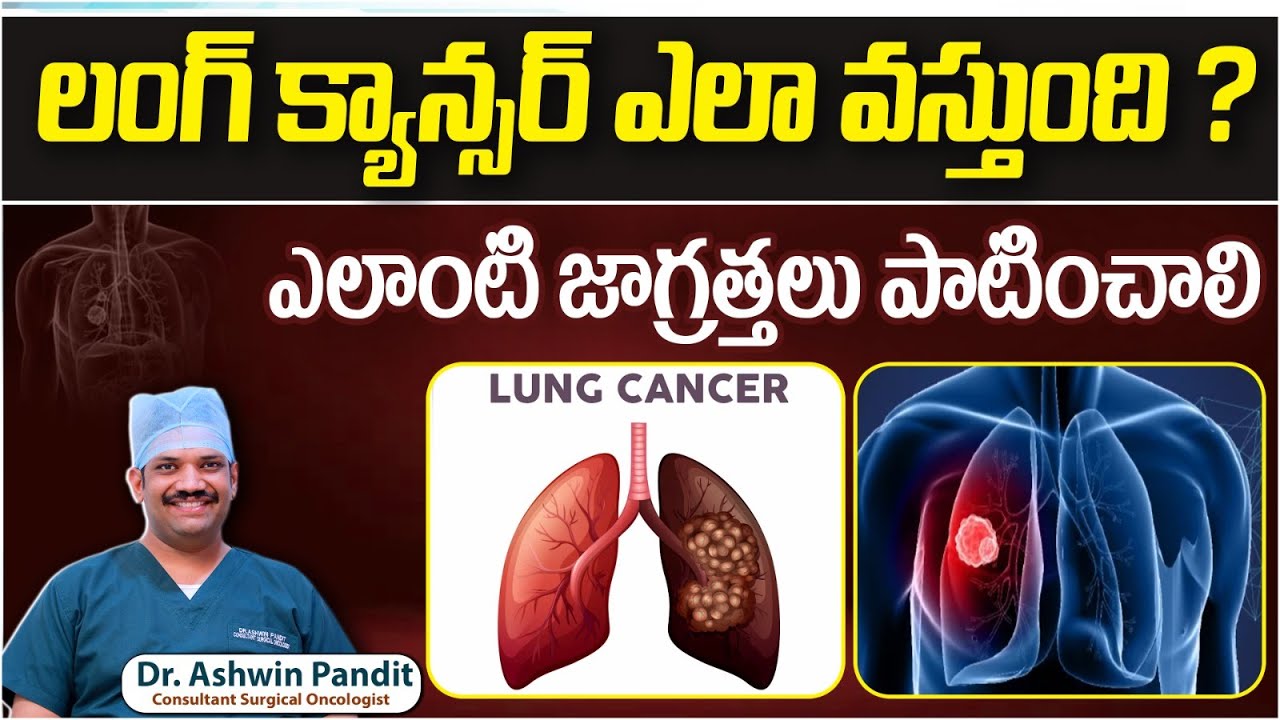
Lung cancer is a disease in which abnormal cells grow uncontrollably in the lungs, forming tumours that interfere with breathing and oxygen exchange. If untreated, lung cancer can spread to other organs through the bloodstream or lymphatic system.
What are the common symptoms of lung cancer?
Common symptoms of lung cancer include persistent cough, shortness of breath, unexplained weight loss, chest pain, repeated respiratory infections, fatigue, and coughing up blood. Early-stage lung cancer may cause no symptoms at all.
Is lung cancer caused only by smoking?
No. Although smoking is the leading cause, lung cancer can also occur in non-smokers. Risk factors include passive smoking, air pollution, occupational exposure to carcinogens, previous lung disease, and genetic susceptibility.
Can non-smokers develop lung cancer?
Yes. Lung cancer in non-smokers is increasing, especially in urban areas. Exposure to air pollution, indoor smoke, second-hand smoke, and environmental toxins plays a significant role in non-smoker lung cancer.
How is lung cancer diagnosed?
Lung cancer is diagnosed using imaging tests such as chest X-ray and CT scan, followed by a biopsy to confirm cancer. Advanced tests like PET-CT and molecular testing help determine the cancer type and stage.
What is molecular testing in lung cancer?
Molecular testing identifies genetic mutations that drive lung cancer growth. It helps doctors select targeted therapies that specifically attack cancer cells, improving treatment effectiveness and reducing unnecessary side effects.
What are the latest treatment options for lung cancer?
Modern lung cancer treatment includes targeted therapy, immunotherapy, chemotherapy, and advanced radiotherapy. These treatments have significantly improved survival and quality of life, even in advanced-stage lung cancer.
Can lung cancer be cured?
Some lung cancers can be cured, especially when detected early. In advanced stages, lung cancer may not always be curable, but modern treatments can control the disease and prolong survival.
Is stage 4 lung cancer treatable?
Yes. Stage 4 lung cancer is treatable. Advances such as immunotherapy and targeted therapy have significantly increased life expectancy and improved quality of life for many patients.
When should someone see a doctor for lung cancer symptoms?
A doctor should be consulted if symptoms like persistent cough, breathlessness, chest pain, unexplained weight loss, or coughing up blood last more than a few weeks or worsen over time.