Overview
Vaccinia virus infection is a rare but clinically important viral disease caused by exposure to vaccinia virus, a member of the poxvirus family. The vaccinia virus played a crucial role in the global eradication of smallpox and continues to be used in certain vaccines and research settings.
While vaccinia does not cause smallpox, it can still infect humans under specific circumstances, particularly through accidental exposure to vaccination sites or close contact with infected skin.
In most individuals, vaccinia virus infection is typically mild and self-limiting, presenting as a single skin lesion that heals within a few weeks.
However, in vulnerable populations, including infants, pregnant individuals, people with weakened immune systems, and those with chronic skin condition the infection can spread beyond the initial site and lead to severe skin disease, eye damage, systemic
illness, or even life-threatening complications.
Understanding the Vaccinia Virus Structure
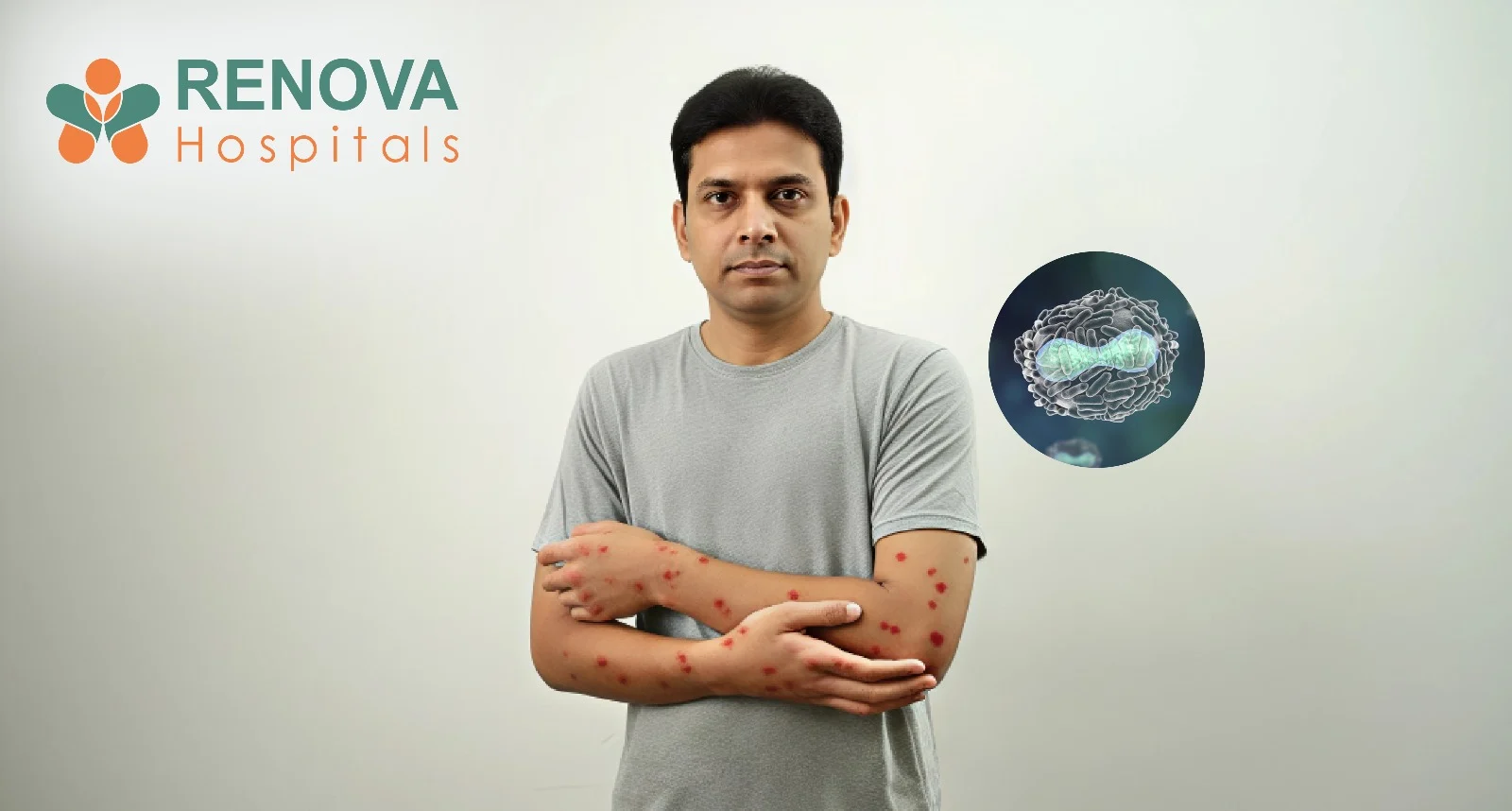
The vaccinia virus has a complex structure that distinguishes it from many other viruses. It is a large, double-stranded DNA virus with a brick-shaped outer shell that contains enzymes that enable replication within human cells.
Unlike many viruses that require the host cell nucleus for replication, vaccinia can replicate entirely in the cytoplasm, making it highly efficient at infecting skin and mucosal tissues. This ability contributes to its survival on contaminated surfaces, including bandages, towels, clothing, and bedding.
Because of this structure:
- The virus can persist on surfaces for extended periods
- Direct skin contact is a major mode of transmission
- Proper wound covering and hygiene are critical in preventing the spread
What Is Vaccinia?
Vaccinia refers to both the virus itself and the infection it causes. The virus was originally developed as a weakened strain to stimulate immunity against smallpox. Although vaccination is effective and life-saving, vaccinia can still infect human tissue.
Once vaccinia enters the body, it primarily infects skin cells, leading to the formation of fluid-filled pustules. These lesions eventually crust over and heal. In healthy individuals, the infection usually stays localised.
In rare cases, particularly when the immune system is unable to contain the virus, vaccinia may spread to adjacent skin, distant sites, or internal organs, leading to severe disease.
Vaccinia Virus Causes?
Vaccinia virus infection occurs through direct contact rather than through the air.
Common Causes Include
- Direct contact with an active smallpox vaccination site
- Touching contaminated bandages, towels, bedding, or clothing
- Skin-to-skin contact with a recently vaccinated person
- Contact with vaccinia-containing eye or skin secretions
Who Is at Higher Risk
- People with eczema or chronic skin disease
- Infants and young children
- Pregnant individuals
- Immunocompromised patients
- Individuals with open wounds or broken skin
What are the types of Vaccinia Virus disease?
Vaccinia virus disease presents in several forms, depending on the extent of viral spread and the effectiveness of the immune response.
1. Localised Vaccinia
This is the most common form. A single lesion develops at the site of exposure and gradually heals over 2–3 weeks.
2. Generalised Vaccinia
Multiple lesions occur across multiple sites on the body, often accompanied by fever, weakness, and malaise. While alarming, it usually resolves with supportive care in healthy individuals.
3. Progressive Vaccinia
A rare but severe form is seen in immunocompromised patients. The lesion continues to enlarge, fails to heal, and progressively destroys surrounding tissue.
4. Vaccinia Necrosum
Also called vaccinia necrosum, this form causes deep tissue necrosis and can be fatal without aggressive medical treatment.
5. Fetal Vaccinia
Occurs when a pregnant individual becomes infected, and the virus crosses the placenta, leading to serious fetal illness or pregnancy loss.
What are the symptoms of Vaccinia Virus infection?
Symptoms typically appear a few days after exposure and mainly affect the skin.
Common Symptoms
- Pustular skin lesions – fluid-filled blisters that crust over
- Redness and swelling – inflamed, tender skin around the lesion
- Fever – mild to moderate temperature elevation
- Fatigue – unusual tiredness or weakness
- Headache – viral immune response
- Muscle aches – flu-like body pain
Severe Symptoms
- Widespread skin ulcers
- Eye pain, redness, or visual disturbance
- Signs of internal organ involvement
These require urgent medical attention.
How Vaccinia Pox Spreads?
Vaccinia pox spreads through direct contact with:
- Open lesions
- Scab material
- Contaminated surfaces
It does not spread through coughing or sneezing, but skin contact transmission is highly efficient.
What is the Diagnosis of Vaccinia Virus Disease?
Accurate diagnosis is essential, as vaccinia lesions can resemble other viral or bacterial skin infections.
Clinical Examination
Doctors assess:
- Lesion appearance and location
- Number and distribution of sores
- Stage of blistering or crusting
Exposure History
A recent history of:
- Smallpox vaccination
- Contact with a vaccinated person
- Handling vaccination materials
Laboratory Testing
- PCR testing of lesion fluid
- Viral culture in complex cases
Early diagnosis enables prompt treatment and prevents spread.
Treatment of Vaccinia Virus Infection
Treatment of vaccinia virus infection depends on the severity of the disease, the extent of spread, and the patient’s immune status. While most infections are mild and self-limiting, prompt medical evaluation is essential to identify patients who require advanced therapy and to prevent serious complications.
Management of Mild Vaccinia Virus Infection
Most mild infections remain localised to the skin and resolve spontaneously with appropriate supportive care. The primary goals are to promote healing, relieve symptoms, and prevent transmission.
Supportive Care Includes:
- Proper wound care
- Keep the lesion clean and dry at all times
- Gently cleanse with mild soap and water
- Avoid applying unprescribed creams or home remedies
- Covering lesions
- Use sterile, non-stick dressings
- Change bandages regularly to prevent contamination
- Secure dressings properly to avoid accidental exposure
- Pain and symptom management
- Use prescribed analgesics for discomfort or inflammation
- Avoid scratching to prevent secondary bacterial infection
- Apply doctor-recommended topical agents if needed
- Monitoring for disease progression
- Watch for new lesions appearing away from the original site
- Monitor for fever, increasing redness, swelling, or discharge
- Seek medical care if symptoms worsen or fail to improve
With careful home care and medical guidance, most mild vaccinia infections heal completely within 2–3 weeks.
Treatment of Severe or High-Risk Vaccinia Virus Infection
Indications for Advanced Treatment:
- Rapidly spreading skin lesions
- Persistent or enlarging ulcers
- Fever with systemic symptoms
- Eye involvement or facial lesions
- Immunocompromised state
- Infection during pregnancy
Medical Management May Include:
- Antiviral medications
- Prescribed to control viral replication
- Used especially in progressive or generalised vaccinia
- Initiated early to limit tissue damage
- Vaccinia Immune Globulin (VIG)
- Provides passive immunity by neutralising the virus
- Recommended for severe disease, immunodeficient patients, or pregnancy-related exposure
- Helps prevent progression and reduces complications
- Hospital monitoring
- Close observation of vital signs and lesion progression
- Regular assessment for bleeding, infection, or organ involvement
- Supportive care, including hydration and nutrition
- Isolation precautions
- Strict contact precautions to prevent spread to healthcare workers or family members
- Dedicated wound care protocols
- Education on hygiene and infection control
Early initiation of appropriate treatment significantly reduces the risk of tissue destruction, permanent scarring, vision loss, and systemic illness.
What Problems Can Vaccinia Virus Infection Cause?
Though uncommon, complications can be serious.
Potential Complications
- Generalised vaccinia
- Progressive vaccinia
- Vaccinia necrosum
- Ocular vaccinia (eye infection)
- Secondary bacterial infection
- Fetal vaccinia
- Permanent scarring
Prompt medical care significantly reduces risk.
How Do You Prevent Vaccinia Virus Infection?
1. Proper Care of Vaccination Sites
- Keep the vaccination site clean, dry, and securely covered at all times
- Use sterile, non-stick dressings as advised by a healthcare provider
- Change bandages regularly, especially if wet or soiled
- Dispose of used dressings safely in sealed bags
- Avoid touching the site unnecessarily
2. Hand Hygiene
- Wash hands thoroughly with soap and water after any contact with:
- Vaccination sites
- Bandages or scabs
- Skin lesions
- Use alcohol-based hand sanitiser when soap and water are not available
- Ensure caregivers and family members also follow strict hand hygiene
3. Avoid Scratching or Manipulating Lesions
- Do not scratch, pick, or squeeze vaccinia sores
- Keep fingernails short and clean
- Cover lesions properly to prevent accidental spread to:
- Eyes (ocular vaccinia)
- Other body parts
- Seek medical advice if itching becomes severe
4. Personal Item Separation
- Use separate towels, clothing, bedding, and toiletries
- Launder contaminated items separately using hot water and detergent
- Avoid sharing:
- Towels
- Razors
- Clothing
- Bed linens
5. Protect High-Risk Individuals
- Keep infants, young children, pregnant individuals, and immunocompromised persons away from:
- Active vaccination sites
- Infected skin lesions
- Avoid close physical contact, including sleeping in the same bed
- Inform caregivers and household members about transmission risks
6. Environmental Hygiene
- Clean frequently touched surfaces regularly
- Disinfect areas where bandage changes occur
- Avoid touching household surfaces immediately after wound care without handwashing
7. Early Medical Evaluation
- Seek medical care immediately if:
- New rashes or blisters appear
- Lesions spread beyond the original site
- Eye pain, redness, or vision changes develop
- Fever or worsening symptoms occur
Why Is Prevention Critical?
- Prevents spread to family members and caregivers
- Protects vulnerable populations
- Reduces risk of severe disease and complications
- Supports faster healing and safe recovery
Consistent preventive practices are the most effective means of controlling vaccinia virus infection and ensuring community safety.
When to Seek Medical Care?
While many vaccinia virus infections are mild and resolve with appropriate care, medical evaluation is essential when symptoms suggest progression, complications, or risk to vulnerable individuals.
Seek Medical Care Immediately If You Notice:
- Spread of lesions
- New blisters or sores appearing away from the original site
- Rapid increase in the number or size of lesions
- Signs of severe infection
- High or persistent fever
- Increasing redness, swelling, warmth, or pus around the lesion
- Severe pain not relieved with basic care
- Eye involvement
- Redness, pain, discharge, or blurred vision
- Lesions near the eyes or eyelids
- Delayed healing
- Lesions that do not improve or worsen after 10–14 days
- Ulcers that enlarge instead of crusting
- Systemic symptoms
- Extreme fatigue or weakness
- Headache with fever
- Muscle aches with a spreading rash
High-Risk Individuals Should Seek Care Early
Medical evaluation is recommended even for mild symptoms if the infected person is:
- An infant or young child
- Pregnant
- Immunocompromised (HIV, cancer treatment, organ transplant, long-term steroids)
- Living with eczema or chronic skin disease
Care at Renova Hospitals
Renova Hospitals provide expert, multidisciplinary care for vaccinia virus infection. Early diagnosis, strict infection control, and personalised treatment plans ensure safe recovery while preventing transmission.
Mild cases receive specialised dermatologic care and monitoring, while severe infections are managed with antivirals, immune globulin, and advanced supportive care. Our coordinated approach ensures patient safety, rapid healing, and community protection.
Disclaimer
This content is for general information only and does not replace professional medical advice. Always consult a qualified doctor for diagnosis and treatment.