Key Takeaways
- Cancer stigma is a major barrier to early diagnosis and timely treatment in India.
- Perceived, experienced, and internalised stigma significantly affect patients and caregivers.
- Fear and misinformation contribute to late-stage presentation and poorer outcomes.
- Mental health support is essential in comprehensive cancer care.
- Community education and survivor stories can normalise cancer conversations.
- Breaking stigma improves screening uptake, treatment adherence, and survival rates.
What Is Cancer Stigma and Why Does It Matter in India?
Cancer stigma in India is the social process of exclusion, blame, shame, or discrimination directed at individuals
diagnosed with cancer. It manifests as perceived stigma (fear of being judged), experienced stigma (actual discrimination), and internalised stigma (self-shame).
According to a
2021 RTI Press/Emory University study conducted across Delhi and Chennai, 85% of cancer patients and 75% of caregivers reported at least one form of stigma, making it one of the most underrecognized barriers to timely diagnosis and treatment in India.
Cancer care in India has evolved rapidly. Advances in early detection, molecular diagnostics, immunotherapy, and minimally invasive surgery are saving more lives every year. Yet many patients still present with advanced-stage disease — not because treatment isn't available, but because fear, shame, and social judgment prevented them from seeking help earlier.
At Renova Hospitals, we believe that improving cancer survival in India requires not only clinical excellence but also social transformation. Breaking stigma is as important as breaking the disease itself.
The Growing Burden of Cancer in India
India is facing a cancer crisis of unprecedented scale. A landmark
2025 ICMR study published in JAMA Network Open, analysing data from 43 cancer registries, estimated 1.56 million new cancer cases and 874,404 cancer deaths in India in 2024 alone. If current trends continue, India could see 2.46 million new cancer cases annually by 2045.
The most common cancers by gender, per ICMR data:
- Women: Breast, cervical, and ovarian cancers. Breast cancer alone is projected to exceed 238,000 new cases in 2024
- Men: Oral, lung, and prostate cancers. Oral cancer is expected to account for over 113,000 new male cases in 2024
Understanding Cancer Stigma in India: What the Research Shows
- 85% of patients reported some form of stigma perceived, experienced, or internalised
- 75% of caregivers also experienced stigma, showing that a diagnosis affects entire families
- ~60% of patients faced direct, experienced stigma such as actual discrimination or exclusion
- Over one-third of patients and caregivers internalised shame about their diagnosis
- Fatalistic beliefs about cancer were prevalent among both patients and the general public
A separate rural study in Assam — the
DESH Program baseline survey, published in BMC Cancer — surveyed 923 residents and found that 42–57% endorsed stigmatising statements about cancer's impact on a person's personal, occupational, and family life. Critically, 92.9% were unaware that cancer screening was available nearby.
Three Types of Cancer Stigma That Affect Indian Patients
1. Perceived Stigma
The belief that society holds negative attitudes toward people with cancer, even before any discrimination has occurred. This fear alone is enough to delay help-seeking patients avoid hospitals simply to avoid being labelled.
2. Experienced Stigma
Actual discrimination: being excluded from social or religious gatherings, subjected to gossip or verbal harassment, losing a job, or being denied community services. Research documented in a
2024 NCI Workshop Report in JNCI Monographs noted that in parts of India, families of breast and cervical cancer patients have asked treatment teams not to park visibly outside their homes to avoid drawing stigmatising attention from neighbours.
3. Internalised Stigma
When patients absorb societal judgment and begin to feel personally ashamed or responsible for their illness. This form leads to hiding the diagnosis, withdrawing from social life, and avoiding follow-up care all of which directly worsen outcomes.
Cultural Myths and Misconceptions Driving Cancer Stigma
Stigma doesn't emerge in a vacuum. In India, it is frequently reinforced by deeply ingrained cultural and religious beliefs:
- "Cancer is contagious" - A common misconception that leads to patients being given separate utensils or isolated within their own homes
- "Cancer is karmic punishment" - The belief that illness is retribution for past sins, which generates blame and shame rather than compassion
- "Cancer is always fatal" - Fatalistic thinking that discourages early screening because "there's nothing to be done anyway"
- Moral judgments about cancer type - Especially for oral cancers (associated with tobacco) or gynaecological cancers, which carry heavy gender-related shame
- Fear of treatment-related physical changes - Hair loss or surgical disfigurement triggers social anxiety around being seen in public
These misconceptions have documented real-world consequences: reduced marriage prospects for patients and their siblings, gossip and verbal abuse, emotional distress for caregivers, and, most critically, delayed presentation that closes the window for curative early-stage treatment.
Is Cancer Stigma a Clinical Problem? Yes - Here's Why
- Delayed cancer screening and diagnosis
- Late-stage disease presentation, when treatment is harder, more expensive, and less effective
- Poor adherence to prescribed treatment protocols
- Increased rates of anxiety and depression
- Reduced social support, one of the strongest protective factors in cancer recovery
- Treatment discontinuation midway through care
When a patient avoids early consultation out of embarrassment or fear, the window for curative treatment closes. Every week of delay can mean the difference between Stage I and Stage III, and between survival and mortality. Reducing stigma is therefore a public health imperative, not just a social nicety.
How to Reduce Cancer Stigma in India: A Multi-Pronged Approach
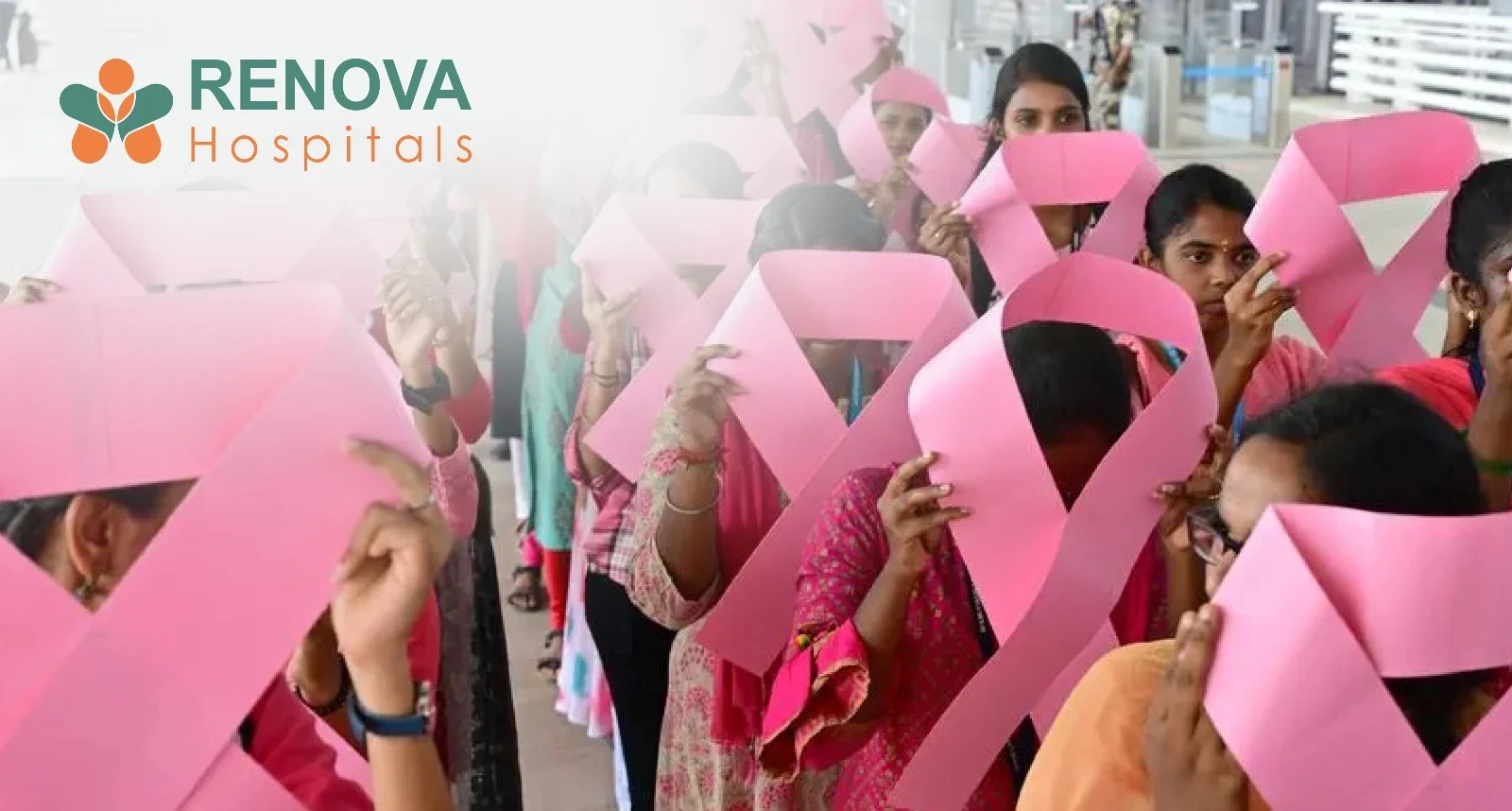
Public Awareness and Survivor Advocacy
When cancer survivors publicly share their stories of recovery, they shatter fatalistic narratives and show that cancer is survivable. Survivor advocacy campaigns have proven effective at reducing stigma-related delays and are increasingly being used in oncology outreach across Indian cities.
Cancer Education in Schools and Workplaces
Cancer conversations must be normalised at the community level — in schools, workplaces, and primary health centres. Education replaces fear with facts and encourages early help-seeking before symptoms become advanced.
Community Health Worker Engagement in Rural Areas
The
DESH Program study in Assam underscores how rural communities have the lowest awareness of cancer screening availability. Empowering ASHA workers and community health volunteers with cancer education training is critical for explaining early warning signs in local languages, teaching breast self-examination, correcting myths about contagion or karmic causation, and directing patients to nearby screening programs.
Mental Health Integration in Oncology Care
Psychological screening and counselling must be embedded into oncology care pathways — not treated as an afterthought. Depression and anxiety are common among cancer patients in India, and stigma compounds both conditions. Routine psychosocial support improves treatment adherence and long-term quality of life.
Family Counselling and Support Groups
Creating safe environments where patients can speak openly through peer support groups, family counselling, and hospital-based psychosocial programs reduces internalised stigma and social isolation. When families understand that cancer is neither contagious nor shameful, home environments become supportive rather than isolating.
Policy-Level Action
The
Lancet Southeast Asia review (2024) calls for a validated, India-specific cancer stigma measurement tool to track progress and evaluate public interventions. Standardised data can guide policy funding toward the highest-need populations, particularly rural communities where stigma levels are highest, and screening awareness is lowest.
The Power of Community in Changing Cancer Narratives
Communities shape health behaviour more powerfully than institutions. When families, workplaces, religious leaders, and local organisations openly discuss cancer without shame or judgment, fear in the general population decreases, screening participation increases, patients present earlier with more treatable disease, and treatment completion rates improve. Mental health outcomes for patients and caregivers improve as well.
Breaking stigma begins with a single conversation. Education replaces fear with facts. Empathy replaces judgment with support. Open dialogue in homes, clinics, schools, and community centres is the foundation of better cancer outcomes across India.
Renova Hospitals Commitment to Stigma-Free Cancer Care
At Renova Hospitals, we recognise that comprehensive cancer care extends far beyond diagnosis and treatment. Our integrated approach includes multidisciplinary oncology teams combining
surgical,
medical, and radiation oncology; evidence-based precision therapies including targeted treatment and immunotherapy; embedded counselling and psychosocial support for patients and caregivers; community cancer screening drives; and early detection programs to ensure no patient presents too late.
We aim to create an environment where every individual can seek cancer care without fear, shame, or judgment, because timely consultation is the single most powerful factor in cancer survival.
Start the Conversation. Seek Care Early.
Cancer is not contagious. It is not a punishment. And with early detection and modern treatment, it is increasingly survivable. The first step toward a better outcome is timely consultation, and that begins with breaking the silence.
If you or a loved one notices warning signs or wishes to undergo cancer screening, consult the oncology specialists at Renova Hospitals. Early detection saves lives, and together, we can build a society where no one faces cancer alone.