Key Takeaways
- The DASH diet can reduce systolic blood pressure by 8-14 points in people with hypertension within just 2 weeks.
- Over 315 million Indians have hypertension, making it one of the leading health challenges in the country.
- Combining DASH with sodium reduction to 1,500 mg daily produces greater blood pressure reductions than either intervention alone
- Studies show that DASH reduces total cholesterol by approximately 14 mg/dL and LDL cholesterol by 11 mg/dL.
- The DASH eating plan can reduce cardiovascular disease risk by up to 20% according to the American Heart Association.
- Only 12% of Indians with hypertension have their blood pressure under control, highlighting the urgent need for dietary interventions.
What Is the DASH Diet?
In the original DASH studies conducted in the 1990s:
- Participants who followed the DASH eating plan experienced reduced blood pressure within 2 weeks. Research published in the New England Journal of Medicine demonstrated average reductions of 5.5 mmHg in systolic pressure and 3.0 mmHg in diastolic pressure.
- Total cholesterol and LDL ("bad" cholesterol) levels also decreased significantly. The original DASH trial showed reductions of about 14 mg/dL in total cholesterol.
- When sodium intake was further reduced in the DASH-Sodium study, blood pressure dropped even more, especially in people already diagnosed with hypertension, with some experiencing reductions of up to 11.5 mmHg.
The principle is simple:
- Eat more fruits and vegetables
- Choose whole grains
- Include low-fat dairy
- Limit saturated fats
- Reduce sodium
Why Is Healthy Blood Pressure Important?
Over time, uncontrolled blood pressure causes:
Hypertension is often called a "silent condition" because symptoms may not appear until serious complications develop. In India,
only about 12% of people with hypertension have their condition under control.
Managing blood pressure early reduces long-term cardiovascular risk.
How Does the DASH Diet Lower Blood Pressure?
The DASH diet works through multiple scientifically validated mechanisms:
- Increases potassium, magnesium, and calcium intake, minerals that help regulate blood pressure by supporting proper vascular function
- Reduces saturated fat and cholesterol
- Limits sodium intake
- Improves overall vascular health
- Supports weight control
The
DASH-Sodium study showed that lowering sodium to 1,500 mg per day (about 2/3 teaspoon of salt) produced even greater reductions in blood pressure compared to 2,300 mg, with the greatest benefits seen in those with existing hypertension.
DASH Diet vs Mediterranean Diet
Both diets are heart-healthy and emphasise plant-based foods. However, there are key differences:
- The DASH diet specifies exact serving sizes and portions
- It recommends only low-fat or fat-free dairy products
- It discourages red meat, sweets, and alcohol more strictly
- The Mediterranean diet allows moderate amounts of full-fat dairy, red meat, and wine.
Both improve cardiovascular health, but DASH is specifically structured for blood pressure control.
Research comparing the two shows both are effective for cardiovascular protection, though DASH may have a slight edge for hypertension management.
What Does the DASH Eating Plan Include?
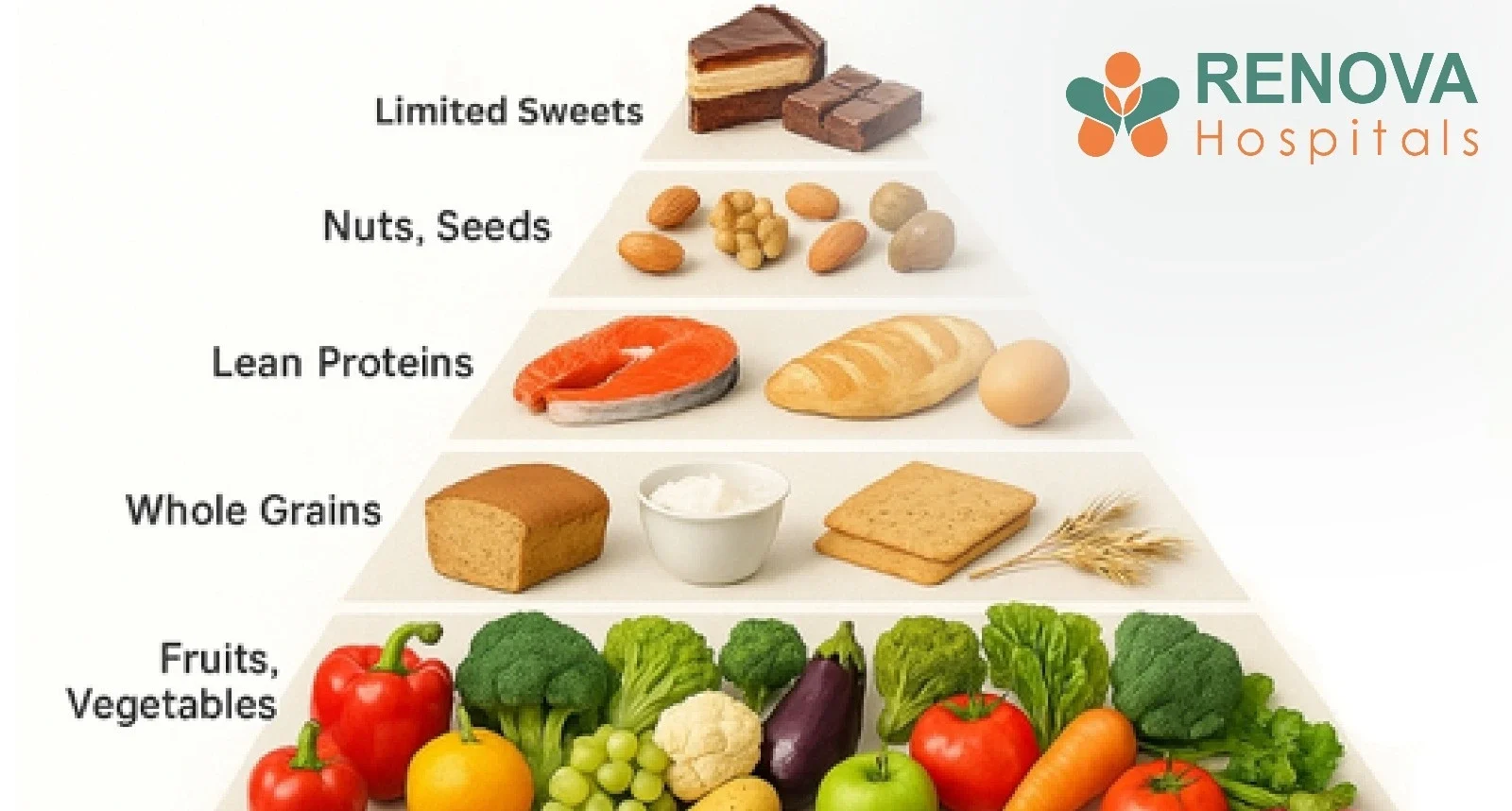
Daily Food Groups
- Vegetables
- Fruits
- Whole grains
- Low-fat or no-fat dairy
- Lean meats, poultry, fish
- Nuts, seeds, legumes
- Limited fats and oils
DASH Daily Servings and Examples
Vegetables: 4–5 servings daily
- 1 cup raw leafy vegetables
- ½ cup cooked vegetables
Fruits: 4–5 servings daily
- 1 medium fruit
- ½ cup fresh, frozen, or canned fruit
- ¼ cup dried fruit
Whole Grains: 7–8 servings daily
- 1 slice whole wheat bread
- ½ cup cooked rice or pasta
- 1 cup ready-to-eat cereal
Low-Fat Dairy: 2–3 servings daily
- 1 cup milk
- 1 cup yoghurt
- 50 g cheese
Lean Meat, Poultry, Fish: 2 servings or less
- 3 ounces cooked lean meat (about the size of a palm)
Nuts, Seeds, Legumes: 4–5 servings per week
- ⅓ cup nuts
- ½ cup cooked beans
Fats and Oils: 2–3 servings daily
- 1 teaspoon vegetable oil
- 1 tablespoon low-fat mayonnaise
Sweets: Less than 5 servings per week
DASH Diet Indian Food Adaptations
The DASH diet can be easily adapted to Indian cuisine and dietary preferences:
Indian Whole Grains
- Whole wheat roti or chapati (1 roti = 1 serving)
- Brown rice instead of white rice
- Jowar (sorghum) roti
- Bajra (pearl millet) roti
- Ragi (finger millet) dishes
- Oats or dalia (broken wheat) upma
Indian Vegetables (4-5 servings daily)
- Palak (spinach), methi (fenugreek), lauki (bottle gourd)
- Bhindi (okra), baingan (eggplant), karela (bitter gourd)
- Gobhi (cauliflower), beans, carrots
- Tomatoes, onions, capsicum
Indian Fruits (4-5 servings daily)
- Seasonal fruits: guava, papaya, apple, pomegranate
- Citrus fruits: oranges, mosambi (sweet lime)
- Bananas in moderation
- Avoid canned or preserved fruits with added sugar
Protein Sources for Indian Diets
- Dal (lentils): moong, masoor, toor, chana dal
- Rajma (kidney beans), chole (chickpeas)
- Paneer made from low-fat milk
- Sprouted moong or chana
- Soya chunks or tofu
- Fish: rohu, katla, pomfret, mackerel
- Chicken (skinless, grilled or baked)
Low-Fat Dairy Options
- Low-fat dahi (curd/yoghurt)
- Skimmed milk or toned milk (instead of full-fat)
- Reduced-fat paneer
- Buttermilk (chaas) without added salt
Indian Cooking Modifications for DASH
- Use minimal oil: mustard oil, rice bran oil, or olive oil (1-2 teaspoons)
- Reduce salt in tadka (tempering) and curries
- Use spices generously: turmeric, cumin, coriander, ginger, garlic
- Steam, grill, or bake instead of deep frying
- Avoid pickles, papads, and namkeen (high sodium)
- Limit coconut-based gravies
- Use lemon juice and fresh herbs for flavour instead of excess salt
What to Limit in the Indian Diet
- Deep-fried snacks: samosas, pakoras, vadas
- Salted namkeen and farsan
- Pickles and chutneys are high in salt
- Papad and fried chips
- Commercial bakery items and biscuits
- Ghee and butter in excess
- Full-fat dairy products
- Processed and packaged foods
- White rice and maida (refined flour)
How Much Salt Should You Consume?
The World Health Organisation recommends that adults limit sodium to 2,000 mg per day (about 1 teaspoon of salt, or 5 grams). The American Heart Association suggests even lower, at 2,300 mg. For better blood pressure control, 1,500 mg per day is ideal.
Indian diets tend to be high in sodium.
Research shows that average salt intake in India ranges from 8-12 grams per day, nearly double the WHO recommendation.
Remember, most salt in Indian diets comes from:
- Pickles (achaar) and chutneys
- Papad and farsan (namkeen)
- Processed and packaged snacks
- Bread and bakery products
- Restaurant and street food
- Salted buttermilk and lassi
- Salt in cooking and at the table
Even homemade food can be high in sodium if salt is not carefully measured.
Does the DASH Diet Help With Weight Loss?
The DASH diet was not designed as a weight-loss diet. However,
studies have shown that people following DASH often experience weight loss due to:
- Reduced processed food intake
- Lower sugar consumption
- Controlled portions
- Increased fiber intake
These dietary changes often lead to gradual, sustainable weight loss, especially in overweight individuals.
Research indicates that DASH combined with calorie restriction and exercise can result in meaningful weight reduction.
How to Start the DASH Diet (Indian Version)
Make Gradual Changes
- Replace white rice with brown rice or mix half-and-half
- Switch maida rotis to whole wheat or multigrain rotis
- Add one sabzi (vegetable dish) at lunch and dinner
- Include a bowl of dal daily
- Replace fried snacks with fresh fruits, roasted chana, or makhana
- Switch to low-fat or toned milk and dahi
- Reduce oil in cooking from 3-4 tablespoons to 1-2 teaspoons per dish
- Limit pickles, papad, and namkeen
- Choose grilled or tandoori preparations over fried
- Use more spices and herbs, less salt
- Replace sugary chai with herbal teas or reduce sugar
- Choose buttermilk without added salt
Gradual changes improve long-term adherence and success.
Research shows that slow, incremental dietary modifications are more sustainable than drastic overhauls.
Sample DASH-Compliant Indian Meal Plan
Breakfast:
- 2 whole wheat rotis with sabzi OR
- Oats/dalia upma with vegetables OR
- Idli/dosa (made with minimal oil) with sambar
Mid-Morning:
- 1 fruit (apple, guava, or papaya)
- Handful of unsalted nuts
Lunch:
- 1-2 whole wheat rotis
- 1 bowl of dal
- 1 vegetable sabzi (dry or minimal gravy)
- 1 bowl of low-fat dahi
- Small portion of brown rice (optional)
- Salad with lemon
Evening Snack:
- Herbal tea or buttermilk (no salt)
- Roasted makhana or chana
- Fruit
Dinner:
- 2 rotis or 1 roti + ½ cup rice
- Vegetable curry or grilled paneer/fish
- Dal or rajma/chole
- Salad
Before Bed:
- Warm low-fat milk (optional)
Additional Lifestyle Recommendations for Blood Pressure Control
- Exercise 30–60 minutes most days, regular physical activity can lower blood pressure by 5-8 mmHg
- Maintain a healthy body weight
- Avoid smoking
- Limit alcohol to moderate consumption
- Monitor blood pressure regularly
- Reduce processed food intake
- Choose water instead of sugary beverages
What Should You Do Next?
Adopting a DASH-style eating pattern, reducing sodium intake, staying active, and monitoring your blood pressure regularly can significantly lower long-term cardiovascular risk.
The key is not perfection. It is consistency.
If you are unsure where to begin or if your readings remain high despite lifestyle changes, a structured clinical evaluation is important. At Renova Hospitals, our cardiology and internal medicine teams focus on evidence-based hypertension management, combining lifestyle guidance, risk assessment, and medication planning when required.
Medical Disclaimer: This article is for informational purposes only and does not constitute medical advice. Always consult with a qualified healthcare provider before making changes to your diet or treatment plan.