Quick Summary
- Prostate cancer is the second most common cancer in men worldwide.
- In 2022, there were 1.47 million new cases and 397,000 deaths globally.
- Cases are projected to reach 2.4 million annually by 2040.
- In the United States (2026 estimate), 333,830 new cases and 36,320 deaths are expected.
- In India, while the overall rate of prostate cancer is lower than in the West, many men are unfortunately diagnosed at advanced stages.
- Five-year survival is ~99% for localised disease, but drops significantly in metastatic cases.
What Is Prostate Cancer?
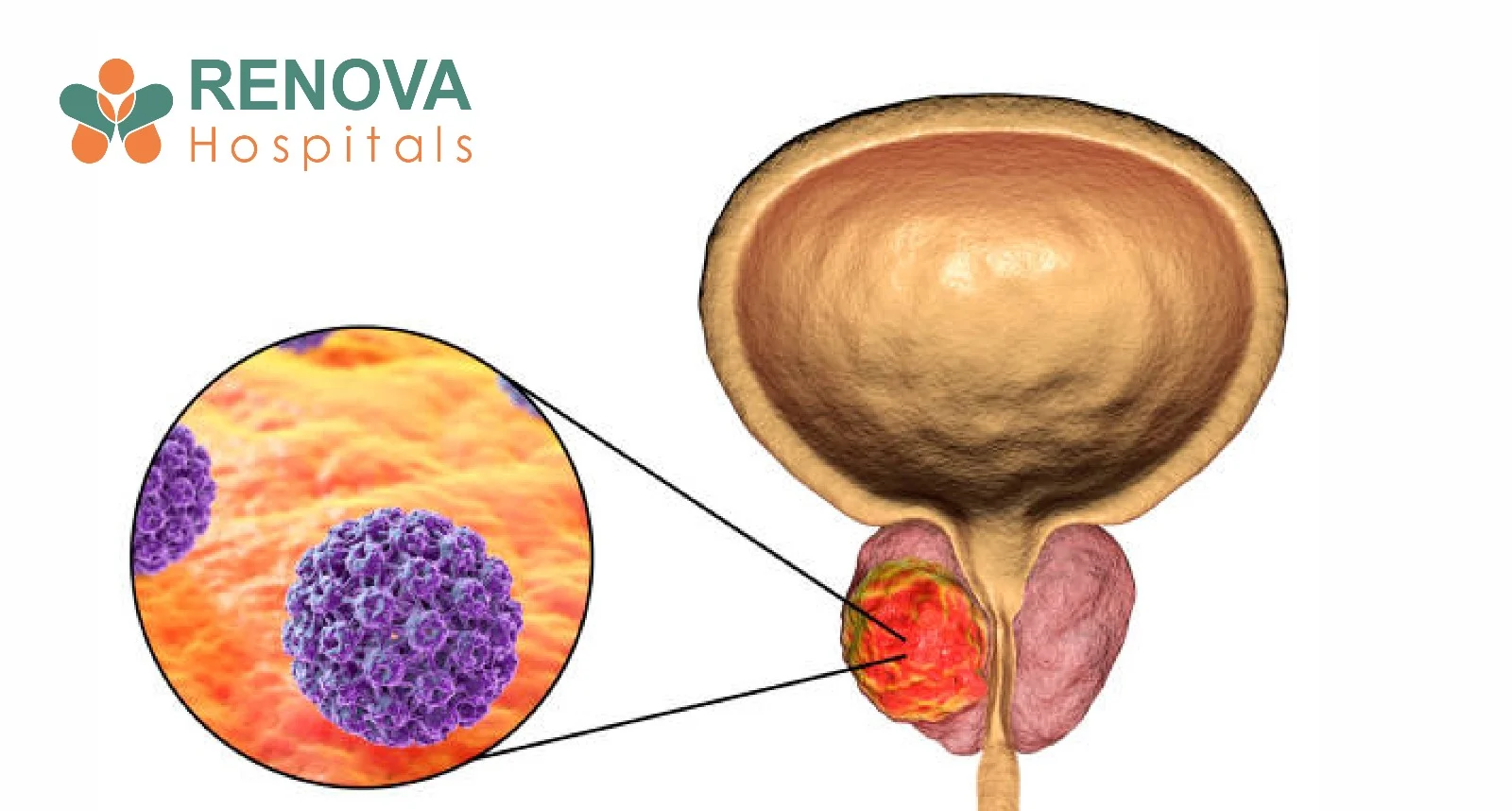
Prostate cancer develops in the prostate gland, a small walnut-shaped gland below the bladder that produces seminal fluid. Most prostate cancers grow slowly, but some types can be aggressive and spread to bones, lymph nodes, and other organs.
Globally, prostate cancer ranks as:
- The 4th most common cancer overall
- The 2nd most common cancer in men
- The 5th leading cause of cancer-related deaths in men
How often this cancer occurs varies wildly around the world. This is mostly due to genetics, screening frequency, and overall access to healthcare.
Global & Indian Prostate Cancer Statistics
Global Trends
- 1.47 million new cases in 2022
- 397,000 deaths worldwide
- Projected 2.4 million cases and 712,000 deaths by 2040
- The highest mortality rates are reported in the African region.
- Sadly, men in low-income countries are nearly five times more likely to die from the disease compared to those in wealthier nations.
United States
- 333,830 new cases
- 36,320 deaths
- Lifetime risk: 1 in 8 men
- About 6 in 10 casesare diagnosed after age 65
After a decline between 2007 and 2014 due to reduced PSA screening, incidence has increased by about 3% per year since 2014, partly due to rising advanced-stage diagnoses.
Why Prostate Cancer is a Growing Concern in India
India accounts for approximately 60% of prostate cancer cases in South-Central Asia.
- Age-standardised incidence rate (ASIR): 5.6 per 100,000
- Mortality rate: 2.7 per 100,000
- There has been a significant rise in overall cases and related deaths since 1990.
- ASIR projected to reach 9.15 per 100,000 by 2031
- The highest incidence was observed in Delhi and Kerala.
- Large regional disparities across Indian states
Unlike in Western countries, where routine screening catches the disease early, 80–85% of Indian patients aren't diagnosed until Stage III or IV. This delay makes treatment much harder and lowers survival rates.
Risk Factors for Prostate Cancer
Currently, only three risk factors are firmly backed by science:
- Age (risk rises sharply after 50 years)
- Family history (risk doubles if father affected; triples if brother affected)
- African ancestry / genetic susceptibility
Other Potential Risk Factors
- BRCA1/BRCA2 gene mutations
- ATM, PALB2, CHEK2, mismatch repair genes
- High saturated fat diet
- Obesity
- Sedentary lifestyle
- Possible environmental exposures (cadmium, chemicals)
Hereditary factors contribute to approximately 5–15% of cases.
Symptoms of Prostate Cancer
Early prostate cancer often has no symptoms.
Gives the reader helpful context about what type of symptoms they are about to read.
Urinary Symptoms
- Weak or interrupted urine flow
- Frequent urination, especially at night
- Difficulty starting or stopping urination
- Burning or pain during urination
Advanced Symptoms
- Blood in urine or semen
- Painful ejaculation
- Persistent lower back, hip, or pelvic pain
- Bone pain (in metastatic disease)
In India, most patients are diagnosed after symptoms appear, whereas in Western countries, many cases are detected during routine PSA screening.
Screening & Diagnosis
PSA (Prostate-Specific Antigen) Test
PSA is a blood test used to detect prostate abnormalities.
- USPSTF recommends individual decision-making for men aged 55–69
- Routine screening is not recommended for men over 70
- Declines in PSA screening have been linked to increased advanced-stage diagnoses.
Digital Rectal Examination (DRE)
A clinical exam to detect prostate enlargement or nodules.
Imaging & Biopsy
- Multiparametric MRI (mpMRI)
- Transrectal ultrasound (TRUS)-guided biopsy
- MRI fusion biopsy for precise targeting
MRI improves the detection of clinically significant prostate
cancer while reducing unnecessary biopsies.
Staging of Prostate Cancer
- TNM system (Tumour, Node, Metastasis)
- PSA level
- Gleason score tumour aggressiveness grading)
Survival by Stage
- Localised (Stage I–III): ~99% 5-year survival
- Distant/Metastatic (Stage IV): 34–43% 5-year survival
In Indian tertiary care data:
- Localised: 89% survival
- Locally advanced: 79%
- Metastatic: 41%
- Overall 5-year survival: 61%
Survival strongly depends on:
- Stage at diagnosis
- PSA level
- Gleason grade
- Treatment completion
Treatment Options for Prostate Cancer
Treatment depends on stage, PSA level, Gleason score, age, and patient preference.
1. Active Surveillance
For low-risk cancer.
- Regular PSA monitoring
- Periodic imaging
- Avoids overtreatment
2. Surgery (Radical Prostatectomy)
Removal of the prostate gland.
Best for localised disease.
3. Radiation Therapy
- External Beam Radiation Therapy (EBRT)
- Often combined with hormone therapy.
4. Hormone Therapy (Androgen Deprivation Therapy – ADT)
Reduces testosterone levels.
Common in advanced disease.
5. Chemotherapy
Used for metastatic or resistant disease.
6. Newer and Emerging Treatments
- Abiraterone (STAMPEDE trial: 86% alive at 6 years vs 77%)
- Pluvicto (earlier use in trials)
- Pasritamig (under Phase 3 evaluation)
- ANDROMEDA trial combining radiation + targeted therapies
Side Effects of Prostate Cancer Treatment
Different treatments for prostate cancer can cause different side effects. Most can be managed with proper medical care.
Prostatectomy (Surgery)
Common side effects:
- Urinary incontinence
- Erectile dysfunction
Management:
- Pelvic floor (Kegel) exercises
- Medications for erectile function
Radiation Therapy
Possible side effects:
- Urinary irritation
- Diarrhoea or rectal discomfort
Management:
- Diet changes
- Medications
- Hyaluronic acid rectal spacers to protect the rectum
Hormone Therapy (ADT)
Common side effects:
Management:
- Regular exercise
- Medications such as venlafaxine
Cryotherapy
- Lower risk of incontinence and erectile dysfunction
- Rare complications may occur.
Most side effects improve over time with proper treatment and follow-up care.
Survival & Prognosis
Prognosis varies by stage:
- Localised disease: Nearly 100% survival
- Regional disease: Excellent outcomes with treatment
- Metastatic disease: 36–43% 5-year survival
- Overall survival in India (hospital-based data): ~61%
Treatment completion dramatically improves survival. Patients completing therapy had a 65% survival rate, compared with 12% in cases with incomplete treatment.
Prevention & Risk Reduction
There is no guaranteed prevention, but risk can be reduced through:
- Low-fat diet
- Increased fruits and vegetables (broccoli, tomatoes)
- Reduced red and processed meat
- Regular exercise (30 minutes daily)
- Maintaining a healthy weight
New technologies are even helping doctors create highly personalised prevention plans based on a patient's unique risk profile.
When Should You See a Doctor?
Consult a healthcare provider if you experience:
- Persistent urinary difficulties
- Blood in urine or semen
- Unexplained pelvic or back pain
- Family history of prostate cancer
Men over 50 or earlier if high-risk should discuss PSA testing with their doctor.
Medical Disclaimer
This article is intended for educational purposes and reflects current global and Indian epidemiological data, including information from GBD 2021, SEER, and peer-reviewed clinical studies. It should not replace personalised medical advice. If you have symptoms or risk factors for prostate cancer, consult a qualified healthcare professional for evaluation and guidance.