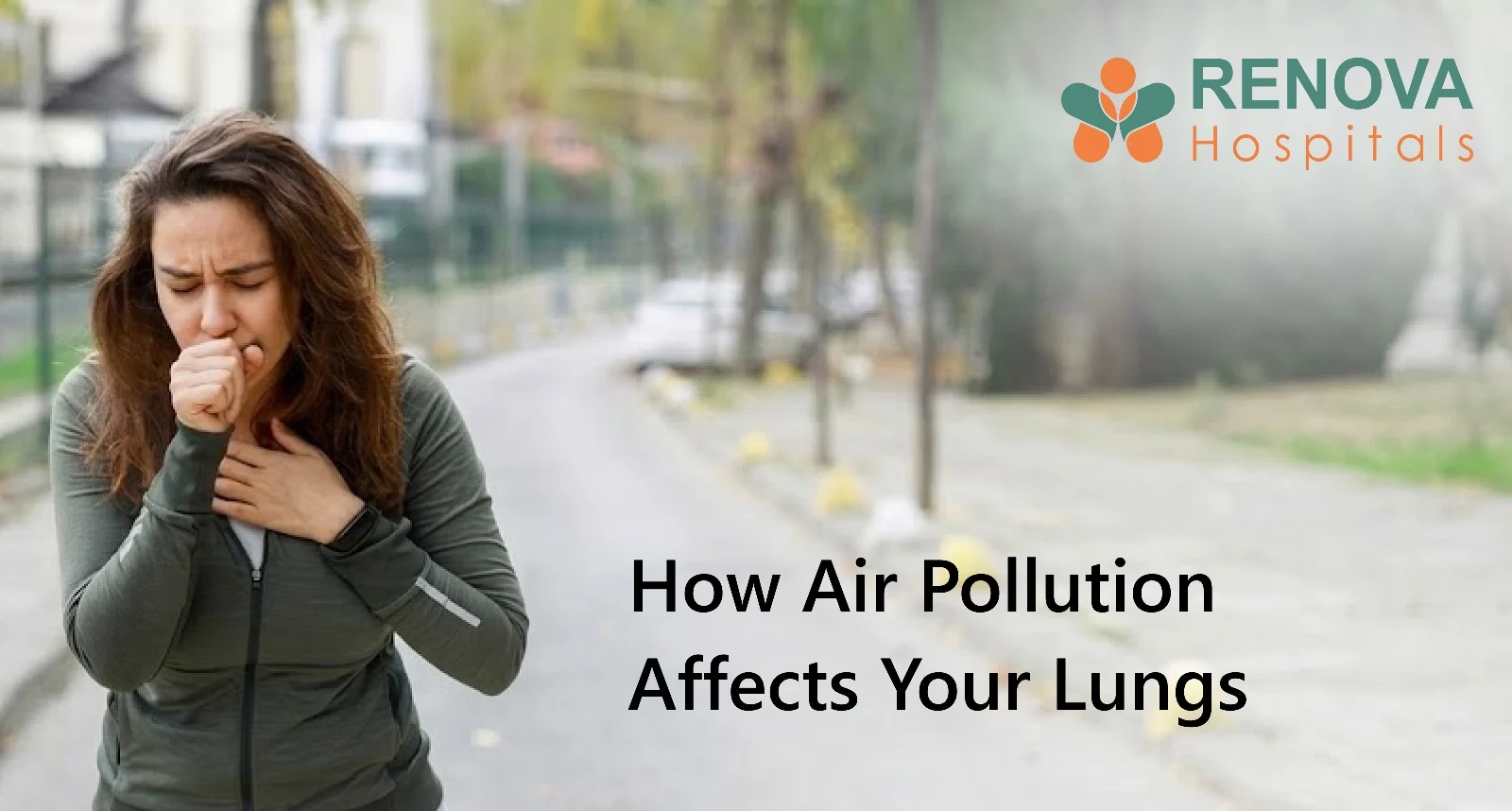
Air pollution is no longer just an environmental issue; it’s becoming a major health concern in India. Breathing polluted air regularly can gradually affect your lung health. In cities like Delhi, Hyderabad, Mumbai, and Kanpur, air quality often exceeds safe limits, prompting residents to become more aware and responsible for their environment and health.
The most common effects of air pollution on the
lungs include cough, breathlessness, and reduced lung function. Understanding how polluted air affects your lungs can help you take better care of your health.
Key Takeaways
- Air pollution affects the lungs in both the short term and long term
- Fine particles (PM2.5) can reach deep into the lungs and bloodstream
- It increases the risk of asthma, COPD, infections, and lung cancer
- Children, older adults, and urban populations in India are more affected
- Taking early precautions can help reduce health risks
What Is Air Pollution?
Air pollution refers to harmful particles and gases present in the air.
Major Pollutants Affecting Lung Health
- PM2.5 (fine particulate matter) – penetrates deep into the lungs
- PM10 – irritates the upper airways
- Nitrogen dioxide (NO₂) – from vehicles and industries
- Ozone (O₃) – causes airway irritation
- Sulfur dioxide (SO₂) – from industrial emissions
In India, pollution sources include:
- Vehicular emissions
- Construction dust
- Industrial pollution
- Crop burning
- Indoor pollution (biomass fuel, poor ventilation)
PM2.5 is considered one of the most harmful pollutants because it can reach the alveoli (air sacs) and even enter the bloodstream.
How Air Pollution Damages Your Lungs
When you breathe polluted air, these particles can travel deep into your
respiratory system.
Step-by-Step Damage Process
Inhalation
Fine particles bypass natural filters like the nose and throat
Deep Penetration
PM2.5 reaches the bronchioles and alveoli
Inflammation
Triggers an immune response, leading to swelling of the airways
Oxidative Stress
Damages lung cells and DNA
Long-Term Effects
Leads to chronic inflammation, reduced lung capacity, and respiratory diseases
This process gradually weakens the lungs, even if symptoms are not immediately noticeable.
Short-Term Effects of Air Pollution on Lungs
Even short exposure, such as a few hours or days, can affect your lungs.
Common Symptoms
- Persistent cough
- Throat irritation
- Wheezing
- Chest tightness
- Shortness of breath
- Increased mucus
Clinical Impact
- Temporary reduction in lung function
- Increased asthma attacks
- Higher risk of infections such as bronchitis and pneumonia
- More hospital visits during high pollution days
In Indian cities, pollution spikes during winter or festivals often lead to sudden increases in respiratory cases.
Long-Term Effects on Lung Health
Long-term exposure to polluted air can lead to lasting damage.
Major Long-Term Effects
1. Reduced Lung Capacity
Studies show reduced lung function (FEV1, FVC) in people living in polluted areas.
2. Chronic Inflammation
Leads to airway thickening and reduced oxygen exchange.
3. Faster Decline in Lung Function
Lung function may decline faster than normal, similar to accelerated ageing.
4. Increased Health Risks
Higher pollution levels are linked to increased risk of serious respiratory diseases and premature death.
Air Pollution and Lung Diseases in India
1. Asthma
- Pollution can trigger asthma attacks
- Increases the risk of developing asthma, especially in children
2. Chronic Obstructive Pulmonary Disease (COPD)
- India has a high burden of COPD
- Pollution contributes to disease progression
3. Respiratory Infections
- Weakens the lungs’ natural defence system
- Increases the risk of infections such as pneumonia and bronchitis
4. Lung Cancer
Air pollution is classified as a Group 1 carcinogen, similar to tobacco.
Even non-smokers in polluted cities may face an increased risk.
Why Air Pollution Is a Bigger Problem in India
India faces a dual burden of pollution:
1. Outdoor Pollution
- Traffic emissions
- Industrial waste
- Construction dust
2. Indoor Pollution
- Cooking with biomass fuel
- Poor ventilation
- Household smoke
This combination increases overall exposure significantly.
Who Is Most at Risk?
High-Risk Groups
- Children, as their lungs are still developing
- Elderly individuals
- People with asthma or COPD
- Outdoor workers
- Pregnant women
Children exposed to high levels of pollution may experience reduced lung growth, which can affect lifelong health.
Hidden Symptoms You Should Not Ignore
The effects of air pollution are not always immediately noticeable.
Early Warning Signs
- Persistent dry cough
- Breathlessness during routine activity
- Frequent throat irritation
- Reduced stamina
- Recurrent infections
If you experience symptoms such as a persistent cough, difficulty breathing, wheezing, or chest tightness for more than 2–3 weeks, it’s best to consult a doctor.
When Should You See a Doctor?
It’s best to consult a doctor if you experience:
- Continuous cough for more than 2 weeks
- Difficulty breathing
- Wheezing or chest tightness
- Frequent respiratory infections
For early diagnosis and personalised care, you can consult specialists at Renova Hospitals.
How to Protect Your Lungs from Air Pollution
While pollution cannot be completely avoided, certain steps can help reduce its impact.
Practical Prevention Tips
1. Monitor Air Quality (AQI)
Avoid outdoor activity when the AQI is high.
2. Use N95 Masks
Helps reduce inhalation of harmful particles.
3. Improve Indoor Air Quality
- Use air purifiers
- Ensure proper ventilation
- Avoid indoor smoke
4. Avoid Outdoor Exercise in High Pollution
Especially during early morning or late evening.
5. Stay Hydrated
Helps support overall respiratory health.
6. Regular Health Check-ups
Early detection helps prevent serious complications.
India-Specific Insights
- India has some of the world’s most polluted cities
- Air pollution contributes to over 1 million deaths annually
- Both rural and urban populations are affected
- Government initiatives are ongoing, but challenges remain
In cities like Hyderabad, rising pollution levels are making lung health awareness increasingly important.
Can Lung Damage from Pollution Be Reversed?
Some effects may be reversible, especially in the early stages.
What Helps
- Reduced exposure to pollution
- Healthy lifestyle habits
- Early treatment
- Regular medical monitoring
Recovery depends on the level and duration of exposure and individual health conditions. In some cases, long-term damage may not be fully reversible, highlighting the importance of prevention.
Conclusion
Take Action to Protect Your Lungs from Air Pollution
Air pollution is increasingly impacting lung health across India. While the effects may not always be immediately visible, long-term exposure can lead to serious respiratory conditions. Understanding the risks, recognising early symptoms, and taking preventive steps can make a meaningful difference.
If symptoms persist or if you live in a high-pollution area, it’s important not to ignore these signs. For expert respiratory care, advanced diagnostics, and personalised treatment, visit
Renova Hospitals.
Medical Disclaimer
This content is for general information only and should not be considered medical advice. Please consult a qualified doctor or visit
Renova Hospitals for proper diagnosis and treatment.
Air pollution can cause inflammation, reduce lung function, and increase the risk of respiratory diseases like asthma and COPD.