Heart attacks are increasingly being reported in younger adults. In India, more cases are now being seen in people under the age of 40, including individuals in their 20s and 30s. Recent studies suggest that nearly
1 in 5 heart attack cases now occur in younger individuals, highlighting a significant change in cardiovascular health trends.
Common early warning signs include chest discomfort, breathlessness, fatigue, and pain in the arm or jaw. Understanding why this is happening can help you take the right steps to prevent serious health complications among young Indians.
Key Takeaways
- Heart attacks are increasingly affecting Indians under 40
- Lifestyle, stress, and metabolic disorders are major contributors
- Genetic factors increase early risk in South Asians
- Many young individuals have undiagnosed risk factors
- Early detection and lifestyle changes can significantly reduce risk
How Common Are Heart Attacks in Young Indians?
Heart disease is becoming more common at a
younger age in India.
- Around 20% of heart attack patients are under 40
- Sudden cardiac deaths are rising in individuals aged 18โ45
- Many cases involve severe artery blockage (over 70%) even without prior symptoms
This trend shows that heart disease is no longer an age-related condition; it is increasingly lifestyle-driven.
Why Are Heart Attacks Increasing Among Indians Under 40?
Modern lifestyles have
changed significantly over the past two decades.
Key Contributing Factors
- Sedentary work culture
- High stress and work pressure
- Poor sleep patterns
- Increased consumption of processed and fast food
- Reduced physical activity
- Rising obesity and diabetes
These factors, combined with genetic predisposition, make young Indians more vulnerable.
Major Risk Factors Behind Early Heart Attacks
1. Obesity and Weight Gain
Excess body fat increases cholesterol, blood pressure, and insulin resistance.
2. Diabetes
India has a high prevalence of early-onset diabetes, which damages blood vessels over time.
3. High Blood Pressure
Often called a โsilent condition,โ it increases strain on the heart.
4. High Cholesterol
Leads to plaque buildup in arteries, restricting blood flow.
5. Smoking and Tobacco Use
A major trigger for premature heart disease.
6. Unhealthy Diet
High sugar, salt, and trans fats accelerate heart damage.
7. Alcohol Consumption
Excessive intake weakens the heart and increases blood pressure.
Genetic Risk in Indians: Why It Matters More
South Asians, including Indians, are genetically more prone to heart disease.
- Higher tendency for visceral fat accumulation
- Greater risk of diabetes at lower BMI levels
- Family history significantly increases early heart attack risk
Even individuals who appear healthy may have underlying genetic risk.
Metabolic and Hidden Risk Factors
Rising Trends in India
- Obesity has doubled in recent years
- Blood sugar levels are increasing across age groups
- Hypertension is becoming more common
These conditions often go undiagnosed, creating a โsilent riskโ for heart attacks.
Lifestyle Triggers That Are Damaging Young Hearts
1. Sedentary Lifestyle
Long sitting hours reduce cardiovascular fitness.
2. Chronic Stress
Stress hormones increase blood pressure and inflammation.
3. Poor Sleep
Sleep deprivation disrupts heart function and metabolism.
4. Irregular Eating Habits
Skipping meals and relying on processed foods harms heart health.
5. Unsafe Fitness Practices
Use of unregulated supplements or extreme workouts may increase risk.
Emerging Risk Factors in India
1. Post-COVID Effects
Some studies suggest prolonged inflammation may increase heart risk.
2. Air Pollution
Fine particles (PM2.5) can enter the bloodstream and contribute to plaque formation.
3. Undiagnosed Blockages
Many young individuals have silent coronary artery disease without symptoms.
Warning Signs Young Adults Often Ignore
Heart attack symptoms in younger individuals are often mistaken for less serious issues.
Common Symptoms
- Chest pressure or discomfort
- Pain in the arm, back, or jaw
- Shortness of breath
- Dizziness or fatigue
- Nausea or an indigestion-like feeling
- Sudden sweating
Ignoring these signs can delay treatment and increase risk.
Heart Attack vs Sudden Cardiac Arrest: Know the Difference
- Heart Attack: Caused by a blockage in the blood flow to the heart
- Cardiac Arrest: Caused by sudden electrical failure of the heart
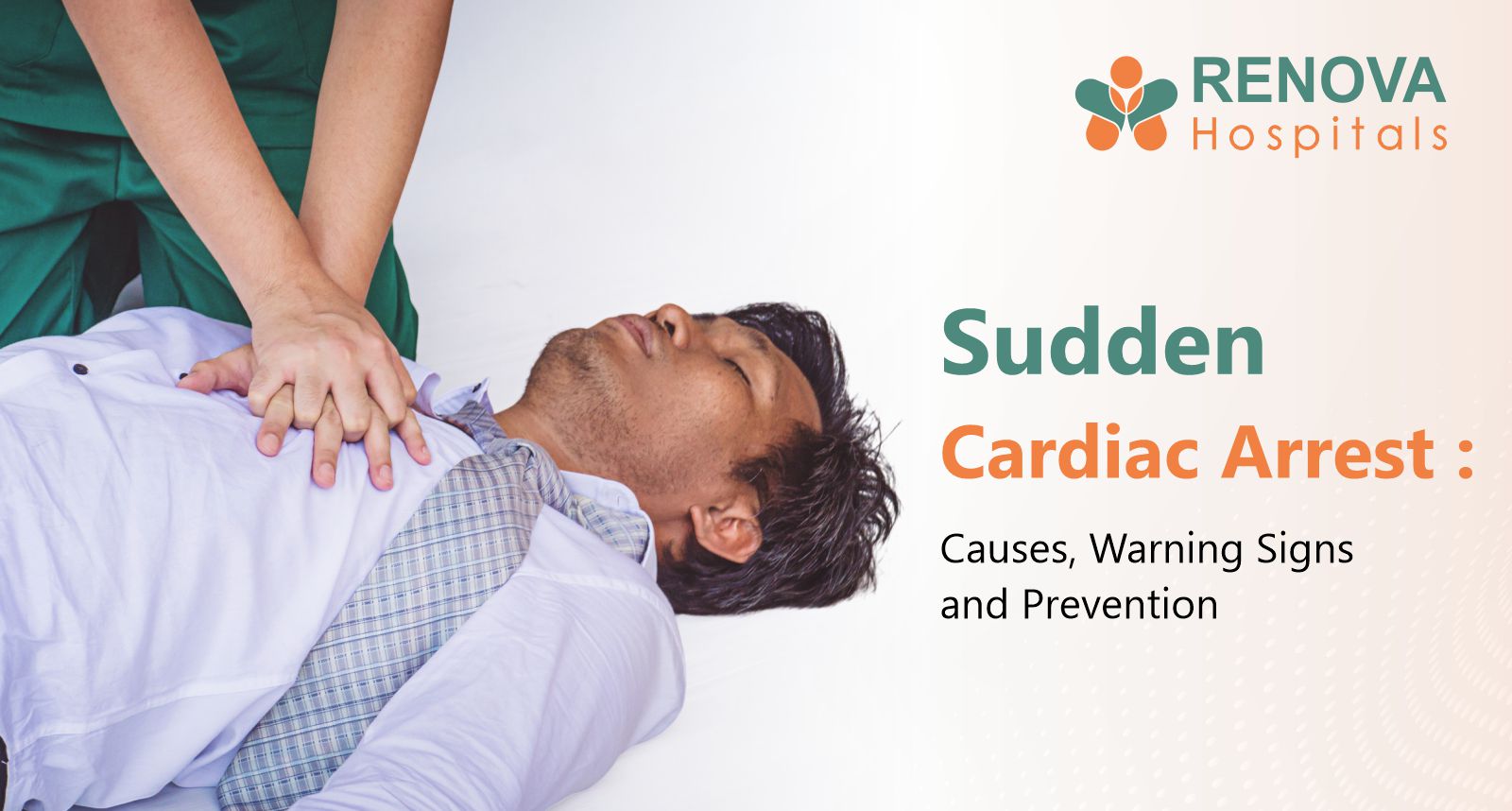
Both are medical emergencies, but cardiac arrest requires immediate CPR and defibrillation.
How Stress, Diet, and Work Habits Are Increasing Risk
Modern work culture plays a significant role:
- Long working hours and screen time
- Job pressure and lack of work-life balance
- Poor dietary choices
- Lack of regular physical activity
These factors create a combination of stress, inflammation, and metabolic imbalance.
Can Heart Attacks in Young People Be Prevented?
Yes, most risk factors are preventable with lifestyle changes.
Prevention Strategies
- Exercise for at least 30 minutes daily
- Eat a balanced diet rich in fruits, vegetables, and whole grains
- Monitor blood pressure, sugar, and cholesterol
- Avoid tobacco and limit alcohol
- Manage stress through meditation or physical activity
- Maintain a healthy sleep schedule
Importance of Early Screening
Early detection is key, especially for those with a family history.
Recommended Tests
- Blood pressure check
- Blood sugar levels
- Lipid profile
- ECG or cardiac evaluation
Treatment and Modern Cardiac Care Options
Advances in cardiology allow effective early treatment:
- Drug-eluting stents for blocked arteries
- Minimally invasive cardiac procedures
- Lifestyle-based cardiac rehabilitation
For expert evaluation and advanced cardiac care, consult specialists at Renova Hospitals.
Take Action to Protect Your Heart Early
Heart attacks in young Indians are rising, but most risk factors are preventable. Making small but consistent changes, like staying active, eating better, managing stress, and getting regular health check-ups, can significantly reduce your risk.
If you experience warning signs or have risk factors, it is important not to delay medical consultation. For comprehensive heart care, early diagnosis, and personalised treatment, visit
Renova Hospitals.
Medical Disclaimer