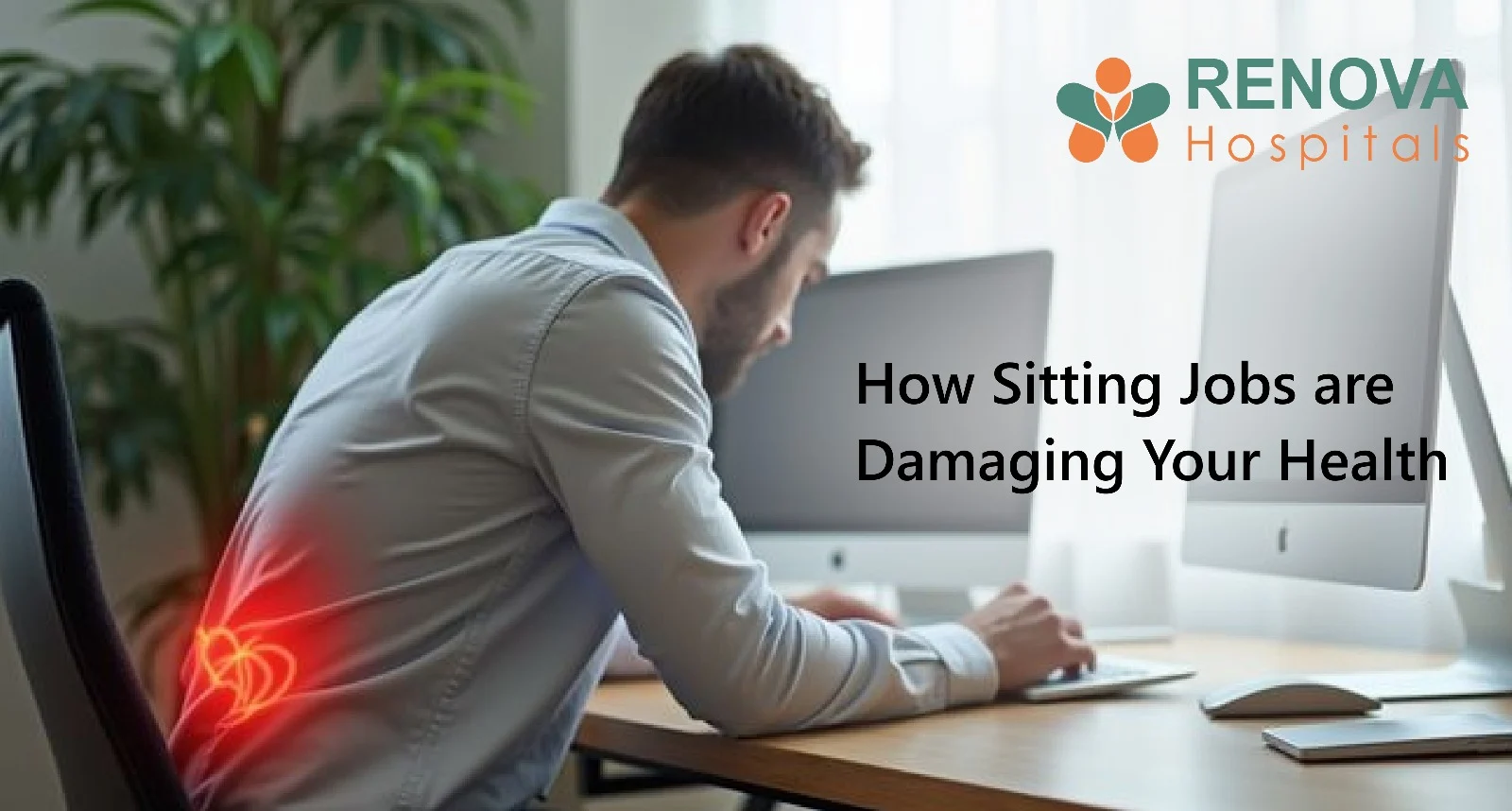
In India, especially in cities like Hyderabad, Bengaluru, and Mumbai, office professionals spend 6–8 hours sitting daily, increasing the risk of chronic diseases, poor posture, and long-term health complications. What makes this even more alarming is that most people are completely unaware of the damage accumulating inside their bodies every single working day.
Understanding how sitting jobs affect your health can help you take timely action and prevent serious conditions.
Key Takeaways
- Office workers spend up to 80% of their workday sitting
- Prolonged sitting increases the risk of diabetes, heart disease, and obesity
- Neck pain (53%), lower back pain (53%), and shoulder pain (51%) are the most common
- Sitting more than 6 hours daily is linked to a higher mortality risk
- Regular movement and ergonomic changes can significantly reduce health risks
- Young Indian professionals aged 25–40 are increasingly being diagnosed with lifestyle diseases
- Early intervention and awareness can reverse most sitting-related damage before it becomes permanent
Modern work culture has shifted drastically from active jobs to desk-based roles. Whether you're working in IT, corporate offices, or even from home, prolonged sitting has become a daily routine. The rise of digital technology and the explosion of knowledge-based industries have fundamentally transformed how Indians earn their livelihood, replacing physical labour with screen time and movement with stillness.
But here's the reality: Sitting for long hours is now considered a major health risk, almost as harmful as smoking.
What Is a Sedentary Lifestyle?
A
sedentary lifestyle refers to activities that involve very low energy expenditure, typically while sitting or lying down. It does not just mean being physically inactive after work—it includes every hour spent seated during commutes, desk work, meals, and evening screen time. When these hours are added together, most urban professionals spend more than 10 hours a day in sedentary work.
Common Sedentary Activities
- Desk jobs and office work
- Working on laptops or computers
- Watching TV or using a mobile
- Driving for long hours
- Attending back-to-back virtual meetings
- Scrolling through social media during breaks
Medical Definition: Any activity with ≤1.5 METs (Metabolic Equivalent of Task) while sitting is considered sedentary.
Why Sitting Jobs Are Increasing in India
India is witnessing a massive shift toward desk-based work due to:
- IT and corporate sector growth
- Work-from-home culture
- Increased screen time
- Reduced physical labour
- Rapid urbanisation is drawing workers from physically active rural jobs into office-based roles in cities.
- The gig economy is creating new categories of sedentary freelance and remote work.
Studies show that over 70–80% of office work hours are spent sitting, making it one of the biggest hidden health risks today. The work-from-home culture, which became widespread and is now permanent for many organisations, has made things considerably worse without the incidental movement of commuting, walking to meeting rooms, or visiting colleagues; many professionals now sit for even longer without realising it.
How Prolonged Sitting Damages Your Body
When you
sit for long hours, your body undergoes several harmful changes. These changes are gradual, often invisible, and cumulative, building up over months and years until they manifest as pain, disease, or reduced quality of life.
Step-by-Step Impact on the Body
1. Reduced Muscle Activity
- Muscles, especially in the legs and core, become inactive
- Glutes, hip flexors, and abdominal muscles weaken steadily over time
- Weakened core muscles fail to support the spine, accelerating postural damage
2. Slowed Metabolism
- Fat burning decreases, leading to weight gain
- The enzyme responsible for breaking down fat in the bloodstream becomes significantly less active
- Even people with a healthy diet can gain weight as the body processes calories less efficiently
3. Poor Blood Circulation
- Blood flow slows down, increasing cardiovascular risk
- Sitting compresses veins in the legs, reducing blood return to the heart
- It can lead to swelling, varicose veins, and, in severe cases, deep vein thrombosis
4. Insulin Resistance
- Raises blood sugar levels → increases diabetes risk
- Inactive muscles absorb glucose from the bloodstream less efficiently
- Over time, the pancreas is overworked,d and insulin sensitivity declines significantly
5. Inflammation
- Triggers chronic diseases over time
- Prolonged inactivity promotes low-grade systemic inflammation throughout the body
- Chronic inflammation is a known root cause of heart disease, cancer, and autoimmune conditions
Short-Term Effects of Sitting Jobs
Even a few days of prolonged sitting can affect your body.
Common Symptoms
- Neck stiffness
- Lower back pain
- Shoulder tightness
- Eye strain
- Fatigue and low energy
- Difficulty concentrating or staying mentally alert
- Feeling sluggish even after a full night's sleep
Workplace Impact
- 73% of employees report daytime exhaustion
- Reduced productivity and focus
- Increased errors and job dissatisfaction
- Higher rates of absenteeism among sedentary workers
- Decline in creativity and problem-solving ability throughout the day
Long-Term Health Risks of Sitting Jobs
1. Musculoskeletal Disorders
- Neck pain – 53.5%
- Lower back pain – 53.2%
- Shoulder pain – 51.6%
Caused by
- Poor posture
- Lack of movement
- Improper workstation setup
- Prolonged screen time at incorrect angles
- Repetitive strain from typing and mouse use without adequate support
2. Heart Disease & Hypertension
- Sitting increases the risk of high blood pressure
- Reduces heart efficiency
- Associated with cardiovascular disease
- People who sit for more than 8 hours daily have a significantly elevated risk of heart disease
- The damage caused during long sitting hours cannot be fully reversed by short exercise sessions alone
3. Type 2 Diabetes
- Each 2-hour increase in sitting raises diabetes risk by 7%
- Reduces insulin sensitivity
- India already carries one of the highest diabetes burdens in the world, and a sedentary work culture is accelerating this crisis
- Young professionals in their 20s and 30s are being diagnosed at unprecedented rates
4. Obesity & Weight Gain
- A decrease of ~100 calories burned per day in modern jobs
- Leads to fat accumulation
- The calorie gap between active and sedentary jobs can translate to several kilograms of weight gain every year
- Obesity compounds the risk of virtually every other sitting-related health condition
5. Increased Cancer Risk
Sedentary lifestyle is linked to:
- Colon cancer
- Breast cancer
- Prostate cancer
- Elevated insulin levels, chronic inflammation, and altered hormone levels create conditions in which cancer cells are more likely to develop
- Research continues to strengthen the connection between physical inactivity and multiple cancer types
6. Mental Health Issues
- Stress and burnout
- Anxiety and depression
- Reduced job satisfaction
- Prolonged sitting reduces the production of mood-regulating chemicals like serotonin and dopamine
- The mental health crisis among young urban professionals in India is closely connected to sedentary work demands
7. Increased Risk of Early Death
- Sitting long hours increases mortality risk by 1.4 times
- WHO estimates 3.2 million deaths annually due to inactivity
- The average age of diagnosis for lifestyle diseases is falling sharply among India's desk-based workforce
Why Sitting Jobs Are a Bigger Concern in India
India faces a dual lifestyle risk:
1. Long Working Hours
- Many professionals work 8–10 hours daily
- Indian work culture often celebrates long hours at the desk as a sign of dedication and productivity.
- Lunch and movement breaks are frequently skipped under pressure to meet deadlines.
2. Low Physical Activity
- Limited exercise due to busy schedules
- Many professionals leave the office too tired to exercise consistently
- Weekend-only activity does not adequately compensate for five days of inactivity
3. Urban Lifestyle
- Traffic → less walking
- Screen-based entertainment
- Dense city living reduces access to parks, open spaces, and safe walking environments
- Evening routines dominated by mobile and TV usage extend sedentary time well beyond office hours
This combination significantly increases long-term health risks.
Who Is Most at Risk?
High-Risk Groups
- IT professionals
- Corporate employees
- Call center workers
- Work-from-home professionals
- Drivers and desk-based jobs
- Students in online education programmes
- Freelancers and content creators working from home setups
Additional Risk Factors
- Lack of exercise
- Obesity
- Poor ergonomics
- High-stress work environments that discourage breaks
- History of musculoskeletal conditions
Hidden Symptoms You Should Not Ignore
Sitting-related damage is often silent. Many people dismiss early warning signs as normal tiredness or ageing, not realising their body is sending important signals that require attention.
Early Warning Signs
- Persistent back or neck pain
- Frequent headaches
- Low energy levels
- Weight gain despite a normal diet
- Reduced stamina
- Difficulty maintaining concentration for long periods
- Tightness or discomfort in the hips and thighs after long sitting sessions
When Should You See a Doctor?
Consult a doctor if you experience:
- Chronic back or neck pain
- Tingling or numbness
- Persistent fatigue
- High blood pressure
- Sudden weight gain
- Recurring headaches with no clear cause
- Swelling or discomfort in the legs after prolonged sitting
For expert diagnosis and treatment, consult specialists at Renova Hospitals
How to Reduce the Health Risks of Sitting Jobs
Practical Prevention Tips
1. Follow the 30–30 Rule
- Stand or move every 30 minutes
- Set a timer or use a reminder app if needed
- Even standing in place for two minutes provides a measurable metabolic benefit.
2. Use Ergonomic Workstations
- Proper chair support
- Screen at eye level
- Wrists should be straight and elbows at a 90-degree angle while typing
- Feet should rest flat on the floor or a footrest
3. Try Sit-Stand Desks
- Can reduce sitting time by 40–140 minutes daily
- Alternating between sitting and standing maintains better circulation and posture
- Many affordable options are now available for home office setups in India
4. Take Active Breaks
- Walk during calls
- Stretch every hour
- Use stairs instead of lifts whenever possible
- Walk to a colleague's desk instead of sending a message
5. Exercise Regularly
- At least 150 minutes/week
- Include a mix of cardio, strength training, and flexibility exercises
- Even a 20-minute brisk walk daily creates measurable improvements in metabolic health
6. Improve Posture
- Keep your back straight
- Avoid slouching
- Roll your shoulders back and keep your chin slightly tucked to reduce neck strain
- Use lumbar support cushions if your chair does not provide adequate lower back support
7. Stay Hydrated
- Encourages frequent movement
- Drinking sufficient water naturally prompts regular trips to the water cooler or washroom, breaking sitting time
- Aim for at least 2.5–3 litres of water daily during working hours
Role of Active Workstations
Modern workplaces are adopting:
- Standing desks
- Walking workstations
- Cycling desks
- Balance board platforms that encourage micro-movements throughout the day
Can the Effects of Sitting Be Reversed?
Yes, especially in the early stages.
What Helps
- Regular physical activity
- Reducing sitting time
- Weight management
- Proper posture
- Physiotherapy for existing musculoskeletal damage
- Dietary adjustments to address metabolic changes caused by prolonged inactivity
However, long-term damage may not be fully reversible, making prevention crucial. The sooner lifestyle changes are made, the better the outcome. Most early-stage conditions respond well to consistent movement, ergonomic corrections, and medical guidance.
Take Control Before Sitting Becomes a Health Risk
Sitting jobs may seem harmless, but prolonged inactivity can silently damage your body over time. From back pain to heart disease, the risks are real and growing, especially in India's urban workforce.The good news? Simple changes like regular movement, better posture, and workplace adjustments can make a significant difference.
If you are experiencing symptoms or want preventive care, consult experts at Renova Hospitals for personalized guidance and treatment.
Medical Disclaimer
This content is for general informational purposes only and should not be considered medical advice. Please consult a qualified doctor for proper diagnosis and treatment.