Every year on March 16, India observes
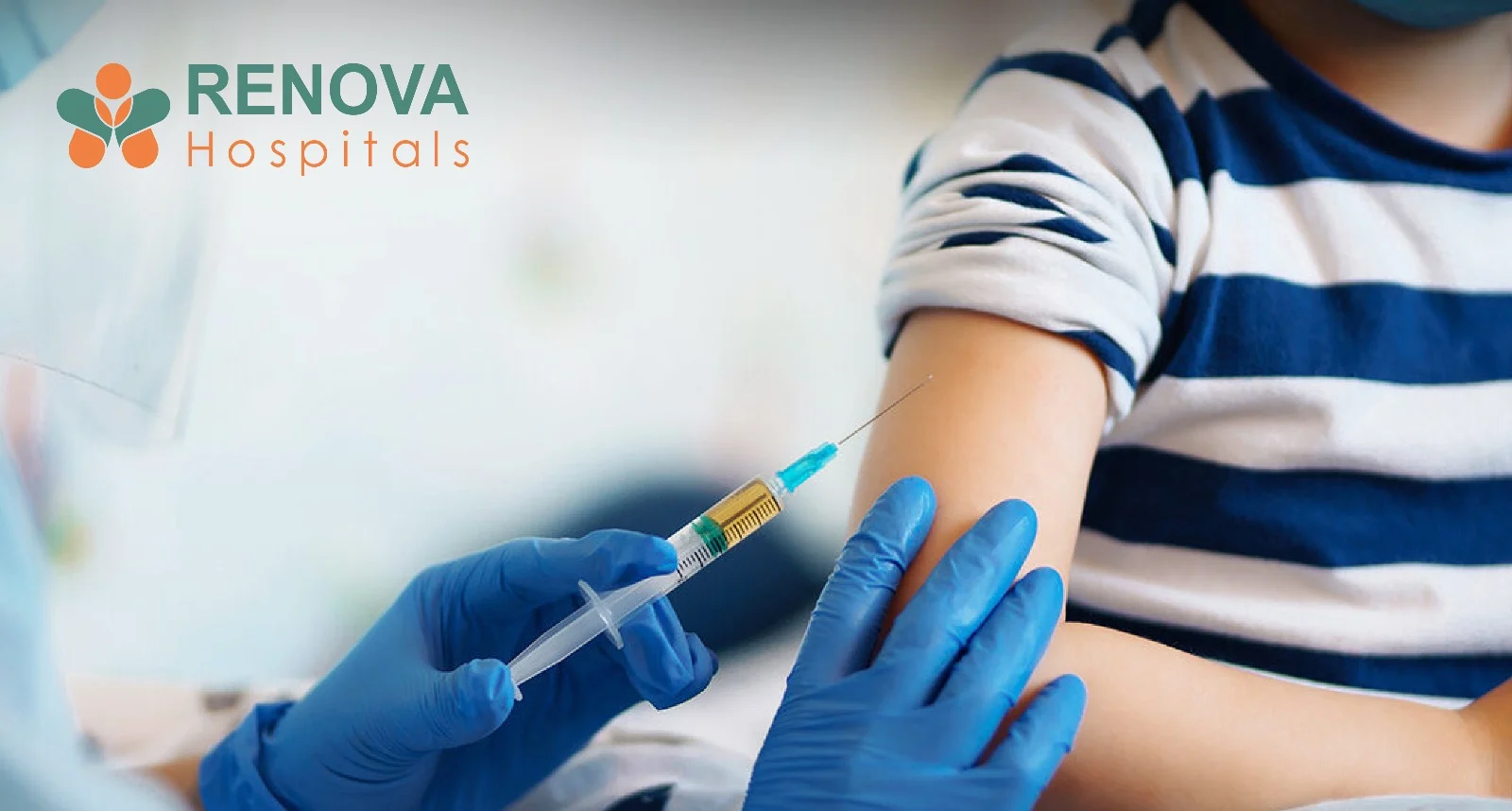
National Vaccination Day to highlight the important role vaccines play in protecting public health. While vaccination campaigns in India have traditionally focused on children, adult immunisation remains one of the most overlooked areas of preventive healthcare.
In 2026, the theme โImmunisation for All is Humanly Possibleโ highlights the importance of protecting people at every stage of life. Recent medical guidelines emphasise the concept of life-course vaccination, meaning vaccines are not just for childhood; they are essential throughout adulthood as well.
At
Renova Hospitals, preventive care and patient awareness are key priorities. On National Vaccination Day 2026, it is important to understand which vaccines adults still need and why they matter more than ever.
Key Takeaways
- Vaccination is a lifelong process: immunity from childhood vaccines can decrease over time.
- Many important vaccines are overlooked: Flu, Tdap, Hepatitis B, HPV, pneumococcal, and shingles vaccines are commonly recommended for adults.
- National Vaccination Day (March 16) raises awareness about the importance of immunisation in India.
- 2026 guidelines promote life-course immunisation based on age, health conditions, and risk factors.
- Adult vaccination protects communities by preventing serious diseases and reducing outbreaks.
What is National Vaccination Day in India?
National Vaccination Day is observed annually on March 16 to commemorate the launch of Indiaโs Pulse Polio Immunisation Programme in 1995, one of the largest public health campaigns in history.
The initiative marked the beginning of nationwide efforts to protect children from polio, a highly contagious viral disease that can cause permanent paralysis. Through sustained vaccination drives, community participation, and government commitment, India achieved a historic milestone in 2014, being declared polio-free.
Today, National Vaccination Day serves a broader purpose:
- Promoting awareness about vaccines and immunisation
- Encouraging preventive healthcare practices
- Addressing vaccine hesitancy and misinformation
- Expanding the focus from childhood vaccines to adult vaccination
In India, vaccination awareness activities often include health camps, educational sessions, and community outreach programmes, reminding citizens that vaccines are among the most effective tools for disease prevention.
Why Adult Vaccination Is Often Overlooked
Many people assume that once childhood vaccinations are complete, immunisation is no longer necessary. However, medical evidence shows that immunity can decrease over time, leaving adults vulnerable to infections. In India, studies suggest that adult vaccination coverage is still below 2%, highlighting a major gap in preventive healthcare.
Several factors explain this gap in adult vaccination coverage:
1. Lack of Awareness
Most vaccination campaigns focus on children, leaving adults unaware of booster doses or recommended vaccines.
2. Waning Immunity
Protection from vaccines received during childhood can decrease over time, requiring booster shots later in life.
3. Changing Health Risks
As people age, they may develop conditions such as diabetes, heart disease, or weakened immunity, increasing susceptibility to infections.
4. Travel and Lifestyle Factors
Frequent travel, occupational exposure, and lifestyle habits can increase the risk of vaccine-preventable diseases.
This is why experts now promote life-course immunisation to ensure protection against infections throughout adulthood.
Adult Vaccines You Might Not Know You Need
According to the Indian Consensus
Guidelines on Adult Immunisation 2026, adults should receive certain vaccines depending on their age, health status, and risk factors.
Below are some important vaccines adults should consider.
1. Influenza Vaccine (Annual Flu Shot)
Annual influenza vaccination is recommended for:
- Adults above 50 years
- Individuals with diabetes, asthma, or heart disease
- Healthcare workers
- Pregnant women
Influenza is often underestimated as a mild illness, but influenza can cause severe complications and hospitalisation, particularly in older adults. Annual vaccination helps reduce the risk of serious respiratory infections and complications.
2. Tdap or Td Vaccine (Tetanus, Diphtheria, Pertussis)
Adults should receive:
- One dose of Tdap
- Td booster every 10 years
This vaccine protects against:
- Tetanus
- Diphtheria
- Pertussis (whooping cough)
Pertussis infections are increasing among adults, and infected adults can unknowingly transmit the disease to infants and elderly family members.
3. Hepatitis B Vaccine
Hepatitis B is a major cause of chronic liver disease and liver cancer in India.
Vaccination is recommended for:
- Adults who were not vaccinated in childhood
- Healthcare workers
- Individuals with diabetes
- People with liver disease
The standard schedule includes three doses given over six months (0, 1, and 6 months).
4. Pneumococcal Vaccine (PCV20)
One of the major updates in the 2026 immunisation guidelines is the recommendation of PCV20, a single-dose vaccine that protects against multiple strains of pneumococcal bacteria.
It is recommended for:
- Adults 65 years and older
- Adults with chronic diseases or weakened immunity
Pneumococcal infections can cause:
- Pneumonia
- Meningitis
- Bloodstream infections
Vaccination significantly reduces the risk of severe pneumonia and hospitalisation.
5. HPV Vaccine (Human Papillomavirus)
HPV vaccination is widely known for preventing cervical cancer in women, but it is also important for men.
Updated recommendations suggest:
- Vaccination for women up to 45 years
- Vaccination for men up to 26 years (and higher-risk groups up to 45 years)
HPV vaccination helps prevent several cancers, including:
- Cervical cancer
- Oral cancer
- Anal cancer
- Oropharyngeal cancer
Experts now consider HPV vaccination an important preventive oncology strategy.
6. Shingles Vaccine (Herpes Zoster Vaccine)
Shingles occurs when the varicella-zoster virus, which causes chickenpox, becomes active again later in life.
The recombinant zoster vaccine (RZV) is recommended for:
- Adults aged 50 and above
- Immunocompromised individuals aged 18 and above
The vaccine is given in two doses, 2โ6 months apart.
Vaccination helps prevent painful nerve complications known as postherpetic neuralgia, which can significantly impact quality of life.
7. MMR Vaccine (Measles, Mumps, Rubella)
Adults born after 1969 who are unsure of their vaccination status may need 1 or 2 doses of the MMR vaccine. Outbreaks of measles and mumps have been reported among unvaccinated adults, especially in crowded environments.
8. Varicella Vaccine (Chickenpox)
Adults who have never had chickenpox or were never vaccinated should receive:
- Two doses of the varicella vaccine, 4โ8 weeks apart.
Chickenpox can be much more severe in adults than in children and may cause complications such as pneumonia.
9. Typhoid Vaccine
In countries like India, where typhoid fever remains endemic, vaccination may be recommended for:
- Frequent travelers
- People living in high-risk areas
A booster is usually recommended every three years.
10. COVID-19 Booster Vaccines
Although many individuals completed their primary COVID-19 vaccination series, booster doses remain important, especially with emerging variants. Health authorities recommend boosters based on age, risk factors, and time since the last dose.
Major Updates in Adult Immunisation Guidelines (2026)
The 2026 Indian Consensus Guidelines on
Adult Immunisation mark a shift toward a more structured approach to preventive healthcare.
Key updates include:
Life-Course Immunisation
Vaccination is now recommended across different age groups and risk profiles, rather than focusing only on children.
Simplified Pneumococcal Protection
The introduction of PCV20 simplifies pneumococcal vaccination by offering broad coverage with a single dose.
Expanded HPV Vaccination
The updated guidelines recommend gender-neutral HPV vaccination, expanding protection against multiple cancers.
Stronger Protection for Immunocompromised Adults
Vaccines such as the shingles vaccine (RZV) are now recommended for adults with conditions such as:
- Cancer
- Chronic kidney disease
- Cardiovascular disease
- Organ transplants
Adult Immunisation Records
Experts now recommend maintaining adult vaccination cards or digital records to track immunisation status.
Why Adult Vaccination Matters for Public Health
Vaccination protects both individuals and the wider community.
When more people are vaccinated, herd immunity reduces the spread of infectious diseases, protecting vulnerable groups such as:
- Infants
- Pregnant women
- Elderly individuals
- Immunocompromised patients
Vaccination also reduces:
- Hospitalisation rates
- Healthcare costs
- Disease outbreaks
In urban centres like Hyderabad, where population density is high, preventive strategies such as vaccination play an important role in maintaining community health.
Where Adults Can Get Vaccinated in India
Adult vaccines are available at:
- Government vaccination centres
- Private hospitals and clinics
- Corporate health programmes
Many vaccines are offered through national immunisation initiatives, while others are available through private healthcare providers. At Renova Hospitals, patients can consult specialists for guidance on vaccination based on their age, medical history, and risk factors.
The Way Forward: Building a Culture of Life-Long Immunisation
National Vaccination Day reminds us that preventive healthcare saves lives. Indiaโs success in eliminating polio demonstrates what is possible when communities, healthcare professionals, and policymakers work together.
However, the next challenge is ensuring that adult vaccination becomes part of routine healthcare practice. Greater awareness, improved access, and stronger healthcare systems will help India move toward a future where
vaccine-preventable diseases are significantly reduced across all age groups.
Conclusion
National Vaccination Day 2026 provides an opportunity to reflect on the impact of vaccination programmes in India and the importance of preventive healthcare. While childhood vaccination programmes in India have been highly successful, adult immunisation remains a crucial but underutilised opportunity to protect public health.
By staying informed about recommended vaccines and consulting healthcare professionals regularly, adults can take an important step toward safeguarding their own health and the health of their communities. At Renova Hospitals, we encourage individuals and families to view vaccination as an ongoing part of preventive healthcare.
Medical Disclaimer:
This article is for informational and educational purposes only and should not be considered medical advice. Please consult a qualified healthcare professional for personalised medical guidance regarding vaccinations or health concerns.