HomeBlogsLaminectomy & Discectomy: A Comprehensive Guide to Relieving Nerve Compression
By Dr. Srinivas Thankari
April 14, 2026
Laminectomy & Discectomy: A Comprehensive Guide to Relieving Nerve Compression
Laminectomy and discectomy are surgical procedures used to relieve nerve compression in the spine.
A laminectomy removes part of the vertebral bone to widen the spinal canal, while a discectomy removes a herniated disc pressing on a nerve. Together, they are among the most effective treatments for conditions like spinal stenosis, slipped discs, and sciatica, offering lasting relief when physiotherapy and medications have failed.
Key Takeaways:
Laminectomy and discectomy relieve nerve compression, which is a major cause of chronic back and leg pain.
They are recommended only when conservative treatments fail, especially in conditions like herniated discs or spinal stenosis.
Both procedures target the root cause, not just symptoms, leading to long-term relief and improved mobility.
Recovery depends on proper rehabilitation, including physiotherapy and lifestyle changes.
Early intervention can prevent permanent nerve damage, making timely specialist consultation crucial.
When a herniated disc or narrowed spinal canal compresses a nerve, the result can be relentless pain, weakness, or numbness that no amount of conservative care can resolve. That is where laminectomy and discectomy come in, two of the most effective surgical procedures for treating the root cause of nerve compression and restoring quality of life.
Understanding Nerve Compression in the Spine
The spine is made up of 33 vertebrae, 23 intervertebral discs that cushion movement, and a network of nerves branching from the spinal cord to every part of the body. When any of these structures deteriorate, shift, or are injured, they can press against nearby nerves โ and the results can range from mild discomfort to life-altering disability.
Nerve compression typically presents as one or more of the following:
Persistent back or neck pain that worsens with activity or sitting for long periods
Radiating pain travelling down the arm or leg, the classic symptom of sciatica
Numbness, tingling, or a burning sensation in the extremities
Progressive muscle weakness or difficulty with grip strength
In severe cases, loss of bladder or bowel control is a medical emergency
When four to six weeks of physiotherapy, anti-inflammatory medications, and other conservative treatments fail to bring meaningful relief, surgical evaluation becomes the logical and necessary next step.
What is a Laminectomy?
A laminectomy involves removing the lamina, the back portion of a vertebra, to create more space within the spinal canal. Think of it as opening a window in a wall that has become too narrow: by removing bone that is pressing on the nerves, the procedure directly relieves compression and allows the nerves to function normally again.
It is most commonly used to treat spinal stenosis, in which the canal narrows due to ageing, bone spurs, or thickened ligaments. It is also performed for spondylolisthesis (vertebral slippage) and structural compression caused by spinal tumours or injuries.
At Renova Hospitals, minimally invasive laminectomy is available for suitable candidates using smaller incisions, less tissue disruption, and significantly faster recovery compared to traditional open surgery.
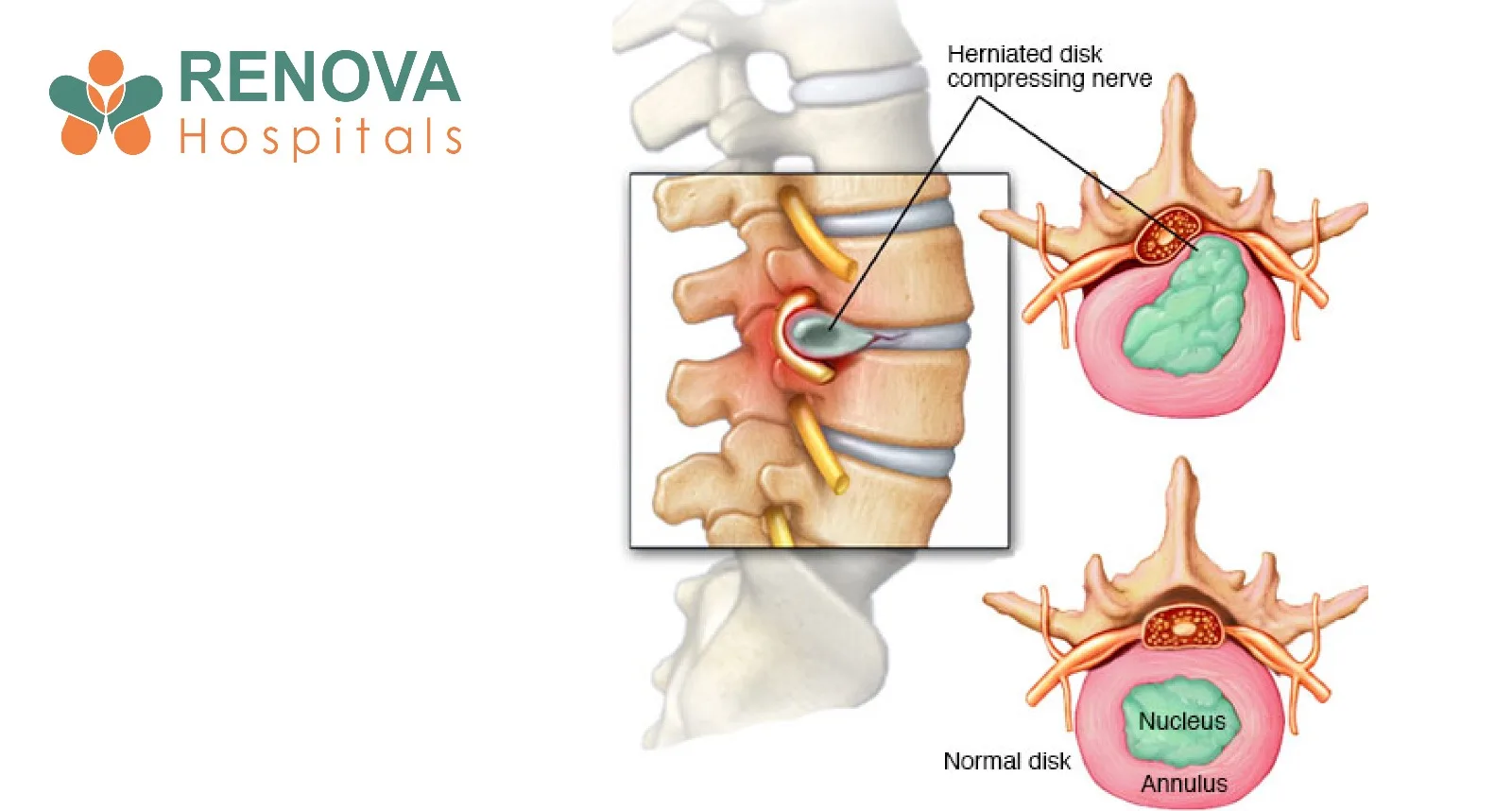
A discectomy removes the herniated or damaged portion of a spinal disc that is pressing on a nerve root or the spinal cord. Unlike a laminectomy, which addresses bone-related narrowing, a discectomy targets the soft disc material that has pushed out of place.
It is the procedure of choice for:
Herniated or slipped discs in the cervical, thoracic, or lumbar spine
Sciatic nerve pain radiating from the lower back into the leg
Sensation loss or muscle weakness caused by ongoing nerve compression
Preventing permanent neurological damage from a long-standing herniation
Microdiscectomy, the minimally invasive version, is now considered the gold standard for lumbar disc herniation. It uses a tiny incision and microscopic precision, allowing most patients to walk within hours of surgery and return home the following day.
Who Needs These Procedures?
Surgery is not the first option, but for the right patient at the right time, it is often the most effective one. Laminectomy and discectomy are typically recommended in the following situations:
Herniated disc: When a bulging disc fragment is pressing on a nerve and causing radiating pain, weakness, or numbness unresponsive to physiotherapy
Spinal stenosis: When narrowing of the spinal canal causes pain, cramping, or difficulty walking, especially in older patients
Degenerative disc disease: When age-related disc breakdown leads to chronic inflammation and nerve irritation beyond what conservative care can manage
Spondylolisthesis: When vertebral slippage compresses nerves and causes significant functional limitation
Spinal tumours or injuries: When structural compression requires urgent decompression to protect neurological function
If symptoms have not improved after 4 to 6 weeks of consistent conservative treatment, or if neurological symptoms are worsening, it is time to consult a spine specialist.
Every surgical recommendation at Renova Hospitals begins with a thorough assessment. This includes MRI scans for detailed soft tissue and nerve visualisation, CT scans for bone structure, X-rays for alignment, and a full neurological examination covering strength, reflexes, and sensation. Symptom history and functional impact are carefully reviewed before any decision is made.
2. The Surgical Technique
Laminectomy removes the lamina to widen the spinal canal. Discectomy removes the herniated disc fragment pressing on the nerve. In many patients, both are performed together during the same procedure for comprehensive decompression. Minimally invasive approaches use small incisions and magnification, reducing blood loss, post-operative pain, and time in hospital.
3. Recovery
Recovery is structured and progressive. Most patients are walking within 24 hours of surgery. A personalised rehabilitation plan begins within the first few days, covering:
Weeks 1โ2: Discharge, wound care, gentle mobility exercises
Weeks 2โ6: Progressive physiotherapy, core strengthening and posture correction
Weeks 6โ12: Return to work (desk roles sooner; physical work with guidance), full daily activities
3 months and beyond: Most patients report sustained pain relief and markedly improved function
Benefits of Laminectomy and Discectomy
These procedures do not just reduce pain, they address the structural cause of it. The benefits go well beyond the operating table:
Significant and lasting relief from chronic back, neck, and leg pain
Restored nerve function, improved sensation and motor strength
Greater mobility and ability to return to normal daily life
Prevention of permanent neurological damage
Better sleep, mental wellbeing, and overall quality of life
Minimally invasive options available at Renova Hospitals with shorter hospital stays
What the Research Says
The scale of spinal disease is enormous. According to a global burden of disease study published in The Lancet, spinal conditions are far more widespread than many realise:
Lumbar discectomy achieves an approximately 85% success rate in appropriately selected patients, according to the SPORT Trial, with outcomes directly tied to timely surgical intervention.
60 to 80 percent of laminectomy patients with spinal stenosis report significant improvement in walking ability and pain scores within 6 to 12 weeks, as documented in the Spine Patient Outcomes Research Trial (NEJM).
These numbers reinforce a key message: when surgery is indicated, acting on time makes a measurable difference.
When Should You See a Spine Specialist?
Don't wait for symptoms to become severe. Book an appointment at Renova Hospitals if you experience any of the following:
Back or leg pain that has persisted for more than 4 to 6 weeks despite treatment
Worsening weakness, numbness, or loss of sensation in the limbs
Difficulty walking, climbing stairs, or managing everyday tasks
Pain that is disrupting your sleep or ability to work
Sudden loss of bladder or bowel control, go to the emergency department immediately
Early evaluation prevents long-term nerve damage and often avoids the need for more complex surgical procedures down the line.
When Pain Persists, Itโs Time to Act - Seek Expert Spine Care
Laminectomy and discectomy are proven, evidence-backed answers to a problem that physiotherapy alone often cannot solve. When performed at the right time by experienced hands and followed by structured rehabilitation, they can dramatically reduce pain, restore nerve function, and return patients to the life they want to live.
At Renova Hospitals, spine care is built on three pillars: precise diagnosis, minimally invasive surgery where possible, and personalised rehabilitation for lasting outcomes. Under the expertise of a dedicated multidisciplinary team, patients receive the thorough, thoughtful care that complex spinal conditions demand.
If chronic back pain, nerve pain, or progressive weakness is affecting your daily life, do not wait. Early evaluation is the first step toward lasting relief.
This blog has been authored by Dr. Srinivas Thankari, an experienced brain and spine surgeon based in Hyderabad. If you are experiencing back pain, sciatica, or nerve-related symptoms, a consultation with a qualified spine specialist can help determine whether microdiscectomy or another treatment approach is right for you.
Our healthcare specialists are equipped with the knowledge and skills to
provide you with the support you require. From consultation to diagnosis to treatments, our experts are
dedicated to helping you.
Our healthcare specialists are equipped with the
knowledge and skills to provide you with the support you require. From consultation to diagnosis to
treatments, our experts are dedicated to helping you.
Common childhood injuries and ways to prevent them
14 April 2026
|
By
Kids are bustling with energy, zooming in and out of th...
Find quick answers to common questions about our services, doctors, and care at Renova Hospitals. So you can feel informed and confident at every step.
What is the difference between a laminectomy and a discectomy?
A laminectomy removes part of the vertebral bone to widen the spinal canal and relieve pressure on the cord or nerve roots. A discectomy removes a herniated disc fragment pressing on a specific nerve. Both decompress nerves; they just target different structures. They are often performed together when multiple sources of compression are present.
Are these major surgeries?
They are classified as major surgeries, but minimally invasive techniques have significantly changed what that means. Microdiscectomy uses a small incision and allows most patients to walk and go home within 24 to 48 hours. Recovery is far shorter and more comfortable than traditional open surgery.
How long does recovery take?
Initial recovery takes 2 to 4 weeks for most patients. Full recovery, including return to physical work or sport, typically takes 6 to 12 weeks, depending on the patient's overall health, the severity of the condition, and commitment to the rehabilitation programme.
Is spine surgery safe?
When performed by experienced surgeons with accurate diagnosis and careful patient selection, these procedures are safe and effective. Risks such as infection, bleeding, or rare nerve injury are minimised through advanced surgical technique and close post-operative monitoring at Renova Hospitals.
Will the pain go away completely?
Most patients experience substantial or complete relief from nerve pain. Outcomes are best when surgery is performed before permanent nerve damage has occurred. Where compression has been prolonged, some residual symptoms may persist, but typically continue to improve over several months of rehabilitation.
When should I choose surgery over physiotherapy?
Surgery is recommended when pain persists despite 4 to 6 weeks of consistent conservative treatment, when neurological symptoms like weakness or numbness are worsening, when bladder or bowel function is affected, or when imaging confirms compression that physiotherapy cannot resolve. A specialist consultation will clarify the right path for your specific situation.
How do I book a consultation at Renova Hospitals?
Call 040 2333 3333 to book an appointment with Dr. Srinivas Thankari, or visit Renova Hospitals in Hyderabad for an in-person consultation. Our spine care team will guide you through a thorough evaluation, explain your options clearly, and design a treatment plan around your needs.