Key Takeaways
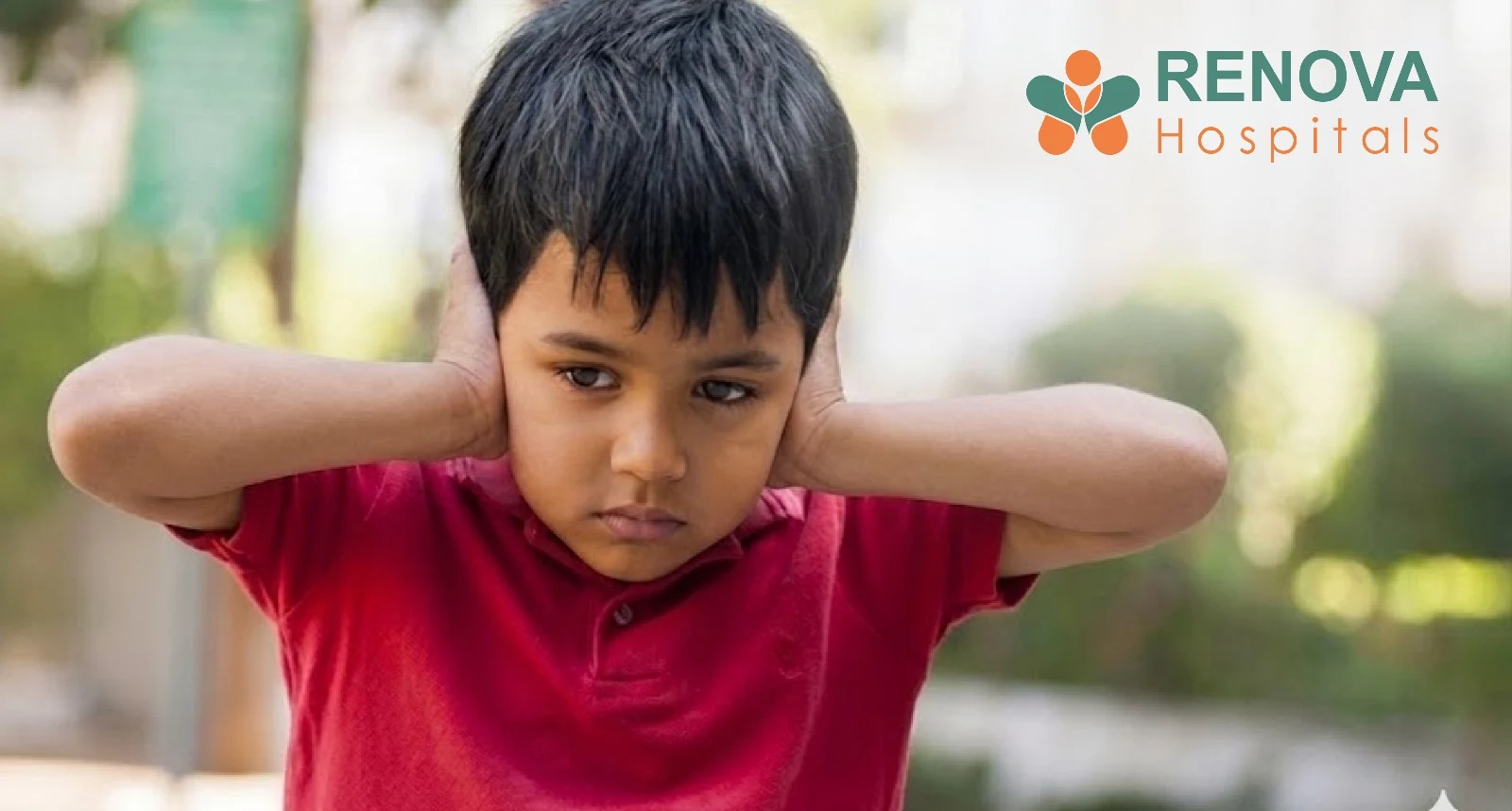
- Autism spectrum disorder (ASD) affects social communication, behavior, and sensory processing in children and adults.
- Early signs often appear within the first two to three years of life, and sometimes in infancy.
- Common early warning signs include limited eye contact, delayed speech, reduced response to name, and repetitive movements.
- Autism has no single confirmed cause; genetics and environmental factors are both being studied.
- The American Academy of Pediatrics recommends autism-specific screening at 18 and 24 months for early detection and intervention.
What Is Autism Spectrum Disorder?
Autism is not a disease, and it is not caused by poor parenting. It begins early in brain development and is present from birth, even when signs are not immediately obvious. WHO describes autism as a diverse group of conditions characterized by some degree of difficulty with social interaction and communication, alongside atypical patterns of activity and behavior.
Globally, the
WHO's 2025 statement estimates that nearly 62 million people, approximately 1 in 127, are on the autism spectrum. In India, published reviews suggest the figure may be as high as 1 in 65 children, with an estimated
1.8 to 2 million children affected nationally. These are estimates, not registry figures, but they underline why awareness, timely screening, and early diagnosis matter enormously.
Autism Symptoms: What Parents Usually Notice
Autism symptoms are grouped into two broad areas: differences in social communication and interaction, and restricted or repetitive behaviors. A child does not need to show every sign, and the degree of impact can vary widely from one child to another.
Social communication and interaction differences
A child with autism may:
- Not respond consistently to their name being called
- Have limited or inconsistent eye contact
- Prefer playing alone most of the time
- Show reduced interest in sharing emotions, experiences, or interests with others
- Have delayed speech or use language in unusual ways
- Repeat words or phrases without using them flexibly (known as echolalia)
- Struggle to understand facial expressions, tone of voice, or social cues
Repetitive behaviors and restricted interests
A child with autism may:
- Repeat the same movements, such as rocking, spinning, or hand-flapping
- Follow strict routines and become very distressed by small changes
- Focus intensely on a specific object, topic, or area of interest
- Show unusual body language or walking patterns such as toe-walking
- Be highly sensitive to sound, touch, light, smell, or texture
- Accept only a very limited range of foods or specific textures
- Play with toys in repetitive or lining-up patterns rather than imaginatively
These are all well-recognized clinical features described by Mayo Clinic, the CDC, and pediatric neurology guidance.
What Causes Autism?
Autism does not have a single known
cause. Current evidence indicates that it develops due to a combination of genetic and environmental factors. The exact cause is still under investigation, and in most cases it is not linked to a single trigger.
Genetics
Genes play an important role in autism risk. Some children may have associated genetic conditions such as fragile X syndrome or Rett syndrome. In contrast, in many others, the genetic influence is more complex and not linked to a single gene.
- Family history increases the likelihood of autism
- Having one child with autism raises the chance of siblings having autism
- Genetic changes may affect brain development and communication
Environmental Factors (Under Study)
Researchers are studying how certain factors before and during pregnancy may influence autism risk.
- Pregnancy complications
- Premature birth
- Advanced parental age
- Prenatal environmental exposures
No single environmental cause has been confirmed. Autism is usually the result of multiple interacting factors.
What Does NOT Cause Autism?
It is important to clear common myths around autism.
- Vaccines do not cause autism.
- There is no link between autism and vaccine ingredients like thiomersal or aluminum.
- Autism is not caused by parenting style
- It is not due to screen time or diet
These misconceptions can delay early diagnosis and support, which are critical for better outcomes.
How Is Autism Diagnosed?
There is no single blood test or brain scan that diagnoses autism. Diagnosis is clinical and based on developmental history, parental observations, behavior, communication patterns, and specialist assessment. The American Academy of Pediatrics recommends autism-specific developmental screening at 18 and 24 months, alongside regular developmental surveillance at every routine visit.
Early diagnosis may involve:
- Developmental screening during routine pediatric visits using validated tools such as the M-CHAT-R
- Parent questionnaires and detailed developmental milestone review
- Structured observation of social communication and play behavior assessment by a pediatrician, developmental pediatrician, child psychologist, speech-language pathologist, or pediatric neurologist when indicated
- Multidisciplinary team evaluation for complex presentations
The goal is not simply to apply a diagnostic label, but to understand a child's unique strengths, challenges, and support needs as early as possible so that appropriate help can begin without delay.
Why Early Diagnosis Matters
The first few years of life are a crucial time for brain development. During this period, a child’s brain is highly adaptable, making it the best time to identify developmental differences and begin support.
Early diagnosis allows children to receive the right help at the right time, which can make a meaningful difference in how they communicate, learn, and interact with the world around them.
Why early detection is important:
- Helps improve speech and communication skills
- Supports better social interaction and behavior
- Aids emotional regulation and daily functioning
- Reduces long-term developmental challenges
- Gives parents clarity and guidance on next steps
Early support does not “cure” autism, but it can significantly improve a child’s quality of life and independence. Studies consistently show that children who receive early, structured intervention tend to have better long-term outcomes than those who receive delayed care.
What Does Early Intervention Include?
Support is tailored to each child's individual profile of strengths and needs. Early intervention for autism may include:
- Speech and language therapy to build communication skills
- Occupational therapy to support sensory regulation and daily living skills
- Behavioral and developmental therapies, including approaches such as Applied Behavior Analysis (ABA) and the Early Start Denver Model (ESDM)
- Parent training and guidance to build consistent, supportive strategies at home
- School readiness and inclusive education support
- Social communication and peer interaction programs
- Sensory integration therapy, where indicated
The focus should be practical, child-centered, and family-inclusive, helping the child communicate, learn, and participate in daily life in ways that respect their individuality.
Can Autism Be Prevented or Cured?
There is no known way to
prevent autism, and there is currently no cure. However, early diagnosis, structured therapy, family support, and access to appropriate education can help many children with autism build important skills and live fulfilling, meaningful lives. Mayo Clinic notes that while children do not typically "outgrow" autism, many make significant and sustained progress with the right support in place from an early age.
Who Is at Higher Risk?
Autism can occur in any child, regardless of background. However, certain factors are linked to a higher likelihood of diagnosis.
- Boys are diagnosed more often than girls
- Family history of autism
- Genetic conditions (fragile X syndrome, tuberous sclerosis, Down syndrome)
- Very premature birth
It is also important to note that girls may be underdiagnosed, as their symptoms can appear differently or may be masked socially. Some children may receive a diagnosis later in childhood.
When Should Parents Be Concerned?
Parents should not be alarmed by a single isolated behavior. But when patterns appear consistently across multiple settings and over time, professional evaluation is warranted. Speak with your child's pediatrician if your child:
- Does not respond reliably to their name
- Has delayed or regressing speech
- Consistently avoids eye contact
- Shows repetitive movements or intense fixations
- Has poor or absent pretend play
- Struggles with social engagement with peers or caregivers
- Has unusual or extreme sensory reactions
- Has lost previously acquired language or social skills
Mayo Clinic advises seeking professional advice when concerns arise about language development, learning, social skills, or overall developmental progress. Acting early is not about an alarm; it is about access.
When to See a Developmental Specialist for Autism Concerns
Do not delay seeking professional advice if your child:
- Does not babble or gesture by 12 months
- Has no single words by 16 months
- Has no two-word phrases by 24 months
- Loses any language or social skills at any age
- Consistently avoids eye contact or does not respond to their name
- Shows strong distress at minor routine changes
- Has intense, narrow interests or persistent repetitive movements
- Struggles significantly with social interaction at home or in group settings
Early evaluation by a developmental pediatrician, child psychologist, or pediatric neurologist ensures an accurate assessment, prevents further delay, and opens the door to timely intervention tailored to your child's needs.
Support Your Child's Development with the Right Care
Understanding autism is the first step toward getting the right support. Whether you are noticing early signs in your infant, seeking a formal assessment for a toddler, or looking for guidance on therapies, early action makes all the difference.
From understanding what autism is and recognizing the earliest warning signs, to navigating diagnosis and accessing structured intervention, the key is informed, compassionate, and timely care from a qualified developmental specialist.
Autism Care at Renova Hospitals
At Renova Hospitals, early developmental concerns are evaluated using a structured, child-focused, family-centered approach. The aim is to listen carefully to parents, identify meaningful developmental patterns, and guide families toward the appropriate next steps q whether that includes developmental screening, specialist referral, therapy planning, or ongoing observation and support.
Medical Disclaimer: This content is for general informational purposes only and should not be considered medical advice. Please consult a qualified healthcare professional for developmental concerns, diagnosis, or treatment guidance.