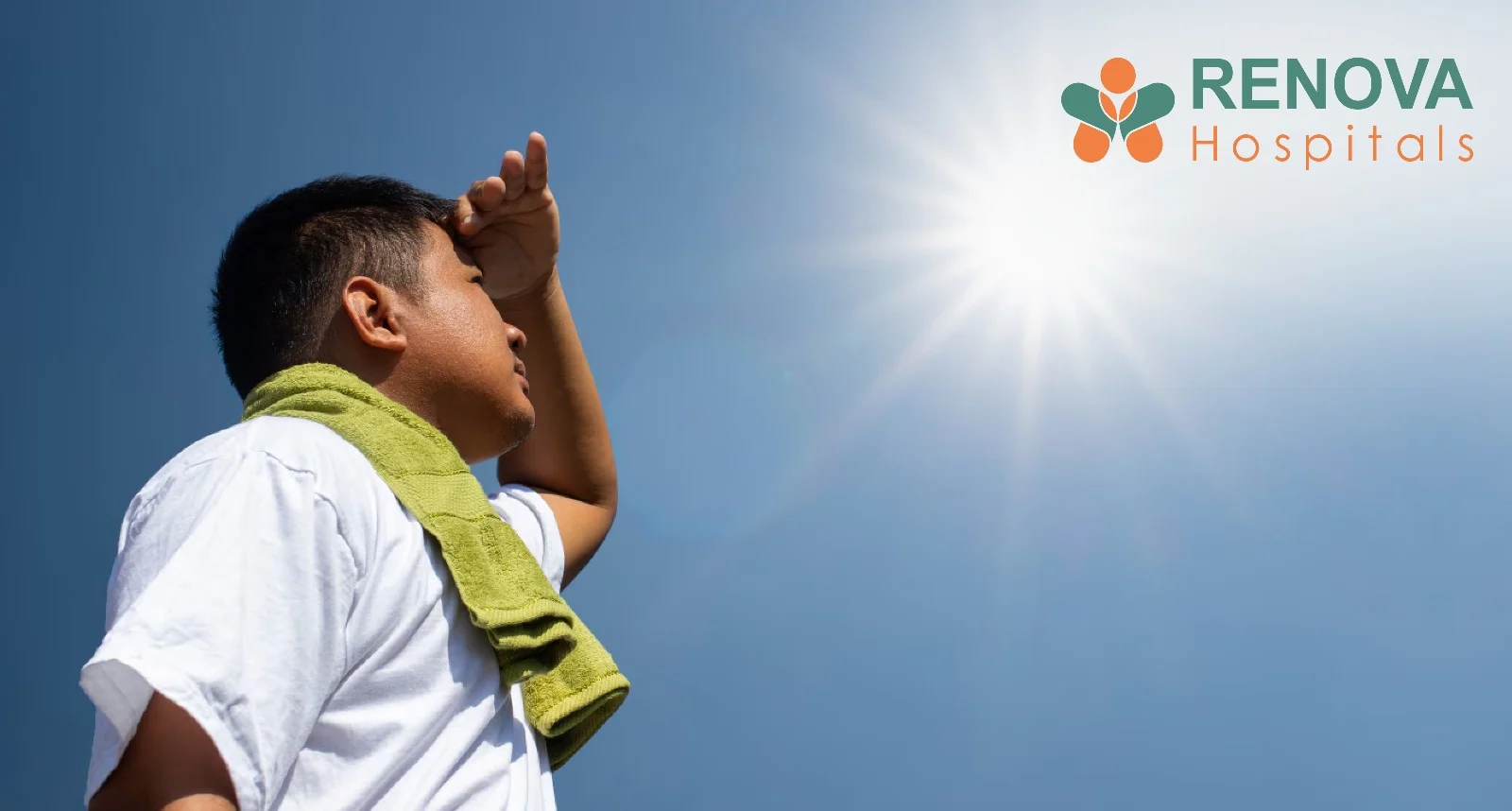
Heat stroke is one of the most serious conditions caused by extreme heat and a growing public health concern in India, especially during extreme summer heatwaves. It occurs when the body’s temperature rises to dangerous levels (above 40°C), leading to failure of the body’s cooling system and potential damage to vital organs.
With rising temperatures across cities like Hyderabad and other parts of India, understanding heat stroke, its warning signs, and how to prevent it is important for protecting yourself and your family. In this article, we explain what you need to know about heat stroke, its causes, symptoms, risk factors, emergency treatment, and how to prevent it effectively.
Key Takeaways
- Heat stroke is a serious condition that can be life-threatening, so recognising its signs and acting quickly can save lives, especially for vulnerable groups like the elderly and outdoor workers.
- High body temperature with confusion or unconsciousness is a key warning sign that, if recognised early, can help you act swiftly to seek help and prevent serious harm.
- Outdoor workers, elderly individuals, and children are at higher risk.
- Immediate cooling and hydration can help reduce the risk of serious complications.
- Preventive measures like hydration, avoiding peak heat, and wearing light clothing are simple steps that can help you feel more in control and confident in staying safe during hot weather.
What is Heat Stroke?
Heat stroke, also known as sunstroke, is a severe condition in which the body’s temperature-regulating system fails, leading to a rapid rise in body temperature above 40°C.
It is considered a medical emergency because it can lead to:
- Brain damage
- Kidney failure
- Liver injury
- Multi-organ dysfunction
Unlike mild heat exhaustion, heat stroke affects the central nervous system, leading to confusion, seizures, or even coma.
Types of Heat Stroke
1. Classic (Non-Exertional) Heat Stroke
- Occurs during heatwaves
- Common in the elderly, children, and chronically ill individuals
- Develops gradually
2. Exertional Heat Stroke
- Affects young, active individuals
- Triggered by intense physical activity in hot weather
- Common among athletes, labourers, and military personnel
How Heat Stroke Affects the Body
Heat stroke becomes dangerous when excessive heat begins to damage cells and triggers inflammation throughout the body.
Key effects include:
- Protein damage and cell death
- Brain dysfunction (confusion, seizures)
- Organ failure (kidneys, liver, heart)
- Severe dehydration
The brain is the most sensitive organ, which is why early symptoms often involve confusion or altered behaviour.
Common Causes of Heat Stroke
Heat stroke can happen when the body is unable to cool itself due to:
- Prolonged exposure to high temperatures
- High humidity (reduces sweating efficiency)
- Intense physical activity
- Dehydration
- Poor ventilation (closed rooms, vehicles)
In India, heat stroke cases increase significantly during heatwaves, especially when temperatures exceed 40°C. Risk factors include vulnerable groups such as the elderly, infants, pregnant women, and individuals with chronic conditions like diabetes or heart disease, which many readers may want to identify.
Some people are more likely to develop heat stroke:
High-Risk Individuals
- Elderly people
- Infants and children
- Pregnant women
- People with chronic diseases (diabetes, heart disease)
Lifestyle Risk Factors
- Outdoor workers (construction, agriculture)
- Athletes and gym-goers
- Alcohol consumption
- Tight or non-breathable clothing
Medication-Related Risks
Some medicines can increase the risk:
- Diuretics
- Beta-blockers
- Antipsychotics
Signs and Symptoms of Heat Stroke
Recognising early symptoms can help in getting timely medical care.
Early Symptoms
- Headache
- Dizziness
- Nausea or vomiting
- Muscle weakness
- Rapid heartbeat
Severe Symptoms (Emergency Signs)
- High body temperature (>40°C)
- Confusion or disorientation
- Slurred speech
- Seizures
- Loss of consciousness
Skin may be:
- Dry and hot (classic heat stroke)
- Sweaty (exertional heat stroke)
Emergency Treatment: What to Do Immediately
Heat stroke needs urgent attention. Delays can increase the risk of serious complications.
First Aid Steps
- Move the person to a cool or shaded place
- Remove excess clothing
- Start cooling immediately:
- Pour cold water on the body
- Use fans or air circulation
- Apply ice packs to the neck, armpits, and groin
- Give fluids if the person is conscious
- Call emergency medical services immediately
Hospital Treatment
- Rapid cooling to reduce body temperature
- IV fluids for hydration
- Monitoring of organ function
- Treatment of complications
One of the most important factors is “time to cooling”, which directly affects survival.
Complications of Heat Stroke
- Brain damage
- Kidney failure
- Liver dysfunction
- Muscle breakdown (rhabdomyolysis)
- Blood clotting disorders
- Death
Some survivors may experience long-term neurological problems.
Heat Stroke in India: Why It’s Increasing
In recent years, India has seen a rise in
heat stroke cases due to:
- Climate change
- Increased frequency of heatwaves
- Urban heat islands
- High population exposure
States like Telangana, Andhra Pradesh, and Odisha are particularly affected.
How to Prevent Heat Stroke
Prevention plays a key role in reducing the risk.
1. Stay Hydrated
- Drink water regularly (even if not thirsty)
- Include electrolytes if sweating heavily
2. Avoid Peak Heat Hours
- Limit outdoor activity between 11 AM and 4 PM
3. Wear Appropriate Clothing
- Light-coloured, loose, breathable clothes
- Use hats, umbrellas, and sunglasses
4. Keep Your Environment Cool
- Use fans or air conditioning
- Stay in shaded or ventilated areas
5. Take Frequent Breaks
Especially for:
6. Never Leave Anyone in a Parked Car
Children and elderly individuals are at high risk.
Special Prevention Tips for High-Risk Groups
For Elderly
- Ensure hydration
- Stay indoors during heatwaves
- Regular monitoring
For Children
- Avoid outdoor play during peak heat
- Keep them hydrated
- Never leave them in vehicles
For Outdoor Workers
- Take rest breaks
- Work during cooler hours
- Use protective clothing
Seek emergency medical care immediately if body temperature exceeds [40 °C], confusion, seizures, or unconsciousness occur, or if symptoms worsen despite cooling efforts.
Seek emergency medical care if:
- Body temperature is very high
- Confusion or unconsciousness occurs
- Seizures or breathing difficulty develop
- Symptoms worsen despite cooling
Conclusion
Heat stroke can be serious, but it is often preventable. With rising temperatures and frequent heatwaves in India, awareness is more important than ever.
Understanding the warning signs, acting quickly in emergencies, and adopting preventive measures can help reduce the risk of severe complications. Staying hydrated, avoiding excessive heat exposure, and recognising early symptoms can help in getting timely
medical care.
Expert Care at Renova Hospitals
At
Renova Hospitals, our emergency and critical care teams are experienced in managing heat stroke and other heat-related illnesses with timely medical care and appropriate treatment.
If you or your loved ones experience symptoms of heat stroke, seek immediate medical care. Early treatment can help reduce complications and improve recovery.
Medical Disclaimer
This article is for informational purposes only and should not be considered a substitute for professional medical advice. Please consult a qualified healthcare provider for diagnosis and treatment.