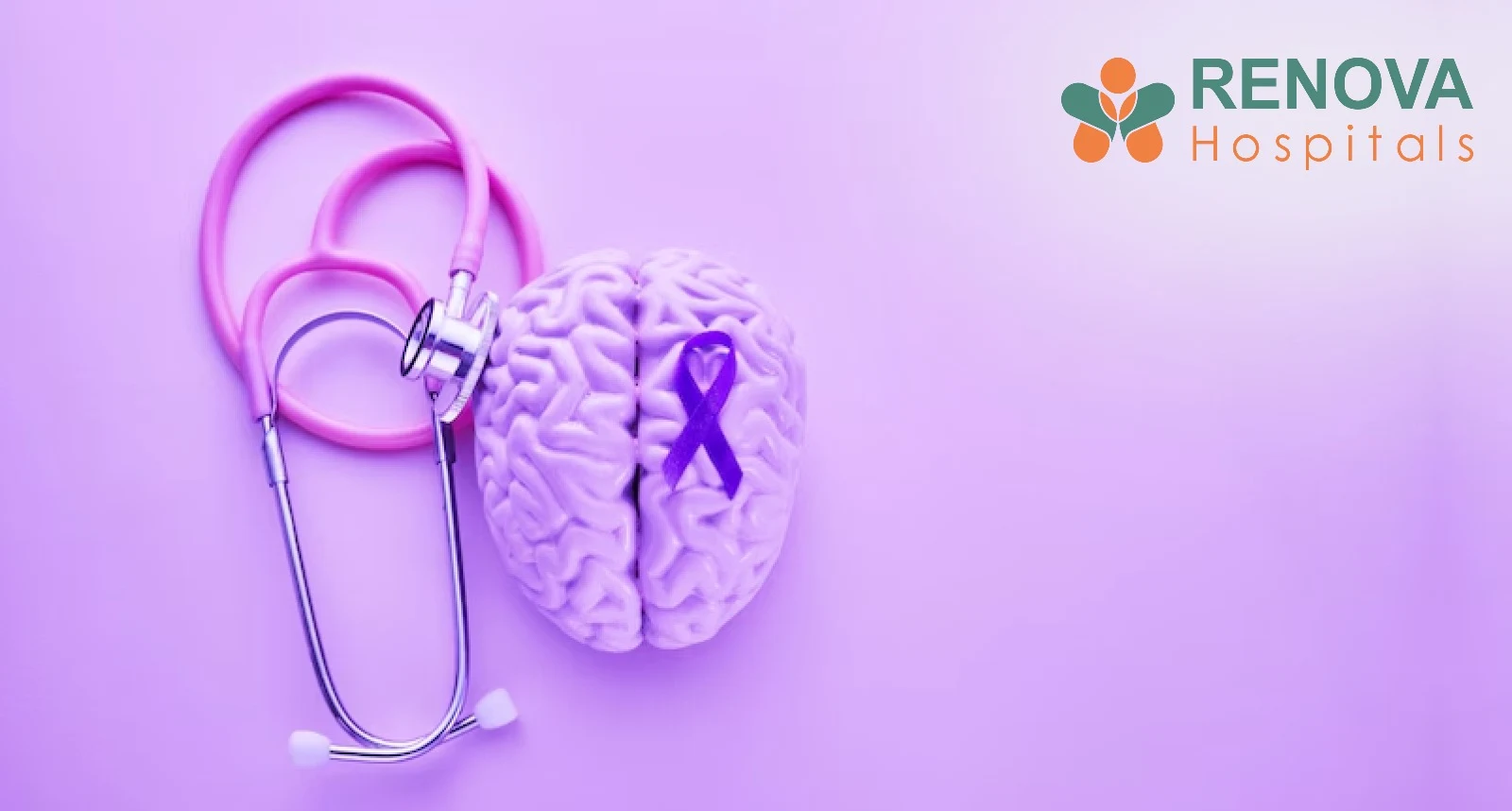
Every year on March 26, people across the world wear purple not as a fashion choice, but as a message. A message that says epilepsy deserves awareness, understanding, and support. Known as Purple Day, this global movement highlights a condition that affects nearly
50 million people worldwide yet remains widely misunderstood.
In India alone, over 12 million people live with epilepsy, many facing not just medical challenges but also stigma, delayed diagnosis, and limited access to care. If you notice sudden, severe symptoms like prolonged seizures or loss of consciousness, seek emergency medical help immediately.
Key Takeaways
- Epilepsy is a neurological condition that causes repeated seizures due to abnormal brain activity.
- Around 50 million people worldwide are affected, making it one of the most common brain disorders.
- Seizures can range from mild (staring spells) to severe (convulsions), and triggers vary from person to person.
- With proper treatment, up to 70% of people can control seizures and live normal lives.
- Awareness, early diagnosis, and reducing stigma are essential for better outcomes, especially in India.
What is Epilepsy?
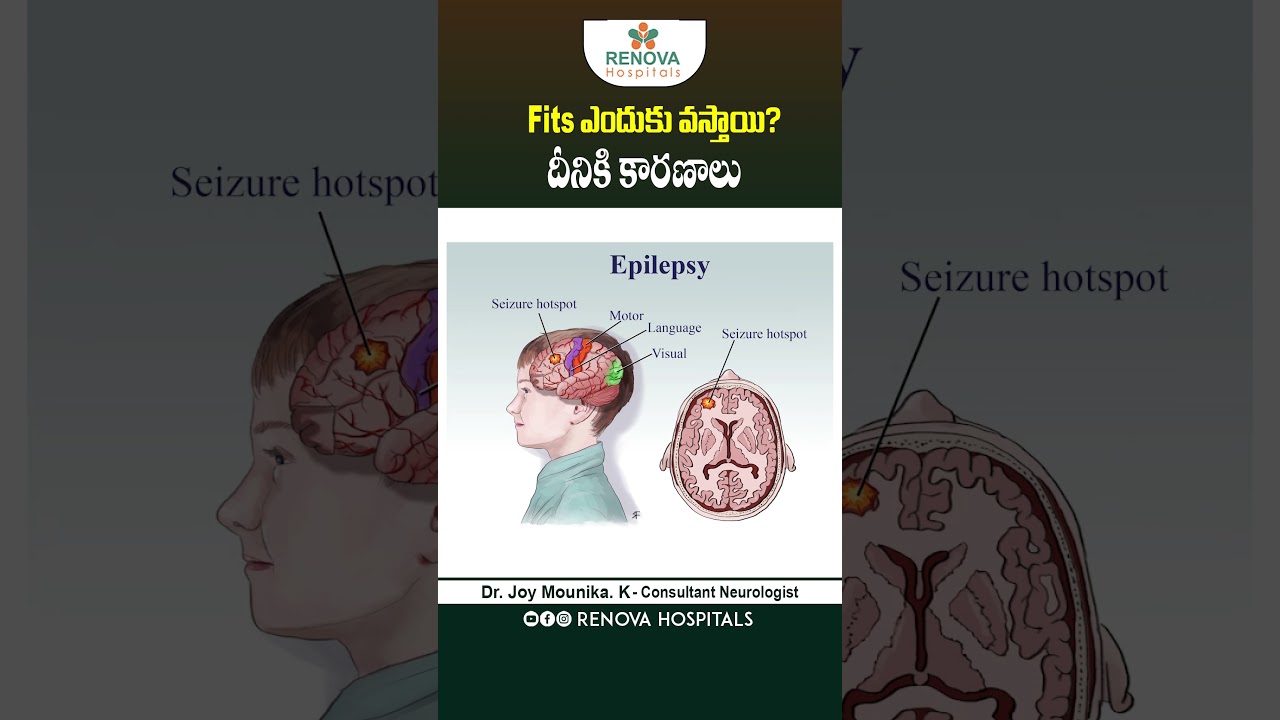
Epilepsy is a long-term neurological condition where a person has repeated seizures caused by abnormal electrical signals in the brain.
A single seizure does not always mean epilepsy. The condition is typically diagnosed when someone has two or more unprovoked seizures, which helps distinguish it from other temporary conditions like fainting or panic attacks.
Seizures can vary widely:
- Some last just a few seconds
- Others may involve full-body convulsions
- Some are so subtle they go unnoticed
This unpredictability is what makes epilepsy both complex and often misunderstood.
Why Purple Day Matters
Purple Day was started in 2008 by a young girl, Cassidy Megan, to share her experience with epilepsy and reduce fear around it.
Today, it has become a global awareness movement encouraging people to:
- Break myths about epilepsy
- Support patients and families
- Promote early diagnosis and treatment
In countries like India, where stigma still exists, awareness campaigns like Purple Day play a critical role.
Types of Seizures You Should Know
Not all seizures look the same. Understanding the types helps in early recognition and response.
1. Focal Seizures
- Start in one part of the brain
- May cause unusual sensations (smell, taste)
- A person may remain conscious or confused
2. Generalised Seizures
- Affects the entire brain
- Includes:
- Absence seizures (brief staring spells)
- Tonic-clonic seizures (jerking movements, loss of consciousness)
- Atonic seizures (sudden collapse)
Some seizures are so mild they are mistaken for daydreaming, while others can be life-threatening if prolonged.
Common Symptoms of Epilepsy
Symptoms can vary depending on the type of seizure and may include:
- Sudden loss of awareness
- Uncontrolled jerking movements
- Temporary confusion
- Staring spells
- Sudden fear, anxiety, or unusual sensations
- Loss of muscle control
In some cases, individuals experience an โauraโ, a warning sign before a seizure.
What Causes Epilepsy?
In nearly
50% of cases, the exact cause is unknown. However, possible causes include:
- Head injuries or trauma
- Brain infections (like meningitis)
- Stroke or lack of oxygen to the brain
- Genetic factors
- Birth-related complications
- Brain tumours
In India, preventable causes like infections and birth injuries contribute significantly.
Common Triggers for Seizures
Even in diagnosed patients, seizures can be triggered by everyday factors:
- Lack of sleep
- Stress
- Alcohol or substance use
- Missed medications
- Flashing lights (in some individuals)
- Fever or illness
Identifying personal triggers is key to better seizure control.
Diagnosis: How Doctors Identify Epilepsy
Diagnosing epilepsy involves a combination of clinical evaluation and tests:
1. EEG (Electroencephalogram)
Measures electrical activity in the brain
2. Brain Imaging (MRI/CT Scan)
Identifies structural abnormalities
3. Video Monitoring
Records seizures along with brain activity. Accurate diagnosis is critical to avoid mismanagement, especially since some conditions mimic seizures.
Treatment Options for Epilepsy
Epilepsy can often be effectively managed with the right treatment
1. Medications
- First-line treatment
- Helps control or reduce seizures
2. Surgery
- For patients not responding to medication
- Can remove the seizure-triggering brain area
3. Neuromodulation Devices
- Vagus nerve stimulation (VNS)
- Deep brain stimulation (DBS)
4. Lifestyle and Diet
- Ketogenic diet in selected cases
- Sleep regulation and stress control
Early treatment can help improve the quality of life.
Is Epilepsy Dangerous?
Many people with epilepsy can live normal lives with treatment.
However, risks include:
- Injuries during seizures
- Accidents (like drowning or falls)
- Rare cases of Sudden Unexpected Death in Epilepsy (SUDEP)
The risk increases if seizures are uncontrolled.
Stigma Around Epilepsy: The Hidden Challenge
One of the biggest challenges is not medical, but social.
Common myths include:
- Epilepsy is contagious
- It is a mental illness
- People with epilepsy cannot work or live normally
These misconceptions often lead to:
- Social isolation
- Employment barriers
- Delayed treatment
Increasing awareness plays an important role in addressing this.
What To Do During a Seizure
If someone has a seizure:
- Stay calm
- Turn them on their side
- Remove nearby harmful objects
- Do NOT put anything in their mouth
- Do NOT restrain them
- Time the seizure
Seek emergency medical help if
- Seizure lasts more than 5 minutes
- Multiple seizures occur
- The person is injured or unconscious
Living with Epilepsy: Practical Tips
For patients and caregivers:
- Take medications regularly
- Maintain proper sleep
- Avoid alcohol and triggers
- Keep a seizure diary
- Inform family or colleagues
- Follow up with a doctor regularly
Small lifestyle changes can make a big difference.
Epilepsy in India: Why Awareness is Critical
Challenges include:
- Treatment gaps
- Limited access in rural areas
- Social stigma
- Lack of awareness
Strengthening primary healthcare and awareness campaigns can help bridge this gap.
Expert Neurology Care at Renova Hospitals
At
Renova Hospitals, we understand that epilepsy is not just a medical condition it affects every aspect of a personโs life.
- Advanced diagnostic tools (EEG, imaging)
- Personalised treatment plans
- Long-term seizure management
- Patient education and counselling
If you or your loved one experiences seizures, early
consultation can make a significant difference.
When Should You See a Doctor?
Consult a neurologist if:
- You experience repeated seizures
- There is a loss of consciousness
- Seizures are increasing in frequency
- Recovery after seizures is slow
- There are injuries or complications
Early diagnosis leads to better outcomes.
Conclusion
Epilepsy is one of the most common neurological conditions, but also one of the most misunderstood.
With the right awareness, timely diagnosis, and proper treatment:
- Seizures can often be controlled
- Risks can be reduced
- Many patients can lead full and active lives
Purple Day is not just about wearing a colour, itโs about changing how we see epilepsy.
Medical Disclaimer
This content is for informational purposes only and should not be considered medical advice. Please consult a qualified healthcare professional for diagnosis and treatment.