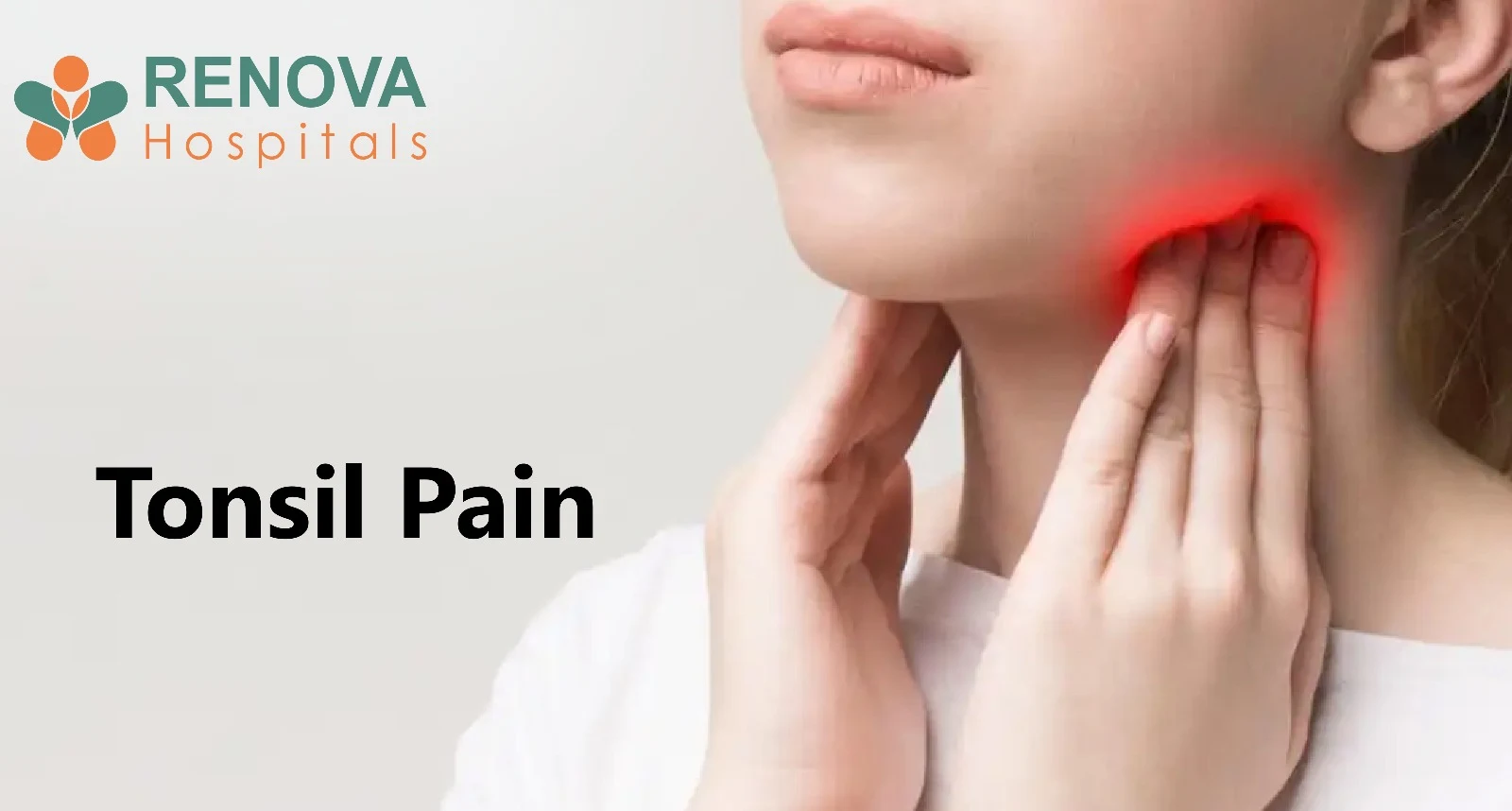
Key Takeaways
- Tonsillitis is inflammation of the tonsils caused by viral or bacterial infections, including strep throat.
- Tonsillitis symptoms include sore throat, fever, swollen glands, and white patches on the tonsils.
- Tonsil stones (tonsilloliths) are calcium deposits that form in tonsil crevices and cause bad breath.
- Tonsillitis medicine and tonsil stones treatment depend on whether the cause is viral or bacterial.
- Surgery (tonsillectomy) is recommended for chronic or recurrent tonsillitis that does not respond to medical treatment.
What Is Tonsillitis?
Tonsillitis is the inflammation or infection of the tonsils, two oval-shaped lymph glands located at the back of your throat. As part of the immune system, tonsils act as the body's first line of defence against inhaled or ingested pathogens.
When bacteria or viruses overwhelm this defence, the tonsils become inflamed, leading to the condition known as tonsillitis. This health talk on tonsillitis covers everything: how to identify symptoms, choosing the right tonsillitis medicine, treating tonsil stones, and knowing when surgery is the best option.
Tonsillitis Symptoms: How to Recognise an Infection Early
Identifying tonsillitis symptoms early helps you seek the right treatment quickly and avoid complications. Symptoms typically appear suddenly and may vary depending on whether the cause is viral or bacterial.
Common Tonsillitis Symptoms in Adults and Children
โข Sudden, severe sore
throatโข Difficulty or painful swallowing
โข Red, visibly swollen tonsils
โข White or yellow patches or pus on the tonsils
โข Fever above 38ยฐC (100.4ยฐF)
โข Swollen, tender lymph nodes in the neck
โข Persistent bad breath (halitosis)
โข Ear pain or a muffled voice
โข Fatigue and general body aches
Additional Tonsillitis Symptoms in Children
โข Nausea or vomiting
โข Stomach pain
โข Irritability, drooling, or refusal to eat
If you or your child experiences difficulty breathing, drooling, inability to swallow, or severe neck stiffness, seek emergency care immediately. These may indicate a peritonsillar abscess, which is a serious complication.
Tonsil Stones: Symptoms, Causes, and How to Remove Tonsil Stones
Tonsil stones, medically called tonsilloliths, are often confused with tonsillitis but are a distinct condition. They are hardened deposits of calcium, bacteria, and debris that accumulate in the crevices of the tonsils.
Viral pathogens cause
70% to 95% of tonsillitis cases. Bacterial pathogens, particularly Group A Streptococcus (GAS), account for 5โ15% of adult cases and 15โ30% of paediatric cases, especially in children aged 5โ15.
Research fact: A cross-sectional radiographic
study of 2,000 panoramic X-rays in southern Iran found tonsilloliths present in a meaningful proportion of patients across all age groups, many of whom were asymptomatic prior to imaging.
Tonsil Stones Symptoms to Watch For
โข Persistent bad breath that does not improve with brushing
โข A sensation of something stuck in the back of the throat
โข Mild sore throat or throat irritation
โข Visible white or yellowish
lumps on the tonsils
โข Difficulty swallowing in cases of larger stones
What Causes Tonsil Stones?
Tonsil stones form when food particles, mucus, dead cells, and bacteria become trapped in the tonsillar crypts. People with deep tonsil crypts, chronic tonsillitis, or poor oral hygiene are at higher risk.
Tonsil Stones Treatment: Home Remedies and Medical Options
How to remove tonsil stones depends on their size and whether they are causing symptoms.
- Small stones: Gargle vigorously with warm saltwater to dislodge them
- Manual removal: Use a cotton swab or water flosser gently - never use sharp objects
- Oral irrigators: Low-pressure water jets can flush out stones effectively
- Antibiotics: If bacterial infection accompanies the stones, a doctor may prescribe antibiotics
- Laser cryptolysis: A specialist resurfaces tonsil crypts to prevent recurrence
- Tonsillectomy: Surgical removal of the tonsils, recommended for severe or recurring tonsil stone cases
Important: Never use sharp instruments to remove tonsil stones at home, as this risks injury or infection. Consult an ENT specialist if stones are large, painful, or recurring.
Causes of Tonsillitis: Viral vs Bacterial
Understanding what causes tonsillitis is essential for choosing the correct tonsillitis medicine.
Viral Tonsillitis - Most Common
- Rhinovirus (common cold)
- Influenza virus (flu)
- Epstein-Barr virus (infectious mononucleosis or glandular fever)
- Adenovirus and parainfluenza virus
Bacterial Tonsillitis - Strep Throat
Group A Streptococcus (GAS) is the most common bacterial cause, responsible for what is commonly known as strep throat. It accounts for 5โ15% of adult cases and 15โ30% of paediatric cases. Bacterial tonsillitis is more severe and requires antibiotic treatment.
Key distinction: Strep throat typically presents without a cough. If you have a sore throat with a cough, the cause is more likely viral.
How Tonsillitis Spreads
- Respiratory droplets from coughing or sneezing
- Direct contact with infected saliva
- Sharing utensils, water bottles, or lip products
- Touching contaminated surfaces and then touching the mouth
In 82% of people, tonsillitis symptoms resolve within one week, regardless of whether the cause is viral or bacterial,
with or without antibiotics
Tonsillitis Treatment: A Comprehensive Guide
Tonsillitis treatment depends entirely on whether the infection is viral or bacterial. Misusing antibiotics for viral tonsillitis contributes to antibiotic resistance and provides no benefit.
1. Treatment for Viral Tonsillitis
- Rest: Allow your immune system to fight the virus naturally
- Hydration: Drink plenty of warm fluids such as broths and herbal teas with honey
- Saltwater gargles: Half a teaspoon of salt in a glass of warm water, gargled 3 to 4 times daily
- Steam inhalation: Helps relieve throat and nasal congestion
- Soft, cool foods: Ice cream, yoghurt, or smoothies ease swallowing pain
2. Tonsillitis Medicine for Bacterial Infections
Bacterial tonsillitis (strep throat) requires a confirmed throat swab test before antibiotics are prescribed.
- Penicillin or Amoxicillin: First-line antibiotics for strep throat - complete the full 10-day course
- Azithromycin: Prescribed for patients allergic to penicillin
- Cephalosporins: An alternative class of antibiotics when first-line options are not suitable
Critical: Never stop antibiotics early, even if you feel better. Incomplete courses increase the risk of recurrence and antibiotic resistance.
3. Pain and Fever Management (Tonsillitis Medication)
- Paracetamol: Safe for adults and children for fever and pain relief
- Ibuprofen: An anti-inflammatory that also reduces throat swelling - take with food
- Throat lozenges: Provide temporary localised relief
- Anaesthetic sprays: Benzocaine sprays can numb the throat temporarily
4. Tonsillectomy: When Surgery Is the Right Tonsillitis Treatment
- You have 7 or more episodes of tonsillitis in one year
- You have 5 or more episodes per year for two consecutive years
- You have 3 or more episodes per year for three consecutive years
- Tonsillitis causes obstructive sleep apnoea or breathing difficulties
- A peritonsillar abscess does not respond to drainage
- Chronic tonsil stones cause persistent symptoms
Tonsillectomy is a safe, routine procedure performed under general anaesthesia. A
systematic review published in Acta Oto-Laryngologica confirms generally similar efficacy between tonsillotomy and tonsillectomy for tonsil-related conditions, with tonsillotomy showing advantages in post-operative pain and recovery time. Recovery from full tonsillectomy typically takes 10โ14 days.
How to Prevent Tonsillitis and Tonsil Stones
While you cannot eliminate all risk, consistent daily habits dramatically reduce the frequency of tonsil infections and stone formation.
- Wash hands frequently - before eating, after sneezing, and after using public transport
- Avoid sharing personal items such as water bottles, utensils, and lip products
- Stay hydrated to maintain a moist throat and flush away debris
- Maintain good oral hygiene: brush twice daily, floss, and use mouthwash
- Manage allergies with medical guidance to reduce chronic postnasal drip
- Treat acid reflux promptly to reduce throat irritation
- Use a humidifier in dry indoor environments
- Limit exposure to smoke, vaping, and air pollutants
- Replace your toothbrush after recovering from a throat infection
- Gargle with saltwater regularly as a preventive measure
When to See an ENT Doctor for Tonsillitis or Tonsil Stones
Do not delay seeking professional care if you experience any of the following:
โข Sore throat lasting more than 3 to 4 days without improvement
โข Fever above 38.5ยฐC (101.3ยฐF)
โข Difficulty swallowing liquids or any breathing difficulty
โข Drooling due to inability to swallow saliva
โข Severe neck pain or neck stiffness
โข Recurring tonsillitis - more than 3 to 4 episodes per year
โข Large, painful, or repeatedly returning tonsil stones
โข One-sided throat swelling, which may indicate an abscess
Early evaluation by an ENT specialist ensures accurate diagnosis, prevents complications, and helps create a personalised treatment plan, including determining whether tonsil surgery is the right option for you.
Protect Your Tonsil Health with the Right Care
A health talk on tonsillitis is incomplete without emphasising this: tonsil health is closely linked to your overall immunity, sleep quality, and quality of life. Whether you are dealing with recurring tonsillitis symptoms, puzzling tonsil stones symptoms, or simply looking to prevent throat infections, early action makes all the difference.
From choosing the right tonsillitis medicine to understanding when to pursue treatment for tonsil stones or surgery, the key is informed, timely care from an ENT specialist.
Get Expert Tonsil Care at Renova Hospitals
At Renova Hospitals, our experienced ENT specialists provide accurate diagnosis, personalised treatment plans for tonsillitis, safe treatment for tonsil stones, and surgical expertise when needed.
Book your consultation today and take the first step toward lasting relief from tonsillar health.