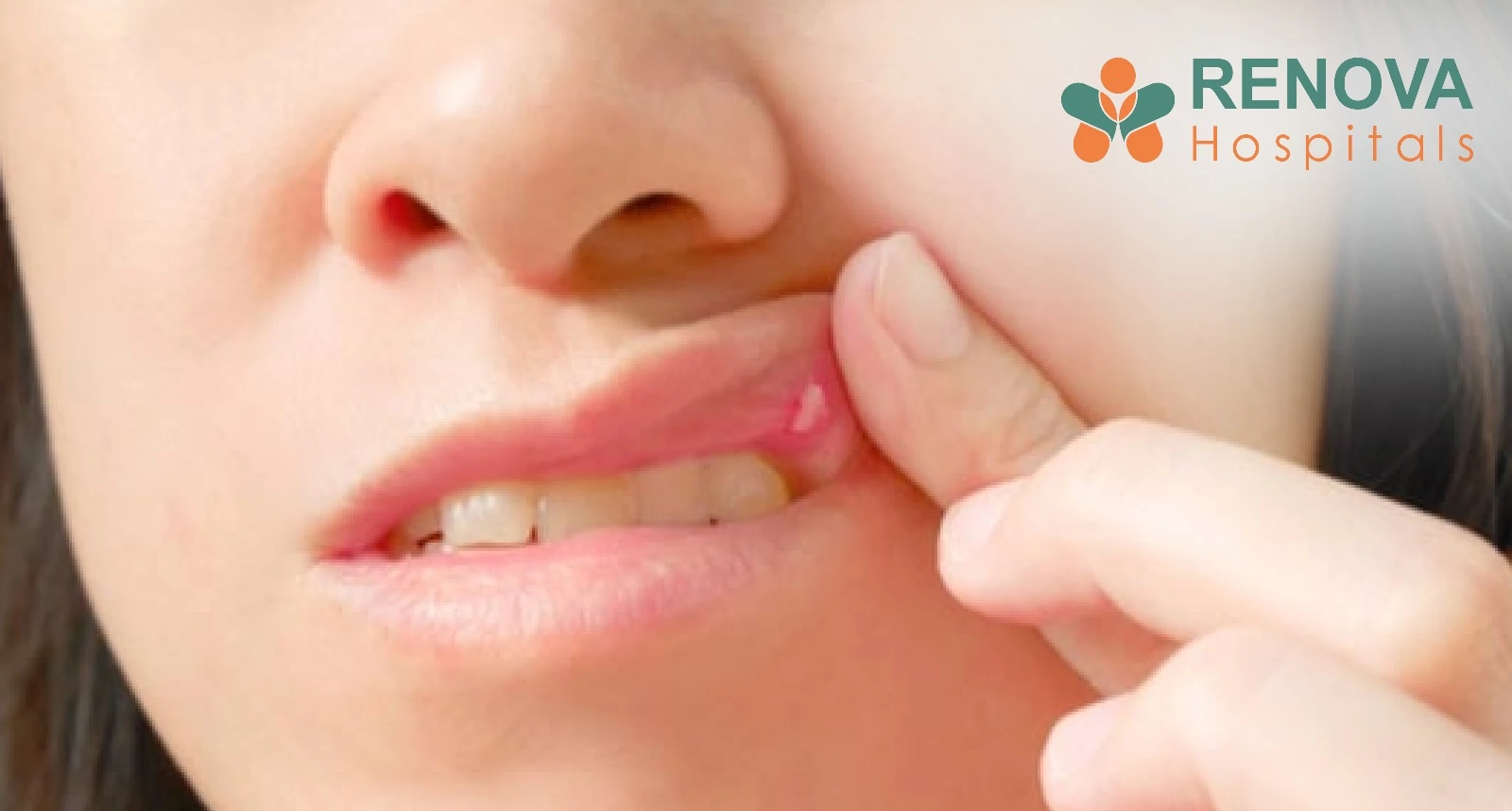
If mouth ulcers keep coming back — sometimes before the last one has even healed — your body may be signalling something. Recurring ulcers are rarely random: they're often linked to vitamin B12, iron or folate deficiency, stress, hormonal changes, or an underlying condition worth investigating. Here's what causes them, how to treat them, and when frequent ulcers mean it's time to see a specialist.
Key Takeaways
- Mouth ulcers (aphthous ulcers/canker sores) are common but become a concern when they recur frequently.
- Key causes include deficiencies in Vitamin B12, iron, and folate, which are correctable with simple blood tests and supplementation.
- Chronic stress, hormonal changes, food triggers, and minor oral injuries are among the most common lifestyle-related causes.
- Recurring ulcers may be a symptom of underlying conditions such as coeliac disease, Crohn's disease, Behçet's disease, or lupus.
- Most ulcers heal within 7–14 days; any that last more than 3 weeks require medical evaluation.
- Switching to an SLS-free toothpaste, managing stress, and eating a nutrient-rich diet are proven prevention strategies.
Understanding why mouth ulcers recur, what triggers them, and how to manage them effectively is the first step toward long-term relief. This comprehensive guide by Renova Hospitals covers everything you need to know, from the earliest warning signs to the most effective treatment options available today.
What Are Mouth Ulcers?
Mouth ulcers are small, shallow sores that develop on the soft tissues inside the mouth, typically on the inner cheeks, tongue, lips, gums, or the floor of the mouth. They usually appear as round or oval lesions with a white or yellowish centre, surrounded by a red, inflamed border.
These ulcers are generally non-contagious and benign, but they can cause significant discomfort, making routine activities like eating, drinking, and speaking painful. Most resolve on their own within 7 to 14 days. However, when ulcers return repeatedly,y sometimes before the previous ones have even healed, it signals an underlying issue that warrants investigation.
Recurrent aphthous stomatitis (RAS) is the clinical term for recurrent mouth ulcers. It affects people of all ages, though it is more common in younger adults and women.
Types of Mouth Ulcer
Not all mouth ulcers are the same. Recognising the type can help determine the cause and guide treatment.
Minor Aphthous Ulcers
These are the most common type, accounting for around 80% of cases. They are small (usually under 10mm), round or oval, and heal without scarring within one to two weeks. While painful, they are typically manageable and do not indicate serious disease.
Major Aphthous Ulcers
Larger and deeper than minor ulcers, these can be extremely painful and take three to six weeks to heal. They may leave behind scar tissue and are associated with conditions such as Crohn's disease or immunosuppression.
Herpetiform Ulcers
Despite their name, these have no relation to the herpes virus. They appear as clusters of multiple tiny ulcers (sometimes 10–100 at once), which may merge to form irregular, larger sores. They are intensely painful and more common in women and older adults.
Why Do You Get Mouth Ulcers Frequently?
The most common question patients ask is: "Why do I keep getting mouth ulcers again and again?" The answer is rarely straightforward. Recurring ulcers are usually the result of a combination of internal and external factors that affect the health and resilience of your oral tissues.
1. Nutritional Deficiencies
One of the leading causes of recurrent mouth ulcers is inadequate nutrition, particularly deficiencies in:
- Vitamin B12 is essential for DNA synthesis and the repair of mucosal cells
- Iron is critical for oxygen transport to tissues and immune function
- Folate (Vitamin B9) is vital for cell growth and tissue maintenance
- Zinc supports wound healing and the structural integrity of oral tissues
When these nutrients are in short supply, the mucosal lining of the mouth becomes fragile and more susceptible to breakdown. Blood tests can easily identify these deficiencies, and targeted supplementation often leads to a significant reduction in ulcer frequency.
2. Chronic Stress and Sleep Deprivation
The relationship between mental health and oral health is well-established. Chronic stress triggers the release of cortisol and other inflammatory mediators that suppress immune function and delay tissue repair. Sleep deprivation compounds this further by reducing the body's overnight healing processes.
Many patients report a clear pattern: ulcers tend to flare up during periods of high stress, such as work deadlines, exams, personal conflict, or emotional upheaval. Addressing stress through mindfulness, exercise, adequate rest, and counselling can meaningfully reduce the risk of recurrence.
3. Minor Trauma and Oral Injuries
The delicate lining of the mouth can be disrupted by everyday incidents, including:
- Accidentally biting your cheek, tongue, or lip
- Aggressive tooth brushing with a hard-bristle brush
- Sharp-edged food like crisps, crackers, or hard toast
- Ill-fitting dentures or orthodontic braces
- Dental procedures such as extractions or injections
These small injuries break the oral epithelium and, in individuals prone to ulcers, can trigger the inflammatory cascade that leads to ulcer formation. Switching to a soft-bristled toothbrush and ensuring well-fitted dental appliances can reduce this risk considerably.
4. Food Triggers and Dietary Sensitivities
Certain foods are well-recognised
triggers for mouth ulcers in susceptible individuals:
- Spicy foods, including chillies, hot sauces, and heavily spiced dishes
- Citrus fruits: oranges, lemons, limes, grapefruit
- Acidic foods: tomatoes, vinegar-based condiments, pineapple
- Gluten in individuals with undiagnosed coeliac disease
- Nuts and chocolate are reported triggers in some individuals
Keeping a food diary can help identify personal triggers. Eliminating or reducing these foods often leads to fewer episodes. In some cases, formal allergy or intolerance testing may be warranted.
5. Hormonal Changes
Women are statistically more likely to experience recurrent mouth ulcers, suggesting a hormonal component. Ulcers may coincide with specific phases of the menstrual cycle, typically appearing in the luteal phase (the week before menstruation). Pregnancy and perimenopause may also influence ulcer frequency due to fluctuating oestrogen and progesterone levels, which affect immune regulation and mucosal sensitivity.
6. Underlying Systemic Medical Conditions
In some patients, particularly those with frequent, severe, or treatment-resistant ulcers, the recurrence may be a symptom of an underlying systemic condition. These include:
- Coeliac disease is a gluten intolerance that damages the gut lining and depletes nutrients
- Crohn's disease is a chronic inflammatory bowel condition that can affect any part of the gastrointestinal tract, including the mouth
- Ulcerative colitis is another inflammatory bowel disease with oral manifestations
- Behçet's disease is a rare systemic vasculitis characterised by recurrent oral ulcers, genital ulcers, and eye inflammation
- Systemic lupus erythematosus (SLE) is an autoimmune condition where oral ulcers are a recognised diagnostic criterion
If mouth ulcers are accompanied by abdominal symptoms, fatigue, joint pain, skin rashes, or eye problems, evaluation for these systemic conditions is essential.
7. Weakened Immune System
A compromised immune system, whether due to HIV/AIDS, chemotherapy, immunosuppressive medications (such as those used after organ transplantation or for autoimmune diseases), or chronic illnesses,s significantly increases susceptibility to oral ulcers and delays healing.
8. Sodium Lauryl Sulphate (SLS) in Toothpaste
A lesser-known but clinically significant trigger is sodium lauryl sulphate (SLS), a foaming agent found in many commercial toothpastes. Research has shown that individuals who switch to SLS-free toothpaste often experience a notable reduction in the frequency of mouth ulcers. If you are prone to recurrent ulcers, this simple change is worth trying.
Symptoms of Recurring Mouth Ulcers
Identifying symptoms early helps in prompt management. Common signs include:
- Painful sores inside the mouth are often worse when eating, drinking, or speaking
- A burning or tingling sensation 24–48 hours before the ulcer appears
- Round or oval lesions with a white or yellow centre and a red, inflamed rim
- Swelling or tenderness in the surrounding tissue
- Heightened sensitivity to spicy, salty, or acidic foods
- In severe cases, swollen lymph nodes or mild fever
In recurrent cases, new ulcers may appear while previous ones are still healing, creating a near-constant cycle of pain and discomfort.
When Should You Be Concerned?
Most mouth ulcers are benign and self-limiting. However, you should seek prompt medical evaluation if:
- An ulcer has not healed within 3 weeks
- The ulcer is unusually large, deep, or spreading
- New ulcers appear before previous ones have healed
- You experience systemic symptoms, such as weight loss, fatigue, or joint pain
- Ulcers recur with very high frequency, multiple times per month
- There is difficulty swallowing, speaking, or opening the mouth
Persistent, non-healing ulcers must be evaluated to exclude oral cancer, which can sometimes present as an ulcer-like lesion. Early diagnosis in such cases is critical for prognosis.
How Are Recurring Mouth Ulcers Diagnosed?
At Renova Hospitals, our specialists take a thorough, evidence-based approach to diagnosing the underlying cause of recurrent ulcers. This typically includes:
- Detailed clinical examination and full medical history review
- Blood tests: complete blood count, iron studies, B12, folate, zinc levels
- Autoimmune screen ANA, anti-dsDNA, and other markers if systemic disease is suspected
- Coeliac antibody testing tissue transglutaminase IgA (tTG-IgA)
- Allergy testing if specific food or contact triggers are suspected
- Biopsy for persistent, large, or atypical ulcers to exclude malignancy
A personalised investigation plan is designed based on the frequency, severity, and associated symptoms.
Treatment Options for Frequent Mouth Ulcers
Home Care and Immediate Relief
For mild, occasional ulcers, the following can provide symptomatic relief:
- Warm saltwater rinses gently cleanse the ulcer and reduce bacteria
- Honey is a natural antimicrobial agent with some evidence for ulcer healing
- Aloe vera gel applied topically to soothe inflammation
- Avoiding known food triggers during an active episode
- Staying well hydrated and eating soft, bland foods
Over-the-Counter Treatments
- Antiseptic mouthwashes (e.g., chlorhexidine) reduce bacterial load
- Topical anaesthetic gels (e.g., benzocaine, lidocaine) provide temporary pain relief
- Protective pastes and gels form a barrier over the ulcer to shield it from irritation
Prescription Medical Treatment
When ulcers are frequent, severe, or related to an underlying condition, medical treatment is essential:
Vitamin and mineral supplementation correcting deficiencies is often highly effective
- Topical corticosteroids reduce local inflammation and speed healing
- Systemic corticosteroids for severe, widespread, or autoimmune-related ulcers
- Colchicine or dapsone is used in refractory cases or in conditions likeBehçet's disease
- Biologic therapies in complex inflammatory bowel disease or systemic autoimmune conditions
The goal is not just to treat active ulcers, but to identify and manage the root cause to prevent future recurrences.
Preventing Mouth Ulcers: Daily Habits That Make a Difference
While genetics and some systemic conditions cannot be fully controlled, the following lifestyle adjustments significantly reduce the frequency of mouth ulcers in most patients:
- Eat a balanced, nutrient-rich diet, prioritising leafy greens, legumes, whole grains, dairy, and lean protein to maintain adequate B12, iron, folate, and zinc levels
- Switch to an SLS-free toothpaste, particularly if you suffer from frequent recurrences
- Use a soft-bristled toothbrush, brush gently, and replace your brush every three months
- Identify and avoid personal food triggers, and maintain a diary to spot patterns
- Managing stress proactively, regular exercise, adequate sleep, and mindfulness practices reduce the inflammatory load
- Stay well hydrated; a dry mouth is more prone to tissue breakdown. Attending regular dental check-ups ensures that fitting appliances are used and that oral abnormalities are caught early.
- Do not ignore systemic symptoms. Early treatment of conditions like coeliac disease or inflammatory bowel disease reduces oral manifestations.s
Expert Care for Mouth Ulcers at Renova Hospitals
We understand that recurrent mouth ulcers are not merely a cosmetic inconvenience; they can significantly affect your quality of life, nutrition, and overall well-being. Our multidisciplinary team, comprising oral medicine specialists, gastroenterologists, dermatologists, and nutritionists, offers a holistic, patient-centred approach to diagnosis and management.
Our comprehensive care pathway includes detailed clinical evaluation, screening for nutritional deficiencies, advanced laboratory investigations, allergy and immune assessment, and personalised long-term management plans. Whether you are dealing with occasional ulcers or a recurring pattern, we are here to identify the root cause and provide lasting relief.
Final Thoughts
Mouth ulcers are common, but frequent recurrence is your body's way of signalling that something needs attention, whether that is a nutritional gap, unmanaged stress, a food sensitivity, or a deeper systemic condition. They should not be normalised or dismissed as inevitable.
With accurate diagnosis, targeted treatment, and consistent lifestyle adjustments, the vast majority of patients experience a significant reduction in ulcer frequency and severity. The key is not to wait until they become debilitating; early evaluation leads to better outcomes.If you are experiencing recurring mouth ulcers, consult a specialist at
Renova Hospitals for a comprehensive assessment and a personalised care plan designed around your health profile.
Medical Disclaimer
This article is for informational purposes only and should not be considered a substitute for professional medical advice. Please consult a qualified healthcare provider for diagnosis and treatment.