Home Blogs Multiple Myeloma: Understanding a Blood Cancer That Affects Bone Marrow
Multiple Myeloma Treatment at Renova Hospitals

By Dr. Rajesh Bollam

January 07, 2026

Multiple Myeloma: Understanding a Blood Cancer That Affects Bone Marrow

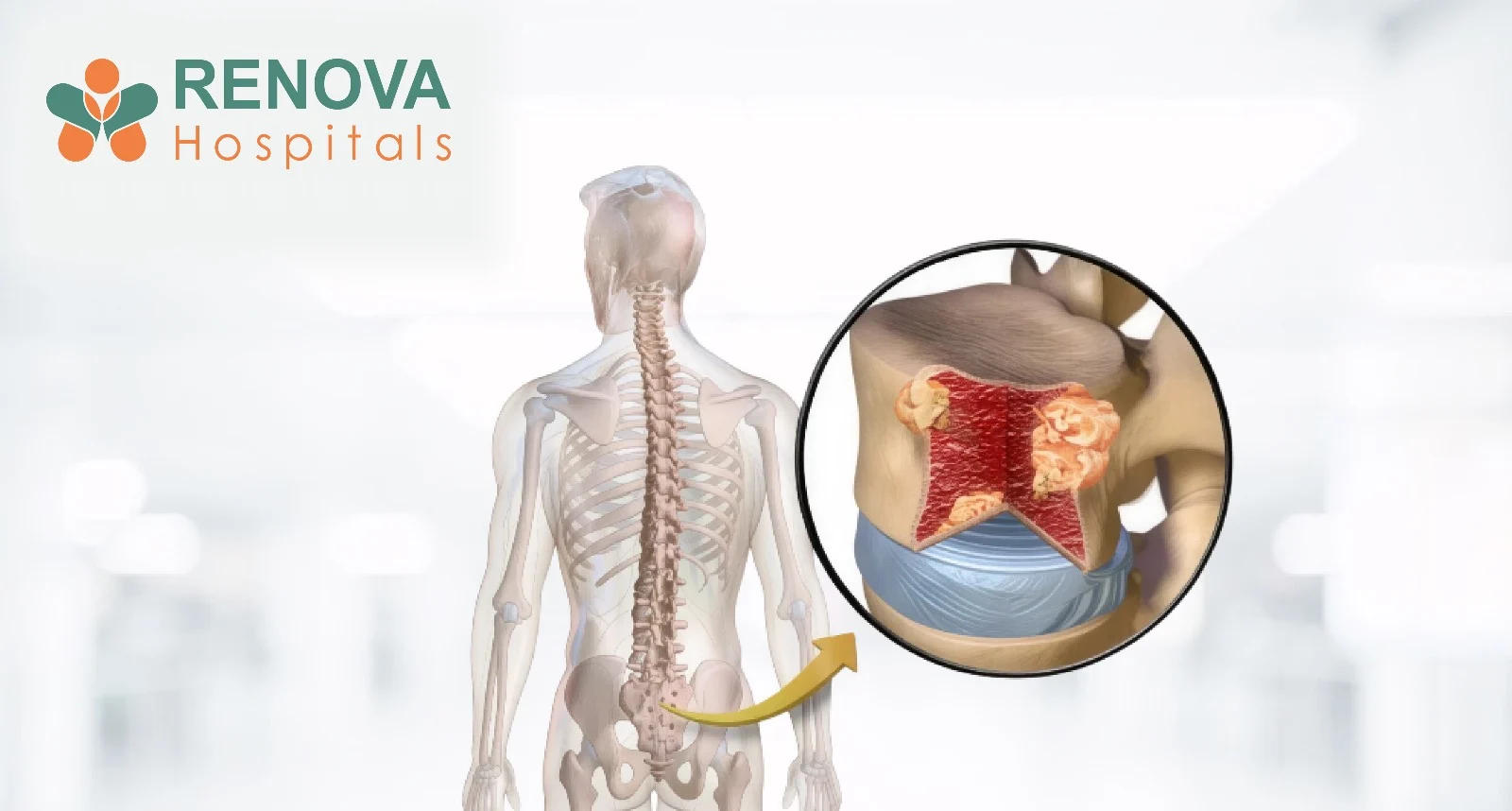
Multiple myeloma is a type of blood cancer that begins in the bone marrow, the soft tissue inside bones where blood cells are produced. It affects plasma cells, which play a key role in the immune system by producing antibodies that help fight infections. When these plasma cells become abnormal, they multiply uncontrollably and interfere with normal blood production.

This condition can weaken bones, lower immunity and affect vital organs such as the kidneys. If left undiagnosed or untreated, multiple myeloma can lead to serious complications. However, with advances in medical oncology, multiple myeloma is now considered a highly manageable disease, particularly when detected early and treated with modern therapies.

What Is Multiple Myeloma?


Multiple myeloma occurs when healthy plasma cells develop genetic changes that cause them to grow out of control. These abnormal plasma cells accumulate in the bone marrow and crowd out healthy blood-forming cells.

In addition to disrupting normal blood cell production, myeloma cells produce abnormal proteins that circulate in the blood. These proteins can damage bones, kidneys and the immune system, contributing to many of the symptoms associated with the disease.

Multiple myeloma most commonly affects:

  • Adults above 50 years of age
  • Men slightly more than women
  • People with long-standing immune or plasma cell–related disorders

Although it is considered a rare cancer, multiple myeloma accounts for a significant proportion of blood cancers diagnosed worldwide.

How Multiple Myeloma Affects the Body


As multiple myeloma progresses, it can impact several systems in the body:

  • Bone marrow: Reduced production of red blood cells, white blood cells and platelets
  • Bones: Increased bone breakdown leading to pain, thinning and fractures
  • Immune system: Reduced ability to fight infections
  • Kidneys: Damage caused by abnormal proteins and high calcium levels

These effects often develop gradually, which is why early symptoms may be overlooked.

Symptoms and Causes


Common Symptoms You Should Not Ignore

Symptoms of multiple myeloma often appear slowly and may initially resemble common age-related or lifestyle-related health issues. Some people may not notice symptoms until routine blood tests reveal abnormalities.

Common warning signs include:

  • Persistent bone pain, especially in the back, ribs, hips or pelvis
  • Fatigue and weakness due to anaemia
  • Frequent or recurrent infections caused by low immunity
  • Unexplained fractures or bone thinning
  • Weight loss and reduced appetite
  • Nausea or constipation due to high calcium levels

If these symptoms persist or worsen, prompt medical evaluation is essential.

What Causes Multiple Myeloma?


The exact cause of multiple myeloma is not fully understood. Medical experts know that it develops when plasma cells acquire genetic mutations over time. These mutations are not inherited but occur during a person’s lifetime.

Researchers continue to study the specific gene changes involved, as these mutations help doctors understand how aggressive the disease is and how it may respond to treatment.

Risk Factors

Several factors are associated with a higher risk of developing multiple myeloma:

  • Increasing age, especially above 50 years
  • Male sex
  • Family history of plasma cell disorders
  • Obesity
  • Certain environmental or chemical exposures
  • Pre-existing plasma cell conditions, such as MGUS (monoclonal gammopathy of undetermined significance)

Having one or more risk factors does not mean a person will develop multiple myeloma, but it may increase the likelihood.

Complications of Multiple Myeloma


If not managed appropriately, multiple myeloma can lead to complications such as:

  • Bone fractures and deformities
  • Kidney dysfunction or kidney failure
  • Severe anemia
  • High calcium levels in the blood (hypercalcemia)
  • Nerve damage causing numbness or tingling
  • Recurrent or severe infections

Some complications may require urgent medical care, particularly kidney failure or spinal cord compression due to weakened vertebrae.

Diagnosis and Tests

How Is Multiple Myeloma Diagnosed?


Doctors use a combination of laboratory tests, imaging studies and tissue analysis to diagnose multiple myeloma and assess disease severity.

Diagnostic tests may include:

  • Blood tests to detect abnormal proteins, anemia and organ function abnormalities
  • Urine tests to identify protein leakage linked to myeloma
  • Bone marrow biopsy to confirm the presence of abnormal plasma cells
  • Imaging studies such as X-rays, MRI or PET-CT scans to assess bone damage
  • Kidney function and calcium level tests

Early diagnosis allows timely treatment and helps prevent irreversible organ damage.

Precursors to Multiple Myeloma

Some people are diagnosed with early plasma cell disorders that may progress to multiple myeloma, such as:

  • MGUS (Monoclonal Gammopathy of Undetermined Significance)
  • Smouldering multiple myeloma

Most individuals with these conditions do not develop active multiple myeloma, but regular monitoring is essential.

Staging of Multiple Myeloma

Doctors use established staging systems to determine how advanced the disease is. Staging helps guide treatment decisions and estimate prognosis. It is based on blood markers, organ involvement and genetic features of the cancer cells.

Management and Treatment


How Is Multiple Myeloma Treated?

Treatment for multiple myeloma has evolved significantly, offering patients improved survival and quality of life. Therapy often involves a combination of medications and, in selected patients, stem cell transplantation.

Treatment options may include:

  • Targeted therapy to attack cancer cells more precisely
  • Immunotherapy to strengthen the immune response against cancer
  • Chemotherapy to reduce abnormal plasma cells
  • Steroids to control inflammation and tumour growth
  • Bone marrow (stem cell) transplant in eligible patients

Treatment plans are tailored to each patient based on age, disease stage, symptoms and overall health.

Supportive Care During Treatment

In addition to cancer-directed therapy, patients may receive:

  • Medications to reduce bone pain and prevent fractures
  • Treatments to protect kidney function
  • Vaccinations or antibiotics to prevent infections
  • Nutritional and physical rehabilitation support

Outlook / Prognosis

What Can You Expect With Multiple Myeloma?


There is currently no permanent cure for multiple myeloma. However, many patients live for years with controlled disease due to modern treatment approaches.

Prognosis varies depending on:

  • Stage at diagnosis
  • Genetic features of the cancer
  • Response to treatment
  • Overall health of the patient

Early-stage disease generally has better outcomes and longer survival

Living With Multiple Myeloma

Living with multiple myeloma involves ongoing monitoring, treatment and lifestyle adjustments. Patients are encouraged to:

  • Follow their treatment plan closely
  • Attend regular follow-up appointments
  • Maintain good nutrition and safe physical activity
  • Seek emotional and psychological support when needed

Managing the condition is a long-term process, but many people continue to lead active and fulfilling lives.

Multiple myeloma treatment has advanced significantly, allowing patients to live longer with improved quality of life. While living with a blood cancer can be challenging, patients are not alone in this journey.

At Renova Hospitals, care is focused not only on treating the disease but also on supporting patients physically and emotionally through every stage of care.

Expert Care at Renova Hospitals


At Renova Hospitals, patients with multiple myeloma receive comprehensive and personalised care under the guidance of Dr. Rajesh Bollam, Director - Renova Hospitals and a European-certified Medical Oncologist.

With a multidisciplinary approach, advanced diagnostics and evidence-based therapies, Renova Hospitals aims to improve outcomes and quality of life for patients with multiple myeloma.

Multiple myeloma is a serious condition, but with early diagnosis, modern treatments and expert medical care, many patients can live longer and better lives. Awareness of symptoms and timely consultation can make a life-saving difference.

Want to connect with a specialist?

Book your appointment now

Our Panel of Doctors

Our healthcare specialists are equipped with the knowledge and skills to provide you with the support you require. From consultation to diagnosis to treatments, our experts are dedicated to helping you.

Dr. Rajesh Bollam

Medical Oncology, Head & Neck Oncology

14 years Experience

Telugu, English, Hindi, Kannada

Renova Century Hospital - Banjara Hills, Renova Soumya Cancer Centre - Secunderabad, Renova Bannu Hospitals - Warangal

MBBS (Gold Medalist) DNB - General Medicine DM...

Recent Blogs

Our healthcare specialists are equipped with the knowledge and skills to provide you with the support you require. From consultation to diagnosis to treatments, our experts are dedicated to helping you.

Gynaecologists – When can you see one, what to expect, common procedures

Gynaecologists – When can you see one, what to expect, common procedures

08 January 2026 | By

Our first reaction to the words “gynaecology,” “reprodu...

Read More
Common childhood injuries and ways to prevent them

Common childhood injuries and ways to prevent them

08 January 2026 | By

Kids are bustling with energy, zooming in and out of th...

Read More
Learn why winter is the perfect time for a family health checkup

Learn why winter is the perfect time for a family health checkup

08 January 2026 | By

Winter.. Ah, the name itself is comforting. The moment...

Read More
Importance of vaccination and how it helps

Importance of vaccination and how it helps

08 January 2026 | By

Prevention is better than cure. We have heard this adag...

Read More
Tips to handle an emergency situation

Tips to handle an emergency situation

08 January 2026 | By

Very few words can instill as much fear and anxiety in...

Read More
Fitness is ageless – However young or old you are, you must exercise

Fitness is ageless – However young or old you are, you must exercise

08 January 2026 | By

There are many words in the English language but very f...

Read More
Perks of joint replacement surgery – Tips for better results

Perks of joint replacement surgery – Tips for better results

08 January 2026 | By

The word “surgery” instills an indescribable amount of...

Read More
Common winter illnesses and how to prevent them

Common winter illnesses and how to prevent them

08 January 2026 | By

Remember when this just solicited an “excuse me” and ev...

Read More
Breast Cancer Awareness and Preventive Screening at Renova Hospitals

Early Detection and Healthy Habits: The First Steps in the Fight Against Breast Cancer

08 January 2026 | By

Breast cancer can affect women as young as their 20s. E...

Read More
Abscess infection awareness and treatment overview

Abscess: Causes, Types, Symptoms, and Safe Treatment at Renova Hospitals Hyderabad

08 January 2026 | By

Discover how Renova Hospitals Hyderabad manages abscess...

Read More
Babesiosis infection awareness, tick-borne disease

Babesiosis: Causes, Symptoms, and Safe Treatment at Renova Hospitals Hyderabad

08 January 2026 | By

A deep look into Babesiosis — the tick-borne disease de...

Read More
Cachexia

Cachexia: Extreme Weight Loss, Muscle Wasting & Metabolic Imbalance – Complete Guide by Renova Hospitals Hyderabad

08 January 2026 | By

A detailed guide to cachexia, its stages, causes, sympt...

Read More
Dandruff & Seborrheic Dermatitis

Dandruff - Seborrheic Dermatitis of the Scalp: Complete Medical Guide, Causes, Symptoms & Treatment

08 January 2026 | By

Learn the science behind dandruff, seborrheic dermatiti...

Read More
A Nurse taking care of an eclampsia patient

Eclampsia: Causes, Symptoms, Stages & Emergency Treatment at Renova Hospitals Hyderabad

08 January 2026 | By

Understand how eclampsia develops, early warning signs,...

Read More
Facial Paralysis Treatment at Renova Hospitals

Facial Paralysis: Causes, Symptoms & Comprehensive Treatment at Renova Hospitals Hyderabad

08 January 2026 | By

Facial paralysis affects more than just looks—it impact...

Read More
Gallstones Treatment at Renova Hospitals

Gallstones: Causes, Symptoms, Diagnosis, Treatment and Surgery – Complete Medical Guide by Renova Hospitals, Hyderabad

08 January 2026 | By

Gallstones occur when cholesterol or bilirubin solidifi...

Read More
Hay Fever Treatment at Renova Hospitals

Hay Fever (Allergic Rhinitis): Complete Medical Guide, Causes, Symptoms, Diagnosis & Advanced Treatment - Renova Hospitals

08 January 2026 | By

Learn how hay fever develops, its triggers, symptoms, r...

Read More
Digestive system illustration showing symptoms of irritable bowel syndrome

Irritable Bowel Syndrome (IBS): Complete Guide to Symptoms, Diagnosis, Treatment Options & Long-Term Management

08 January 2026 | By

Irritable Bowel Syndrome (IBS) is a common functional d...

Read More
Yellowing of eyes due to jaundice, showing liver and bile duct blockage causing obstructive jaundice

Jaundice in Adults: Symptoms, Types, Causes, Treatment, Diet, Recovery & Prevention

08 January 2026 | By

Jaundice is a visible sign of liver or bile duct proble...

Read More
Kawasaki disease signs, symptoms, and cardiac complications.

Kawasaki disease: Symptoms, Causes, Diagnosis, Treatment at Renova Hospitals Hyderabad

08 January 2026 | By

Kawasaki disease is a rare but serious childhood illnes...

Read More
Laryngitis Treatment at Renova Hospitals

Laryngitis: Causes, Symptoms, Diagnosis, and Treatment

08 January 2026 | By

Laryngitis causes voice changes, hoarseness, and throat...

Read More
Macular Degeneration Treatment at Renova Hospitals

Macular Degeneration: Causes, Types, Symptoms, Diagnosis, and Treatment

08 January 2026 | By

Macular degeneration is a chronic eye condition that af...

Read More
Narcolepsy Treatment in Hyderabad

Narcolepsy Explained: Causes, Symptoms, Tests, and Treatment Approaches

08 January 2026 | By

Narcolepsy is a chronic neurological sleep disorder cau...

Read More
Obesity Diagnosis and Treatment at Renova Hospitals

Obesity: Causes, Health Risks, Diagnosis, and Treatment Options

08 January 2026 | By

Obesity is a chronic medical disease driven by metaboli...

Read More
Paget’s Disease of Bone Treatment at Renova Hospitals

Paget’s Disease of Bone: Causes, Symptoms, Diagnosis, and Treatment

08 January 2026 | By

Paget’s disease of bone is a chronic disorder causing a...

Read More
Multiple Myeloma Treatment at Renova Hospitals

Multiple Myeloma: Understanding a Blood Cancer That Affects Bone Marrow

08 January 2026 | By

Multiple myeloma is a blood cancer affecting plasma cel...

Read More

Frequently Asked Questions

Find quick answers to common questions about our services, doctors, and care at Renova Hospitals. So you can feel informed and confident at every step.

Is multiple myeloma a curable disease?

What are the early warning signs of multiple myeloma?

Who is at higher risk of developing multiple myeloma?

How is multiple myeloma different from other blood cancers?

Does everyone with multiple myeloma need a stem cell transplant?

How long can someone live with multiple myeloma?

When should I consult a doctor for suspected multiple myeloma?


Corporate Office

Plot No. 270/A, Padmaja Tower, 2nd Floor, MLA Colony, Road No. 12, Banjara Hills, Hyderabad - 500034