HomeBlogsInterstitial Cystitis vs. UTI: What's the Difference?
By Renova Hospitals
February 18, 2026
Interstitial Cystitis vs. UTI: What's the Difference?
Key Takeaways:
UTI = bacteria; IC = chronic inflammation, two very different causes, same-looking symptoms
Negative urine test + symptoms lasting 6+ weeks = IC until proven otherwise
Nearly 90% of IC cases go undiagnosed, and most are mismanaged as "recurrent UTIs"
Antibiotics won't cure IC; wrong treatment delays recovery and fuels drug resistance.
IC can trigger 15–20 bathroom trips a day; flares worsen with stress, caffeine, and certain foods.
See a urologist if symptoms keep returning after antibiotics, you may never have had a UTI
A UTI is a bacterial infection that clears with antibiotics, usually within a few days. Interstitial cystitis (IC) is a chronic inflammatory bladder condition of unknown aetiology, as antibiotics provide no relief. Both produce strikingly similar symptoms (urgency, frequency, pelvic pain), which is why IC is frequently mistaken for a recurrent UTI. The single most important clue: if your urine tests are repeatedly negative but symptoms persist beyond six weeks, IC must be considered.
Why This Distinction Matters
Bladder pain, burning urination, and a constant urge to visit the restroom are symptoms most people immediately associate with a urinary tract infection.
UTIs are among the most common infection-related diagnoses, accounting for millions of clinic visits annually.
However, not all bladder discomfort is caused by infection.
A significant number of women may actually have interstitial cystitis (IC), also known as painful bladder syndrome.
Studies estimate that millions of women have symptoms consistent with IC, yet only a small percentage are formally diagnosed.
At Renova Hospitals, we regularly see patients who have been treated multiple times for "recurrent UTI" but continue to experience symptoms because the true diagnosis, IC, has never been made. Understanding the difference is not merely academic; it determines whether a patient gets better or continues to suffer.
A UTI is a bacterial infection affecting any part of the urinary system, the kidneys, ureters, bladder, or urethra. The vast majority of infections involve only the bladder (lower-tract cystitis) and respond promptly to antibiotics. The most common causative organism is Escherichia coli (E. coli), which accounts for the majority of community-acquired cases.
Sexual activity, holding urine for extended periods, catheter use, pregnancy, diabetes, and post-menopausal hormonal changes are all recognised risk factors. Hormonal shifts after menopause thin vaginal tissue, making it easier for bacteria to colonise the urinary tract.
Symptoms of a UTI
Burning or pain during urination
Frequent, urgent need to urinate
Cloudy, dark, or foul-smelling urine
Blood in urine (hematuria)
Pelvic pressure or discomfort
Low-grade fever (in some cases)
When a UTI becomes dangerous: Left untreated, a lower-tract UTI can ascend to the kidneys, a condition called pyelonephritis, which can cause fever, chills, back or flank pain, and nausea. Complicated UTIs account for over 626,000 hospital admissions in the U.S. annually. Seek immediate care if you develop fever or back pain alongside urinary symptoms.
What Is Interstitial Cystitis (IC)?
Interstitial cystitis is a chronic bladder condition characterised by pelvic pain, pressure, and urinary urgency in the complete absence of infection. It belongs to the broader category of urologic chronic pelvic pain syndromes and is sometimes referred to as painful bladder syndrome (PBS). IC has no single confirmed cause, and importantly, no cure, though symptoms can be substantially managed.
Frequent urination, sometimes 15 to 20 times per day
Urinary urgency with no infection present
Pain during or after intercourse
Symptoms lasting more than 6 weeks
What Triggers IC Flares?
Unlike a UTI, which is precipitated by bacterial colonisation, IC symptoms often flare in response to identifiable triggers. Stress, menstruation, caffeine, citrus foods, spicy food, alcohol, and even dehydration can worsen symptoms. Tracking these triggers is an important part of long-term management.
The exact mechanism behind IC is not fully understood. Research points to several overlapping contributors: damage to or defects in the bladder's protective lining (the glycosaminoglycan layer), peripheral and central nerve hypersensitivity, autoimmune responses, hormonal influences, and pelvic floor dysfunction. Because the cause remains unclear, treatment is individualised and multidisciplinary.
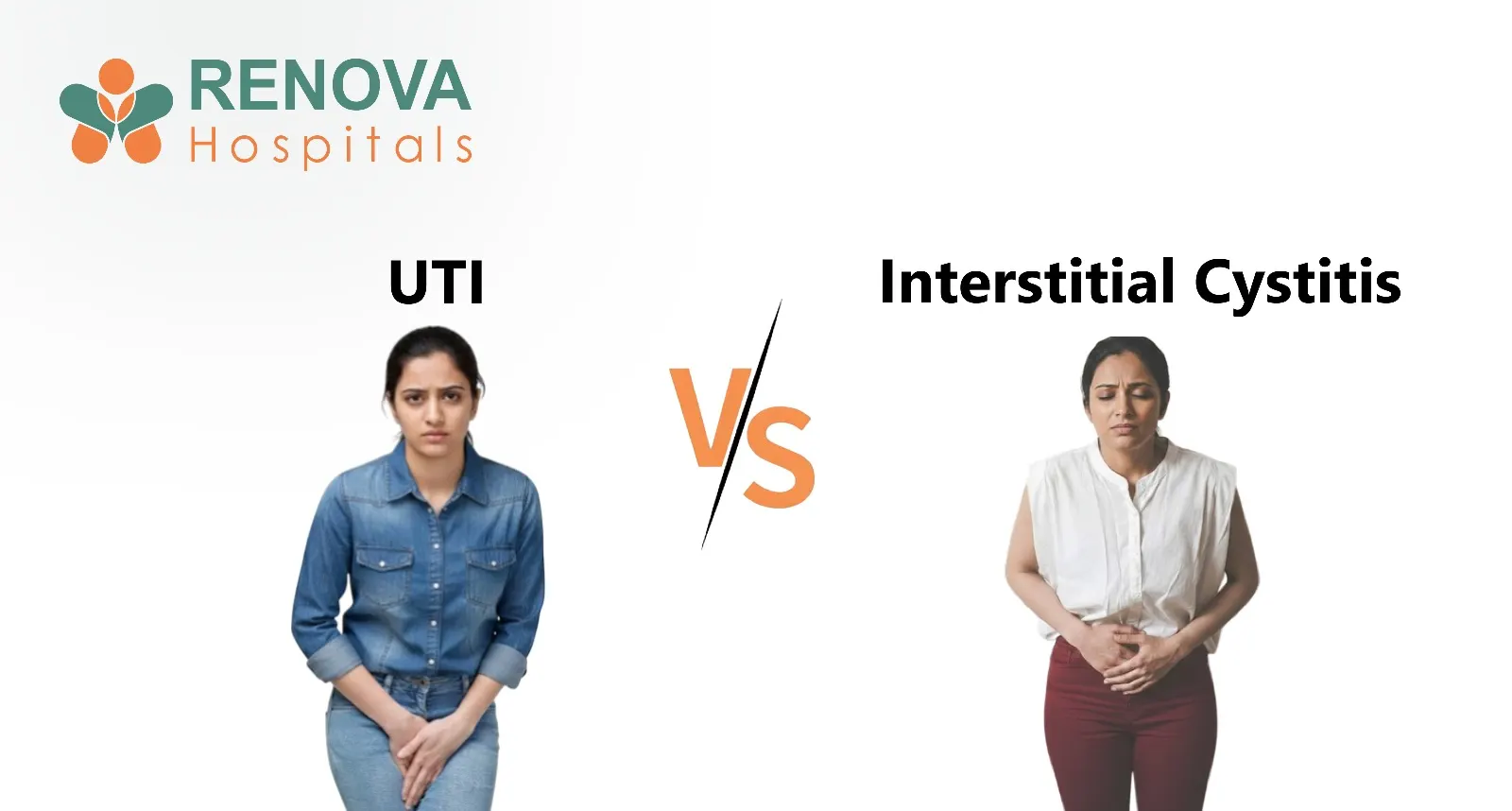
UTI vs. Interstitial Cystitis
Although the conditions can appear similar, their underlying causes and clinical behaviours differ markedly. Here’s a clearer breakdown:
🔹 Urinary Tract Infection (UTI)
Caused by bacteria (most commonly E. coli)
Urine test shows infection, bacteria, white blood cells, and nitrites
Responds to antibiotics and improves within a few days
Fever may occur, especially if the infection spreads to the kidneys
Short-term condition (typically days to weeks with treatment)
Causes burning urination, urgency, and frequency
Pelvic discomfort may be present
Blood in urine is relatively common
Not usually triggered by stress or specific foods
Diagnosed with urinalysis and urine culture
🔹 Interstitial Cystitis (IC)
Not caused by bacteria, a chronic inflammatory bladder condition
Urine tests are typically normal
Does NOT improve with antibiotics
Fever is rare
Chronic condition (can last months to years with flare-ups)
Causes persistent urgency and frequent urination, often more intense
Pelvic or bladder pain is a dominant symptom
Blood in urine is less common
Symptoms may flare with stress, menstruation, caffeine, citrus, or spicy foods.
Diagnosed by ruling out infection; may require cystoscopy or further urological evaluation
How Are UTIs and IC Diagnosed?
Accurate diagnosis is the cornerstone of effective treatment. At Renova Hospitals, evaluation begins with a detailed clinical history, including symptom duration, frequency, and any prior antibiotic courses, followed by targeted testing.
Diagnosing a UTI
Urinalysis assesses for bacteria, white blood cells, and nitrites. A urine culture identifies the specific organism and its antibiotic sensitivities, which is essential for selecting appropriate treatment and avoiding unnecessary broad-spectrum antibiotic use. Most straightforward lower-tract UTIs are confirmed within 24 to 48 hours.
Diagnosing Interstitial Cystitis
IC is a diagnosis of exclusion; there is no single definitive test. The workup involves urinalysis (to rule out infection), urine culture, urodynamic studies to assess bladder function, and cystoscopy, a direct visual examination of the bladder lining. Cystoscopy may reveal characteristic changes such as glomerulations (pinpoint bleeding) or, less commonly, Hunner lesions (ulcerated patches). Symptoms lasting more than six weeks in the absence of any identifiable infection or structural abnormality strongly suggest IC.
Because IC is so underdiagnosed, patients often endure years of unnecessary antibiotic courses before receiving the correct diagnosis. This delays access to treatments that actually work and contributes to the growing global problem of antibiotic resistance.
Treatment: Why Getting the Right Diagnosis Is Critical
Treating a UTI
UTIs respond well to antibiotics when diagnosed early.
Commonly prescribed antibiotics include nitrofurantoin, trimethoprim-sulfamethoxazole, fosfomycin, and cephalexin.
The choice of antibiotic depends on urine culture results, local resistance patterns, allergies, and kidney function.
Most patients experience improvement within 48–72 hours of initiating the appropriate antibiotic.
Antibiotics should never be started without a urine test, as unnecessary use promotes antibiotic resistance and may treat an infection that isn’t present.
Treating Interstitial Cystitis (IC)
Bacteria do not cause IC, so antibiotics are ineffective.
Treatment is individualised and symptom-focused.
Management may include bladder training to gradually increase the time between urinations.
Pelvic floor physiotherapy can help relieve muscle-related pain.
Dietary modification (avoiding caffeine, citrus, spicy foods) may reduce flare-ups.
Stress management is important because it can exacerbate symptoms.
Medications may include pentosan polysulfate sodium, antihistamines, or low-dose tricyclic antidepressants.
In resistant cases, bladder instillation therapy (medication delivered directly into the bladder) may be recommended.
There is no permanent cure for IC, but evidence-based, individualised treatment significantly reduces pain and urinary frequency in most patients, thereby substantially improving quality of life.
Get the Right Diagnosis. Get the Right Relief.
Not all urinary symptoms mean infection. While UTIs need antibiotics, interstitial cystitis requires a different, long-term management approach. Repeated treatment without proper testing can delay relief and worsen discomfort.
If your symptoms are persistent, recurrent, or unexplained, seek expert evaluation. At Renova Hospitals, our specialists ensure accurate diagnosis and personalised care, because the right treatment starts with the right answer.
Our healthcare specialists are equipped with the
knowledge and skills to provide you with the support you require. From consultation to diagnosis to
treatments, our experts are dedicated to helping you.
Gynaecologists – When can you see one, what to expect, common procedures
19 February 2026
|
By
Our first reaction to the words “gynaecology,” “reprodu...
Find quick answers to common questions about our services, doctors, and care at Renova Hospitals. So you can feel informed and confident at every step.
Can I have UTI symptoms but a normal urine test?
Yes. If urine tests show no infection but symptoms persist, conditions like interstitial cystitis or pelvic floor dysfunction may be the cause.
How long should UTI symptoms last after starting antibiotics?
Most people feel better within 48–72 hours. If symptoms persist beyond that, re-evaluation is necessary.
Can interstitial cystitis be cured?
There is no permanent cure, but symptoms can be effectively managed with lifestyle changes and targeted treatment.
Is it safe to take antibiotics every time I have burning urination?
No. Antibiotics should be used only after confirming infection through appropriate testing.
When should I worry about a UTI?
Seek urgent care if you develop fever, severe back pain, vomiting, or worsening symptoms, these may indicate kidney involvement.
Can stress make bladder symptoms worse?
Yes. Stress is a known trigger for flare-ups in interstitial cystitis.
When should I see a urologist?
If symptoms last more than six weeks, recur frequently, or urine tests are repeatedly normal despite symptoms, specialist evaluation is recommended.