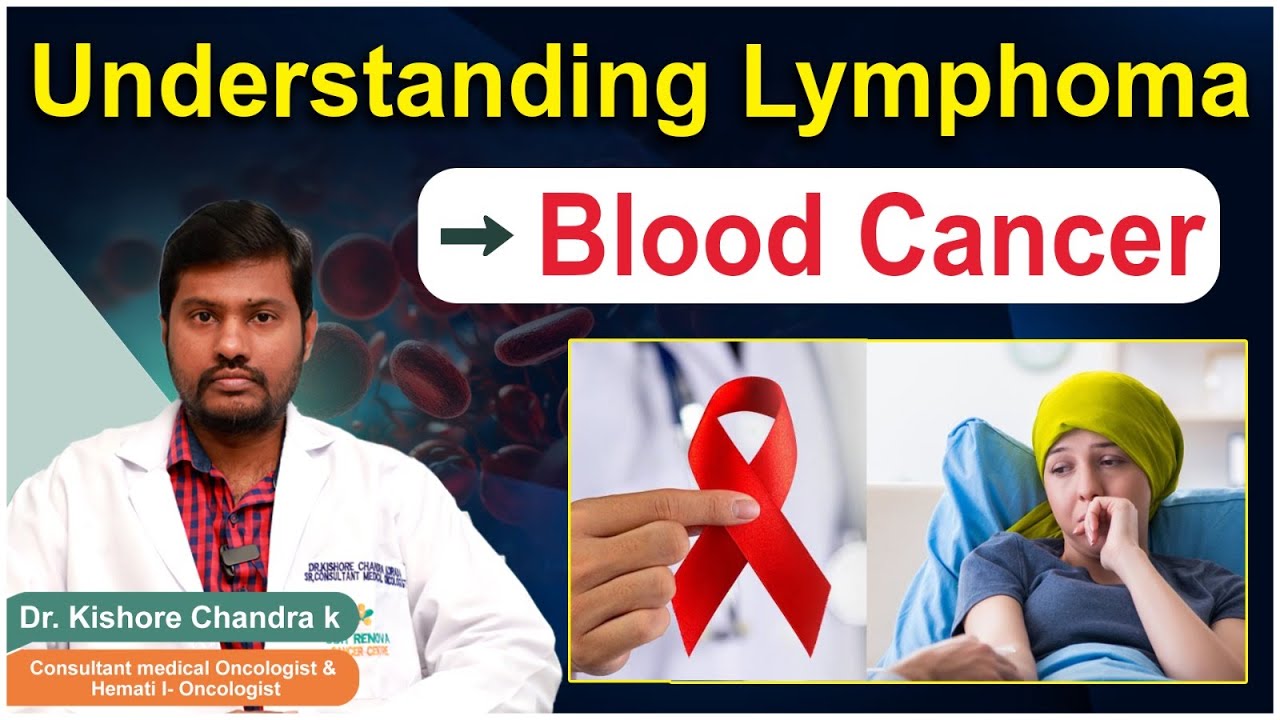
Blood cancers affect the cells that help the body fight infections, carry oxygen and maintain immunity. Two of the most commonly discussed and often confused blood cancers are leukaemia and lymphoma. Although both originate in white blood cells and involve the immune system, they are distinct diseases with different etiologies, symptoms, diagnostic approaches, and treatments.
Understanding the distinction between lymphoma and leukaemia helps patients recognise early warning signs, seek timely diagnosis, and receive the most appropriate treatment. Early detection plays a crucial role in improving outcomes for both conditions.
What Are Leukemia and Lymphoma?
Leukaemia and lymphoma are cancers of the blood and immune system, but they develop in different parts of the body and behave differently.
- Leukaemia is a cancer of the blood and bone marrow.
- Lymphoma is a cancer of the lymphatic system.
Although both involve abnormal white blood cells, the ways these cells grow, spread, and affect the body differ significantly.
Where Do Leukaemia and Lymphoma Start?
Leukaemia: Cancer That Begins in the Bone Marrow
Leukaemia starts in the bone marrow, the spongy tissue inside bones where blood cells are produced.
In leukemia:
- White blood cells grow abnormally and uncontrollably.
- Cancerous cells crowd out healthy red blood cells, white blood cells and platelets.
- Abnormal cells enter the bloodstream and may spread to organs such as the liver, spleen, and lymph nodes.
Because leukaemia directly affects bone marrow function, symptoms are often related to low blood counts, such as anaemia, infections and bleeding problems.
Lymphoma: Cancer That Begins in the Lymphatic System
Lymphoma starts in the lymphatic system, which is a network of tissues and organs that help the body fight infection. It includes:
- Lymph nodes
- Spleen
- Thymus
- Lymphatic vessels
In lymphoma:
- Cancer develops in lymphocytes, a type of white blood cell.
- Tumours often form in lymph nodes or lymphoid tissues.
- The disease may later involve bone marrow or other organs.
A key difference between leukaemia and lymphoma is that lymphoma often presents as solid tumours, while leukaemia usually circulates in the blood.
Types of Leukaemia and Lymphoma
Types of Leukaemia
Leukaemia is classified based on how quickly it progresses and which white blood cells are affected.
The main types include:
- Acute Lymphoblastic Leukaemia (ALL)
- Acute Myeloid Leukaemia (AML)
- Chronic Lymphocytic Leukaemia (CLL)
- Chronic Myeloid Leukaemia (CML)
- Acute leukaemia progresses rapidly and requires immediate treatment.
- Chronic leukaemia progresses more slowly and may not need treatment right away.
These distinctions are critical when deciding on leukaemia treatment options.
Types of Lymphoma
Lymphoma is broadly divided into two main categories:
- Hodgkin’s Lymphoma
- Non-Hodgkin’s Lymphoma (NHL)
Non-Hodgkin’s lymphoma includes more than 50 subtypes, ranging from slow-growing (indolent) lymphomas to aggressive, fast-growing forms. Identifying the exact subtype is essential for determining prognosis and treatment.
Symptoms: How Leukaemia and Lymphoma Present Differently
Leukemia Symptoms
Because leukaemia affects bone marrow and blood cell production, symptoms often relate to reduced healthy blood cells.
Common leukaemia symptoms include:
- Persistent fatigue and weakness
- Frequent or severe infections
- Easy bruising or unexplained bleeding
- Bone pain or joint pain
- Fever and night sweats
- Pale skin due to anaemia
- Swollen liver or spleen
Symptoms may appear suddenly in acute leukaemia or develop gradually in chronic leukaemia.
Lymphoma Symptoms
Lymphoma symptoms are often related to lymph node enlargement and immune system activation.
Common lymphoma symptoms include:
- Painless swollen lymph nodes in the neck, armpits or groin
- Fever and night sweats
- Sudden, unexplained weight loss
- Persistent itching of the skin
- Chest pain or difficulty breathing if the lymph nodes in the chest are enlarged
- Abdominal fullness or discomfort due to spleen enlargement
A hallmark symptom of lymphoma is painless lymph node swelling that does not resolve.
Causes and Risk Factors
What Causes Leukaemia and Lymphoma?
The exact causes of leukaemia and lymphoma are not fully understood. Both develop when white blood cells acquire genetic mutations that cause uncontrolled growth.
Risk factors may include:
- Increasing age
- Family history of blood cancers
- Exposure to radiation or certain chemicals
- Weakened immune system
- Certain viral infections (for lymphoma)
Having risk factors does not mean a person will develop cancer, but awareness supports early evaluation.
Diagnosis and Tests
How Is Leukaemia Diagnosed?
Doctors diagnose leukaemia using blood and bone marrow tests.
Common leukaemia diagnostic tests include:
- Complete blood count (CBC)
- Peripheral blood smear
- Bone marrow biopsy
- Flow cytometry
- Genetic and molecular testing
These tests help identify leukaemia type, disease aggressiveness and the best treatment approach.
How Is Lymphoma Diagnosed?
Lymphoma diagnosis relies heavily on tissue examination.
Common lymphoma diagnostic tests include:
- Lymph node biopsy (gold standard)
- PET-CT or CT scans
- Bone marrow biopsy in selected cases
- Immunohistochemistry and genetic analysis
Accurate classification of lymphoma subtype is essential for effective treatment.
Treatment Approaches
Leukaemia Treatment Options
Leukaemia treatment depends on type, stage, genetics and patient health.
Treatment may include:
- Chemotherapy
- Targeted therapy
- Immunotherapy
- CAR-T cell therapy
- Bone marrow (stem cell) transplant
Some chronic leukaemias may initially be monitored before starting treatment.
Lymphoma Treatment Options
Lymphoma treatment varies based on subtype and disease stage.
Treatment may include:
- Chemotherapy
- Immunotherapy
- Targeted therapy
- Radiation therapy
- CAR-T cell therapy for selected cases
- Bone marrow transplant
Hodgkin’s lymphoma has one of the highest cure rates among cancers, especially when diagnosed early.
Prognosis and Survival
Which Is More Serious: Leukemia or Lymphoma?
Both leukaemia and lymphoma can be serious, but prognosis depends on:
- Cancer type and subtype
- Stage at diagnosis
- Genetic mutations
- Age and overall health
- Response to treatment
With modern advances in targeted therapy, immunotherapy and CAR-T therapy, survival rates for both diseases have improved dramatically. Many patients now achieve long-term remission, and some are cured.
When Should You See a Doctor?
You should seek medical evaluation if you experience:
- Persistent swollen lymph nodes
- Ongoing fever or night sweats
- Unexplained fatigue
- Easy bruising or bleeding
- Sudden weight loss
Early diagnosis improves treatment success and reduces complications.
Lymphoma vs Leukaemia
Although leukaemia and lymphoma are both blood cancers, they:
- Start in different parts of the body
- Present with different symptoms
- Require different diagnostic approaches
- Have different treatment strategies
With early detection and modern therapies, outcomes for both conditions have improved significantly.
If symptoms persist or worsen, consulting a medical oncologist without delay can make a life-saving difference.
Expert Care at Renova Hospitals
At Renova Hospitals, patients with suspected or diagnosed blood cancers receive comprehensive, evidence-based care under the guidance of Dr. Rajesh Bollam, Director – Renova Hospitals and a European-certified Medical Oncologist.
Care focuses on precise diagnosis, advanced treatment planning and long-term follow-up, with a multidisciplinary approach tailored to each patient’s condition and overall health.
Leukaemia and lymphoma are serious conditions, but with early diagnosis, modern treatments and expert medical care, many patients are living longer and healthier lives. Recognising symptoms early and seeking timely medical attention can be life-saving.