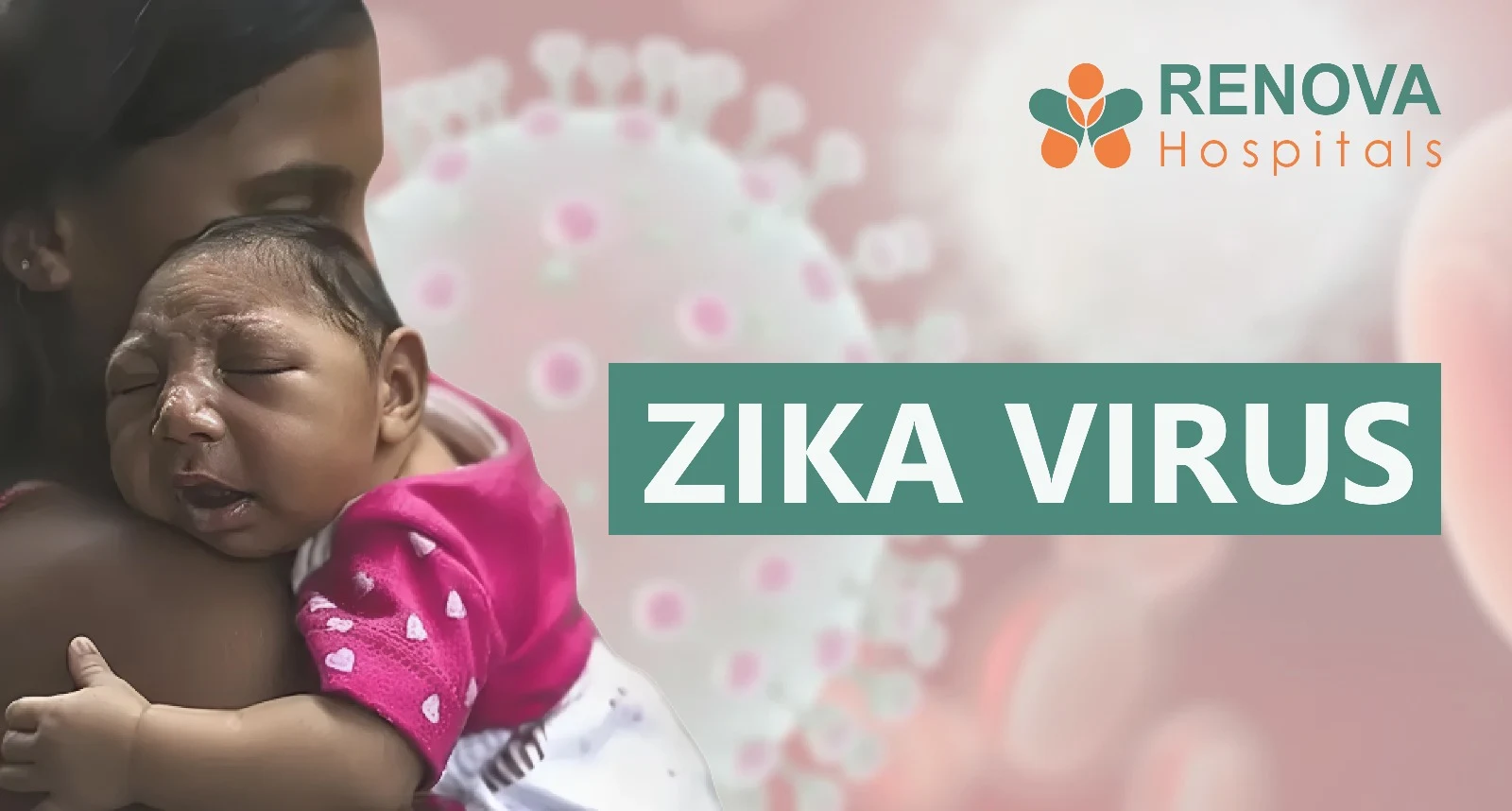
Zika virus causes only mild illness in most people, but during pregnancy it can seriously affect a baby's development — which is why awareness matters most for expecting mothers. Here's how Zika spreads, the symptoms to watch for, the risks in pregnancy, and how to protect yourself.
Overview
Mild fever, skin rashes, aching joints, and red eyes are symptoms many people quickly dismiss as common viral fever or a change in the weather. Because these signs are usually mild, most individuals recover on their own and never feel the need to see a doctor. In some cases, however, these everyday symptoms may point to Zika virus infection, a mosquito-borne illness that often goes unnoticed but can still affect public health.
Knowing what the Zika virus infection is matters because a Zika virus-infected person may feel almost normal while still carrying and spreading the virus. While Zika virus infection in India is uncommon, occasional cases have been reported, particularly in areas with high mosquito activity. The most significant concern is congenital Zika virus infection, as infection during pregnancy can interfere with a baby’s brain development.
What Is Zika Virus Infection?
Zika virus infection is a disease caused by a virus from the Flavivirus family. While it is closely related to other well-known tropical illnesses such as dengue and chikungunya, it has gained global attention for its specific impact on maternal and fetal health.
In some cases, the infection is relatively mild and may even go unnoticed. However, its primary danger lies in its ability to be transmitted from a pregnant person to their fetus, which can lead to severe developmental issues.
- Transmission: It is primarily spread by the bites of infected mosquitoes, though it is unique among similar viruses in that it can also be transmitted through other routes.
- Viral Family: It belongs to the same category as dengue and chikungunya, which is why healthcare providers often compare them during a diagnosis.
- Unique Risks: Unlike many other viral fevers, Zika is linked explicitly to congenital abnormalities (congenital disabilities) if contracted during pregnancy.
- General Symptoms: For the average person, the illness typically results in low-grade fever, rashes, and joint pain, often resolving on its own without severe complications.
How Does Zika Virus Infection Develop?
Zika virus infection develops after a person is bitten by an infected Aedes mosquito, most commonly Aedes aegypti. Once the virus enters the bloodstream, it spreads to immune cells and tissues.
In most individuals, the immune system clears the virus within days. However, during pregnancy, the virus can cross the placenta and infect the developing fetus. This explains why congenital Zika virus infection is associated with severe neurological abnormalities.
The Zika virus may also spread through:
- Unprotected sexual contact
- Blood transfusion (rare)
- Transmission from mother to fetus
In many cases, especially early on, Zika virus infection may remain asymptomatic despite detectable virus in blood tests.
What Causes Zika Virus Infection?
Primary Causes
- The Primary Carrier: Most infections start with the bite of an infected Aedes mosquito (the same ones that carry Dengue and Yellow Fever). These mosquitoes are particularly "domestic," meaning they prefer living near people and biting during the day.
- Geographic Vulnerability: People living in or visiting tropical and subtropical climates where these mosquitoes thrive face the highest risk of exposure.
- Human-to-Human Contact: Unlike many other mosquito-borne illnesses, Zika can be passed between people through unprotected sexual contact, as the virus can linger in bodily fluids long after the initial fever fades.
- Maternal Transmission: One of the most serious pathways is from an expectant mother to her developing baby, where the virus can pass through the placenta.
What Happens Inside the Body
- The Infiltration: After a bite, the virus enters the bloodstream and targets immune and nerve cells. It uses these cells as "factories" to create more copies of itself.
- The Inflammatory Response: As your immune system recognises the intruder, it triggers an inflammatory response. This internal "battle" is what causes the signature rash, fever, and joint pain.
- Crossing the Barrier: In pregnant women, the virus has the unique and dangerous ability to breach the placental barrier. Once it reaches the fetus, it targets explicitly developing brain cells (neural progenitor cells), which can lead to significant developmental issues.
- Neurological Impact: By disrupting how nerve cells grow and organise, the virus can cause neurological complications in some adults and severe congenital disabilities in infants.
These mechanisms explain symptoms such as fever, rash, and joint pain, and the severe neurological impact on unborn babies.
What Are the Types of Zika Virus Infection?
1. Asymptomatic Zika Virus Infection
Most individuals infected with the Zika virus do not develop noticeable symptoms.
There is:
- No fever
- No pain
- No visible rash
- No immediate complications
2. Symptomatic Zika Virus Infection
This occurs when the virus triggers an immune response, leading to clinical symptoms.
Signs include:
- Low-grade fever
- Skin rash
- Joint and muscle pain
- Red eyes (conjunctivitis)
- Headache and fatigue
Symptoms usually resolve within 7–10 days, but monitoring is essential in pregnant women.
3. Congenital Zika Virus Infection
This is the most serious form and occurs when a pregnant woman is infected.
It may lead to:
- Microcephaly (small head size)
- Brain malformations
- Vision and hearing loss
- Developmental delays
Congenital Zika virus infection can cause lifelong disability, even if the mother had mild or no symptoms.
People at Risk of Zika Virus Infection
Certain groups are more vulnerable to complications from Zika virus infection. Awareness of these risk categories helps in early diagnosis, monitoring, and prevention.
People at higher risk include:
- Pregnant women – Risk of congenital Zika virus infection
- Unborn babies – The developing nervous system is highly vulnerable
- People living in mosquito-prone areas – Tropical and subtropical regions
- Travellers to endemic regions – Especially without mosquito protection
- Sexual partners of infected individuals – Risk through sexual transmission
Individuals in these groups should not ignore symptoms such as rash, fever, or conjunctivitis, particularly during pregnancy, as early medical evaluation can prevent severe outcomes.
What Are the Symptoms of Zika Virus Infection?
There is a "waiting period," known as the incubation period, that typically lasts 3 to 14 days. Once the virus takes hold, the symptoms tend to be relatively mild, to the point that many people don't even realise they have been infected.
- Low-Grade Fever: You might experience a slight rise in body temperature, though it rarely reaches the high spikes seen with dengue.
- The "Zika Rash": This is often a maculopapular rash, appearing as small red bumps or flat red patches. It frequently starts on the face and spreads to the trunk and limbs.
- Aches and Pains: Many people report stiffness in the small joints (such as the fingers and toes) and general muscle soreness.
- Conjunctivitis: Your eyes may look red, feel itchy, or seem irritated, though there is usually no pus or discharge.
- Persistent Headache: A dull, nagging headache is a common complaint during the first few days of the illness.
- Fatigue: A general sense of weakness or "brain fog" that makes you want to stay in bed.
Is Zika Virus Infection Contagious?
Zika virus infection does not spread through casual contact such as touching or sharing food.
What Is the Diagnosis of Zika Virus Infection?
Identifying a Zika infection can be like solving a puzzle. Because its symptoms are so similar to those of its "cousins," dengue and chikungunya, doctors can’t usually diagnose it just by looking at you. Instead, they rely on a combination of your travel history, your current symptoms, and specific laboratory "detective work."
- Molecular Testing (RT-PCR): The "gold standard" for early detection. It looks for the virus's actual genetic material (RNA) in your blood. It is most effective within the first week of symptoms.
- Urine Analysis: Interestingly, the Zika virus often remains detectable in a person's urine longer than in their blood. Testing a urine sample can provide a wider window for an accurate diagnosis.
- Antibody Testing: If it has been more than a week since your symptoms started, doctors may test for specific antibodies (such as IgM) produced by your immune system to fight the virus.
- Differential Diagnosis: Because Zika often circulates in the same tropical regions as dengue and chikungunya, doctors will frequently test for all three simultaneously to avoid misdiagnosis.
Special Monitoring During Pregnancy
When a pregnant person is diagnosed with (or even just exposed to) Zika, the focus shifts toward the health of the developing baby. This involves a much more intensive, long-term evaluation.
- Detailed Ultrasounds: Doctors use frequent ultrasounds to monitor the baby’s growth and check for physical signs of infection.
- Serial Brain Imaging: Since Zika specifically targets developing nerve cells, specialists perform regular scans to check the baby’s brain structure and look for signs of calcification or microcephaly (a smaller-than-average head size).
- Amniotic Testing: In some cases, a doctor may recommend testing the fluid surrounding the baby to determine whether the virus has crossed the placental barrier.
What Is the Treatment for Zika Virus Infection?
Since there is no specific antiviral drug or vaccine for the Zika virus, treatment focuses entirely on symptom management and supportive care. The goal is to keep the patient comfortable and hydrated while the body’s immune system clears the infection naturally. For high-risk individuals, such as pregnant women, the "treatment" involves intensive monitoring to detect and manage potential complications early.
- Hydration & Rest: Drink plenty of water and electrolyte-rich fluids to prevent dehydration, and get as much rest in bed as possible to support recovery.
- Paracetamol (Acetaminophen): Used as the primary medication to reduce fever and manage joint or muscle pain safely.
- Avoid NSAIDs: Do not take Aspirin, Ibuprofen (Advil/Motrin), or Naproxen until Dengue fever is ruled out, as these can cause severe bleeding if Dengue is present.
- No Antibiotics: Since Zika is a virus and not a bacterium, antibiotics are ineffective and are not used.
- Specialised Fetal Monitoring: For pregnant patients, treatment includes serial ultrasounds and specialised imaging (like fetal MRI) to track the baby's brain development.
- Neonatal Evaluation: Infants born to affected mothers receive immediate
- neurological, hearing, and vision screenings to address any developmental issues at birth.
- Preventing Secondary Spread: Patients must use repellent and stay indoors for the first week to prevent mosquitoes from biting them and spreading the virus to others.
When Should You Seek Medical Care?
While most cases of Zika are mild, there are specific situations where professional medical intervention is non-negotiable. Because the symptoms of Zika can mirror more dangerous tropical diseases, knowing when to transition from home care to a clinical setting is vital for your safety.
- Pregnancy Exposure: If you are pregnant and have travelled to a Zika-affected area or had unprotected sex with someone who has,s you should see your obstetrician immediately, even if you feel perfectly fine. Early testing is the only way to begin protective monitoring.
- High or Persistent Fever: If your fever spikes significantly or doesn't respond to Paracetamol, it’s time for a check-up to rule out secondary infections or more aggressive viruses like Dengue.
- Neurological Red Flags: Seek emergency care if you experience tingling,
- numbness, or muscle weakness in your legs that spreads to your upper body. This can be a sign of Guillain-Barré syndrome, a rare but serious neurological complication.
- Severe Dehydration: If you are unable to keep fluids down, notice a significant decrease in urine output, or experience severe dizziness, you may need IV fluids.
- Severe Eye Pain or Vision Changes: Because Zika can cause eye inflammation (conjunctivitis), any severe pain or vision changes should be evaluated by a specialist.
- Worsening Symptoms: If your "mild" joint pain or rash worsens after the first few days, a medical evaluation can help ensure your body is recovering as expected.
Prevention of Zika Virus Infection
Preventing the Zika virus requires a proactive, multi-layered approach because there is currently
- Mosquito Protection:
- Environmental Management:
- Safe Sexual Practices:
- Targeted Travel Precautions:
- Infection Containment:
- Public Awareness:
Renova Hospitals: Advanced Viral Infection & Maternal Care
Dealing with a viral infection like Zika demands more than a prescription; it requires a compassionate network of experts. At Renova Hospitals, we provide a unified front against these challenges, bringing together infectious disease specialists, obstetricians, and radiologists who work as one to protect both mother and child. We prioritise early, accurate detection and use pregnancy-safe, advanced imaging to provide families with clear answers and constant support throughout their journey. Our care extends well beyond birth, as we offer long-term developmental monitoring to ensure every infant reaches their full potential. By merging the latest medical science with a heart for the patient, we focus on more than just recovery; we focus on securing a healthy future for your family.
Disclaimer
This content is for general information only and does not replace professional medical advice. Always consult a qualified doctor for diagnosis and treatment.