Home Blogs Chronic Hoarseness: When Laryngitis Is More Than Just a Cold
Chronic Hoarseness Treatment at Renova Hospitals

By Renova Hospitals

January 28, 2026

Chronic Hoarseness: When Laryngitis Is More Than Just a Cold

A hoarse voice is one of the most commonly ignored symptoms of poor health. Many people continue their daily routines while their voice sounds rough, strained, or weak, assuming it is due to weather changes, overuse, or a lingering cold. In reality, the voice is one of the body’s most sensitive indicators of ongoing irritation or disease. When hoarseness does not resolve on its own, it deserves careful attention.

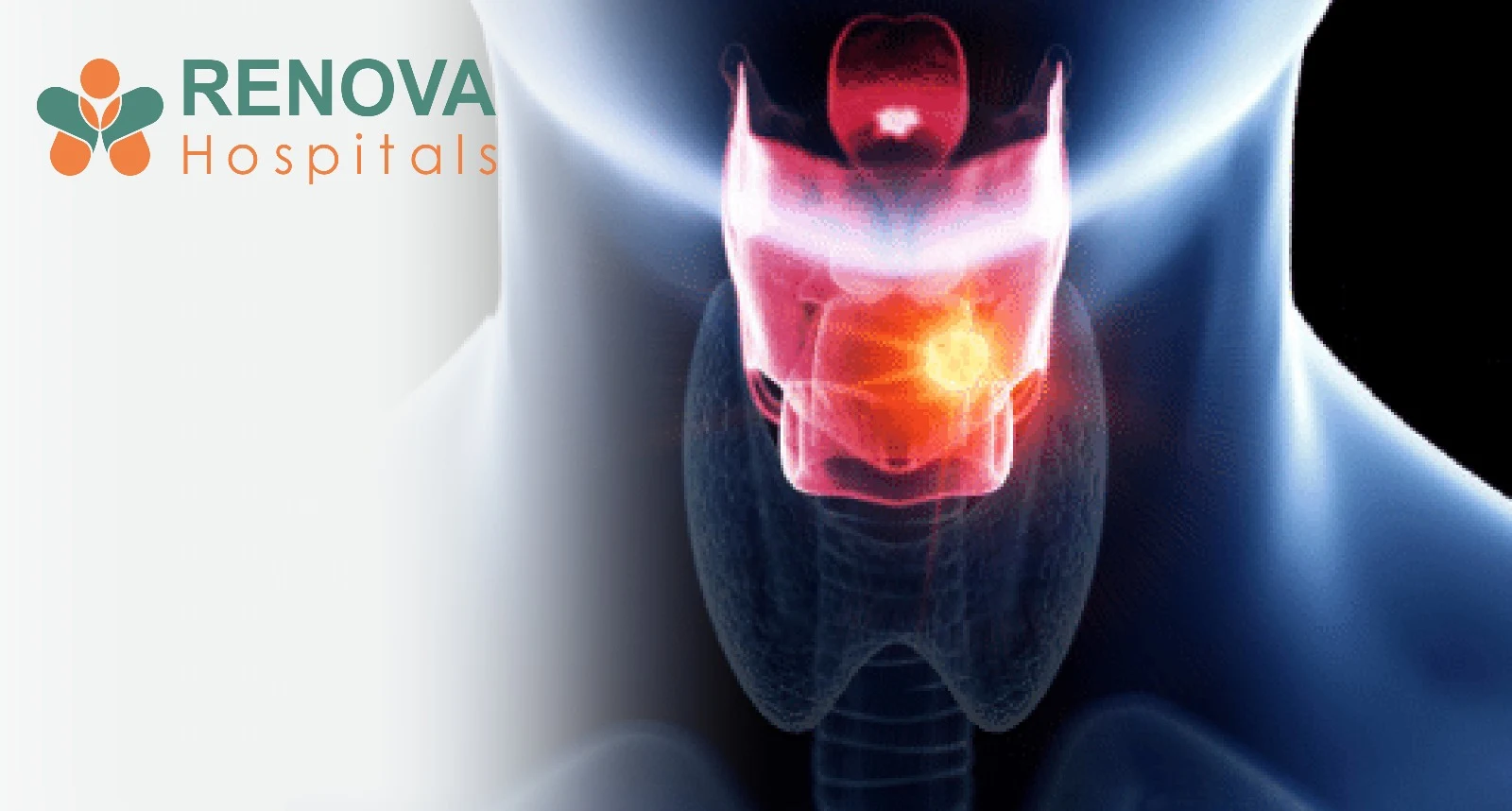
Chronic hoarseness is not merely a voice inconvenience. It is often the earliest outward sign of persistent inflammation, vocal cord injury, reflux-related damage, nerve dysfunction, or even serious throat conditions. A chronic hoarse voice reflects a problem that has moved beyond temporary infection and into a state that requires medical evaluation.

This in-depth guide explains chronic hoarseness in detail, covering symptoms, causes, diagnostic pathways, treatment, prognosis, and the importance of early ENT care.

Chronic Hoarseness 2


How the Voice Works and Why It Fails


Voice production depends on precise coordination between the lungs, vocal cords, throat muscles, and nerves. When air passes smoothly through healthy vocal cords, sound is clear and effortless. Even minor disruptions, such as swelling, dryness, or stiffness, can significantly alter voice quality.

Short-term hoarseness occurs when this system is temporarily inflamed, usually due to infection or overuse. Chronic hoarseness, however, indicates that the vocal cords are repeatedly or continuously exposed to damaging factors.

What Is Chronic Hoarseness?


Clinically, hoarseness becomes chronic when:

  • Voice changes last more than 3 weeks, or
  • Hoarseness persists even after cold, flu, or throat infection symptoms have resolved

A chronic hoarse voice may be rough, breathy, strained, or weak. Importantly, it may not be painful. This absence of pain is precisely why many people delay evaluation—despite ongoing damage.

In ENT practice, duration is the red flag, not severity.

Why Chronic Hoarseness Is Frequently Overlooked


Before listing symptoms or causes, it is important to understand why chronic hoarseness is often ignored. Voice changes tend to develop gradually. People adapt to the new sound of their voice, compensating by speaking less or straining more. Over time, this adaptation worsens vocal cord injury.

Common assumptions include:

  • “It will settle on its own”
  • “I talk a lot for work”
  • “It’s just acidity or allergies”
  • “My voice has always been like this”

These assumptions delay diagnosis and allow treatable conditions to progress.

Symptoms That Commonly Accompany Chronic Hoarseness


Chronic hoarseness rarely exists in isolation. Associated symptoms often provide critical diagnostic clues. Recognising these early can shorten the path to accurate treatment.

Voice-Related Symptoms

Before listing individual signs, it helps to understand that persistent voice strain alters how the vocal cords vibrate. This results in fatigue and reduced efficiency, even during minimal voice use.

  • Persistent rough or raspy voice
  • Breathy or weak voice quality
  • Voice fatigue after short conversations
  • Difficulty projecting voice in group settings

These symptoms suggest structural or inflammatory vocal cord involvement.

Throat-Related Symptoms

Long-standing irritation of the throat and larynx often produces discomfort even without infection. Many patients describe a constant awareness of their throat.

  • Chronic sore throat, hoarseness, especially on waking
  • Burning or scratchy sensation
  • A feeling of a lump or tightness in the throat
  • Frequent throat clearing

These features commonly point toward reflux-related injury or postnasal drip.

Chronic Cough and Respiratory Symptoms

A significant number of patients experience chronic cough and hoarseness together. This combination is particularly important, as cough both causes and worsens vocal cord damage.

Common symptoms of chronic cough and hoarseness include:

  • Dry cough lasting several weeks or months
  • Cough worse at night or after meals
  • Voice deterioration after coughing spells
  • Sensation of mucus stuck in the throat

This pattern often indicates reflux, airway irritation, or chronic inflammation.

Chronic Hoarse Voice Causes: Understanding the Real Triggers


Hoarseness lasting weeks is rarely accidental. Understanding chronic hoarse voice causes helps clarify why treatment must be targeted rather than generic.

1. Chronic Laryngitis

Before listing triggers, it is important to note that chronic laryngitis represents sustained inflammation of the vocal cords. Unlike acute infection, this inflammation does not resolve without addressing its cause.

  • Smoking or passive smoke exposure
  • Air pollution and occupational irritants
  • Acid reflux
  • Repeated voice strain

Over time, chronic laryngitis thickens vocal cord tissue, permanently altering voice quality if untreated.

2. Acid Reflux Affecting the Throat

Laryngopharyngeal reflux is one of the most underdiagnosed causes of chronic hoarseness. Unlike classic acidity, it may occur without heartburn.

  • Chronic cough and hoarseness without chest pain
  • Throat irritation worse in the morning
  • Frequent throat clearing
  • Voice fatigue

Repeated acid exposure causes chemical injury to the delicate vocal cord lining.

3. Vocal Cord Nodules, Polyps, and Cysts

These benign lesions form due to mechanical stress. Over time, even small growths disrupt smooth vocal cord vibration.

  • Common in teachers, singers, speakers, and call-centre workers
  • Voice becomes persistently hoarse and strained
  • Symptoms worsen with voice use

Without voice therapy or intervention, lesions may enlarge.

4. Postnasal Drip and Allergic Conditions

Chronic nasal or sinus inflammation causes mucus to flow onto the vocal cords, leading to irritation.

  • Chronic sore throat and hoarseness
  • Constant throat clearing
  • Voice strain

Unless the underlying allergy is controlled, hoarseness persists despite symptomatic care.

5. Neurological Causes

The vocal cords are controlled by fine nerves. Any disruption can alter voice strength and quality.

  • Viral nerve injury
  • Thyroid or chest surgery
  • Neurological disorders

Patients often develop a weak, breathy, chronic hoarse voice that worsens with speaking.

6. Smoking and Alcohol Use

Smoking causes direct chemical and thermal injury to the vocal cords.

  • Progressive voice deepening or roughness
  • Chronic inflammation
  • Increased cancer risk

Persistent hoarseness in smokers must always be evaluated promptly.

7. Laryngeal and Throat Cancer

Although less common, cancer is the most critical diagnosis to exclude.

  • Painless chronic hoarseness
  • Gradually worsening voice
  • Difficulty swallowing
  • Unexplained weight loss

Early-stage laryngeal cancer often presents only with hoarseness, making early ENT review essential.

Why Chronic Cough and Hoarseness Often Occur Together


Before listing consequences, it is important to understand the cycle involved. Cough repeatedly slams the vocal cords together, causing trauma. Inflamed cords, in turn, trigger more cough.

  • Ongoing coughing worsens hoarseness
  • Hoarse cords increase throat sensitivity
  • The cycle continues unless interrupted

Breaking this cycle requires identifying and treating the underlying cause, not just suppressing the cough.

When Chronic Hoarseness Requires Medical Evaluation


Hoarseness should never be “waited out” indefinitely. ENT evaluation is advised when:

  • Hoarseness lasts more than 3 weeks
  • Voice progressively worsens
  • Hoarseness is associated with cough, pain, or swallowing difficulty
  • There is a history of smoking or alcohol use
  • Voice changes follow surgery or prolonged intubation

Early assessment prevents permanent voice damage.

Diagnostic Approach to Chronic Hoarseness


Clinical Assessment
Doctors begin with a detailed evaluation of:

  • Voice use patterns
  • Occupational risks
  • Reflux, allergy, and smoking history

Laryngoscopic Examination
This simple procedure allows direct visualisation of the vocal cords to detect:

  • Inflammation
  • Nodules or polyps
  • Vocal cord paralysis
  • Suspicious lesions

Additional Investigations

  • Voice analysis
  • Imaging studies
  • Reflux testing

Accurate diagnosis is the foundation of effective chronic hoarseness treatment.

Chronic Hoarseness Treatment: Treat the Cause, Protect the Voice


Effective chronic hoarseness treatment is always cause-based.

Medical Management
  • Reflux control
  • Allergy treatment
  • Infection management

Voice Therapy
  • Guided by trained speech and voice specialists
  • Corrects harmful vocal habits
  • Prevents recurrence and long-term damage

Lifestyle and Voice Care
  • Adequate hydration
  • Avoiding shouting and whispering
  • Smoking cessation
  • Dietary reflux control

Surgical Options

Used selectively for:

  • Vocal cord nodules or polyps
  • Structural abnormalities
  • Early-stage cancers

Prognosis: Can Chronic Hoarseness Be Reversed?


When identified early, the prognosis is excellent.

  • Most patients recover a normal or near-normal voice
  • Voice therapy significantly improves outcomes
  • Early cancer detection dramatically improves survival

Delayed evaluation may lead to permanent voice changes or missed serious disease.

Impact of Chronic Hoarseness on Quality of Life


A persistent voice problem affects more than speech:

  • Professional communication suffers
  • Social interactions become tiring
  • Confidence and emotional well-being decline

For voice-dependent professionals, untreated hoarseness can become career-limiting.

Persistent Hoarseness Needs ENT Expertise at Renova Hospitals


Persistent voice changes should never be dismissed as a minor inconvenience or “just another cold.” A chronic hoarse voice lasting more than a few weeks is a clear medical signal that the vocal cords are under ongoing stress, whether from reflux, chronic inflammation, vocal strain, nerve-related issues, or more serious conditions. 

Living with chronic hoarseness, especially when associated with chronic cough and hoarseness or chronic sore throat hoarseness, can allow reversible problems to become permanent and serious conditions to go undetected. Early, structured evaluation is the key to protecting long-term voice health and overall well-being.

At Renova Hospitals, experienced ENT specialists use advanced laryngoscopic evaluation and evidence-based care to diagnose chronic hoarseness early and preserve long-term voice health.

Your voice reflects your health.
Listen to persistent changes, and seek timely care at Renova Hospitals.

Want to connect with a specialist?

Book your appointment now

Recent Blogs

Our healthcare specialists are equipped with the knowledge and skills to provide you with the support you require. From consultation to diagnosis to treatments, our experts are dedicated to helping you.

Gynaecologists – When can you see one, what to expect, common procedures

Gynaecologists – When can you see one, what to expect, common procedures

29 January 2026 | By

Our first reaction to the words “gynaecology,” “reprodu...

Read More
Common childhood injuries and ways to prevent them

Common childhood injuries and ways to prevent them

29 January 2026 | By

Kids are bustling with energy, zooming in and out of th...

Read More
Learn why winter is the perfect time for a family health checkup

Learn why winter is the perfect time for a family health checkup

29 January 2026 | By

Winter.. Ah, the name itself is comforting. The moment...

Read More
Importance of vaccination and how it helps

Importance of vaccination and how it helps

29 January 2026 | By

Prevention is better than cure. We have heard this adag...

Read More
Tips to handle an emergency situation

Tips to handle an emergency situation

29 January 2026 | By

Very few words can instill as much fear and anxiety in...

Read More
Fitness is ageless – However young or old you are, you must exercise

Fitness is ageless – However young or old you are, you must exercise

29 January 2026 | By

There are many words in the English language but very f...

Read More
Perks of joint replacement surgery – Tips for better results

Perks of joint replacement surgery – Tips for better results

29 January 2026 | By

The word “surgery” instills an indescribable amount of...

Read More
Common winter illnesses and how to prevent them

Common winter illnesses and how to prevent them

29 January 2026 | By

Remember when this just solicited an “excuse me” and ev...

Read More
Breast Cancer Awareness and Preventive Screening at Renova Hospitals

Early Detection and Healthy Habits: The First Steps in the Fight Against Breast Cancer

29 January 2026 | By

Breast cancer can affect women as young as their 20s. E...

Read More
Abscess infection awareness and treatment overview

Abscess: Causes, Types, Symptoms, and Safe Treatment at Renova Hospitals Hyderabad

29 January 2026 | By

Discover how Renova Hospitals Hyderabad manages abscess...

Read More
Babesiosis infection awareness, tick-borne disease

Babesiosis: Causes, Symptoms, and Safe Treatment at Renova Hospitals Hyderabad

29 January 2026 | By

A deep look into Babesiosis — the tick-borne disease de...

Read More
Cachexia

Cachexia: Extreme Weight Loss, Muscle Wasting & Metabolic Imbalance – Complete Guide by Renova Hospitals Hyderabad

29 January 2026 | By

A detailed guide to cachexia, its stages, causes, sympt...

Read More
Dandruff & Seborrheic Dermatitis

Dandruff - Seborrheic Dermatitis of the Scalp: Complete Medical Guide, Causes, Symptoms & Treatment

29 January 2026 | By

Learn the science behind dandruff, seborrheic dermatiti...

Read More
A Nurse taking care of an eclampsia patient

Eclampsia: Causes, Symptoms, Stages & Emergency Treatment at Renova Hospitals Hyderabad

29 January 2026 | By

Understand how eclampsia develops, early warning signs,...

Read More
Facial Paralysis Treatment at Renova Hospitals

Facial Paralysis: Causes, Symptoms & Comprehensive Treatment at Renova Hospitals Hyderabad

29 January 2026 | By

Facial paralysis affects more than just looks—it impact...

Read More
Gallstones Treatment at Renova Hospitals

Gallstones: Causes, Symptoms, Diagnosis, Treatment and Surgery – Complete Medical Guide by Renova Hospitals, Hyderabad

29 January 2026 | By

Gallstones occur when cholesterol or bilirubin solidifi...

Read More
Hay Fever Treatment at Renova Hospitals

Hay Fever (Allergic Rhinitis): Complete Medical Guide, Causes, Symptoms, Diagnosis & Advanced Treatment - Renova Hospitals

29 January 2026 | By

Learn how hay fever develops, its triggers, symptoms, r...

Read More
Digestive system illustration showing symptoms of irritable bowel syndrome

Irritable Bowel Syndrome (IBS): Complete Guide to Symptoms, Diagnosis, Treatment Options & Long-Term Management

29 January 2026 | By

Irritable Bowel Syndrome (IBS) is a common functional d...

Read More
Yellowing of eyes due to jaundice, showing liver and bile duct blockage causing obstructive jaundice

Jaundice in Adults: Symptoms, Types, Causes, Treatment, Diet, Recovery & Prevention

29 January 2026 | By

Jaundice is a visible sign of liver or bile duct proble...

Read More
Kawasaki disease signs, symptoms, and cardiac complications.

Kawasaki disease: Symptoms, Causes, Diagnosis, Treatment at Renova Hospitals Hyderabad

29 January 2026 | By

Kawasaki disease is a rare but serious childhood illnes...

Read More
Laryngitis Treatment at Renova Hospitals

Laryngitis: Causes, Symptoms, Diagnosis, and Treatment

29 January 2026 | By

Laryngitis causes voice changes, hoarseness, and throat...

Read More
Paget’s Disease of Bone Treatment at Renova Hospitals

Paget’s Disease of Bone: Causes, Symptoms, Diagnosis, and Treatment

29 January 2026 | By

Paget’s disease of bone is a chronic disorder causing a...

Read More
Obesity Diagnosis and Treatment at Renova Hospitals

Obesity: Causes, Health Risks, Diagnosis, and Treatment Options

29 January 2026 | By

Obesity is a chronic medical disease driven by metaboli...

Read More
Macular Degeneration Treatment at Renova Hospitals

Macular Degeneration: Causes, Types, Symptoms, Diagnosis, and Treatment

29 January 2026 | By

Macular degeneration is a chronic eye condition that af...

Read More
Narcolepsy Treatment in Hyderabad

Narcolepsy Explained: Causes, Symptoms, Tests, and Treatment Approaches

29 January 2026 | By

Narcolepsy is a chronic neurological sleep disorder cau...

Read More
Multiple Myeloma Treatment at Renova Hospitals

Multiple Myeloma: Understanding a Blood Cancer That Affects Bone Marrow

29 January 2026 | By

Multiple myeloma is a blood cancer affecting plasma cel...

Read More
Lymphoma and Leukemia Treatment at Renova Hospitals

Lymphoma vs Leukemia: What’s the Difference?

29 January 2026 | By

Learn the difference between lymphoma and leukemia.

Read More
Q Fever Treatment at Renova Hospitals

Understanding Q Fever: Symptoms, Causes, Treatment, and Prevention

29 January 2026 | By

Q Fever is a rare bacterial infection that can cause fl...

Read More
Genetic Testing in Hematologic Cancers

Genetic Testing in Hematologic Cancers: Who Needs It and Why It Matters

29 January 2026 | By

Genetic testing in hematologic cancers identifies key m...

Read More
Rabies - Causes, Symptoms, Diagnosis & Treatment at Renova Hospitals

Rabies: Causes, Symptoms, Diagnosis, and Treatment

29 January 2026 | By

Rabies is a fatal viral disease transmitted by animal b...

Read More
Salmonella Treatment at Renova Hospitals

Salmonella Infection: Causes, Symptoms, Diagnosis & Treatment of This Bacterial Food Poisoning

29 January 2026 | By

A detailed medical guide explaining Salmonella infectio...

Read More
Tachycardia Treatment at Renova Hospitals

Tachycardia: Types, Symptoms, Diagnosis & Modern Treatment

29 January 2026 | By

A comprehensive guide to tachycardia explaining fast he...

Read More
Breast Cancer Treatment at Renova Hospitals
Medical Oncology

Breaking the Myths About Breast Cancer

29 January 2026 | By

This blog debunks common breast cancer myths and explai...

Read More
Jaundice Treatment at Renova Hospitals

Understanding the Science Behind Yellow Skin, Yellow Eyes, and Liver Function

29 January 2026 | By

A scientific explanation of why skin and eyes turn yell...

Read More
Vaccinia Virus Treatment at Renova Hospitals

Vaccinia Virus Infection: Causes, Disease Types, Symptoms & Complications

29 January 2026 | By

Vaccinia virus infection is a rare poxvirus disease tha...

Read More
Ulcers Treatment at Renova Hospitals

Ulcers Explained: Causes, Symptoms & Treatment of Mouth, Tongue and Stomach Ulcers

29 January 2026 | By

A comprehensive medical guide to mouth, tongue, throat,...

Read More
Waldenstrom Macroglobulinemia Treatment at Renova Hospitals

Waldenstrom Macroglobulinemia: Symptoms, Diagnosis, Causes & Modern Treatment

29 January 2026 | By

Waldenstrom macroglobulinemia is a rare, slow-growing b...

Read More
Russia’s Enteromix Cancer Vaccine

Russia’s Enteromix Cancer Vaccine: A Medical Perspective from Renova Hospitals

29 January 2026 | By

A clear medical explanation of Russia’s Enteromix cance...

Read More
Xanthoma vs Xanthelasma Treatment at Renova Hospitals

Xanthoma vs Xanthelasma: Types, Causes, Symptoms & Treatment of Cholesterol Deposits

29 January 2026 | By

A medical guide to xanthoma and xanthelasma, explaining...

Read More
Yaws Disease Treatment at Renova Hospitals

Yaws Disease: Causes, Symptoms, Diagnosis & Treatment of This Tropical Infection

29 January 2026 | By

A comprehensive medical guide explaining yaws disease,...

Read More
Lung Cancer Awareness at Renova Hospitals

Lung Cancer Awareness: A Comprehensive Guide to Risks, Symptoms, Diagnosis, and Modern Treatment Advances

29 January 2026 | By

A comprehensive medical guide to lung cancer risks, sym...

Read More
Zika Virus Infection

Zika Virus Infection: Symptoms, Causes, Pregnancy Risks & Treatment

29 January 2026 | By

A detailed guide on Zika virus infection, focusing on t...

Read More
Skin vs Internal Abscess

Skin vs Internal Abscess – Symptoms, Causes, and Treatment Explained

29 January 2026 | By

A comprehensive guide to identifying and treating absce...

Read More
A small tick attached to the skin, which can transmit Babesiosis parasites to humans

Fever After a Tick Bite? Understanding Babesiosis and Its Risk

29 January 2026 | By

A guide to understanding Babesiosis: a parasite-driven...

Read More
Cancer-Related Cachexia

Cancer-Related Cachexia: When Weight Loss Is a Medical Emergency

29 January 2026 | By

Learn the stages, early symptoms, diagnosis, and multid...

Read More
Prolonged Fever Treatment at Renova Hospitals

Why Prolonged Fever in Children Should Never Be Ignored: An In-Depth Medical Guide for Parents by Renova Hospitals

29 January 2026 | By

Persistent fever in children can signal hidden infectio...

Read More
Chronic Hoarseness Treatment at Renova Hospitals

Chronic Hoarseness: When Laryngitis Is More Than Just a Cold

29 January 2026 | By

A hoarse voice lasting over 3 weeks may signal reflux,...

Read More
Nipah Virus: Symptoms, Causes, Transmission, Treatment & Prevention

Nipah Virus : Symptoms, Causes, Transmission, Treatment & Prevention

29 January 2026 | By

A comprehensive guide to the Nipah virus, detailing its...

Read More

Frequently Asked Questions

Find quick answers to common questions about our services, doctors, and care at Renova Hospitals. So you can feel informed and confident at every step.

When is a hoarse voice considered chronic?

What are the most common causes of a chronic hoarse voice?

Is chronic hoarseness always due to laryngitis?

Why do chronic cough and hoarseness occur together?

Can acidity cause chronic sore throat and hoarseness?

What is the right chronic hoarseness treatment?

When should I consult an ENT specialist?


Corporate Office

Plot No. 270/A, Padmaja Tower, 2nd Floor, MLA Colony, Road No. 12, Banjara Hills, Hyderabad - 500034

Phone: 040 2333 3333