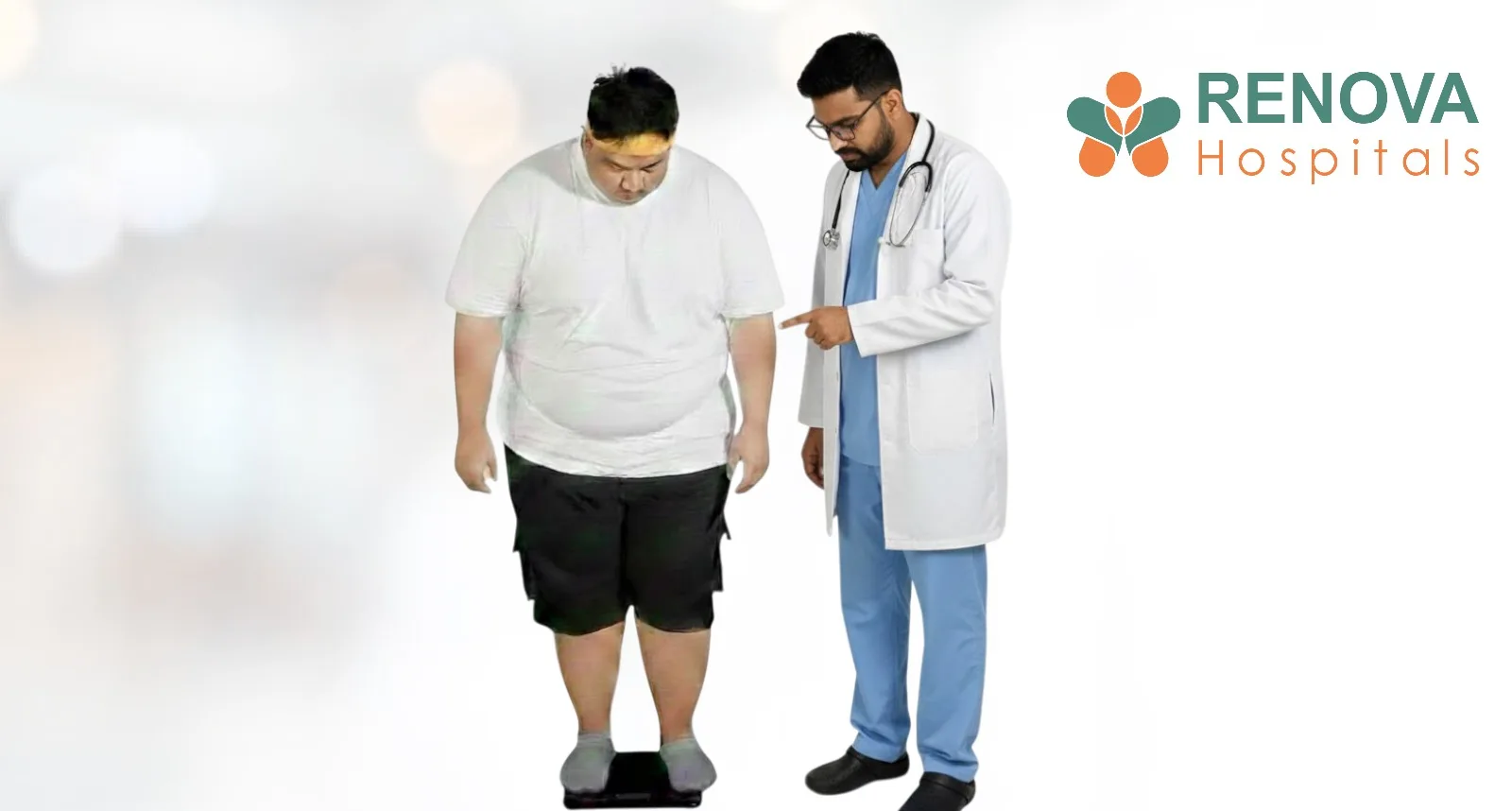
Obesity is often reduced to a number on the weighing scale or a Body Mass Index (BMI) chart. But in clinical reality, obesity is a progressive, systemic disease that quietly damages multiple organs long before visible symptoms appear. At Renova Hospitals, we routinely see patients who feel “mostly fine” but already have early heart disease, fatty liver, hormonal disturbances, or insulin resistance, all driven by excess body fat.
Obesity does not act in isolation. It triggers a chain reaction affecting metabolism, circulation, liver function, and hormone regulation. Understanding these internal effects is critical, not to induce fear, but to encourage early, informed intervention.
Obesity Is an Active Disease, Not Just Excess Weight
Fat tissue is not inert. Especially in obesity, fat behaves like an endocrine and inflammatory organ, releasing chemicals that disrupt normal physiology. This is why obesity is closely associated with obesity and metabolic syndrome, a condition that dramatically raises the risk of heart disease, stroke, diabetes, and liver damage.
Abdominal Fat: The Most Dangerous Fat
Among all fat types, visceral or abdominal fat is the most harmful. Fat stored deep inside the abdomen surrounds vital organs like the liver, pancreas, and intestines. This pattern leads to abdominal obesity and metabolic syndrome, even in people who may not look “severely obese” externally.
Clinical markers of abdominal obesity and metabolic syndrome include:
- Large waist circumference
- Elevated fasting blood sugar
- High triglycerides
- Low HDL (“good”) cholesterol
- High blood pressure
Together, these changes reflect deep metabolic changes in obesity that worsen over time if unaddressed.
Metabolic Changes in Obesity: When Energy Control Fails
Metabolism refers to how the body converts food into energy and manages fuel storage. In obesity, this finely tuned system becomes dysfunctional.
How Metabolic Changes Begin
Early metabolic changes in obesity include:
- Reduced insulin sensitivity
- Impaired glucose uptake by muscles
- Increased fat storage in liver and viscera
- Persistent low-grade inflammation
These metabolic changes in obesity force the pancreas to produce more insulin to control blood sugar. Over time, insulin resistance worsens, leading to type 2 diabetes.
Why These Changes Matter
Unchecked metabolic changes in obesity:
- Accelerate aging of blood vessels
- Promote fat accumulation in organs
- Increase oxidative stress
- Reduce the body’s ability to burn fat
This is why obesity is not merely a cosmetic concern, it is a metabolic disorder with systemic consequences.
Obesity and Heart Disease: A Gradual, Silent Threat
The heart is particularly vulnerable to the effects of obesity. The link between obesity and heart disease is well-established and multifactorial.
Can Obesity Cause Heart Disease?
From a medical standpoint, can obesity cause heart disease is conclusively answered: yes.
Obesity increases cardiovascular risk through:
- High blood pressure (increased blood volume and vascular resistance)
- Dyslipidemia (high LDL, high triglycerides)
- Chronic inflammation of blood vessels
- Insulin resistance affecting arterial health
Each of these pathways strengthens the connection between obesity and heart disease.
Healthy Heart vs Obese Heart
Understanding the contrast between a healthy heart vs obese heart highlights the danger:
- A healthy heart pumps efficiently with elastic vessels
- An obese heart often becomes enlarged due to constant overload
- Fat deposits can accumulate around the heart (epicardial fat)
- The heart muscle may stiffen, impairing relaxation and filling
Over time, the healthy heart vs obese heart comparison reveals why obese individuals are more prone to heart failure, arrhythmias, and sudden cardiac events.
Obesity and Fatty Liver: The Liver Under Siege
The liver is central to metabolism, fat processing, and hormone regulation. Excess fat directly injures this organ.
Obesity and Fatty Liver Disease
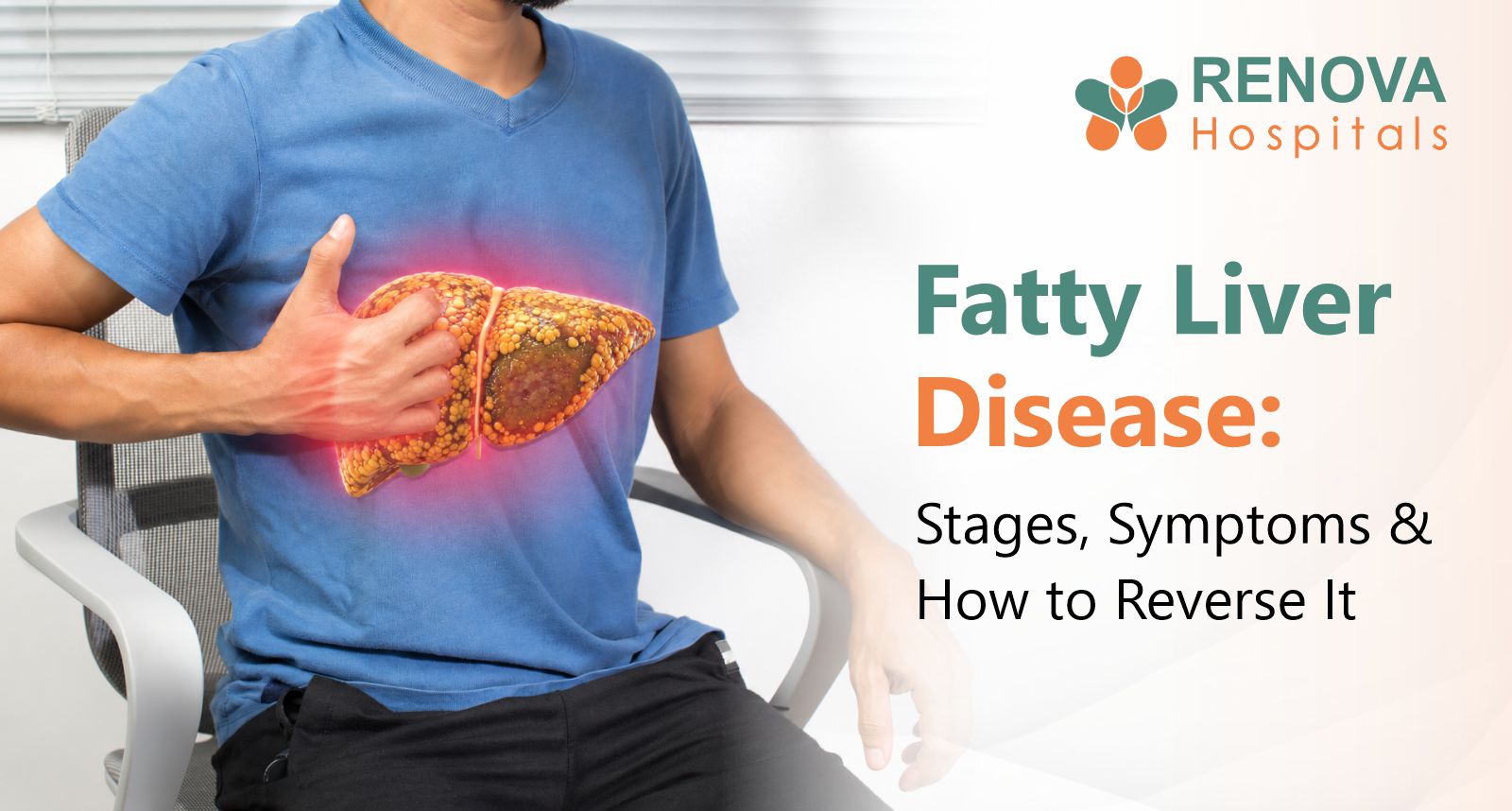
Obesity and fatty liver disease, medically termed Non-Alcoholic Fatty Liver Disease (NAFLD), occurs when fat accumulates inside liver cells. This condition now affects a significant proportion of overweight and obese adults in India.
Patients often ask: can obesity cause enlarged liver?
Clinically, the answer is yes. Can obesity cause enlarged liver is frequently confirmed through ultrasound or CT scans due to fat accumulation and inflammation.
Disease Progression
If untreated, obesity and fatty liver can progress through stages:
- Simple fatty liver (steatosis)
- Inflammation (NASH)
- Fibrosis (scarring)
- Cirrhosis and liver failure
Importantly, obesity and fatty liver often develop silently, without pain or obvious symptoms.
Obesity and Hormones: Disrupting the Body’s Internal Balance
Hormones act as chemical messengers controlling appetite, reproduction, mood, metabolism, and growth. Excess fat interferes with this delicate system.
Obesity Causes Hormonal Imbalance
Fat tissue produces estrogen, leptin, inflammatory cytokines, and cortisol-like substances. As fat mass increases, obesity causes hormonal imbalance across multiple systems.
Key disruptions include:
- Insulin resistance
- Leptin resistance (loss of satiety signals)
- Elevated estrogen levels
- Suppressed testosterone in men
- Altered thyroid hormone conversion
These mechanisms explain why obesity and hormones are inseparable in clinical practice.
Real-World Effects of Hormonal Imbalance
Because obesity causes hormonal imbalance, patients may experience:
- Irregular menstrual cycles
- Polycystic Ovary Syndrome (PCOS)
- Infertility
- Erectile dysfunction
- Fatigue and mood disturbances
- Increased hunger despite adequate eating
In this way, obesity and hormones create a feedback loop that makes weight gain easier and
weight loss harder.
The Metabolic–Hormonal Vicious Cycle
One of the most dangerous aspects of obesity is how interconnected damage becomes:
- Metabolic changes in obesity worsen insulin resistance
- Insulin resistance increases fat storage
- Fat tissue worsens obesity and hormones imbalance
- Hormonal imbalance further slows metabolism
This cycle underpins obesity and metabolic syndrome, explaining why obesity is chronic and progressive without medical intervention.
Obesity and Inflammation: The Hidden Driver
Chronic inflammation is a hallmark of obesity. Fat cells release inflammatory molecules that:
- Damage blood vessels
- Promote plaque formation
- Impair liver cells
- Disrupt hormone signaling
This inflammation strengthens the links between obesity and heart disease, obesity and fatty liver, and obesity causes hormonal imbalance.
Why BMI Alone Is Not Enough
Two individuals with the same BMI may have vastly different health risks. Those with visceral fat accumulation are far more likely to develop abdominal obesity and metabolic syndrome, even if they appear only moderately overweight.
At Renova Hospitals, we focus on:
- Waist circumference
- Body composition
- Metabolic markers
- Liver enzymes
- Hormonal profiles
This comprehensive view helps detect obesity and metabolic syndrome early.
Can the Damage Be Reversed?
The encouraging truth is that many obesity-related changes are partially or fully reversible when addressed early.
Targeted interventions can:
- Improve insulin sensitivity
- Reduce liver fat
- Normalize hormone levels
- Improve cardiac function
- Restore metabolic flexibility
However, reversal requires more than crash diets or temporary weight loss—it needs structured medical guidance.
Renova Hospitals Approach to Obesity Care
At Renova Hospitals, obesity management is approached as a medical condition, not a cosmetic issue. Our focus includes:
- Comprehensive metabolic evaluation
- Heart and liver risk assessment
- Hormonal screening
- Personalised nutrition therapy
- Physical activity guidance
- Long-term monitoring and support
By addressing obesity and metabolic syndrome holistically, we aim to prevent irreversible organ damage.
Act Before Silent Damage Progresses
Understanding the connections between obesity and heart disease, obesity and fatty liver, obesity and hormones, and metabolic changes in obesity empowers you to act early.
If you are experiencing unexplained fatigue, abdominal weight gain, rising sugar or cholesterol levels, or hormonal irregularities, don’t wait for symptoms to worsen.
Consult the specialists at Renova Hospitals to take control of obesity before it causes lasting harm, because protecting your heart, liver, hormones, and metabolism today safeguards your health for years to come.